Root Canal Pain: What Is Normal and When to Call Your Dentist
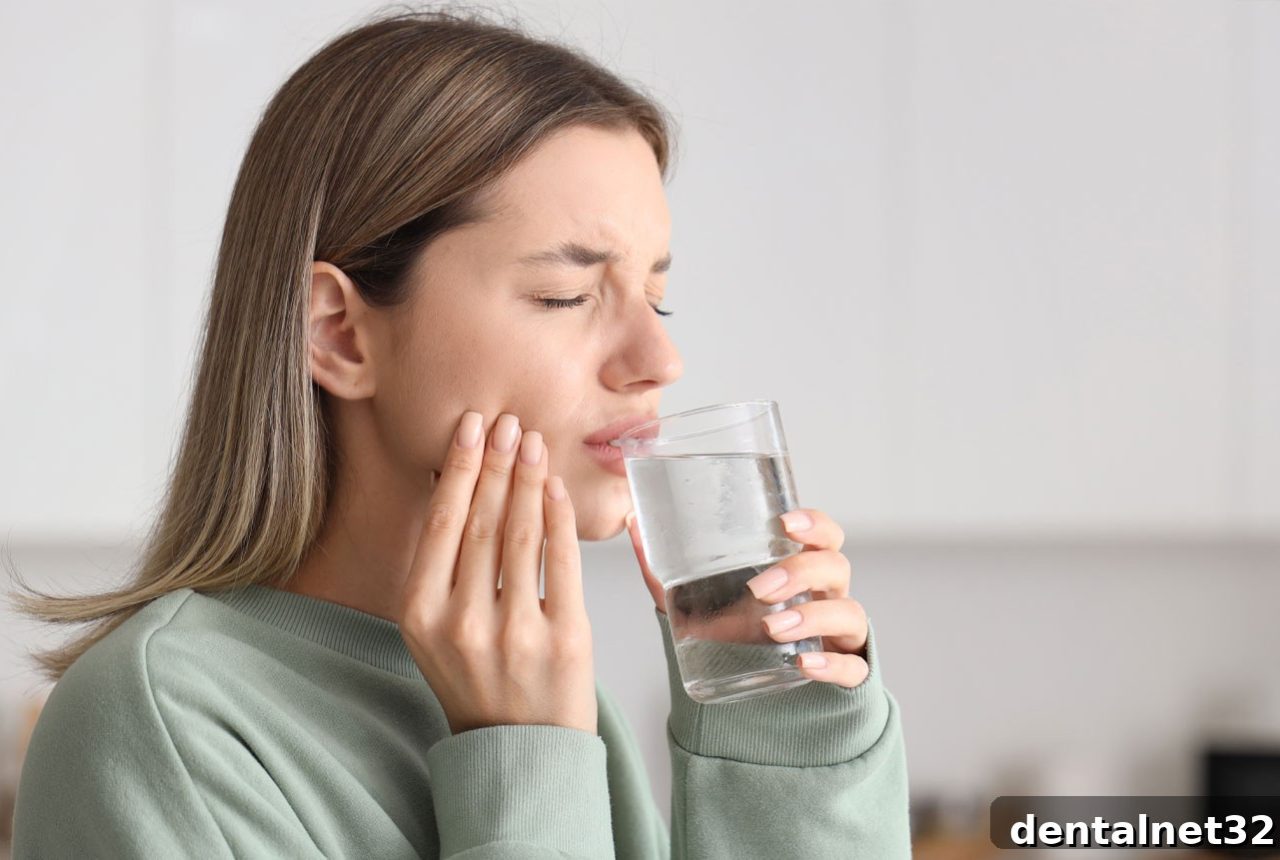
Some tenderness after a root canal is common, especially when the tooth was painful or infected before treatment. The area may feel sore when you bite, but this discomfort typically eases over time rather than becoming worse. Understanding normal symptoms and appropriate care helps protect the tooth and lets you know when to contact your dentist.
Why a tooth can feel sore after a root canal
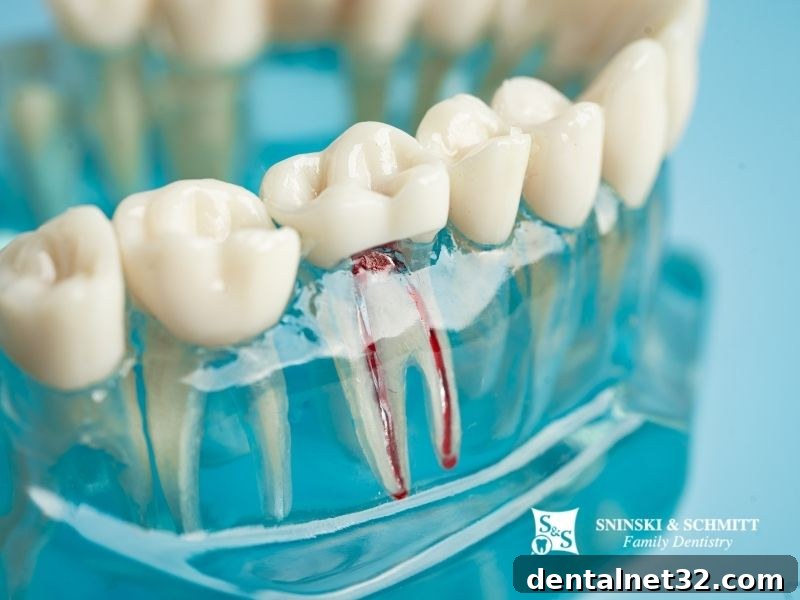
Root canal treatment removes the infected or damaged pulp, cleans the canals, and seals them. Although the nerve inside the tooth is removed, the periodontal ligament and surrounding tissues remain alive and can be temporarily irritated by the original infection, the procedure itself, or pressure on the tooth. A temporary filling or provisional crown may also feel different, and an early contact with the opposing tooth can cause soreness until your bite is adjusted.
Common, expected symptoms after treatment
- Mild tenderness when chewing
- Soreness around the treated tooth and gum
- Temporary sensitivity in surrounding tissues
- Gradual improvement over several days
Follow your dental team’s instructions and use over-the-counter or prescribed pain relievers only as directed, taking into account any medical conditions or medications you already take.
How to support a comfortable recovery
- Avoid chewing hard, crunchy, or sticky foods on the treated side until your dentist has placed the final restoration.
- Keep brushing and flossing gently to maintain oral hygiene without irritating the area.
- Attend all follow-up appointments for the permanent filling or crown.
- Complete the final restoration promptly—an unrestored tooth is more vulnerable to fracture or reinfection.
When to call your dentist
Contact your dentist if you experience severe pain or pressure, symptoms that worsen after initially improving, persistent swelling, fever, a bad taste in the mouth, an uneven bite, or if a temporary filling or crown comes out. Also call if symptoms last longer than your dentist advised. Seek emergency medical care for difficulty breathing or swallowing, rapidly spreading facial swelling, or swelling near the eye or neck.
Does pain mean the root canal failed?
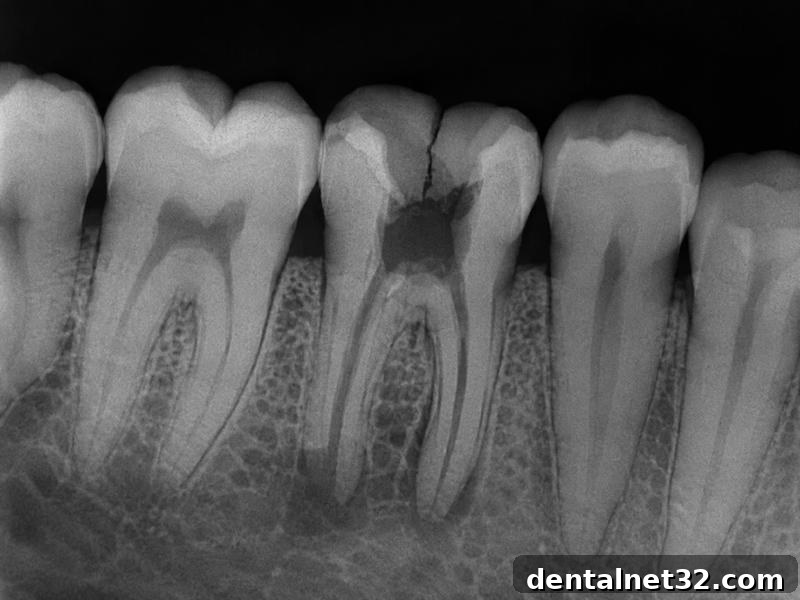
Not necessarily. Short-term tenderness is common during healing. Persistent or recurring symptoms, however, may indicate a bite problem, a cracked tooth, a new infection, or complex root anatomy that requires further evaluation. A clinical exam and radiographs help determine the cause and the appropriate next step.
Protecting the treated tooth long term
Root canal therapy removes infected tissue inside the tooth but does not restore structural loss from decay, previous fillings, or cracks. A crown or other definitive restoration seals and reinforces the tooth to restore strength and function. Maintain daily oral hygiene—brush twice a day, clean between teeth, and keep regular dental check-ups to protect the treated tooth.
If you have questions after treatment, contact the dentist who performed the procedure. Locust Family Dentistry provides root canal treatment in Locust, NC and personalized follow-up care.
How discomfort should evolve
Recovery is best assessed by trend rather than a fixed timeline. Mild soreness that steadily improves is expected. Pain that intensifies, returns after easing, or appears with swelling is a concern. The original condition of the tooth and surrounding tissues also influences recovery speed. If your dentist gave specific follow-up guidance, follow those instructions because they reflect your treatment details and medical history.
Could your bite be the cause?
If a temporary or final restoration contacts the opposing tooth too early, it can overload the ligament and cause the tooth to feel “high” or tender when biting. Do not attempt to adjust the restoration yourself; a dentist can evaluate and make precise adjustments to the bite.
Why the final restoration matters
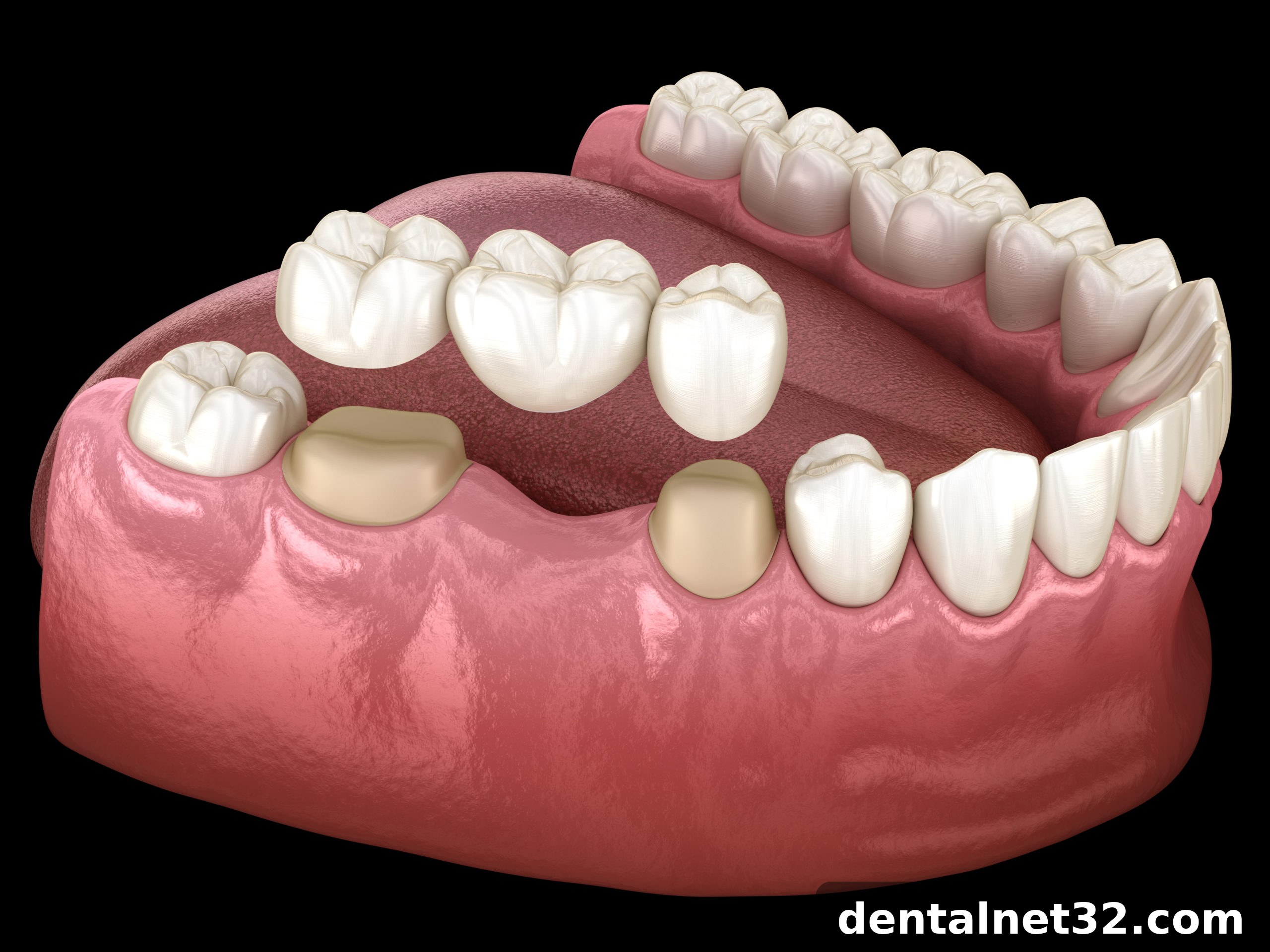
A final filling or crown restores structure lost to decay or previous treatments and seals the tooth against reinfection. Delaying a recommended crown increases the risk of fracture or contamination. Until the tooth is permanently restored, avoid placing heavy or sticky forces on it.
What can cause symptoms to return later
Returning pain may result from new decay, a leaking or broken restoration, a cracked tooth, periodontal disease, or persistent infection in complex canal anatomy. Recurrence does not automatically mean extraction is needed. Possible options include repair of the restoration, endodontic retreatment, or surgical approaches depending on diagnostic findings.
Information to report to your dentist
- The time your pain began and whether it is improving
- If the tooth feels high or painful when biting
- Any swelling, drainage, fever, or unpleasant taste
- Whether the temporary restoration is intact
- Which medications you have taken and how well they helped
- Any new injury or chewing of hard foods
Returning to daily activities
Many people resume normal activities quickly after a root canal, but follow instructions about eating and medications. If sedation was used, or if your job involves strenuous or safety-sensitive tasks, follow the office’s guidance. Do not drive or operate heavy machinery if medications make that unsafe.
Keep the follow-up plan
Even if the tooth feels better, complete the permanent restoration and attend scheduled exams. For information comparing tooth-preserving options to removal, discuss the full diagnosis and treatment choices with your dentist and review any recommended procedural options such as emergency extractions when applicable.
Recovery advice should come from the treating office
General information cannot replace specific guidance based on the tooth’s condition, your medical history, or the exact procedure performed. Follow the instructions given by your treating dentist and call the office if your recovery differs from what they described.
Sources
- American Association of Endodontists: Post-Treatment Care (source)
- American Dental Association: Root Canals (source)
This article is for general information and does not replace an examination by a licensed dentist.