
Conquering Tooth Sensitivity: Your Ultimate Guide to At-Home Remedies and Relief
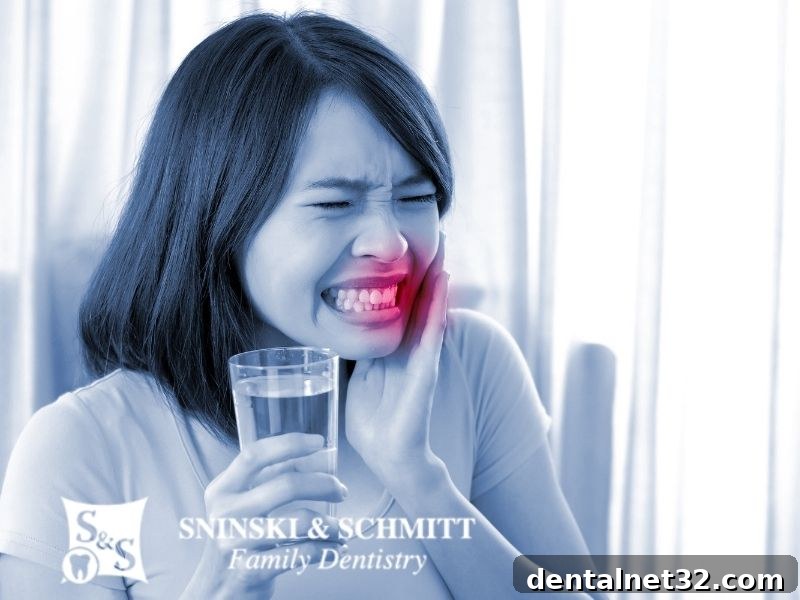
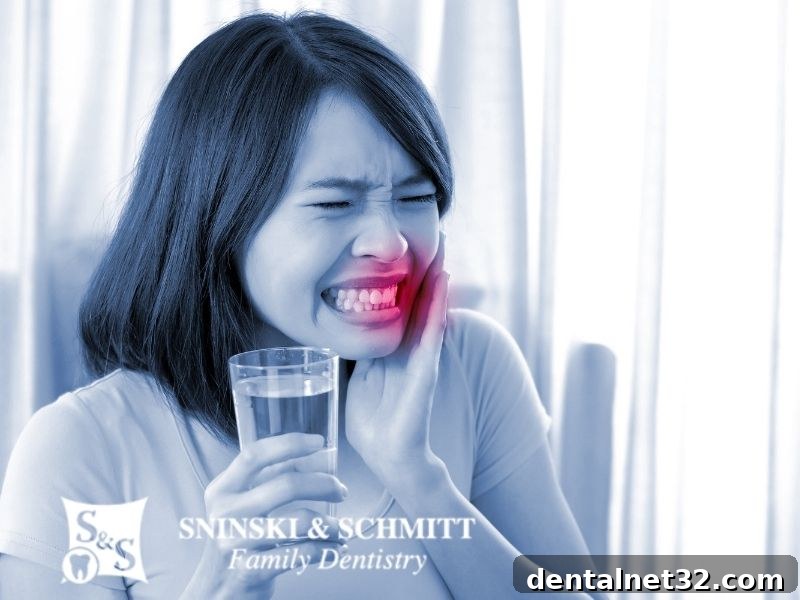
Tooth sensitivity is that sharp, sudden jolt of pain you feel when your teeth are exposed to hot, cold, sweet, or acidic foods and drinks. It can turn simple pleasures like enjoying an ice cream cone or sipping a hot coffee into a dreaded experience. If you’re one of the millions who suffer from sensitive teeth, know that you’re not alone and there are effective ways to manage the discomfort. While a professional dental diagnosis is essential to identify the root cause, several at-home remedies can provide significant relief in the meantime.
This comprehensive guide will explore the underlying causes of tooth sensitivity and detail 8 powerful at-home remedies you can use to soothe your discomfort and reclaim your comfort. Read on to discover how you can manage this common dental issue effectively from your own home.
Understanding the Root of Tooth Sensitivity
Before diving into the remedies, it’s helpful to understand why tooth sensitivity occurs. The most common cause is the exposure of dentin, the softer layer of your tooth that lies beneath the hard, protective enamel. The dentin contains thousands of microscopic tubules that lead directly to the tooth’s nerve center, or pulp. When these tubules are exposed, external triggers like temperature changes or certain foods can travel through them and stimulate the nerve, resulting in that characteristic sharp pain.
Several factors can lead to exposed dentin:
- Enamel Erosion: The consumption of acidic foods and beverages, along with conditions like acid reflux, can wear away your tooth enamel over time.
- Gum Recession: Aggressive brushing, gum disease (gingivitis or periodontitis), or aging can cause your gums to pull back, exposing the tooth roots which are not covered by enamel.
- Tooth Grinding (Bruxism): Clenching or grinding your teeth, often during sleep, can wear down enamel and expose the dentin layer.
- Cracked Teeth or Fillings: A chip, crack, or worn-out filling can create an opening for bacteria to enter the tooth, causing inflammation and sensitivity in the pulp.
- Recent Dental Procedures: Procedures like teeth whitening, cleanings, or getting a crown can cause temporary sensitivity that usually subsides within a few weeks.
Identifying the potential cause can help you choose the most effective remedies and make lifestyle changes to prevent the problem from worsening. Now, let’s explore the solutions you can try at home.
1. Switch to a Desensitizing Toothpaste
One of the easiest and most effective first steps is to switch your regular toothpaste to one specifically formulated for sensitive teeth. These products are widely available and contain active ingredients that work to alleviate sensitivity. The two most common compounds are potassium nitrate and stannous fluoride. Potassium nitrate works by calming the tooth’s nerve, effectively blocking the pain signals from reaching your brain. Stannous fluoride, on the other hand, works by creating a protective barrier over the exposed dentin tubules, preventing external stimuli from reaching the nerve.
For best results, use the desensitizing toothpaste twice daily with a soft-bristled toothbrush. It’s important to be patient, as it can take several weeks of consistent use to experience a noticeable reduction in sensitivity. During this time, it’s wise to avoid highly abrasive whitening toothpastes, as they can sometimes exacerbate the issue by scrubbing away more of the enamel surface.
2. Use a Soft-Bristle Toothbrush and Gentle Technique
Your brushing habits play a significant role in your oral health. Brushing too aggressively or using a toothbrush with hard bristles can be counterproductive, leading to both enamel wear and gum recession. This mechanical damage, known as “toothbrush abrasion,” is a leading cause of exposed dentin and subsequent sensitivity. Making a simple change to a soft-bristle toothbrush can make a world of difference.
Combine your new brush with a gentler technique. Instead of scrubbing back and forth, use small, circular motions and hold the brush at a 45-degree angle to your gums. This effectively cleans your teeth without causing unnecessary damage. Many electric toothbrushes come equipped with pressure sensors that alert you if you’re pressing too hard, making them an excellent option for those struggling with this habit. Remember to brush for a full two minutes, twice a day, to ensure a thorough yet gentle clean.
3. Rinse with a Salt Water Solution
Salt water is a time-tested natural remedy with powerful antiseptic and anti-inflammatory properties. A warm salt water rinse can help reduce inflammation in your gums, which can alleviate sensitivity caused by conditions like gingivitis. It also helps to balance the pH level in your mouth, creating an alkaline environment that is less hospitable to harmful bacteria.
To prepare the rinse, follow these simple steps:
- Dissolve ½ to ¾ teaspoon of table salt in a glass of lukewarm water.
- Stir until the salt is fully dissolved.
- Swish the solution around your mouth for at least 30 seconds, ensuring it reaches all areas.
- Spit out the solution completely. Do not swallow it.
Using this rinse twice a day can provide soothing relief and promote better overall gum health.
4. Try a Diluted Hydrogen Peroxide Rinse
Hydrogen peroxide is another effective household item that can be used as a mild antiseptic to promote oral hygiene. It is particularly effective at healing gums and reducing inflammation by killing harmful bacteria. A healthy gum line is crucial for protecting the sensitive roots of your teeth.
It is crucial to use hydrogen peroxide safely. Always use a 3% solution, which is standard in most drugstores, and dilute it properly.
- Mix two caps of 3% hydrogen peroxide with two caps of warm water (equal parts).
- Gently swish this solution in your mouth for up to 30 seconds.
- Spit the solution out thoroughly. Never swallow hydrogen peroxide.
- After spitting, rinse your mouth with plain water to remove any residual peroxide.
This can be a beneficial part of your routine, but it should not be overused. If you notice any irritation, discontinue use and consult your dentist.
5. Soothe with Honey and Warm Water
Honey is renowned for its natural antibacterial and anti-inflammatory properties. For centuries, it has been used as a natural remedy for wound healing because it can reduce pain, swelling, and inflammation while fighting off infection. These same properties can be applied to oral health to soothe the discomfort of sensitive teeth, especially when it’s linked to inflamed gums.
To use this remedy, simply mix a spoonful of raw, unprocessed honey into a glass of warm water and stir until it dissolves. Rinse your mouth with this sweet solution for 30 seconds before spitting it out. This gentle remedy can help accelerate healing and provide a comforting sensation for irritated oral tissues.
6. Harness the Power of Green Tea
Green tea is celebrated for its wide array of health benefits, largely due to its high concentration of antioxidants and anti-inflammatory compounds called catechins. Research has shown that green tea can contribute positively to oral health by strengthening teeth and reducing inflammation. It contains natural fluoride and polyphenols that can help combat bacteria and fortify tooth enamel.
To use green tea for tooth sensitivity, brew a cup and allow it to cool. Use the unsweetened tea as a mouthwash, swishing it twice daily. This can help reduce inflammation in the gums and provide a protective effect on your teeth, gradually decreasing sensitivity over time.
7. Incorporate Fluoride Treatments
Fluoride is a mineral that is fundamental to dental health. It works by strengthening tooth enamel through a process called remineralization, making your teeth more resistant to acid attacks from plaque bacteria and foods. By fortifying the enamel, fluoride can significantly reduce tooth sensitivity. Many over-the-counter mouth rinses contain fluoride and are an excellent addition to your daily routine.
Look for an alcohol-free fluoride mouthwash and use it once or twice a day after brushing. Swish it in your mouth for about a minute, then spit it out, and avoid eating or drinking for at least 30 minutes afterward to allow the fluoride to fully absorb. For more severe cases, your dentist can provide professional-grade fluoride gels or varnishes for a more concentrated and long-lasting effect.
8. Practice Coconut Oil Pulling
Oil pulling is an ancient Ayurvedic practice that involves swishing oil in your mouth to draw out toxins and improve oral hygiene. Coconut oil is commonly used for this purpose due to its high content of lauric acid, which has proven anti-inflammatory and antimicrobial properties. It can help reduce plaque buildup and combat the bacteria that cause gingivitis, a common contributor to tooth sensitivity.
To try oil pulling, take about a tablespoon of high-quality coconut oil and swish it around your mouth for 15 to 20 minutes. Be careful not to swallow the oil as it will be full of bacteria. When you’re done, spit the oil into a trash can (not the sink, as it can clog drains) and rinse your mouth with warm water. While many people swear by its benefits, it should be seen as a complementary practice to your regular brushing and flossing routine.
When to Consult Your Dentist for Tooth Sensitivity
While these at-home remedies can provide substantial relief, they are not a substitute for professional dental care. It is crucial to see a dentist to get an accurate diagnosis for your tooth sensitivity. A professional can rule out more serious underlying issues like cavities, cracked teeth, or advanced gum disease that require specific treatments. If your sensitivity persists or worsens after a few weeks of trying these remedies, or if the pain is severe and constant, schedule an appointment immediately.
Your dentist can offer a range of in-office treatments, such as applying dental sealants, bonding agents, or prescribing a high-concentration fluoride gel. By working with a dental professional, you can develop a comprehensive plan to manage your sensitivity effectively and ensure your long-term oral health.