
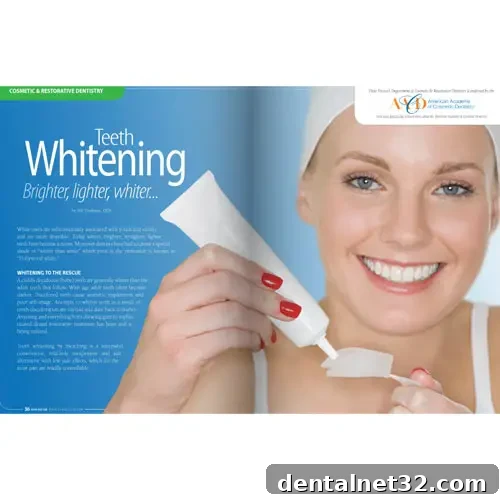
The Ultimate Guide to Teeth Whitening: Achieving a Brighter, More Confident Smile
A bright, radiant smile is often one of the first things people notice. It can convey confidence, health, and vitality. It’s no surprise, then, that teeth whitening has become one of the most popular cosmetic dental procedures worldwide. While a child’s baby teeth are naturally a brilliant white, our permanent adult teeth tend to darken over time due to a variety of factors. This discoloration can lead to self-consciousness and a desire to restore a more youthful, vibrant appearance. The quest for whiter teeth is not a new phenomenon; it dates back centuries. Today, we have a vast array of options, from simple over-the-counter products to sophisticated, professional treatments performed by a dentist.
If you’re considering whitening your teeth, it’s important to be informed. This comprehensive guide will explore the causes of tooth discoloration, how teeth whitening works, the different methods available, their safety, and how you can maintain your brilliant results. Understanding these key aspects will empower you to choose the best path toward achieving the dazzling smile you’ve always wanted.
Why Do Teeth Change Color? Understanding the Causes of Discoloration
Before diving into whitening solutions, it’s crucial to understand why teeth lose their natural brightness in the first place. Tooth discoloration is generally categorized into two main types: extrinsic and intrinsic stains. Identifying the source of your discoloration can help determine the most effective treatment approach.
Extrinsic Stains: The Culprits on the Surface
Extrinsic stains affect the outer layer of the tooth, known as the enamel. This is the most common type of discoloration and is typically caused by lifestyle and dietary habits. The porous nature of enamel allows pigments from food, drinks, and other substances to accumulate, leading to a yellowish or brownish tint. Key causes include:
- Dark-Colored Foods and Beverages: Coffee, tea, red wine, dark sodas, berries, and soy sauce are notorious for staining teeth. These items contain strong color pigments called chromogens that latch onto tooth enamel.
- Tobacco Use: Both smoking and chewing tobacco are significant contributors to stubborn extrinsic stains. The tar and nicotine in tobacco create deep, yellow and brown stains that are difficult to remove with brushing alone.
- Poor Oral Hygiene: Inadequate brushing and flossing allow plaque and stain-producing substances to build up on your teeth, leading to discoloration over time.
Intrinsic Stains: Discoloration from Within
Intrinsic stains originate from within the tooth structure, in the layer beneath the enamel called dentin. Dentin is naturally yellowish, and as enamel thins with age, more of this yellow hue can show through. Intrinsic stains are often more resistant to traditional whitening methods. Common causes include:
- Aging: As we get older, our enamel naturally wears down and becomes thinner, revealing the darker dentin underneath. The dentin itself also continues to grow and darken over a lifetime.
- Trauma or Injury: A fall or impact to a tooth can cause it to produce more dentin as a protective response, leading to a darker appearance. Injury can also disrupt blood flow to the tooth, causing it to die and turn gray or black.
- Medications: Certain medications can cause significant intrinsic staining, especially if taken during childhood when teeth are developing. The antibiotic tetracycline is a well-known example, causing gray or brown banding on the teeth. Some antihistamines, antipsychotics, and blood pressure medications can also lead to discoloration.
- Genetics: Just like hair and eye color, the natural shade of your teeth is partly determined by your genes. Some people are simply born with thicker or whiter enamel than others.
- Excessive Fluoride: While fluoride is beneficial for dental health, overexposure during tooth development (a condition called fluorosis) can cause white spots or brown mottling on the enamel.
How Does Teeth Whitening Actually Work? The Science Behind a Brighter Smile
The magic of most teeth whitening products lies in their active ingredients, which are typically a form of peroxide—either hydrogen peroxide or carbamide peroxide. Carbamide peroxide is a stable compound that breaks down into hydrogen peroxide and urea when it comes into contact with saliva.
The process is a simple but effective chemical reaction. The hydrogen peroxide penetrates the porous enamel and reaches the discolored molecules inside your tooth. It then triggers an oxidation process, breaking apart the chemical bonds that hold the stains together. This action effectively neutralizes the stains, making the teeth appear significantly whiter and brighter. Because this process targets molecules both on the surface and just beneath it, it is effective against many extrinsic and some milder intrinsic stains.
Professional Teeth Whitening: The Dentist’s Touch for Optimal Results
For the safest, fastest, and most dramatic results, professional teeth whitening supervised by a dentist is the gold standard. Dentists have access to higher-concentration bleaching agents and the expertise to ensure the procedure is both effective and safe for your oral health.
In-Office Whitening
Often referred to as power bleaching, in-office whitening provides immediate and noticeable results in a single visit, typically lasting about 60 to 90 minutes. The procedure involves carefully applying a protective barrier to your gums and soft tissues, followed by the application of a powerful whitening gel to your teeth. A special high-intensity light or laser is often used to activate the gel, accelerating the whitening process. This method can brighten your teeth by several shades in just one session.
Dentist-Prescribed Take-Home Kits
A more gradual but equally effective professional option is a custom take-home whitening kit. Your dentist will take an impression of your teeth to create custom-fitted trays that perfectly conform to your smile. This precise fit ensures that the professional-strength whitening gel is applied evenly to your teeth and prevents it from leaking onto your gums, which can cause irritation. You will typically wear these trays for a specified period each day—from 30 minutes to a few hours—for one to two weeks to achieve your desired shade.
Exploring At-Home Whitening: Over-the-Counter Products
For those looking for a more affordable and convenient option, a variety of over-the-counter (OTC) whitening products are available at most drugstores. While they use lower concentrations of peroxide than professional treatments, they can still be effective for mild surface stains.
- Whitening Strips: These are thin, flexible plastic strips coated with a low-concentration peroxide gel. You apply them directly to your teeth for about 30 minutes a day over a period of weeks. They are a popular and accessible choice, though results may be uneven if teeth are crooked.
- Whitening Toothpastes: Most “whitening” toothpastes do not contain peroxide. Instead, they feature mild abrasives and special chemical agents that are effective at removing surface stains and polishing teeth. They are best used for maintaining a bright smile rather than achieving a dramatic color change.
- Whitening Gels and Rinses: Whitening gels are applied directly to the teeth with a small brush, while whitening rinses are used like a regular mouthwash. Their effectiveness is often limited due to the short contact time the active ingredient has with the teeth.
Is Teeth Whitening Safe? Potential Side Effects and Considerations
When used as directed, teeth whitening is widely considered safe. However, it’s not suitable for everyone, and some temporary side effects can occur. The most common issue is tooth sensitivity. This happens when the peroxide temporarily passes through the enamel to the soft dentin layer, irritating the nerve of the tooth. This sensitivity usually subsides within a day or two after treatment. Using a desensitizing toothpaste before and after whitening can help minimize this discomfort.
Another potential side effect is gum irritation. This can happen if the whitening agent comes into contact with the gums. This is why professionally made custom trays are superior to one-size-fits-all OTC products. It is important to note that whitening treatments do not work on dental restorations like crowns, veneers, or fillings. If you have these in your front teeth, they will not change color, which could lead to an uneven-looking smile after whitening.
Before beginning any whitening regimen, it is essential to have a dental check-up to ensure your teeth and gums are healthy. Whitening should not be performed on teeth with untreated cavities or gum disease.
Keeping Your Teeth White: Tips for Long-Lasting Results
After investing time and money into brightening your smile, you’ll want to maintain the results for as long as possible. With proper care, the effects of professional whitening can last for a year or more.
- Practice Excellent Oral Hygiene: Brush your teeth at least twice a day and floss daily to prevent plaque and new stains from forming.
- Limit Staining Foods and Drinks: Reduce your consumption of coffee, tea, red wine, and other staining agents. When you do indulge, use a straw to minimize contact with your front teeth and rinse your mouth with water afterward.
- Avoid Tobacco: Quitting smoking or using other tobacco products is one of the best things you can do for both your oral health and the appearance of your smile.
- Schedule Regular Dental Cleanings: Professional cleanings every six months will remove surface stains and keep your smile looking its best.
- Consider Touch-Up Treatments: Depending on your lifestyle, you may need periodic touch-up treatments at home or at your dentist’s office to maintain your desired shade.
Your Path to a Radiant Smile
Achieving a whiter, more brilliant smile is more accessible today than ever before. From professional in-office procedures to convenient at-home kits, there is a solution to fit every budget and lifestyle. The key to success is understanding the cause of your discoloration and choosing a safe, effective method. For the best outcome and to ensure your oral health is protected, a consultation with your dentist is always the recommended first step. They can assess your specific needs, answer your questions, and guide you toward the perfect whitening treatment to unlock a more confident and radiant you.