Essential Facts for Strong Bones
An In-Depth Guide to the Supporting Alveolar Bone: The Foundation of Your Smile
When we think about oral health, our attention often goes straight to our teeth and gums. We focus on brushing, flossing, and avoiding cavities. However, beneath the surface lies a complex and vital structure that holds everything in place: the alveolar bone. This specialized bone of the jaw is the unsung hero that anchors our teeth, providing the stability needed for chewing, speaking, and smiling with confidence. The alveolar bone is part of a larger system called the periodontium, which also includes the gums, cementum, and periodontal ligament. Together, they form the complete support system for our teeth.
The entire bony structure that houses the teeth is known as the alveolar process. This process is not a single, uniform block of bone. Instead, it is composed of two distinct but interconnected parts: the alveolar bone proper and the supporting alveolar bone. While the alveolar bone proper is the thin layer of bone that directly lines the tooth socket, this article will focus on its crucial partner—the supporting alveolar bone. This is the bone that reinforces the socket and provides the bulk of the strength and resilience to the jaw. Understanding its structure is key to appreciating how our teeth are supported and what happens during periodontal disease, orthodontic treatment, and dental implant procedures.
The Two Pillars of Support: Compact and Cancellous Bone
The supporting alveolar bone is the foundational framework that encases the alveolar bone proper. It’s a marvel of biological engineering, designed to be both incredibly strong and surprisingly lightweight. To achieve this, it is composed of two different types of bone tissue, each with a unique structure and function. These are:
- Compact Bone (or Cortical Bone): The dense, hard outer layer that provides formidable strength and protection.
- Cancellous Bone (or Spongy/Trabecular Bone): The inner, honeycomb-like structure that provides a supportive network and metabolic functions.
These two types of bone work in perfect harmony. The compact bone withstands the immense pressures of biting and chewing, while the cancellous bone absorbs and distributes these forces, preventing the jaw from fracturing. Let’s delve deeper into the specific characteristics and roles of each of these essential components.
Compact Bone: The Protective Outer Shell
Imagine the supporting bone as a fortress protecting the tooth root. The compact bone would be its thick, impenetrable outer walls. Also known as cortical bone, this tissue is incredibly dense and solid, forming the exterior surface of the alveolar process. You can find it on the cheek-side (buccal) and tongue-side (lingual/palatal) of your jaw. Its primary role is to provide rigidity and strength, forming the main load-bearing structure of the jaw.
This outer layer is made up of buccal and lingual cortical plates. These plates are not isolated; they are continuous with the cribriform plate (another name for the alveolar bone proper that lines the socket). Where these plates meet and fuse around the crest of the tooth socket, they create a feature of immense diagnostic importance.
Why Bone Thickness Matters: A Tale of Two Jaws
The thickness of the compact cortical bone is not uniform throughout the mouth. It varies significantly between the upper jaw (maxilla) and the lower jaw (mandible), and even in different areas within the same jaw. This variation has profound clinical implications.
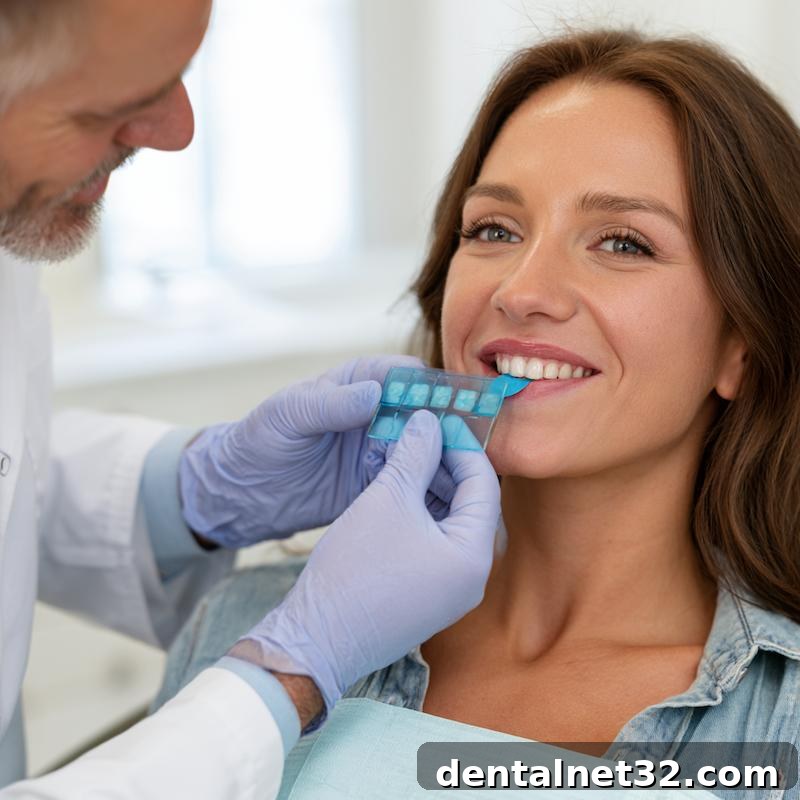
- Maxilla vs. Mandible: Generally, the cortical plate is much thicker and denser on the mandible than on the maxilla. The maxilla’s bone is more porous, which allows for easier diffusion of substances. This anatomical difference is precisely why local anesthetics work differently in each jaw. For dental professionals, performing an infiltration (injecting anesthetic next to a single tooth) is highly effective on the maxilla because the anesthetic can easily seep through the thinner bone to numb the tooth’s nerve. On the mandible, however, the dense cortical bone acts as a barrier, making infiltrations much less effective, especially on posterior teeth. This necessitates a nerve block injection, which numbs a larger area.
- Variations within the Jaws: On the maxilla, the compact bone is typically thicker on the palatal (roof of the mouth) side compared to the buccal (cheek) side. In contrast, on the mandible, the bone is thickest in the posterior molar region on the buccal side and tends to be thinnest in the anterior incisor area. This detailed anatomical knowledge is critical for oral surgeons when planning procedures like dental implant placement, as the quality and quantity of bone directly impact implant stability and success.
The Lamina Dura: A Radiographic Clue to Periodontal Health
On a dental X-ray, one of the most important indicators of periodontal health is a thin, crisp white line that outlines the tooth root socket. This line is called the lamina dura. The lamina dura is not a separate anatomical structure but rather the radiographic image created by the dense cortical bone of the alveolar bone proper. When the periodontal ligament is healthy and the tooth is stable, the lamina dura appears intact and continuous. However, if periodontal disease begins to break down the bone, or if a tooth is subjected to excessive biting forces (occlusal trauma), the lamina dura may appear fuzzy, thinned, or even completely absent in certain areas. This makes it an invaluable diagnostic tool for dentists and hygienists monitoring the health of the periodontium.
Cancellous Bone: The Spongy Inner Core
Nestled safely between the sturdy outer cortical plates and the alveolar bone proper lies the cancellous bone. Also known as spongy or trabecular bone, this inner layer looks like a honeycomb or a lattice. It is composed of a network of delicate bony struts called trabeculae, which create a web of interconnected spaces. These spaces are not empty; they are filled with bone marrow, which is responsible for producing red and white blood cells.
While not as dense as compact bone, cancellous bone serves several critical functions. Its trabecular network provides a lightweight yet strong framework that helps absorb and distribute the forces of chewing across the jaw. Furthermore, this bone is metabolically active, playing a role in mineral storage and exchange. The arrangement of the trabeculae is not random; it aligns along lines of stress, adapting over time to the forces placed upon it—a principle known as Wolff’s Law.
The Impact of Tooth and Root Proximity
The amount of cancellous bone can vary greatly, particularly in the space between two adjacent teeth, an area known as the interdental septum. In most cases, this septum contains a healthy amount of cancellous bone sandwiched between the alveolar bone proper of each tooth. However, when two teeth are very crowded and their roots are extremely close together, there may be little to no cancellous bone present. In these situations, the interdental septum can be incredibly thin, consisting only of the fused alveolar bone proper of the two teeth. This anatomical reality has significant clinical consequences, as the lack of spongy bone can create a more direct pathway for periodontal disease to travel from one tooth to the next, potentially leading to more rapid and severe localized bone loss.
Clinical Significance of Alveolar Bone Anatomy
A thorough understanding of the supporting alveolar bone’s anatomy is not just an academic exercise; it is fundamental to modern dentistry. This knowledge informs diagnosis, treatment planning, and patient outcomes across various dental disciplines.
- Periodontal Disease: The chronic inflammation caused by gum disease leads to the progressive destruction of the periodontium. This includes the breakdown of both cancellous and compact alveolar bone. As bone is lost, tooth sockets become shallow, leading to tooth mobility and, eventually, tooth loss.
- Orthodontics: Moving teeth with braces or aligners is a biological process that relies on the bone’s ability to remodel. When pressure is applied to a tooth, bone is resorbed (removed) on the side it is moving toward and deposited (added) on the side it is moving away from. The density of the cortical bone can influence the pace and feasibility of this movement.
- Dental Implants: The long-term success of a dental implant depends on osseointegration—the process by which the implant fuses directly with the surrounding bone. Both the quantity and quality of the compact and cancellous bone at the implant site are critical factors for achieving initial stability and ensuring the implant can withstand chewing forces for years to come.
Preserving Your Alveolar Bone: A Proactive Approach
The alveolar bone is a dynamic tissue that responds to its environment. While it can be damaged by disease and neglect, it can also be preserved through diligent care. Protecting this foundational structure is essential for maintaining your teeth for a lifetime. Key strategies include:
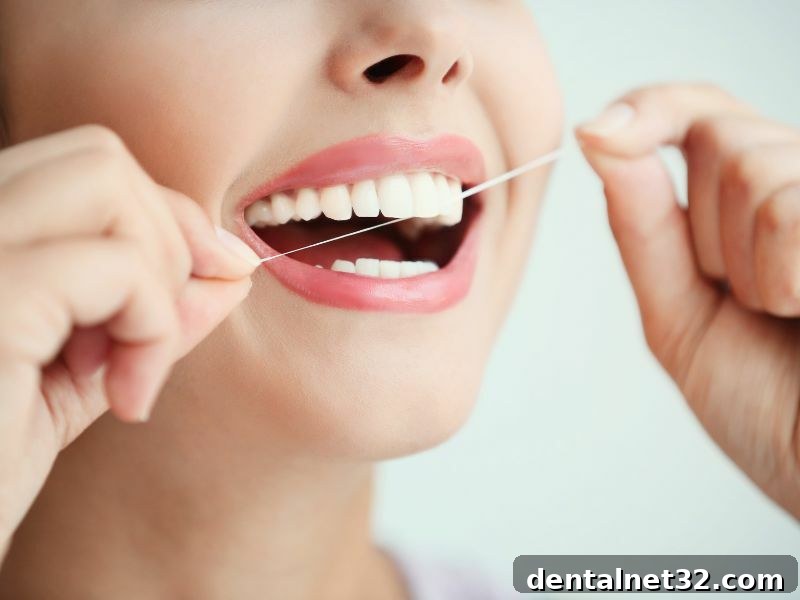
- Meticulous Oral Hygiene: Brushing twice a day and flossing daily removes the bacterial plaque that causes the inflammation leading to bone loss.
- Regular Professional Care: Routine dental cleanings and check-ups allow professionals to remove hardened plaque (calculus) and monitor the health of your bone and gums.
- Balanced Nutrition: A diet rich in calcium and vitamin D provides the essential building blocks for strong, healthy bones.
- Avoid Tobacco Products: Smoking impairs circulation to the gums, compromises the body’s immune response, and is a major risk factor for severe periodontal disease and bone loss.
Conclusion: The Foundation for a Lifetime of Healthy Smiles
The supporting alveolar bone, with its dual structure of strong compact bone and adaptive cancellous bone, is a masterpiece of natural design. It provides the unwavering foundation that our teeth rely on every single day. From dictating the effectiveness of local anesthesia to determining the success of a dental implant, its anatomy and health are central to nearly every aspect of dentistry. By appreciating the complexity and importance of this hidden structure, we can better understand the profound value of preventive dental care in preserving not just our teeth, but the very foundation upon which our smiles are built.
This article is for general information and does not replace an examination by a licensed dentist.