
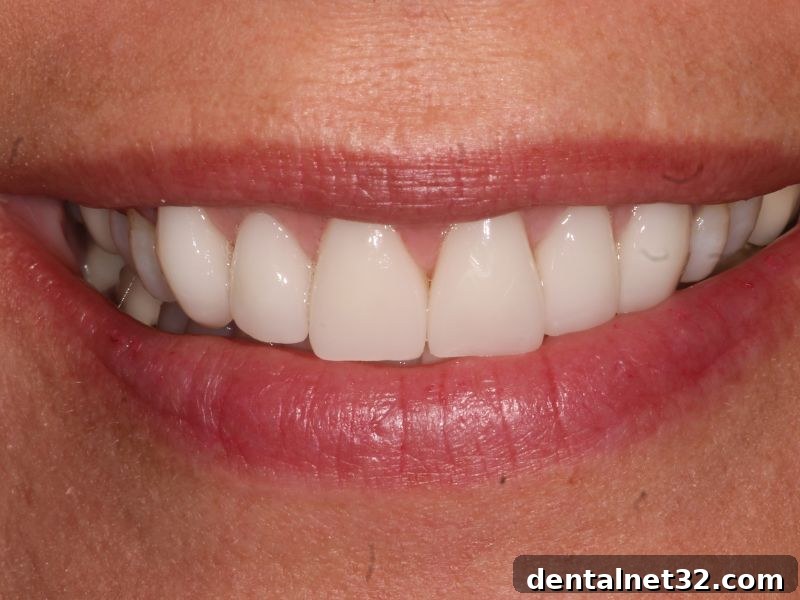
A brilliant, white smile can be a significant confidence booster, transforming how you feel and interact with the world. Teeth whitening is a highly effective and popular cosmetic dental procedure that removes years of stains, revealing a brighter you. However, the journey to a lasting bright smile doesn’t end when you leave the dentist’s chair. To protect your investment and maintain those stunning results, it’s crucial to be mindful of your diet, especially in the first 48 hours following the treatment. This period is critical for ensuring the longevity of your newly whitened teeth.
This comprehensive guide will explore the best practices for post-whitening care. We’ll delve into the science behind tooth discoloration, provide a detailed list of foods and beverages to avoid, and present a “white diet” of safe and delicious options. We will also explain how the professional team at Sninski & Schmitt can help you achieve and maintain the radiant smile you’ve always desired.
Understanding the Causes of Tooth Discoloration
Tooth discoloration is rarely caused by a single factor; it’s typically a cumulative effect of lifestyle, diet, and oral hygiene habits over many years. Understanding what causes stains in the first place is the first step toward preventing them in the future. There are generally two categories of stains: extrinsic and intrinsic.
Common Causes of Extrinsic (Surface) Stains
Extrinsic stains affect the outer layer of the tooth, the enamel. These are the most common types of stains and are often the easiest to remove with professional whitening. The primary culprits include:
- Dark-Colored Beverages: Coffee, tea, and red wine are notorious for staining teeth. They contain potent compounds called tannins and chromogens, which are dark pigments that latch onto tooth enamel, leading to a dull, yellow, or brown appearance over time.
- Sugary and Acidic Drinks: Sodas, sports drinks, and even certain fruit juices are high in both sugar and acid. The acid erodes and weakens the enamel, making it more porous and susceptible to staining from other sources. Dark-colored colas deliver a double blow of acid and staining pigments.
- Poor Oral Hygiene: Inconsistent or improper brushing and flossing allow plaque—a sticky film of bacteria—to build up on your teeth. This plaque can harden into tartar and readily absorbs stains from the food and drinks you consume.
- Tobacco Use: Whether smoking cigarettes or using chewing tobacco, the tar and nicotine in these products create stubborn, deep-set yellow and brown stains that can be very difficult to remove.
Factors Behind Intrinsic (Internal) Stains
Intrinsic stains originate from within the tooth structure, affecting the dentin layer beneath the enamel. These stains are less responsive to topical whitening treatments. They can be caused by trauma to a tooth, certain medications taken during childhood (like tetracycline), or excessive fluoride exposure. Age is also a factor, as enamel naturally thins over time, revealing the more yellow-colored dentin underneath.
If your teeth have been affected by any of these factors, a professional teeth whitening treatment from Sninski & Schmitt Family Dentistry can dramatically improve their appearance. Once you’ve completed the procedure, protecting your results through a careful diet is paramount.
The Critical 48-Hour Window: Why Your Diet Matters
Teeth whitening treatments work by using a peroxide-based agent to open the microscopic pores (tubules) in your enamel to lift stains out. Immediately after the procedure, these pores remain temporarily open, making your teeth exceptionally porous and highly susceptible to absorbing new pigments. Think of your enamel as a sponge. For the first 48 to 72 hours, this sponge is ready to soak up any color it comes into contact with. This is why adhering to a “white diet” is not just a suggestion but a crucial step for success.
Foods and Beverages to Avoid After Teeth Whitening
To safeguard your new smile, you must strictly avoid any foods or drinks that could stain a white t-shirt. These items contain strong natural or artificial pigments that can quickly reverse the effects of your whitening treatment. Here is a detailed list of what to stay away from for at least two days.
Coffee & Tea: This is often the hardest for many people, but it’s non-negotiable. Both coffee and dark teas are rich in tannins that cause significant staining. Even a small amount can compromise your results in the early stages.
Red and White Wine: While red wine’s dark pigments are an obvious threat, white wine is also problematic. Its high acidity can further erode enamel, effectively priming your teeth to pick up stains from other foods you might eat alongside it.
Dark Fruits and Juices: Berries like blueberries, blackberries, cherries, and pomegranates are packed with staining pigments. Avoid them whole, in juices, or in smoothies. Any deeply colored fruit should be off-limits.
Soft Drinks & Sports Drinks: Dark-colored sodas are loaded with staining dyes, sugar, and acid. Even light-colored or clear sodas should be avoided due to their high acidity, which weakens enamel. Stick to water.
Dark Sauces & Condiments: Be wary of sauces. Tomato sauce, soy sauce, balsamic vinegar, mustard, and curry-based sauces are all potent sources of stains. Opt for white, cream-based sauces instead.
Candy & Chocolate: Hard candies, chocolates, and any sugary treats with artificial coloring should be avoided. The sugar feeds plaque-causing bacteria, and the dyes can easily settle into your porous enamel.
Your “White Diet”: Safe Foods and Drinks to Enjoy
Now for the good news! There are plenty of delicious and healthy options you can enjoy while protecting your smile. Your post-whitening diet should consist of light-colored or colorless foods and beverages.
Water: Your number one choice. It keeps you hydrated, cleanses your mouth, and poses zero risk of staining. It’s the perfect beverage for your oral and overall health.
Lean Proteins: Skinless chicken and turkey, white fish (like cod or haddock), and tofu are excellent protein sources that are completely safe for your newly whitened teeth. Avoid heavily colored seasonings.
Light-Colored Fruits & Vegetables: You can freely enjoy bananas, pears, peeled apples, cauliflower, potatoes (without the skin), and mushrooms. These are nutritious and pose no threat to your white smile.
White Cheese & Plain Yogurt: Dairy products like plain yogurt, white cheeses (such as mozzarella or provolone), and cottage cheese are great choices. They are also rich in calcium, which helps strengthen your teeth. Avoid colored cheeses and flavored yogurts.
Grains and Pastas: White rice, white pasta with a cream or oil-based sauce, oatmeal, and bread (with crusts removed) are all safe bets for your meals.
Clear Liquids: Besides water, you can have milk, clear coconut water, or clear sparkling water to add some variety to your beverage options.
Contact Sninski & Schmitt Family Dentistry to Schedule Your Teeth Whitening Appointment
Achieving a beautiful, white smile is a partnership between you and your dental team. For professionals who are dedicated to helping you get the results you want while ensuring the long-term health of your teeth and gums, trust the experts at Sninski & Schmitt Family Dentistry. We provide a full range of services, from state-of-the-art cosmetic dentistry to comprehensive family dentistry, to meet all your oral health needs. We welcome new patients and accept a wide variety of insurance plans to make your dental care accessible. To begin your journey to a more radiant smile, call our Holly Springs dentist office at (919) 600-6262 or our Cary, NC dentist office at (919) 467-2203. You can also fill out our online contact form to schedule an appointment today.