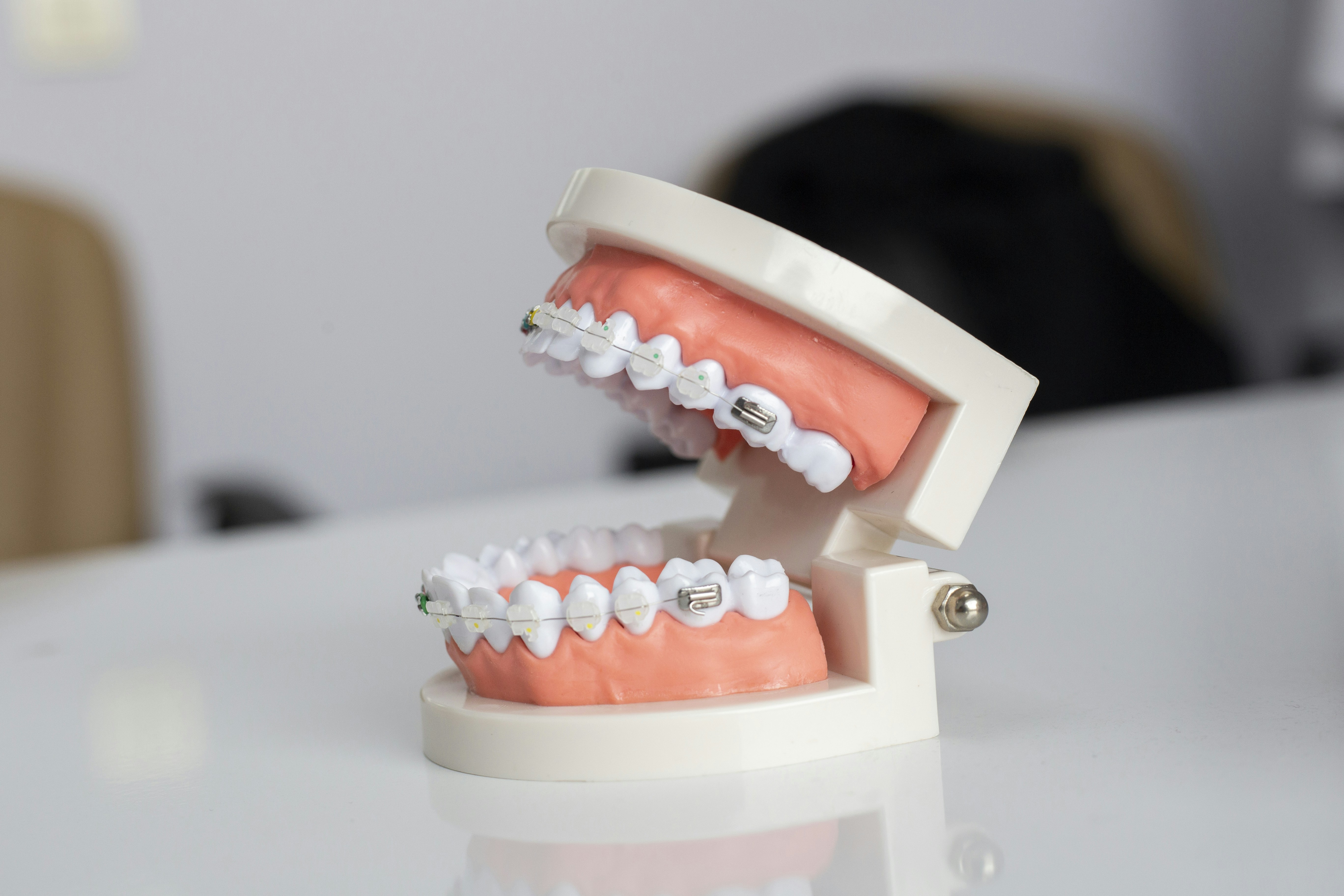
Introduction to Space Maintainers
Space maintainers are crucial dental devices primarily utilized in pediatric dentistry to ensure the proper alignment and spacing of teeth in growing children. These appliances are designed to preserve the space left by a lost primary (baby) tooth until the permanent tooth emerges. The absence of a primary tooth can lead to adjacent teeth shifting into the vacant space, potentially causing misalignment, overcrowding, or other orthodontic issues as the child develops. Consequently, space maintainers are vital not only for cosmetic purposes but also for the overall oral health of children.
The need for space maintainers typically arises when a child’s primary teeth are prematurely lost due to decay, trauma, or other dental conditions. Depending on the specific situation, the dentist may recommend different types of space maintainers. Fixed space maintainers, for instance, are cemented onto the adjacent teeth and remain in place until the permanent tooth has erupted. In contrast, removable options are designed to be taken out by the child or their caregiver, offering flexibility and ease of cleaning.
In the context of documenting these treatments, dental codes play a fundamental role. Each dental procedure, including the placement of space maintainers, is assigned a specific code that helps dental professionals communicate about services rendered accurately and streamline billing processes. These codes ensure consistent terminology across the field and allow for effective tracking of treatment outcomes. The recent update to the space maintainer dental code reflects ongoing advancements and refinements within the dental industry, emphasizing the significance of space maintainers and their application in pediatric care. Understanding these codes is essential for practitioners to deliver appropriate care and maintain comprehensive patient records.
The Need for Space Maintainers
Space maintainers play a critical role in pediatric dentistry, particularly for children who have experienced premature tooth loss. The need for these devices arises primarily from the natural progression of dental development. When a primary tooth is lost too early due to decay or injury, the surrounding teeth may start to drift into the empty space. This shifting can lead to misalignment, which poses several challenges that can affect not only the aesthetics of the smile but also the overall function of the teeth.
One of the primary purposes of a space maintainer is to hold the position of the lost tooth. This preservation of space helps ensure that there is adequate room for the eruption of permanent teeth. If appropriate space is not maintained, the permanent teeth may have to fight against neighboring teeth that have already shifted, potentially resulting in the need for orthodontic intervention later in life. By utilizing a recement space maintainer dental code compliant device, dentists can effectively mitigate this risk, thus maintaining alignment and creating a better dental outcome for the child.
Moreover, space maintainers serve an essential function in the overall dental health of young patients. Early tooth loss can lead to dental problems that extend beyond misalignment. For instance, the absence of teeth can affect chewing, speaking, and even facial development as a child grows. By employing space maintainers, dental professionals can ensure that children are able to eat and speak properly, which contributes significantly to their quality of life.
Overall, the need for space maintainers is undeniable. They not only serve to preserve necessary space for permanent teeth but also reinforce dental health. Addressing premature tooth loss with appropriate dental codes and preventive strategies is essential for fostering proper growth and development in children.
Recent Changes in Dental Coding for Space Maintainers
The landscape of dental coding is continually evolving, with recent changes specifically affecting the coding for space maintainers. These updates aim to provide clarity and enhance the billing process for dentists. The American Dental Association (ADA) periodically reviews and revises the Current Procedural Terminology (CPT) codes, ensuring that they accurately reflect the services rendered to patients. Recently, there have been significant updates affecting the recement space maintainer dental code, aimed at addressing various aspects of billing and the modifications made to existing procedures.
One of the notable changes is the differentiation between various types of space maintainers. Dentists are now required to specify whether the procedure involves primary teeth or a mixed dentition scenario. This specificity not only aids in proper billing but also enhances the understanding of dental procedures among insurance providers and patients alike. Consequently, dentists need to stay informed about these alterations to minimize billing discrepancies and ensure that they can receive appropriate reimbursements for their services.
Patients, on the other hand, benefit from these coding changes through improved transparency regarding their dental treatments and associated costs. When a dentist provides clarity on the recement space maintainer dental code used, patients can better understand their treatment options and potential out-of-pocket expenses. Furthermore, dental health practitioners are encouraged to communicate any changes in coding practices to their patients to create a more comprehensive treatment dialogue, which factors in the nuances of the updated codes.
In the wake of these changes, dental professionals are advised to familiarize themselves with the latest coding manuals and resources to ensure compliance and better service delivery. This vigilance will ultimately contribute to a more efficient dental practice, benefitting both the provider and the patient significantly.
Understanding the New Dental Code
The recent updates to the dental code encompass various aspects of dental care, particularly with the introduction of a specific code for space maintainers. The recement space maintainer dental code is indicative of the evolving needs in pediatric dentistry, addressing the necessity of maintaining space for permanent teeth in growing children. The code carries a specific number which professionals can utilize for proper billing and record-keeping, thus ensuring a standardized approach to dental treatments across practices.
The newly established code serves an essential purpose: it formalizes the procedure of recementing space maintainers, which are crucial in preventing the misalignment or shifting of teeth due to premature loss of primary teeth. Unlike previous codes, which might have broadly covered dental procedures or been less specific, this new code clarifies that it pertains directly to the procedure of recementing these dental devices. This specificity helps in accurate patient assessments, claims submissions, and health insurance reimbursement processes.
Furthermore, adopting this recement space maintainer dental code plays a crucial role in enhancing communication among dental professionals. By using a consistent coding framework, dentists can accurately describe the treatment rendered, ensuring that other healthcare providers involved in the patient’s care are fully informed. This can ultimately lead to improved patient outcomes as children receive the appropriate dental care necessary to support healthy development.
In delivering insights into the new dental code, it is paramount for practitioners to familiarize themselves with this recent update and its implications for pediatric dentistry. As the landscape of dental services continues to evolve, keeping abreast of these changes is essential for the effective management and delivery of care to young patients.
Billing and Insurance Implications
The introduction of the recent space maintainer dental code has significant implications for billing practices in dental care. Accurate coding is essential not only for straightforward reimbursement processes but also for ensuring that patients receive appropriate insurance coverage. Dental practices must familiarize themselves with the updated coding requirements to navigate these changes effectively.
Insurance providers often assess claims based on the specific codes submitted. Therefore, the recement space maintainer dental code must be used consistently and accurately to improve the likelihood of claim acceptance. Misidentification of the procedure or utilizing outdated codes can lead to delayed reimbursements or even denials. It is critical for dental professionals to understand the nuances of how this new code interacts with different insurance plans since coverage may vary widely depending on the provider.
Additionally, dental practices need to stay informed about the adjustments in reimbursement rates tied to the recement space maintainer dental code. As insurance companies adapt to the most current coding updates, they might alter their reimbursement policies, impacting the financial operations of dental offices. Therefore, a thorough review of insurance contracts is advisable to anticipate any changes in payment schedules and to leverage the coding benefits effectively.
Moreover, patient education is paramount in this process. Dental practices should proactively communicate how the recement space maintainer dental code affects their treatment plans and potential out-of-pocket expenses. This transparency can enhance patient trust and satisfaction. Overall, the successful integration of the new coding system into billing practices will rely on diligent adherence to coding guidelines, continual education for dental staff, and clear communication with insurance providers and patients alike.
Practical Steps for Dentists Facing the New Code
The introduction of the recent space maintainer dental code has necessitated that dental practices proactively adapt to the changes. Dentists must prioritize thorough documentation to ensure compliance with the new regulations. This begins by updating patient records to accurately reflect the treatment provided under the new coding guidelines. Each procedure should include detailed notes that specify the type of space maintainer used, the rationale for its application, and any pertinent patient history that justifies the treatment. Accurate documentation not only supports billing processes but also protects practices in the event of audits.
Furthermore, training staff on the nuances of the recent space maintainer dental code is imperative. This includes front office staff who handle insurance billing and scheduling as well as clinical staff involved in patient care. Workshops or continuing education sessions can be beneficial in ensuring that all team members are familiar with the updated codes and their applications. Incorporating these trainings into regular staff meetings can help reinforce the importance of compliance and keep everyone informed about any further updates.
Additionally, dentists should consider implementing a system for ongoing compliance checks within their practice. This could involve periodic reviews of billed services against the documentation to ensure that the new coding is being applied correctly. Technology can aid in streamlining this process; for instance, utilizing software that automatically alerts staff to updated coding regulations could mitigate discrepancies and enhance accuracy in billing.
By being proactive in documentation, providing comprehensive staff training, and ensuring ongoing compliance, dental professionals can effectively navigate the challenges posed by the recent space maintainer dental code. These steps not only facilitate smoother operations within the practice but also enhance the overall quality of patient care.
Patient Communication About Space Maintainers
Effective communication with patients and their families regarding the necessity and benefits of space maintainers is essential in fostering understanding and acceptance of such dental procedures. A space maintainer is a crucial dental device used primarily in pediatric dentistry to hold the space for permanent teeth following premature loss of a primary tooth. Hence, clear communication about its purpose and function is vital in encouraging patients, especially parents, to agree to the treatment.
One of the first steps in this communication strategy involves educating patients about the significance of maintaining space. Explain that teeth naturally follow one another as they grow, and the early loss of primary teeth can lead to shifting or crowding of adjacent teeth. By using terms familiar to patients and their families, dental professionals can emphasize that a space maintainer ensures proper alignment and prevents future orthodontic complications, which may require more intensive treatment.
Moreover, visuals can be a powerful tool in enhancing understanding. Demonstrating models or providing brochures that outline how a recement space maintainer dental code reflects its usage in clinical practice can be extremely helpful. Such materials can illustrate the device’s placement and its role in maintaining the arch form until the eruption of permanent teeth. This visual aid can greatly demystify the procedure, reducing anxiety and fostering a collaborative environment where patients feel informed and included in their dental choices.
Additionally, addressing potential concerns and questions is crucial. Engaging in open dialogue about the treatment plan, expected duration, maintenance, and any discomfort associated with space maintainers can alleviate fears. Regular follow-up appointments should be framed as opportunities for ongoing education about the space maintainer’s role, reinforcing its purpose and benefits. By prioritizing patient education, dental professionals can enhance the overall patient experience, ensuring that both patients and their families are well-informed and comfortable with their treatment decisions.
Case Studies: Successful Use of Space Maintainers
Space maintainers are essential in pediatric dentistry, as they preserve the arch space for permanent teeth when primary teeth are lost prematurely. This section highlights several clinical case studies that demonstrate the successful application of space maintainers using the recent dental codes, effectively showcasing positive outcomes achieved through their appropriate use.
In one notable case, a seven-year-old patient presented with a missing primary molar due to early extraction caused by decay. The dentist, adhering to the recement space maintainer dental code, opted for a bilateral lower resin-bonded space maintainer. By addressing the issue promptly, the dentist ensured that the adjacent teeth remained aligned during the eruption of permanent molars, demonstrating the significance of timely intervention in maintaining dental arch integrity. Following a follow-up period of six months, the orthodontic evaluation revealed that the space maintainer successfully preserved the space, allowing for proper alignment of the patient’s future permanent teeth.
Another case involved a young patient with a history of dental trauma, resulting in the loss of two adjacent primary incisors. The practitioner utilized a fixed anterior space maintainer, in keeping with the guidelines set forth by the recent space maintainer dental code. Throughout the two-year monitoring period, clinical and radiographic assessments indicated that the space maintainer effectively prevented drift of the adjacent teeth. Furthermore, the patient’s confidence improved significantly as their smile was aesthetically enhanced during a critical developmental phase.
The successful outcomes observed in these case studies reinforce the critical role of space maintainers in modern pediatric dentistry. By utilizing the proper recement space maintainer dental code and following thorough patient management protocols, dental practitioners can ensure successful treatment outcomes. The incorporation of these devices not only maintains space but also contributes positively to the overall dental health of younger patients.
Future of Space Maintainers and Dental Coding
The landscape of dental care is evolving rapidly, influenced by advances in technology, changes in clinical practices, and the development of new materials. As we look to the future, space maintainers will likely undergo significant transformations, driven by these trends. Innovations in 3D printing technology, for instance, could lead to more tailored and efficient space maintainers, allowing for faster production and improved patient outcomes. These developments may also prompt a reevaluation of the recement space maintainer dental code, as the industry adapts to accommodate new fabrication methods and materials.
Moreover, increased emphasis on preventive dentistry is expected to shape the future of space maintainers. Dentists are now more focused on maintaining the natural space and alignment of teeth. This may lead to more robust protocols for the design and application of space maintainers, ensuring that they serve their purpose while also considering the aesthetic outcomes for patients, especially in pediatric dentistry. In this context, the dental coding system will need to align with these evolving practices to accurately reflect the services provided.
Research and clinical trials will also contribute to the advancement of space maintainers. As dental professionals gather data on the efficacy and longevity of various types of maintainers, there may be a push towards standardized coding that reflects evidence-based practices. This could entail the introduction of additional codes or modifications to existing ones, such as the recement space maintainer dental code, thus enhancing the clarity and specificity of dental billing procedures.
Ultimately, the future of space maintainers and dental coding is poised for growth, reflecting ongoing changes in technology, research, and clinical practice. As these elements converge, the dental industry will continue adapting, ensuring that both practitioners and patients benefit from enhanced care strategies and efficient coding systems.
