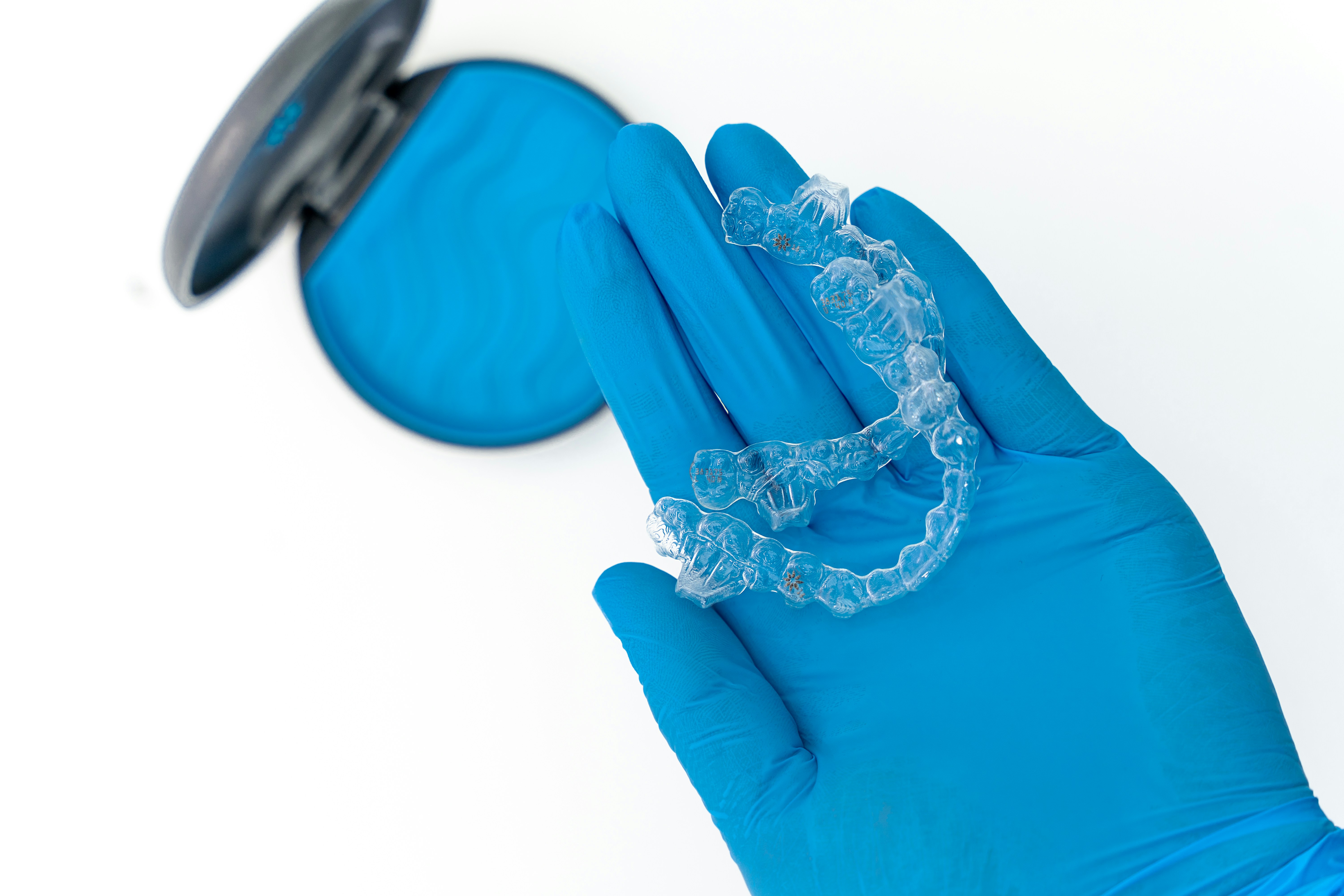
Introduction to Occlusal Guards
Occlusal guards, also known as bite guards or dental night guards, are custom-made dental appliances designed to cover the occlusal surfaces of the teeth. Their primary purpose is to protect the teeth from the damaging effects of conditions such as bruxism, which is characterized by the involuntary grinding or clenching of teeth, often occurring during sleep. Occlusal guards serve as a barrier between the upper and lower teeth, preventing direct contact and thus reducing the risk of wear, fractures, and other dental issues that may arise from excessive grinding.
Furthermore, occlusal guards play a significant role in addressing temporomandibular joint (TMJ) disorders. These disorders can lead to pain and discomfort in the jaw, head, and neck, as well as difficulties in chewing and speaking. By providing a cushion for the teeth, occlusal guards can help alleviate pressure on the jaw joints, contributing to overall oral health and comfort. Individuals suffering from symptoms associated with TMJ disorders, such as jaw pain, clicking sounds during movement, or limited jaw mobility, may find relief through the use of an occlusal guard.
Typically, occlusal guards are recommended for patients who exhibit signs of bruxism or TMJ dysfunction. They are particularly beneficial for individuals who experience frequent headaches, tooth sensitivity, or facial pain linked to these conditions. The adjustment of the occlusal guard can be coded for billing and insurance purposes, identifying it under the appropriate dental code for occlusal guard adjustment. Such coding ensures that patients can access necessary care while helping dental professionals streamline their treatment processes. By utilizing occlusal guards, patients can significantly improve their oral health and enhance their quality of life.
What Is a Dental Code?
Dental codes are standardized alphanumeric designations that serve as a universal language to identify dental procedures and treatments. These codes are essential for communication between dental professionals, patients, and insurance companies, playing a crucial role in the billing and claims process. Each procedure performed in the dental practice has an associated code, which helps in accurately describing the services rendered. This coding system not only provides clarity but also ensures that services are billed appropriately, facilitating efficient reimbursement from insurance providers.
The most widely utilized coding system is the Current Dental Terminology (CDT) codes, developed by the American Dental Association (ADA). This coding framework encompasses a range of dental services, from preventive care to advanced restorative procedures. For instance, when a dentist provides an occlusal guard adjustment, a specific dental code for occlusal guard adjustment is used to denote this service. This precise coding aids dental practices in submitting accurate claims, thus expediting the reimbursement processes.
Moreover, dental codes serve a significant function in documenting patient care. They provide a systematic way of recording the services provided during a patient’s visit, which is essential for both treatment continuity and comprehensive patient records. When dental codes are properly utilized, they also enhance the transparency of dental billing practices, as patients can better understand the charges associated with their care.
In essence, dental codes are paramount in the dental profession, ensuring accurate representation of services for billing purposes while maintaining the integrity of patient records. Understanding how these codes, including the dental code for occlusal guard adjustment, function is vital for all stakeholders in the dental care process.
The Importance of Occlusal Guard Adjustment
Occlusal guards, often prescribed for patients suffering from bruxism or temporomandibular joint disorders (TMD), serve a critical role in protecting the teeth and maintaining oral health. However, after their initial fitting, many patients find that adjustments to these guards are necessary for several compelling reasons. Primarily, comfort is a significant factor. A dental code for occlusal guard adjustment is sometimes required to ensure that the guard fits correctly over the changing contours of the patient’s mouth. Without proper adjustment, patients may experience discomfort that can lead to decreased compliance with wearing the guard, ultimately undermining its purpose.
Functionality is another essential aspect that requires attention during the adjustment process. The occlusal guard must adequately interact with opposing teeth to prevent any misalignment that could exacerbate existing dental issues. The dental code for occlusal guard adjustment would often be utilized to modify the guard’s structure, ensuring it aligns well with the patient’s unique dental anatomy. As patients age or undergo dental procedures, such as the loss of teeth or changes in their bite, the initial fitting may no longer suffice, necessitating timely adjustments to restore optimal function.
Furthermore, dental anatomy can change over time due to natural wear, orthodontic treatment, or other health factors. This dynamic nature of oral structures means that a once well-fitting occlusal guard may become ineffective, leading to increased pressure on the jaw and associated discomfort or pain. By recognizing the importance of regular adjustments and understanding the dental code for occlusal guard adjustment, dental professionals can ensure that patients maintain both comfort and functionality over the long term. This proactive approach ultimately contributes to better oral health outcomes for those relying on these devices.
Common Dental Codes for Occlusal Guard Procedures
In the realm of dental care, occlusal guards are essential for protecting teeth and alleviating the symptoms of conditions such as bruxism. To streamline the billing and administrative processes associated with occlusal guard adjustments, various dental codes are used. These codes are standardized, providing clarity for dental professionals, insurance companies, and patients alike.
One of the primary codes employed in the fabrication of an occlusal guard is the D9944. This dental code pertains specifically to occlusal guard therapy and includes the creation of the device tailored to a patient’s dental physiology. Following the initial fabrication, adjustments made to the guard may be billed under code D9945, which accounts for the occlusal guard adjustment procedure. This adjustment may be necessary due to shifts in dental structure or changes in the patient’s bite over time.
In certain cases, occlusal guards may require repairs due to wear or damage. For these scenarios, the dental code D9946 is used to specify the repair of an occlusal guard. Understanding these specific dental codes for occlusal guard adjustments is crucial for optimal billing practices and ensuring that both the patient and the dental office navigate their financial responsibilities clearly.
Additionally, dental professionals might use the code D8470 for occlusal guard fabrication in a case of tooth loss that affects occlusion. This highlights the versatility and importance of the occlusal guard in dental treatment plans. By familiarizing themselves with these codes, practitioners can facilitate smoother transactions with insurers and maintain accurate records for their patients.
In conclusion, understanding the various dental codes associated with occlusal guard procedures not only aids in accurate billing but also reinforces the role that these devices play in comprehensive dental care, ultimately enhancing patient outcomes.
How to Identify the Need for Adjustment
Proper assessment of the occlusal guard is crucial for its effectiveness and the overall well-being of the patient. There are several signs and symptoms that indicate when an adjustment may be necessary. One of the foremost indicators is discomfort. Patients often describe a tight or painful sensation when wearing their occlusal guard, which can suggest that the guard is not fitting properly. This discomfort may manifest as soreness in the gums or teeth, prompting individuals to seek professional advice.
Another common symptom is difficulty in biting. If a patient experiences uneven pressure or finds it challenging to bite down comfortably, this could signal that the dental code for occlusal guard adjustment should be considered. An improper fit may lead to altered occlusion, which in turn can affect the alignment of the teeth and the jaw, exacerbating discomfort and other dental issues.
Wear patterns on the occlusal guard also provide valuable insights. If the guard is showing excessive wear or if there are unusual markings that differ from normal wear, this could indicate that adjustments are needed. These patterns can suggest that the guard is either too thick or too thin in certain areas, leading to an imbalance in occlusion during use. Additionally, any changes in the patient’s dental health—such as tooth sensitivity, the development of new cavities, or gum issues—may further necessitate a re-evaluation of the guard’s fit and effectiveness.
It is essential for patients to remain vigilant regarding any changes in their oral health following the use of an occlusal guard. Regular check-ups with a dentist can ensure that any required adjustments, including those indicated by the dental code for occlusal guard adjustment, are made promptly. This proactive approach can help maintain both dental health and the functional integrity of dental appliances.
Procedure for Adjusting Occlusal Guards
Adjusting occlusal guards is a vital process that dental professionals undertake to ensure the optimal fit and functionality of these devices. The procedure typically begins with a comprehensive examination of the guard and the patient’s occlusion. Dental practitioners often utilize specialized tools such as articulating paper to determine high spots on the occlusal guard where it may not be making proper contact with the opposing teeth. This initial assessment is crucial to identify areas that require modification.
Once the problematic areas have been identified, the dentist will carefully mark them for adjustments. The next step involves the use of motorized adjustments like a high-speed handpiece equipped with appropriate burs, as well as manual tools such as acrylic burs and polishing points. The dental code for occlusal guard adjustment is relevant here, as it allows for proper documentation of the services provided. The practitioner will meticulously reshape the areas marked, ensuring the guard is adjusted to fit comfortably and securely.
After completing the adjustments, the dentist will re-evaluate the fit of the occlusal guard. This assessment often involves the patient clenching their teeth to see if the guard allows for natural occlusion without discomfort. If any further adjustments are needed, they will be made at this stage. Once the professional is satisfied with the fit, they may polish the adjusted areas to smooth any rough edges that could cause irritation in the mouth.
Following the adjustment, it is important for the dental professional to provide the patient with care instructions. This may include recommendations on how to properly clean the occlusal guard, signs to watch for regarding fit or comfort issues, and the importance of regular follow-ups to assess ongoing fit and functionality. Ensuring these steps are meticulously followed helps maintain the longevity and efficacy of the occlusal guard.
Documentation and Record-Keeping
Proper documentation and record-keeping are critical elements in the context of dental procedures, particularly when dealing with occlusal guard adjustments. Accurate records play a vital role in ensuring that adjustments are properly managed and followed up on, thereby optimizing patient outcomes. It is essential to document each adjustment thoroughly, including the date, type of adjustment made, specific concerns of the patient, and any changes in symptoms or responses following the adjustment. This level of detail not only facilitates effective patient care but also serves as a reliable reference for future treatments.
In addition to enhancing the quality of care, comprehensive documentation is pivotal when it comes to processing insurance claims. Insurance companies often require detailed records to validate and reimburse claims related to dental procedures, including those pertaining to occlusal guard adjustments. By accurately documenting the procedures performed, dental providers can streamline the claims process, reducing the likelihood of denials or disputes with insurers. The documentation should encompass the dental code for occlusal guard adjustment, which offers a standardized reference point for both billing and clinical practices.
Moreover, keeping patient records accurate benefits the dental practice as a whole. It allows for the measurement of treatment efficacy over time and can assist in identifying patterns that may require clinical attention. Furthermore, these records can provide invaluable data for legal protection in the event of inquiries or claims against the dental provider. In essence, diligent documentation not only enhances individual patient care but also contributes to the overall integrity and efficiency of the dental practice. It is a cornerstone of professional practice that fosters trust between patients and their dental professionals.
Insurance Considerations for Occlusal Guard Adjustments
Understanding how insurance companies view dental codes for occlusal guard adjustments is crucial for patients seeking this treatment. Typically, occlusal guards are custom devices designed to align the bite and reduce stress on jaw muscles, which can require periodic adjustments. However, when it comes to insurance coverage for these adjustments, processes can vary significantly among different providers.
Most insurance plans may consider occlusal guard adjustments to be a standard procedure covered under the dental codes pertaining to orthopedic and restorative treatments. However, coverage limits often apply, and not all adjustments may be deemed medically necessary by the insurance provider. Patients should verify their specific policy to understand the particulars, including any potential co-pays or deductibles that may be applicable when accessing these services.
If an individual requires a dental code for occlusal guard adjustment and needs pre-authorization from their insurance, it is advisable to initiate this process as early as possible. Dental offices often assist in submitting the necessary documentation and codes that support the medical necessity of the adjustment. Being proactive can help mitigate unexpected expenses and clarify coverage details before any procedure is undertaken.
Additionally, patients should be aware that if their insurance does not cover the adjustment or if the coverage is insufficient, they can explore options for payment plans or financing through their dental provider. Discussing these scenarios with a dental office can aid in navigating the financial implications, providing patients with a clearer understanding of their options for managing out-of-pocket costs associated with occlusal guard adjustments.
Conclusion and Best Practices
In this discussion concerning the dental code for occlusal guard adjustment, we have delved into the significance of proper adjustments to these critical dental appliances. Occlusal guards serve to alleviate discomfort and protect the teeth, particularly for individuals prone to teeth grinding or jaw clenching. Early and timely adjustments based on the dental code ensure the guard functions effectively, preventing potential complications such as misalignment or undue stress on the jaw muscles.
Best practices for patients regarding occlusal guard adjustments include regular consultations with their dental care provider. It is essential for patients to communicate any discomfort or changes they experience while using the guard. Documentation is vital throughout this process, and both practitioners and patients should maintain thorough records of adjustments made, associated codes used, and any changes in symptoms or conditions. This approach not only supports tailored treatment plans but also fosters an environment of proactive dental care.
For dental practitioners, consistent monitoring and evaluation of the occlusal guard’s fit and function are paramount. Utilizing the dental code for occlusal guard adjustment not only assists in billing and insurance processes but helps maintain a systematic approach to patient care. Keeping abreast of changes in dental codes related to occlusal guards will ensure practitioners are well-informed and compliant with current best practices. Enhanced communication with patients about the necessity for adjustments can also improve adherence and satisfaction.
In summary, the dental code for occlusal guard adjustment plays a crucial role in both treatment effectiveness and administrative processes. By implementing the aforementioned best practices, both patients and practitioners can ensure optimal care and maintain dental health over time.
