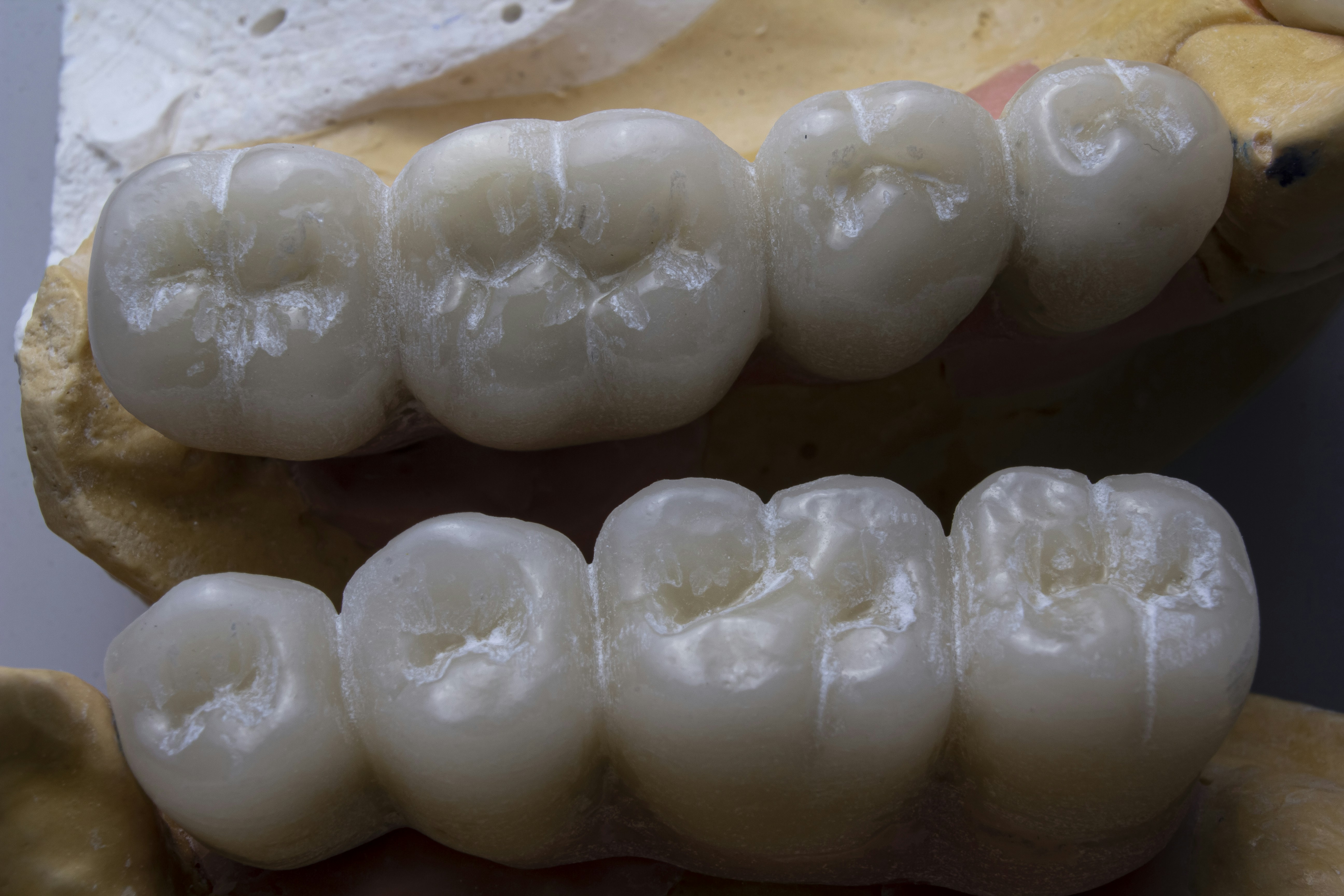
Introduction to ADA Dental Codes
The American Dental Association (ADA) dental codes, commonly referred to as the Current Dental Terminology (CDT), serve a crucial role in the realm of dentistry. These codes are standardized alphanumeric designations that categorize various dental procedures, facilitating clear communication among dental professionals, insurance companies, and patients. The significance of ADA dental codes lies in their ability to ensure consistency in documentation, treatment reporting, and billing practices across the dental industry.
Each code is designed to represent a specific dental procedure, which aids in the precise recording of services rendered. This structured approach not only helps in streamlining practice management but also serves the vital function of ensuring accurate reimbursement from insurance providers. For instance, when dentists perform procedures like recementing an implant crown, they utilize specific codes documented under the ADA guidelines to clearly convey the service provided. This practice minimizes misunderstandings between dentists and insurers regarding the nature of the treatment delivered.
The structure of ADA dental codes typically includes five characters, consisting of a letter followed by four numbers. Each segment of the code may reflect particular aspects of the procedure, such as the complexity, site, or nature of the treatment. Understanding how these codes are constructed is essential for dental professionals in accurately reporting services, which is especially relevant for procedures such as recementing implant crowns. By adhering to these coding conventions, dental practitioners can maintain compliance with regulatory requirements and enhance the clarity of records.
In summary, ADA dental codes play an integral role in dental practice management and patient care. These codes not only streamline communication but also ensure accurate billing and consistency in documentation, making them indispensable tools for dental professionals.
Overview of Implant Crowns
Implant crowns are dental prosthetics designed to replace the visible portion of a tooth that is supported by a dental implant. Unlike traditional crowns, which are typically placed over existing natural teeth, implant crowns are affixed to titanium posts surgically inserted into the jawbone. The purpose of these crowns extends beyond cosmetic restoration; they are essential for maintaining the integrity of jaw structure, facilitating proper biting and chewing functionality, and enhancing the overall aesthetic of the smile.
The placement of implant crowns involves a multi-step process. Initially, a dentist performs a comprehensive evaluation to determine if the patient is a suitable candidate for implants. After the surgical placement of the implant, which integrates with the jawbone in a process known as osseointegration, a healing period is required. Once fully healed, an abutment is attached to the implant, providing a secure base for the crown. The final step involves crafting and securing the customized crown, ensuring it matches the color and shape of the surrounding teeth.
One of the significant advantages of implant crowns over traditional crowns is their durability and longevity. Constructed from high-quality materials such as porcelain, ceramics, or resin, implant crowns offer increased resistance to wear and fractures. This durability is crucial as implant-supported restorations generally last longer than their traditional counterparts. Additionally, implant crowns do not rely on adjacent teeth for support, thereby preserving the health of surrounding dental structures and preventing unnecessary tooth alteration.
Furthermore, implant crowns contribute positively to oral health by reducing the risk of bone loss in the jaw area. As they stimulate natural bone growth, they help maintain facial structure and prevent the ‘sunken’ appearance often seen in individuals with missing teeth. Overall, understanding the benefits and procedures associated with implant crowns is integral for anyone considering dental restoration.
When is Recementing Necessary?
The recementing of an implant crown can become necessary due to various circumstances that compromise the integrity of the cementation. One common cause is wear and tear that occurs over time. The mechanical forces experienced during everyday functions like chewing can gradually weaken the bond between the crown and the dental implant, leading to a situation where recementing is needed. For example, patients who grind their teeth may experience a faster deterioration of the cement, increasing the likelihood of detachment.
Another significant factor that may necessitate recementing is debris accumulation. Food particles, plaque, and other remnants can build up around the margin of the crown and the implant. This accumulation can cause irritation to the surrounding gum tissue and can also lead to a loss of retention in the crown due to weakened bond integrity. If left unaddressed, this condition may lead to complications, where patients may experience discomfort or even infection, further emphasizing the need for recementing the implant crown.
Additionally, complications during the initial placement of the crown may also warrant recementing. If an error occurs during placement, such as inadequate mixing of the dental cement or misalignment of the crown, it can lead to premature failure of the bond. Patients might not notice these issues immediately, but they could manifest in discomfort or visible gaps in the gum tissue over time. Real-life scenarios illustrate that proactive monitoring and maintenance are essential to detect such issues early on, enabling timely recementing of the implant crown as necessary. Ultimately, understanding these conditions can help patients better maintain their dental health and ensure the longevity of their implant-supported restorations.
Defining the Recementing Procedure
The recementing procedure for an implant crown is a critical aspect of restorative dentistry. It involves several steps aimed at re-establishing a secure bond between the dental implant and the crown attached to it. Initially, a thorough assessment of the existing crown is conducted. The dental professional carefully examines the crown’s integrity, looking for any signs of wear, fracture, or underlying issues that may necessitate additional treatment or replacement.
Once the assessment is complete, the next step involves selecting the appropriate materials for the recementing process. Adhesive options typically include resin cements, which offer strong bonding capabilities and are preferred for their durability and compatibility with various crown materials. Dental professionals may also consider other types of luting agents, depending on the specific situation and the materials of both the implant and the crown. Ensuring that the correct materials are chosen is crucial for achieving the desired strength and longevity of the repair.
After selecting the materials, the dentist will then prepare the crown and the implant site. This preparation may include cleaning the surfaces to eliminate any residual old cement or debris that could compromise adhesion. Following this, the dental professional will apply the recementing material to the internal surface of the crown before carefully placing and aligning it over the implant post. Finally, the embrace or contact between the crown and implant is maintained using pressure or dental clamps until the cement sets, ensuring a secure bond. Such techniques are essential in adhering the crown back in place correctly, as this will influence the long-term success of the dental restoration.
In conclusion, the procedure of recementing an implant crown is a detailed process involving assessment, selection of materials, and meticulous application, all aimed at restoring the function and aesthetics of the dental implant efficiently.
The ADA Code for Recementing Implant Crowns
The American Dental Association (ADA) has established specific codes within its dental coding system to address various procedures, including the recementing of implant crowns. This particular procedure is essential for ensuring the longevity and stability of dental implants. The designated ADA dental code for recementing an implant crown is D6104. This code is reserved for the recementation of an existing implant crown that has previously been placed, indicating its role in maintaining the integrity of dental restorations.
Understanding the application of code D6104 is crucial for dental practitioners and their administrative teams. This code not only serves as a means of accurately documenting the procedure performed but also plays a significant role in the billing and reimbursement processes with insurance providers. Proper use of this ADA code ensures that dental professionals are compensated for their services involving recementing implant crowns, reflecting the necessity of such care in dental practice.
Within the broader context of dental coding systems, D6104 falls under a specific category dedicated to the management of dental implants and their associated restorative procedures. Such classification illustrates the importance of accurate coding in understanding patient care and managing insurance claims effectively. By consistently utilizing the appropriate ADA codes, practitioners can reduce errors in billing processes and streamline overall administrative tasks. It is imperative for dental offices to stay updated on changes or additions to ADA codes periodically, ensuring they provide the best possible service and care for their patients while adhering to industry standards.
In conclusion, the ADA dental code for recementing implant crowns, D6104, represents a key component of effective dental coding, helping facilitate insurance billing and enhance practice management in the field of implant dentistry.
Documentation and Record-Keeping
Effective documentation practices are crucial in the realm of dentistry, particularly concerning the recementing of implant crowns. Proper record-keeping not only helps in ensuring quality care but also serves important legal and administrative purposes. The ADA dental code provides guidelines that facilitate standardized reporting, which is essential for both practitioners and patients. Accurate documentation assists in substantiating the medical necessity of procedures like recementing an implant crown, which can be vital during insurance claim submissions and for legal defenses if required.
When a dental professional performs a recementing procedure, it is necessary to maintain detailed records of the patient’s clinical condition, the materials used, and the procedures performed. This documentation should include the date of the procedure, the specific ADA dental code related to recementing the implant crown, and notes on any complications or patient reactions. All pertinent patient data, including past dental history and the rationale for the recementing, should be clearly articulated. This not only supports the treatment process but also helps in tracking patient outcomes over time, allowing for better patient management and identification of any recurrent issues.
To facilitate effective record-keeping, dental practitioners should consider adopting a systematic approach that aligns with ADA guidelines. This could involve utilizing dental practice management software that ensures all records are up-to-date, securely stored, and easily retrievable. Regular audits of patient records can further ensure compliance with documentation standards. By staying diligent about maintaining accurate patient records and adhering to ADA coding recommendations, dental professionals not only protect themselves from potential legal pitfalls but also enhance their ability to deliver high-quality care to their patients.
Challenges in Recementing Implant Crowns
Recementing implant crowns can present various challenges that dental practitioners must navigate to ensure successful outcomes. One prominent issue is patient anxiety, which can affect both the patient’s experience and their cooperation during the procedure. Anxiety may stem from previous dental experiences or fear of discomfort associated with the recementing process. To mitigate this, practitioners can implement calming strategies, such as explaining the procedure in detail, allowing patients to ask questions, and providing assurances regarding comfort and pain management.
Material complications are another significant challenge when dealing with the ADA dental code recement implant crown. The choice of luting cement is crucial for achieving a secure and long-lasting bond. However, some materials may not adhere well to certain types of crowns or underlying structures, resulting in inadequate retention. The clinician should be familiar with the various properties of cements and their compatibility with specific materials used in implant crowns. Utilizing high-quality, proven adhesives can minimize the risk of bond failure.
Anatomical complexities can also pose difficulties during the recementing process. For instance, irregularities in the adjacent teeth or the morphology of the dental arch may hinder the proper placement of the crown. Therefore, a thorough assessment of the patient’s oral anatomy prior to the procedure is essential. Utilizing digital imaging technologies, such as cone-beam computed tomography (CBCT), can enhance the practitioner’s understanding of the anatomical nuances encountered, ultimately leading to more predictable results.
In addition to addressing these challenges, practitioners must stay abreast of evolving techniques and technologies in the field of dentistry to improve their approach to recementing implant crowns. This commitment to continued education will ultimately enhance patient outcomes and satisfaction.
Post-Procedure Care and Considerations
After undergoing the recementing of an implant crown, patients should be aware of various aspects that play a crucial role in ensuring the long-term success of the procedure. Initially, it’s essential to follow the post-procedure instructions provided by your dental professional, as these guidelines may vary based on individual cases and specific circumstances surrounding the recementing implant crown.
Typically, patients may be advised to avoid hard, sticky, or particularly hot foods for the first few days post-procedure to allow the dental cement used for recementing to set properly. It’s also recommended to refrain from using the treated side of the mouth for chewing to minimize any undue pressure on the newly recemented crown. This initial period is vital for ensuring the stability of the crown, as it needs adequate time to adhere thoroughly to the underlying structure.
Follow-up care is integral to maintaining the health of the recemented implant crown. Patients should schedule a follow-up appointment within a week or two after the procedure to allow the dentist to assess the crown’s stability and the overall health of the surrounding gum tissue. During this check-up, the dentist will look for any signs of complications, such as discomfort or unusual mobility of the crown, which could indicate improper adhesion or other issues.
Furthermore, maintaining excellent oral hygiene is essential for prolonging the life of the recemented implant crown. Regular brushing, flossing, and rinsing with an antimicrobial mouthwash help prevent the buildup of plaque and bacteria that can lead to complications. Patients should be diligent in their oral care routine and report any persistent pain, sensitivity, or unusual changes in the crown’s appearance to their dentist immediately. By adhering to these guidelines and remaining vigilant, patients can help ensure the enduring success of their recemented dental work.
Conclusion and Future Perspectives
Understanding the ADA dental code for recementing implant crowns is crucial for both dental health professionals and their patients. The implementation of the correct ADA code ensures accurate billing, fosters effective communication among dental practitioners, and maintains patient trust through transparent practices. As the field of dentistry continues to evolve, staying updated with the specific coding practices related to implant crowns is essential. This ensures compliance with insurance policies and provides patients with clarity regarding their treatment plans, thus enhancing their overall experience.
The implications of correctly applying the ADA dental code extend beyond administrative efficiency; they play a significant role in the quality of patient care. Patients often encounter complications with their implant crowns, necessitating recementing services. By adhering to the appropriate coding system, dental professionals can ensure that patients receive the necessary care covered by insurance, ultimately contributing to better health outcomes.
Looking ahead, several advancements are on the horizon that may influence the ADA dental code for recementing implant crowns. Innovations in materials used for crowns and cements promise improved durability and patient satisfaction. Furthermore, the adoption of digital technologies in dentistry is also expected to streamline coding practices, making them more intuitive and accessible. As the industry embraces these changes, dental practitioners must remain informed about any modifications to the coding system to ensure compliance and optimal patient care.
In conclusion, the continued education and adaptation of dental professionals regarding the ADA dental code will be paramount for improving treatment efficacy. The evolving landscape of dental care, enriched by advancements and changes in coding practices, calls for a proactive approach to ensure that both patients and professionals thrive in this dynamic environment.
