Introduction to Dental Restorations
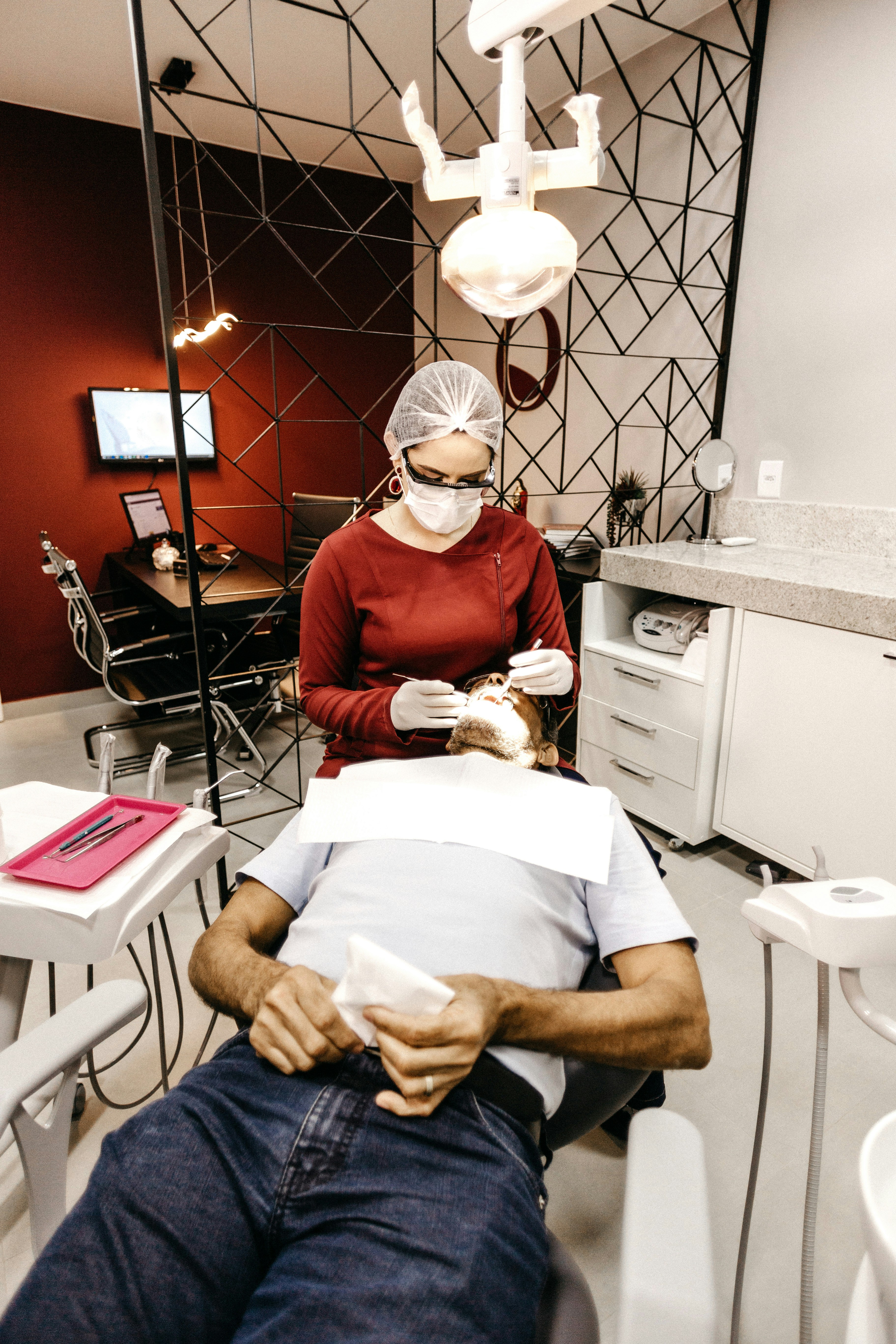
Dental restorations play a crucial role in maintaining oral health by restoring the function and aesthetics of teeth affected by decay, wear, or trauma. These interventions not only help to improve the appearance of a patient’s smile but also contribute to the overall health of the oral cavity. Understanding dental restorations involves recognizing the different types available and the circumstances that may warrant their use.
There are several types of dental restorations categorized as either direct or indirect. Direct restorations are those that can be applied in a single visit, commonly utilizing materials such as composite resin, amalgam, or glass ionomer. These materials are ideal for filling cavities and repairing chipped or broken teeth. On the other hand, indirect restorations, which involve in-lab fabrication, may include crowns, bridges, veneers, and dentures. Each of these types serves specific needs and is selected based on the extent of tooth damage and patient preferences.
Dental conditions that may necessitate restorative work include caries, which lead to tooth decay, and fractures resulting from trauma or bruxism (teeth grinding). Additionally, advanced restorations may be required for cosmetic reasons or to replace missing teeth. A dentist plays a pivotal role in this process, utilizing clinical examinations, X-rays, and patient history to evaluate the need for protective restoration dental procedures. This evaluation involves determining the extent of damage, the health of surrounding tissues, and the best course of action to restore functionality and aesthetic appeal.
Incorporating restorative dentistry into a patient’s treatment plan helps ensure that oral health is not compromised and enhances overall quality of life. Understanding the importance of these restorations can aid individuals in making informed decisions regarding their dental care.
What is Protective Restoration?
Protective restoration in dentistry refers to a specific approach aimed at safeguarding compromised teeth from further damage or decay. This restoration technique is designed to restore the structure and function of teeth while also providing a barrier against external factors that could exacerbate existing dental issues. Protective restorations are essential for maintaining overall oral health, particularly in cases of dental erosion, decay, or damage.
To better understand protective restoration, it is important to distinguish it from other forms of dental restorations. Unlike more invasive procedures, such as crowns or bridges, protective restorations typically involve minimally invasive techniques, allowing for the preservation of healthy tooth structure. Common examples of protective restorations include the application of dental sealants, which serve as a shield against cavities and decay, and fluoride treatments that help remineralize tooth enamel, reinforcing its strength and resistance to decay.
The primary objectives of protective restoration are twofold: to prevent further deterioration of the affected tooth and to alleviate sensitivity or discomfort that may arise due to structural compromise. The implementation of protective restoration techniques can significantly enhance the longevity of a tooth, minimizing the likelihood of more extensive interventions in the future. By addressing issues at an early stage, patients can benefit from a proactive and preventive approach to dental care.
In summary, protective restoration encompasses a variety of techniques aimed at reinforcing and preserving teeth that have been subjected to damage or decay. Understanding the significance of protective restorations can help patients make informed decisions about their dental health, emphasizing the importance of preventive care and intervention in maintaining oral wellness.
The Need for Protective Restoration
Protective restoration dental meaning is often highlighted within the context of various dental issues that necessitate intervention. One of the most common scenarios arises from dental caries, or tooth decay, where bacteria erode the tooth structure, leading to cavities. When decay progresses, it not only jeopardizes the integrity of the tooth but can also lead to further complications, such as infections or abscesses. In such cases, protective restoration serves as a critical measure to prevent further deterioration and preserve the tooth’s functionality.
Another significant factor warranting protective restoration is dental trauma. Accidents or injuries that result in cracked, chipped, or broken teeth can expose sensitive areas, increasing the risk of pain and infection. Utilizing protective restorative techniques can shield these vulnerable areas, ensuring that oral health is not compromised further. Restoration methods may include crowns, veneers, or fillings, depending on the severity of the damage. Each of these options aims to restore both appearance and function while safeguarding against future issues.
Previous dental restorations also play a role in the necessity for protective measures. Over time, restorations such as fillings may weaken due to wear and tear, leading to gaps that can allow bacteria to infiltrate. This can result in secondary decay, making it essential to replace or reinforce earlier work with protective restoration techniques. Addressing these concerns proactively can enhance longevity and overall oral health.
Moreover, neglecting protective restoration can lead to significant consequences, including the potential loss of teeth. Ensuring dental stability through timely protective measures is imperative for maintaining a healthy and functional smile. Ultimately, understanding the need for protective restoration is vital for effective dental care and long-term oral health preservation.
Materials Used in Protective Restoration
Protective restoration dental procedures employ a variety of materials, each selected based on specific patient needs and clinical considerations. The most common materials include dental crowns, fillings, and sealants, each possessing distinct advantages and disadvantages that contribute to their efficacy in protective restoration.
Dental crowns are often utilized when a tooth is severely damaged or decayed, providing substantial support and protection. These crowns can be fabricated from materials such as porcelain, resin, metal, or a combination thereof. Porcelain crowns offer aesthetic advantages due to their tooth-like appearance, making them popular for front teeth. However, they may not be ideal for posterior teeth due to their brittleness compared to metal options. Metal crowns, while very durable, may not suit every patient’s aesthetic preferences. Each type requires careful consideration regarding longevity, appearance, and patient comfort.
Fillings, another staple in protective restoration, are used primarily to treat cavities. Materials like composite resins, amalgam, and glass ionomer are common choices. Composite resins are favored for their aesthetic appeal and can be color-matched to the natural tooth, although they may not be as durable as amalgam. Amalgam, composed of metals, is robust and long-lasting, making it ideal for posterior teeth but often criticized for aesthetic reasons. Glass ionomer fillings provide fluoride release, which can help prevent further decay, but may wear down faster than other materials.
Sealants represent a preventive measure rather than a restorative one, often applied to the chewing surfaces of molars to guard against decay. Typically made of plastic materials, sealants effectively fill in grooves and pits where food particles and bacteria can accumulate. Their ease of application and cost-effectiveness makes them an essential component in the protective restoration dental landscape.
Ultimately, the choice of material for protective restoration is influenced by both dentist recommendations and patient preferences, balancing aesthetic requirements with durability and functional considerations.
The Procedure for Protective Restoration
The procedure for protective restoration dentistry is an essential process designed to safeguard dental health while promoting recovery from dental ailments. Initially, patients will undergo an initial consultation with a qualified dental professional. During this consultation, the dentist will assess the patient’s oral health and discuss any symptoms or issues related to their teeth. It is crucial for patients to provide a thorough medical history to enable the dentist to understand the specific needs of the patient effectively.
Following the initial evaluation, a diagnostic phase will typically commence. This may include X-rays, digital scans, or other imaging methods that allow the dentist to visualize the underlying tooth structure and identify any cavities, decay, or damage. The results from these diagnostic tools will help the dentist determine the most suitable protective restoration method tailored to the patient’s situation.
Once the diagnostic process is complete, the actual restoration process begins. The dentist will start by preparing the affected tooth or teeth, which may involve the removal of decay or damaged tissue to ensure that only healthy structure remains. This meticulous preparation is vital as it sets the foundation for a successful protective restoration. Depending on the specifics of the treatment plan, materials such as dental crowns, fillings, or inlays may be utilized to restore the tooth’s function and integrity.
During the procedure, patients can expect a local anesthetic to be administered to minimize discomfort. Dentists will employ specialized tools to ensure precision during the restoration process. After the protective restoration is completed, patients may experience some sensitivity; however, this is typically brief and subsides after a few days. Dental professionals will advise on post-treatment care to help patients maintain their restored health effectively. Regular follow-up visits are recommended to monitor the effectiveness of the restoration and address any concerns that might arise. This comprehensive approach to protective restoration dental meaning significantly contributes to the longevity and health of the patient’s teeth.
Benefits of Protective Restoration
Protective restoration in dentistry serves a crucial role in maintaining oral health by providing various benefits that contribute to the longevity of the remaining teeth. One of the primary advantages of this process is the preservation of the integrity of teeth that are still viable. By applying protective restorative materials, dentists can shield weakened or damaged teeth from further deterioration, enabling patients to retain their natural teeth for as long as possible.
Additionally, protective restoration helps in reducing pain and discomfort associated with dental issues. Many individuals suffer from tooth sensitivity and discomfort due to decay or damage. By addressing these problems early with protective materials, dentists can alleviate pain and enhance the patient’s quality of life. This pain reduction is often followed by an increase in comfort while eating and speaking, contributing to overall well-being.
Another significant benefit of protective restoration is its ability to prevent further decay. When decay is not addressed promptly, it can spread and compromise the entire tooth structure. The application of protective restoration acts as a barrier against bacteria, thereby minimizing the risk of deeper dental issues. This proactive strategy not only safeguards the affected tooth but also decreases the likelihood of needing more invasive treatments in the future.
Moreover, protective restoration can significantly improve the overall aesthetics of a smile. Patients often desire dental solutions that not only address functional concerns but also enhance the visual appeal of their teeth. By restoring the shape, color, and alignment of teeth, aesthetic outcomes can be greatly improved, leading to increased confidence and satisfaction in one’s smile.
In conclusion, the benefits of protective restoration dental meaning extend beyond the immediate repair of damage. They encompass the preservation of remaining teeth, pain alleviation, further decay prevention, and notable improvements in aesthetics, thus highlighting the importance of seeking dental care in a timely manner.
Potential Risks and Considerations
In the realm of dental care, protective restoration serves as a crucial intervention aimed at preserving the integrity of natural tooth structure and preventing further damage. However, as with any medical procedure, there are potential risks and considerations associated with these treatments that patients should be aware of. Understanding these factors can significantly influence the outcome of protective restorations and ensure a smoother dental experience.
One of the primary risks involves the material used in the protective restoration itself. Various dental materials, such as composites, ceramics, and metals, can elicit allergic reactions in some individuals. Patients with known sensitivities to specific substances should communicate these concerns with their dental practitioner prior to undergoing restorative procedures. Additionally, the longevity and effectiveness of protective restorations may be compromised if the materials are not compatible with the patient’s unique oral environment.
Another consideration is the importance of maintaining rigorous oral hygiene habits following a protective restoration. The cleanness of the surrounding oral area plays a significant role in the success and durability of the restoration. Inadequate oral hygiene can lead to plaque accumulation, which might result in decay around the edges of the restoration. This decay can compromise the protective function intended by the restoration, necessitating further treatment and potentially increasing the risk of dental complications.
Furthermore, the alignment and occlusion of teeth can impact how the restoration behaves over time. Misaligned teeth or improper bites can create uneven pressure on the restoration, which may lead to premature wear or failure. Dental professionals often consider these factors when planning protective restorations, but patient awareness and proactive communication about any discomfort or difficulties are essential components in optimizing restorative outcomes.
Aftercare for Protective Restorations
Following a protective restoration dental procedure, it is crucial for patients to adhere to a diligent aftercare routine. This ensures the longevity of the restoration while promoting optimal oral health. Good oral hygiene practices are fundamental, as they help prevent decay and other complications that may jeopardize the effectiveness of the restoration. Patients should brush their teeth at least twice daily using fluoride toothpaste and floss at least once a day. It is essential to be gentle around the site of the restoration to avoid damaging it during the cleaning process.
Regular dental check-ups are another significant aspect of aftercare. These visits allow dental professionals to monitor the condition of the protective restoration, ensuring it is performing as intended. During these appointments, any concerns can be addressed, and adjustments can be made if needed. Typically, patients are encouraged to schedule a follow-up appointment within a few weeks after the restoration to assess healing and functionality.
Specific care instructions may vary based on the type of protective restoration received. For example, patients with crowns or inlays should be advised to avoid hard or sticky foods that could dislodge or damage the restoration. Additionally, individuals who have undergone a dental filling procedure may need to be cautious while consuming hot beverages, as the area may be sensitive for a short time after the treatment. It is advisable to avoid any habits that could compromise the integrity of the restoration, such as grinding teeth or chewing ice. By following these guidelines, patients can maximize the benefits of their protective restoration, ensuring its effectiveness and contributing to better overall dental health.
Conclusion
In conclusion, protective restoration dental meaning holds significant importance in the field of dentistry, contributing to the overall health and longevity of the teeth. Throughout this guide, we have explored various facets of protective restoration, emphasizing its critical role in preventing further damage to compromised teeth. This type of restorative dental treatment not only enhances the aesthetic appearance of teeth but also ensures their functionality, ultimately leading to improved oral health outcomes.
Protective restorations, such as crowns, bridges, and sealants, serve to safeguard vulnerable teeth from external stresses and decay. Regular use of these types of treatments assists in preserving natural tooth structure while offering a buffer against harmful bacteria and other damaging agents. A proactive approach to dental care, which includes protective restorations, can be highly beneficial, particularly for individuals with a history of decay or those prone to dental issues.
Consulting with dental professionals is paramount for personalized care concerning protective restoration. Each patient’s dental health is unique, and therefore, treatment options should be tailored to address specific needs and conditions. Dentists possess the expertise to recommend the most suitable protective restorative techniques while educating patients on how to maintain optimal oral hygiene post-treatment. Engaging with a qualified dental practitioner ensures that individuals receive the guidance necessary for making informed decisions about their dental health.
Ultimately, through understanding the protective restoration dental meaning and its implications in dental care, patients can take proactive steps toward enhancing their oral health. Emphasizing the need for professional advice underscores the importance of individualized treatment plans that emphasize the particular circumstances of each patient, making protective restoration an integral component of comprehensive dental care.
