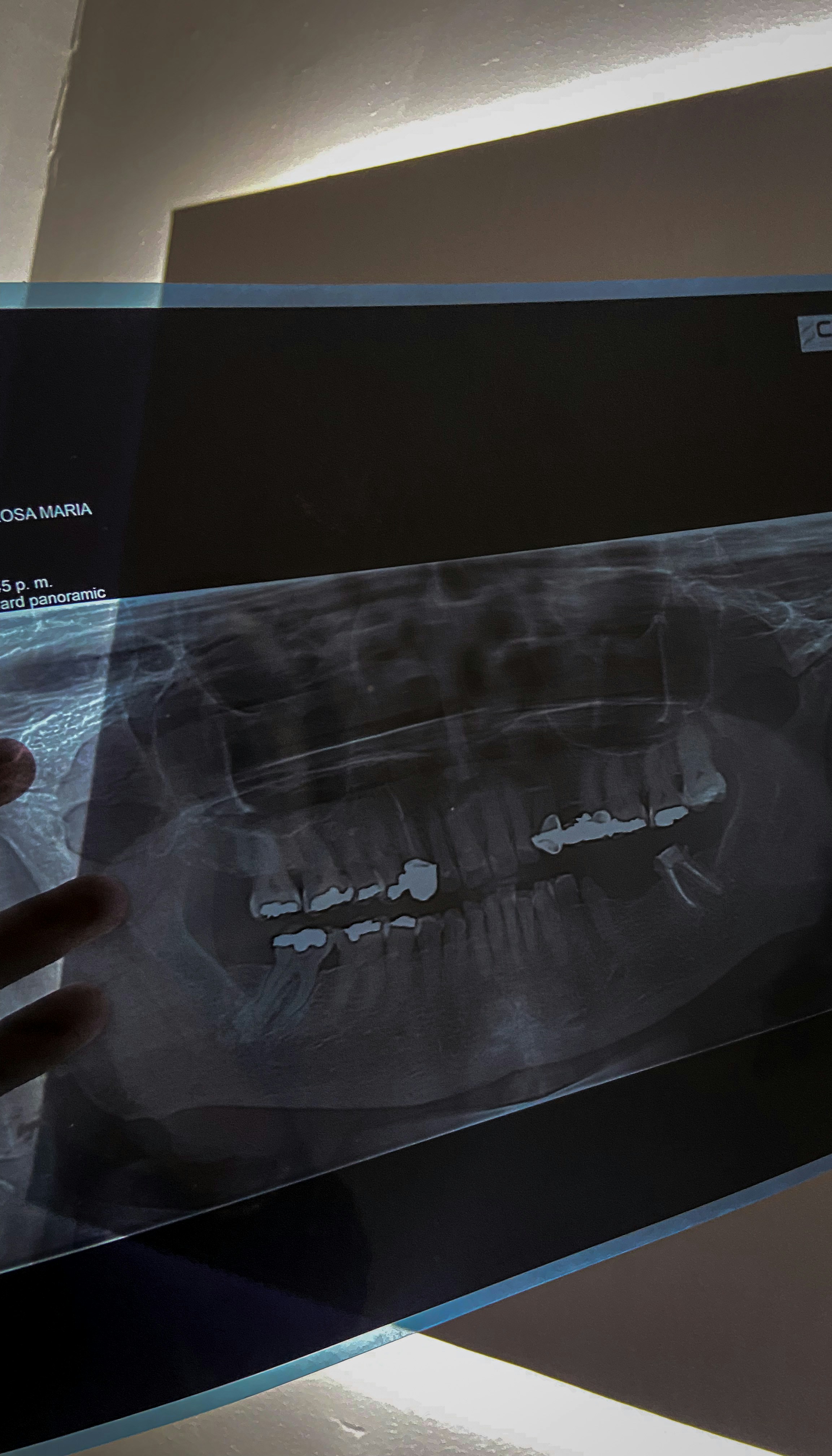
Introduction to Panoramic Radiography
Panoramic radiography is an advanced imaging technique utilized in dentistry to capture a comprehensive view of the entire oral cavity in a single image. Unlike traditional dental radiographs, which typically focus on one or two teeth at a time, a panoramic radiographic image offers a broader perspective, encompassing both the upper and lower jaw, as well as surrounding structures. This capability makes it an invaluable tool for dental professionals in diagnosing a wide range of dental issues.
The production of a panoramic radiographic image involves a specialized machine that rotates around the patient’s head. During the process, the X-ray source moves in a semi-circular motion, capturing multiple images that are then synthesized into one continuous panorama of the dental structures. This technique significantly reduces overlap and distortion, ultimately providing a more accurate representation of a patient’s oral health.
One of the primary advantages of panoramic radiography is its ability to highlight areas that might be missed with conventional imaging methods. It allows dentists to visualize the position of impacted teeth, assess the relationship between teeth and jawbone, and identify cysts, tumors, or other abnormalities. Additionally, panoramic imaging aids in treatment planning for orthodontic work, extractions, and implant placement, making it essential in certain complex dental procedures.
Furthermore, the panoramic radiographic image is less invasive and typically more comfortable for patients compared to traditional film-based X-rays, which often require multiple exposures. By using a single panoramic image, fewer X-rays are needed overall, reducing the radiation dose to patients without compromising diagnostic capability. In the context of modern dentistry, panoramic radiography stands as a cornerstone for effective diagnosis and treatment planning, facilitating improved patient outcomes.
The Importance of Dental Coding
Dental coding plays a crucial role in the accurate billing and documentation of dental procedures, serving as a bridge between dental professionals, insurance providers, and patients. The use of standardized codes helps ensure that services rendered are precisely categorized, allowing for a seamless flow of information regarding treatments and their associated costs. This categorization not only streamlines the billing process but also minimizes the risk of errors that can lead to disputes over insurance claims and reimbursements.
Within the realm of dentistry, specifically regarding panoramic radiographic image dental codes, the importance of coding becomes even more prominent. These codes help identify the specific type of diagnostic imaging performed, thereby facilitating accurate reporting and proper charges. For instance, when a panoramic radiograph is taken, the corresponding dental code ensures that the procedure is clearly documented, providing essential details for both the patient and the insurance carrier.
Furthermore, efficient dental coding enhances communication among dental professionals. With a shared understanding of what each code represents, dentists, hygienists, and office staff can better coordinate patient care and effectively discuss treatments. For insurance providers, precise coding enhances their capability to assess claims accurately, allowing for quicker turnaround times and reducing the likelihood of requests for additional information.
Additionally, having a standardized coding system in place ensures compliance with governmental regulations and requirements, an essential aspect of dental practice management. It aids in maintaining accurate patient records, which are critical for future care and treatment planning. As the dental landscape continues to evolve, the significance of coding, such as that associated with panoramic radiographic images, will only continue to escalate, highlighting the need for continued education and adaptation among dental professionals.
Overview of Dental Codes Related to Radiography
The systematic organization of dental codes plays a pivotal role in the categorization and billing of various dental procedures, particularly those involving imaging techniques such as panoramic radiography. Various coding systems are employed within the dental field, with the Current Dental Terminology (CDT) codes being the most prevalent. These codes serve as a standardized language for dental professionals, enabling efficient communication regarding services rendered.
The CDT codes, established by the American Dental Association (ADA), encompass a range of procedures, each represented by a unique five-digit alphanumeric code. Among these codes are those specifically designated for panoramic radiographic images, which are crucial for diagnostic purposes. For instance, the code D0367 is used to identify panoramic imaging, which provides a broad view of the patient’s oral cavity, assisting in assessing a variety of dental conditions.
These codes not only facilitate billing and reimbursement processes but also promote accuracy in record-keeping and insurance claims. Dental offices utilize these codes to document the services provided, ensuring that the panoramic radiographic image dental codes are properly recorded and submitted to insurance providers. Furthermore, by adopting a standardized coding system, practitioners can easily track treatment outcomes and improve practice management efficiency.
It is important for dental professionals to stay informed about updates or changes in the coding system, as these can impact the practices and billing procedures employed. Keeping abreast of the CDT codes, especially those related to panoramic radiography, empowers practitioners to enhance their diagnostic capabilities while ensuring compliance with insurance regulations.
In conclusion, understanding the structure and purpose of dental codes related to radiography, particularly the codes applicable to panoramic radiographic images, is essential for both effective patient care and efficient practice management in the dental field.
Key CDT Codes for Panoramic Radiographs
The Current Dental Terminology (CDT) coding system offers specific codes essential for documenting and billing panoramic radiographic procedures. Understanding these codes is critical for dental professionals in ensuring accurate representation of services provided. Below, we outline salient CDT codes associated with panoramic radiographs, along with definitions and suggested applications.
One notable code is D0210, which is associated with a complete view of the dental structure, as provided by panoramic imaging. This code is applicable for comprehensive assessments of both hard and soft tissues, offering a broad insight into the patient’s oral health. It is particularly useful during initial examinations, treatments requiring extensive planning, or when evaluating an array of dental issues.
Another important code is D0220, which refers to a panoramic radiograph for a limited area or specific site. This code is employed when the provider seeks to quantify or assess a certain area of concern, such as evaluating the potential for extractions or assessing pathology localized to a specific tooth or region. Accurate coding here is essential not only for billing but also for maintaining an organized treatment record concerning patient care.
Additionally, D0230 is used for interpreting a panoramic radiographic image dental code when a survey is necessary after an established diagnosis. This code serves to document any subsequent imaging evaluations that provide further clarity on a previously diagnosed condition. It underscores the importance of continuous monitoring in dentistry, ensuring that practitioners can deliver the most accurate and effective care.
By understanding these key CDT codes related to panoramic radiographs, dental professionals can improve their operational efficiency and streamline the billing processes, ultimately enhancing patient care.
How to Document and Use Panoramic Imaging Codes
Accurate documentation and utilization of panoramic imaging codes are essential for efficient operations within any dental practice. The panoramic radiographic image dental code serves as a vital component in the billing process and patient record-keeping, thus understanding its appropriate application is crucial. Firstly, ensuring that the panoramic images are correctly labeled with their corresponding codes is fundamental to maintaining clarity in dental records. Mislabeling can lead to billing errors, affecting reimbursement rates and, consequently, the profitability of the practice.
Incorporating a systematic approach for documenting panoramic imaging procedures will help uphold compliance with coding standards and regulations. Dental professionals must familiarize themselves with the current coding guidelines established by organizations such as the American Dental Association (ADA). Staying updated on changes or revisions to coding protocols will ensure that practices remain compliant and can accurately reflect the services rendered to patients. Furthermore, using a check-list to confirm all necessary codes are included when submitting claims can assist in ensuring completeness and reduce the chances of denials from insurance providers.
It is equally important to educate the dental staff about commonly encountered pitfalls in panoramic imaging coding. For instance, over-coding or under-coding services can lead to severe implications, including audits and potential fraud accusations. Regular training programs can empower staff to recognize appropriate codes and provide accurate documentation. By fostering a culture of accountability and accuracy, dental practices can ensure not only compliance with guidelines but also an efficient billing process.
In conclusion, documenting and using panoramic radiographic image dental codes requires diligence and systematic organization. By adhering to established coding guidelines, training staff comprehensively, and performing regular audits, dental practices can proficiently manage their coding processes while minimizing errors and ensuring optimal reimbursement.
Challenges in Coding for Panoramic Radiographs
Coding for panoramic radiographs can be a complex endeavor, presenting a range of challenges that both healthcare providers and dental professionals face. One of the primary difficulties lies in the ambiguous coding guidelines established by various dental organizations. These guidelines may differ, leading to confusion and inconsistent application of the panoramic radiographic image dental code. For instance, varying interpretations of specific procedures or indications can result in discrepancies in coding and potential disputes between practitioners and payers.
Another significant challenge arises from issues surrounding insurance reimbursement. Many insurance companies have specific criteria for covering panoramic radiographic images, often requiring detailed explanations of the clinical necessity for the procedure. As a result, providers must be diligent in documenting justifications for the use of panoramic imaging. Failing to meet these criteria not only jeopardizes reimbursement but can also result in financial losses for dental practices. Additionally, the varying reimbursement rates across different insurance plans adds another layer of complexity that can affect coding procedures.
Moreover, discrepancies between providers and payers are common, often causing frustration for dental professionals. These disagreements may stem from confusion about what constitutes medically necessary care versus standard diagnostic procedures. As such, it is crucial for dentists and radiologists to stay informed about the latest coding updates and insurance policies to minimize misunderstandings and maximize the chances of reimbursement. Developing effective communication channels between providers and insurance companies can also help bridge the gap and clarify expectations regarding the panoramic radiographic image dental code. By addressing these challenges proactively, dental practices can enhance their coding accuracy and ensure smoother operational procedures.
Impact of Technology on Panoramic Radiographic Coding
The advent of digital technology significantly transformed the field of dentistry, particularly in the area of radiographic imaging. Panoramic radiographic image dental codes have evolved alongside these technological advancements, enhancing both the accuracy and efficiency of coding practices. Traditional film-based radiography has largely been replaced by digital radiography, which offers several benefits including improved image quality, reduced radiation exposure, and faster image acquisition times. As a direct result, the coding associated with these radiographic images has also adapted to reflect these changes.
Digital panoramic radiographic systems allow for better calibration of image quality, which aids in the accurate assignment of dental codes. This precision has streamlined the process for dental professionals, enabling them to select the appropriate panoramic radiographic image dental code more confidently. Additionally, many digital platforms for managing patient records include built-in coding systems that automatically suggest relevant codes based on the images captured. This automation reduces the potential for human error in coding, thereby enhancing the overall reliability of dental billing and record-keeping.
However, the transition to digital radiography and its accompanying coding practices also presents certain challenges. The rapid pace at which technology evolves can lead to discrepancies in coding if dental practitioners are not continuously educated about the latest updates and standards. Furthermore, there may be initial costs associated with the adoption of advanced digital systems, which could pose barriers for smaller practices. Nonetheless, the long-term benefits—in terms of efficiency, improved patient outcomes, and potentially lower costs—make the investment worthwhile.
In conclusion, the integration of technology in panoramic radiographic imaging has significantly impacted the coding practices associated with these images. As medical technology continues to advance, the dental field must adapt accordingly to maintain optimal coding practices and enhance patient care.
Future Trends in Panoramic Radiography and Coding
The field of panoramic radiography is rapidly evolving, influenced by technological advancements, regulatory changes, and the increasing focus on patient-centered care. As dental practices continue to adopt digital technology, the quality and utility of panoramic radiographic images are likely to improve significantly, offering enhanced diagnostic capabilities. Emerging imaging techniques, such as cone beam computed tomography (CBCT), are becoming more integrated into dental practices, which may lead to modifications in the coding systems associated with panoramic images.
In addition, regulatory bodies are continuously updating their guidelines to keep pace with advancements in technology and practices. This means that the coding systems used for panoramic radiographic image dental codes could undergo revisions to reflect new methodologies and the increasing complexity of diagnostic imaging. Practices must stay informed about potential changes to these systems to ensure compliance and optimal billing practices. Staying ahead of these trends could significantly affect a practice’s efficiency and revenue cycle management.
Continuous education in dental coding is essential for practitioners and staff to keep up with these developments. As coding evolves, so does the need for comprehensive training regarding new codes and their applications. Regular training sessions can empower dental teams to navigate changes confidently and accurately, enhancing their capabilities in coding panoramic radiographic images and improving overall patient care.
Furthermore, as data analytics become more prevalent in healthcare, practices may need to adopt systems that allow for better tracking and utilization of panoramic radiographic data. By analyzing this information, practices can gain insights into treatment trends and improve clinical outcomes, solidifying the importance of accurate coding and documentation.
Ultimately, by remaining adaptive and committed to ongoing education, dental practices can effectively navigate the anticipated changes in panoramic radiography and coding, ensuring their readiness for the future.
Conclusion and Additional Resources
In this comprehensive guide, we have explored the significance of panoramic radiographic image dental codes within the realm of dental practice. The utilization of these codes is crucial for ensuring accurate communication and effective billing processes in the field of dentistry. Moreover, dental professionals must remain abreast of the evolving coding practices to comply with legal requirements, enhance diagnostic accuracy, and streamline patient care.
Throughout the article, we discussed the various facets of panoramic radiographic image dental codes, from the coding system to the importance of adhering to established protocols. Understanding these codes not only helps professionals avoid billing errors but also aids in maintaining the integrity of patient data. Furthermore, as technology advances, the landscape of dental imaging continues to evolve, and it is essential for practitioners to keep pace with such innovations. Through consistent education and adaptation, dentists can leverage these codes to improve their practice and patient outcomes.
For those seeking to deepen their understanding of panoramic radiographic imaging and associated coding practices, a wealth of additional resources is available. Professional organizations, such as the American Dental Association (ADA), offer informative materials and guidelines on current coding standards. Furthermore, online platforms, academic publications, and webinars provide ongoing education on legal requirements and emerging technologies in radiography.
In conclusion, mastering panoramic radiographic image dental codes is paramount for dental professionals. By integrating this knowledge into their practice, they can enhance operational efficiency and, ultimately, patient care. We encourage practitioners to explore the recommended resources for more insight into dental coding practices and to continually seek professional development opportunities in the field.
