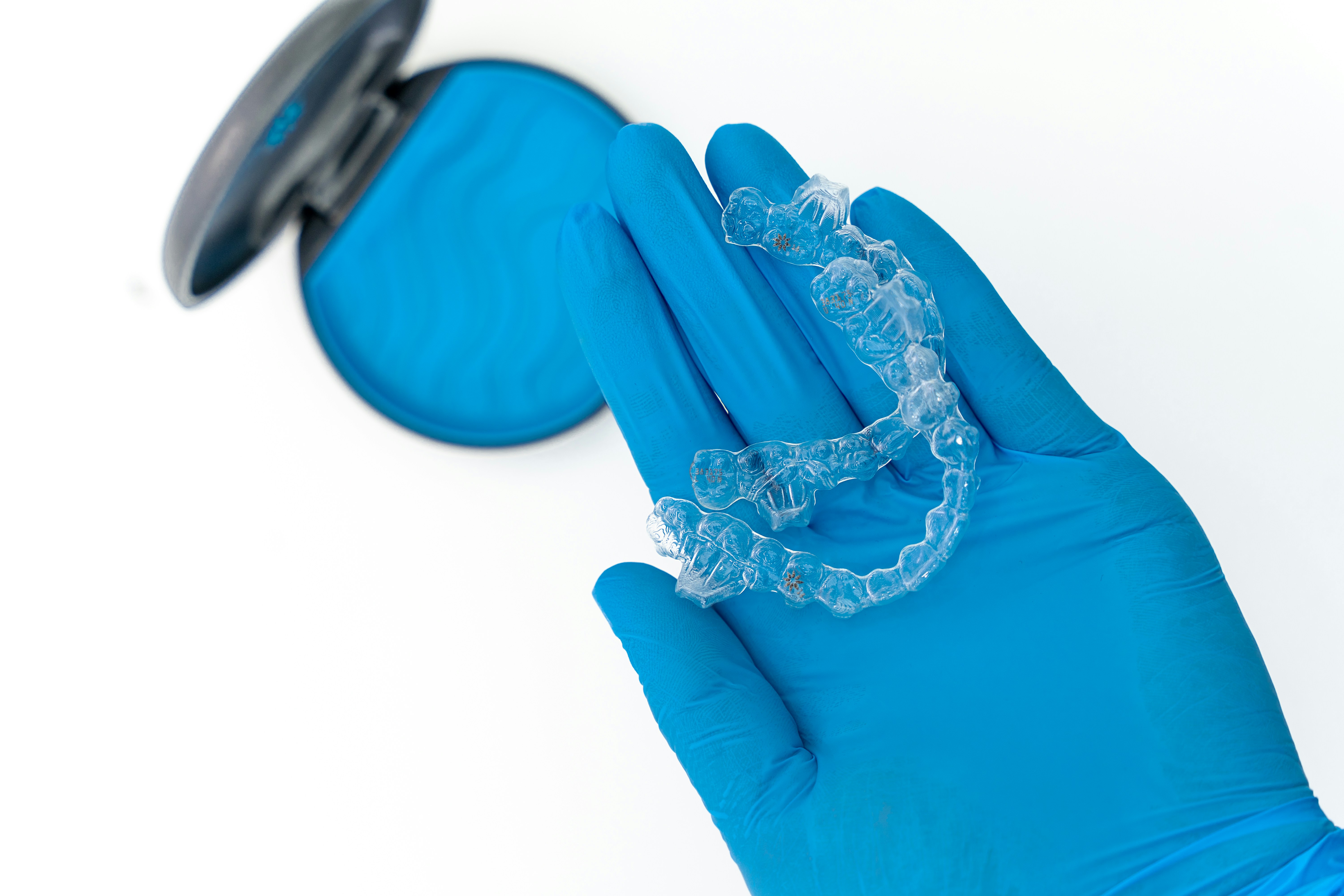
Introduction to Occlusal Guards
Occlusal guards, commonly referred to as dental night guards, are custom-made appliances designed to be worn over the teeth. Their primary purpose is to protect the teeth from the damaging effects of grinding and clenching, conditions widely recognized as bruxism. Bruxism can occur during sleep or in response to stress, resulting in various dental issues, including tooth wear, sensitivity, and even fractures. The occlusal guard acts as a barrier between the upper and lower teeth, thereby minimizing the risks associated with these detrimental habits.
In addition to addressing bruxism, occlusal guards play a vital role in the management of temporomandibular joint disorders (TMJ). TMJ disorders are characterized by pain, discomfort, and dysfunction in the jaw joint and surrounding muscles. An occlusal guard can help by providing a stable and harmonious bite, reducing the stress on the jaw joints and alleviating associated symptoms such as jaw pain, headaches, and ear discomfort. This preventive approach underscores the significant impact that proper dental appliances can have on an individual’s overall health and well-being.
When considering an occlusal guard, it is crucial to understand that adequate fitting and adjustments are essential for optimal efficacy. Just as there are specific dental codes assigned to various treatments, adjustments for occlusal guards also fall under unique dental code classifications. These codes signify the importance of ongoing care and fine-tuning to ensure that the guard functions as intended. A well-adjusted occlusal guard can dramatically improve the comfort of the patient while providing effective protection and relief from symptoms associated with dental disorders.
The Importance of Proper Occlusal Guard Adjustment
Proper adjustment of an occlusal guard is crucial for ensuring both comfort and effectiveness in dental treatment. These dental devices, designed to protect the teeth and jaw, can serve a variety of purposes, from alleviating temporomandibular joint (TMJ) issues to preventing nighttime teeth grinding, known as bruxism. However, when an occlusal guard is not correctly fitted or adjusted, it can lead to various complications that undermine its benefits.
An ill-fitted occlusal guard may cause discomfort, leading to patient dissatisfaction and non-compliance with recommended use. Discomfort can result from pressure points, improper alignment, or excessive bulkiness of the guard. Such factors not only detract from the wearer’s experience but can also exacerbate existing dental problems. For instance, an improper fit might lead to increased jaw tension or pain, thereby negating the guard’s intended therapeutic effect. This emphasizes the necessity for diligent occlusal guard adjustment, as it ensures that the device works harmoniously with a patient’s unique dental structure.
Furthermore, a well-adjusted occlusal guard aids in achieving optimal occlusion, meaning the way the upper and lower teeth contact each other is preserved or improved. If adjustments are neglected, the resulting misalignment could potentially lead to further dental issues, including interference with bite mechanics and increased wear on teeth over time. Therefore, it is imperative that dental professionals focus on a thorough assessment and proper fitting of occlusal guards, utilizing the appropriate dental code for adjustments. This approach not only enhances patient comfort but also maximizes the effectiveness of the occlusal guard in providing the desired therapeutic outcomes.
Common Reasons for Occlusal Guard Adjustment
Occlusal guards serve an important role in protecting the teeth from bruxism and other issues related to dental alignment. However, there are various scenarios that necessitate adjustments to an occlusal guard. One of the most common reasons is changes in a patient’s dental structure. Over time, factors such as shifting teeth, gum recession, or new dental work can alter the fit of the guard, resulting in decreased effectiveness. These changes highlight the importance of monitoring dental health and ensuring that the occlusal guard is still appropriately fitted.
Another prevalent issue leading to occlusal guard adjustment is discomfort experienced by the patient during wear. It is not uncommon for individuals to report pressure points or areas of irritation when using their guard, particularly if the guard was not correctly calibrated to their bite. Discomfort can lead to decreased compliance, rendering the occlusal guard less effective. Therefore, adjustments may be necessary to improve comfort and ensure that the guard is properly aligned with the patient’s occlusion.
Additionally, wear and tear of the occlusal guard itself can lead to the need for adjustments. As with any dental appliance, regular use may result in chips, cracks, or changes in shape, compromising the effectiveness of the guard. Even minor alterations in its structure can affect its function, making it imperative for patients to seek professional evaluations periodically. Dentists typically utilize specific dental codes related to occlusal guard adjustment to document these changes in a patient’s record accurately. Addressing these issues promptly can enhance the overall performance of the occlusal guard, ensuring that it continues to provide the necessary protection for the patient’s dental health.
Understanding Dental Codes for Occlusal Guard Adjustment
The realm of dentistry employs a comprehensive coding system that ensures accurate billing and insurance claims for various procedures, including occlusal guard adjustments. These codes are vital not only for maintaining organized records but also for streamlining communication between dental professionals and insurance entities. The coding for occlusal guard adjustments generally falls under the Current Dental Terminology (CDT) codes, which are established by the American Dental Association (ADA).
When it comes to occlusal guard adjustment, specific codes are designated to reflect the nature of the service provided. For example, one of the prominent codes associated with occlusal guards is D9944, which specifically addresses “occlusal guard adjustment.” This code is essential for dental practices to ensure proper documentation and reimbursement for the time and expertise spent on these adjustments. Proper coding is particularly important given that occlusal guards are often used to manage conditions such as bruxism, temporomandibular joint dysfunction (TMJ), and other occlusal discrepancies.
It is essential for dental professionals to stay informed about the coding changes and updates, as the ADA regularly revises these codes to reflect the evolving nature of dental practices. They should also ensure accurate coding by understanding the nuances and specifics of the services rendered. This detail not only aids in the financial aspects of dental care but also enhances the overall patient experience, ensuring that patients are aware of the services they are receiving and any associated costs. By utilizing the appropriate occlusal guard adjustment dental code, dentists can facilitate clearer communication with insurance providers, thus optimizing the reimbursement process and ultimately benefiting the patient’s treatment journey.
Procedure for Adjusting an Occlusal Guard
The occlusal guard adjustment process is integral to ensuring its effectiveness and comfort for the patient. Dental professionals typically follow a structured series of steps to achieve the desired fit and functionality of the occlusal guard. Initially, the dentist conducts a thorough examination of the patient’s dental structure. This includes taking specific measurements of the patient’s bite and occlusion, which are critical in determining how the guard interacts with the teeth.
Once the preliminary assessment is complete, the next stage involves selecting the appropriate tools. Commonly used tools in this procedure include articulating paper, a marking device, and a bur set for adjustments. The articulating paper is instrumental in assessing where the occlusal guard makes contact with the teeth. By asking the patient to bite down gently on the guard, the dentist can identify any areas where the fit may be too tight or loose, which can lead to discomfort or ineffective protection.
After evaluating the contact points, the practitioner will make necessary adjustments. This may involve grinding or trimming specific areas of the occlusal guard using a bur, ensuring that it aligns more appropriately with the patient’s dental structure. It is essential to strike a balance between adjusting the guard for a snug fit while also avoiding excessive alteration that may compromise its protective role. Throughout the process, dental professionals continually re-assess the occlusal guard using articulating paper, ensuring that adjustments consistently lead to an optimal fit.
Finally, once the ideal configuration is achieved, the dentist will provide the patient with guidance on care and maintenance to prolong the longevity of the occlusal guard. Overall, the procedure for adjusting an occlusal guard is pivotal in dental practice, requiring careful consideration of the dental code associated with the adjustments made and their implications for patient care.
Patient Considerations and Communication
Effective communication between dental professionals and patients is paramount when dealing with occlusal guard adjustments. An occlusal guard serves a critical role in protecting teeth from wear due to grinding or clenching, yet its effectiveness can be compromised if the fit is not optimal. Patients often have questions and concerns regarding the functionality and comfort of their guards. Addressing these inquiries is essential for fostering trust and ensuring a satisfactory patient experience.
One of the primary aspects to communicate is the necessity of adjustments. Patients may not realize that their occlusal guard requires periodic evaluation and modification to maintain its protective function. The adjustment dental code specifically indicates the need for these modifications, but patients might be unfamiliar with the regulations governing these adjustments. Therefore, it is crucial for dental professionals to explain the context of this code in simple terms, ensuring patients understand that adjustments are not only common but essential for their oral health.
Moreover, patient feedback plays a vital role in the adjustment process. Any discomfort or difficulty experienced while wearing the occlusal guard should be documented and addressed promptly. Engaging patients in open dialogue helps practitioners obtain valuable insights, allowing for tailored adjustments that better meet the needs of the patient. Common concerns about occlusal guards include questions about wear discomfort, taste or odor, and the overall effectiveness of the guard in mitigating bruxism symptoms. By proactively discussing these topics, dental professionals can reassure patients and promote adherence to treatment protocols.
In conclusion, seamless communication and an understanding of patient considerations are fundamental components in the effective management of occlusal guard adjustments. By fostering a collaborative environment where patients feel comfortable voicing their concerns, dental practitioners can optimize the effectiveness of the occlusal guard, ensuring better outcomes for their patients.
Insurance and Cost Considerations for Adjustments
When considering occlusal guard adjustments, it is imperative for patients to understand the financial aspects involved, particularly concerning insurance coverage and out-of-pocket expenses. The costs associated with adjustments can vary significantly depending on several factors, including the dentist’s location, experience, and the complexity of the required modifications. Typically, the average cost for an occlusal guard adjustment may range from $50 to $150 per visit.
Insurance policies may cover occlusal guards for specific medical indications, particularly when they are prescribed as part of a treatment plan for conditions such as bruxism or temporomandibular joint disorder (TMJ). Patients should inquire with their insurance providers regarding the extent to which adjustments under the dental code are covered. Some insurance plans may categorize these adjustments under preventive or therapeutic services, potentially covering a portion of the expenses. However, it is crucial to note that coverage can significantly differ among providers; hence, understanding one’s plan details remains essential.
For those patients with limited dental insurance coverage or no insurance at all, out-of-pocket expenses can become a concern. Patients are encouraged to discuss financial options with their dental provider. Many dental offices offer payment plans or financing options specifically tailored to manage costs associated with occlusal guard adjustment services. Additionally, some practitioners may offer discounts for upfront payments or adjudged cash payments, further alleviating financial strain.
In preparation for dental visits concerning occlusal guard adjustments, patients should verify if prior authorization is required by their insurance plan to avoid unexpected charges. Keeping good records of all treatments and adjustments can assist patients in better understanding their financial responsibilities. Overall, proactive communication with both dental and insurance providers is key to navigating the potential costs effectively.
Preventive Care and Maintenance of Occlusal Guards
Occlusal guards are vital tools in preventive dental care, particularly for individuals experiencing bruxism, temporomandibular joint disorders, or other occlusal issues. To ensure the effectiveness and longevity of these devices, proper maintenance and care are essential. Regular cleaning routines are one of the primary methods to prevent bacterial growth on the guard, which can harbor microorganisms that may lead to oral infections. It is recommended to rinse the occlusal guard with water after each use and clean it thoroughly at least once a week using a gentle soap or a specialized cleaning solution designed specifically for dental appliances.
Storage practices also play a critical role in extending the lifespan of an occlusal guard. After cleaning, the device should be stored in a protective case that allows for airflow, preventing moisture accumulation. Ideal storage conditions maintain a consistent temperature; thus, avoiding exposure to extreme heat or direct sunlight is advisable, as these could deform the material. Additionally, keeping the guard out of reach of pets is important to avoid accidental damage.
Awareness of the signs that may necessitate an occlusal guard adjustment is crucial for users. Such signs include discomfort during wear, visible wear and tear, or changes in the fit of the guard. If any of these issues arise, it is imperative to consult a dental professional promptly. They can evaluate the need for adjustments and determine if the occlusal guard adjustment dental code applies, ensuring that the user receives the appropriate care in a timely manner. Proper maintenance practices enhance the effectiveness of the guard while simultaneously promoting oral health.
Conclusion and Final Thoughts
In this discussion on occlusal guard adjustment and its corresponding dental codes, we have explored various critical aspects that highlight the relevance of these adjustments in maintaining oral health. An occlusal guard serves as an essential tool for patients who suffer from bruxism or other dental issues that disrupt normal jaw alignment. The adjustment process is vital to ensure that the guard fits properly and effectively mitigates the risk of further dental complications.
Throughout the blog post, we’ve emphasized the significance of communicating openly with dental professionals regarding any discomfort or changes in oral health. Proper occlusal guard adjustment not only facilitates the effectiveness of the guard but also plays a crucial role in overall dental care. Adjustments may need to occur frequently based on individual responses to treatment, which is why ongoing dialogue with the dental care provider is essential.
Utilizing appropriate dental codes for occlusal guard adjustments allows for better tracking of procedures and insurance processes, which influences the entire dental care experience. Following the correct coding system not only streamlines the administrative aspects but also provides an opportunity for patients to better understand their treatment plans. Ensure that you are well-informed and engaged during your visits, which can foster a productive partnership with your healthcare provider.
Ultimately, maintaining proper occlusal guard adjustment is a continuous journey, and being proactive in your oral health can lead to more favorable outcomes. Awareness of how adjustments are coded and the reasons behind them can empower patients to take an active role in their dental care. By prioritizing these adjustments and communicating effectively with dental professionals, one can safeguard their oral health for years to come.
