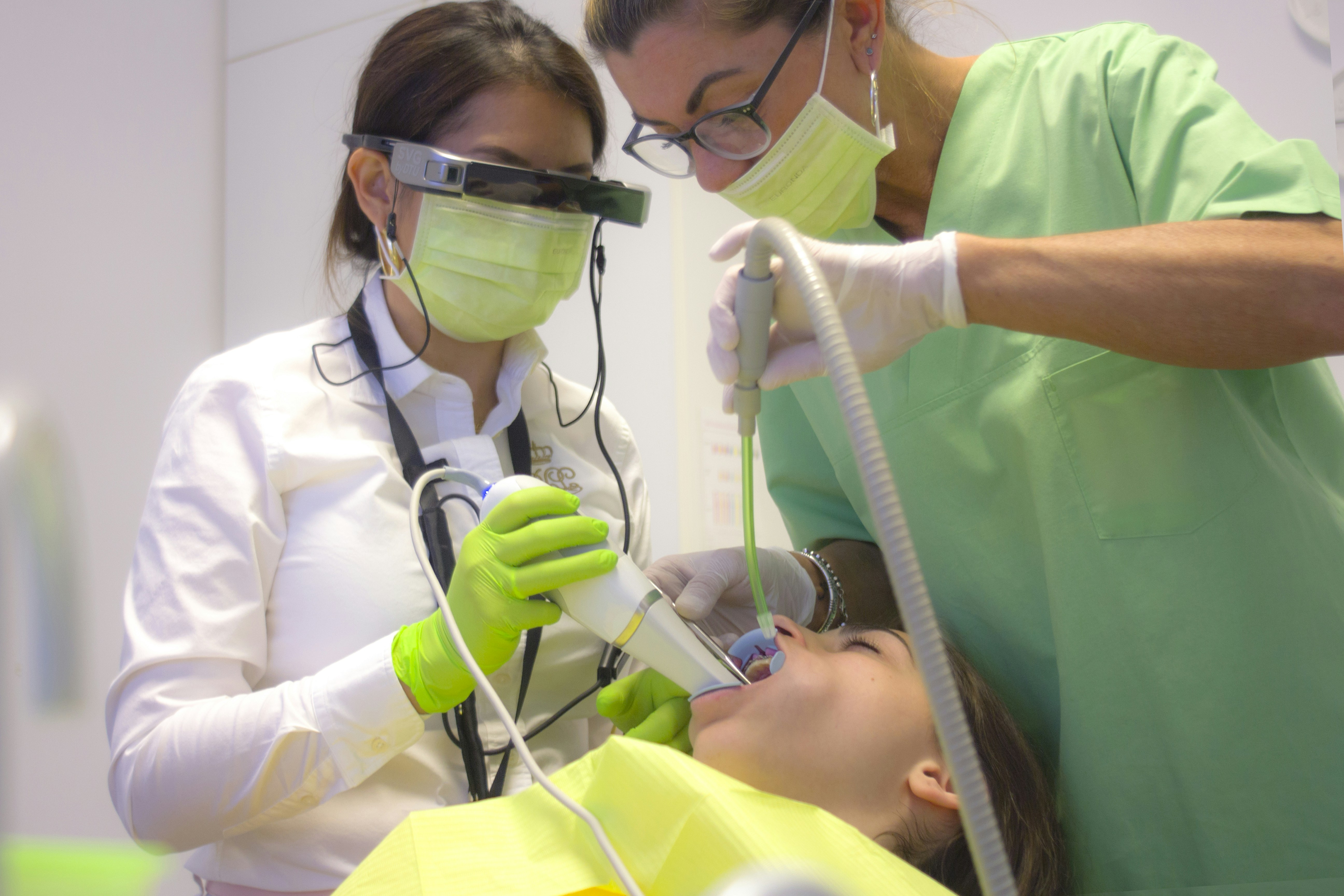
Introduction to Occlusal Adjustment
Occlusal adjustment is a critical aspect of dental care that focuses on the correction of the contact points between opposing teeth. This procedure aims to enhance the overall function of the bite, alleviate discomfort, and promote oral health. The dental code D9951 specifically pertains to occlusal adjustments in various treatment scenarios, underscoring its importance in comprehensive dental therapy.
Understanding dental occlusion is fundamental to appreciating the necessity of occlusal adjustments. Dental occlusion refers to the alignment and contact of teeth when the jaw is closed. Ideal occlusion allows for a harmonious bite where all teeth work together efficiently during chewing. However, a variety of factors, such as tooth loss, dental work (like crowns or bridges), and natural wear and tear, can disrupt this harmony, leading to issues such as discomfort, muscle strain, or even temporomandibular joint (TMJ) disorders. In these cases, occlusal adjustment becomes essential.
During an occlusal adjustment, a dentist evaluates the bite and identifies areas that may require modification. Techniques may include reshaping the biting surfaces of teeth through selective grinding or the application of dental materials to adjust the height of specific teeth. This procedure not only addresses immediate concerns regarding tooth alignment but also contributes to overall patient comfort and satisfaction. Furthermore, occlusal adjustments can be integral to the success of restorative dental work, ensuring that newly placed dental appliances fit appropriately within the existing dental architecture.
As the dental code D9951 indicates, occlusal adjustments are necessary components of a tailored treatment plan, emphasizing their relevance in promoting optimal oral function. An informed understanding of occlusal adjustments can significantly enhance patient outcomes and comfort, ultimately reinforcing the importance of proactive dental care.
What is Dental Code D9951?
The dental code D9951 refers to a specific procedure termed occlusal adjustment, which is an essential aspect of dental treatment. This code is utilized primarily to denote adjustments made to the occlusal surface of teeth to enhance the alignment and functionality of the bite. Occlusal adjustments can be critical for patients who experience discomfort or dysfunction due to misaligned teeth or an incorrect bite relationship. This dental procedure aims to alleviate issues by making subtle modifications to achieve a more harmonious occlusion.
In the context of dental billing and coding, D9951 provides a standardized way for dental professionals to communicate specific services rendered. When a dentist performs an occlusal adjustment, which may involve the use of instruments to reshape the teeth’s surfaces, they document this procedure using the D9951 code. This practice allows for more accurate patient records and helps ensure appropriate reimbursement from insurance providers.
The application of the D9951 code generally arises in various dental scenarios. For instance, patients who have undergone extensive restorative work may require adjustments to accommodate new crowns or bridges. Additionally, individuals suffering from temporomandibular joint (TMJ) disorders may benefit from this procedure, as it can help alleviate pain and improve function. By identifying the need for an occlusal adjustment dental code D9951, practitioners can enhance the patient’s comfort and overall oral health.
Furthermore, it is essential to differentiate the D9951 code from other similar codes that may indicate different types of occlusal adjustments. Each code serves a distinct purpose, and utilizing the correct dental code ensures that practitioners are properly billing for their services and that patients receive the appropriate care based on their requirements.
Indications for Occlusal Adjustment
Occlusal adjustment, identified by the dental code D9951, is an important procedure that addresses various dental issues stemming from misaligned occlusion. This intervention is particularly relevant in specific clinical scenarios that warrant the need for adjustment to ensure optimal dental function and patient comfort.
One of the primary indications for occlusal adjustment is bruxism, a condition marked by habitual grinding or clenching of the teeth. This behavior can lead to significant dental wear, fractured teeth, and discomfort in the jaw muscles. An occlusal adjustment can alleviate the detrimental effects of bruxism by aligning the bite correctly, thereby reducing the intensity of grinding and the associated symptoms.
Another significant indication is the presence of temporomandibular disorders (TMD), which encompasses a range of conditions affecting the jaw joint and surrounding muscles. Patients with TMD may experience pain, limited range of motion, and clicking or popping sounds during jaw movement. An occlusal adjustment may relieve these symptoms by correcting the bite alignment and reducing the strain on the temporomandibular joint.
Misaligned dental restorations also warrant an occlusal adjustment. Restorations such as crowns, bridges, and dentures need to fit harmoniously within the bite. If these installations are improperly adjusted, they can lead to uneven wear or discomfort. An occlusal adjustment ensures that these restorations align correctly, making the patient’s bite more comfortable and functional.
In some cases, patients may exhibit a combination of these issues, which can complicate the overall dental health. It is essential for dental professionals to assess the patient’s unique situation before initiating an occlusal adjustment procedure. By addressing these specific indications effectively, practitioners can improve the quality of life for their patients and promote better long-term dental health outcomes.
The Occlusal Adjustment Procedure
The occlusal adjustment procedure is a systematic process aimed at correcting malocclusion and improving dental function. Initially, a thorough assessment of the patient’s bite and occlusion is performed. This involves examining the alignment of the teeth, the way they come together, and identifying any discrepancies that may lead to discomfort or functional issues. Dentists often utilize tools such as articulating paper during this phase to mark contact points, allowing for a visual evaluation of how the teeth interact during chewing.
Once the initial assessment is completed, the dentist will employ specific techniques to facilitate the occlusal adjustment. Commonly, these techniques include selective reduction of specific dental surfaces that may cause interferences in the bite. Instruments such as dental drills or burs are typically utilized for this purpose. The aim is to create a harmonious occlusion by removing minimal amounts of enamel or composite material from teeth that are high or cause occlusal problems. Care must be taken to ensure that only the necessary modifications are made, preserving as much healthy tooth structure as possible.
Throughout the procedure, the dentist continuously checks the occlusion after each adjustment. This iterative process helps in verifying that the adjustments made are contributing positively to the overall alignment and comfort of the patient. Employing tools such as a bite fork or digital occlusal analysis devices can provide additional feedback during the adjustments. After achieving the desired occlusion, the dentist may also polish the adjusted surfaces to ensure a smooth finish and to prevent any possible irritation during normal use.
The thickness of the occlusal adjustment dental code D9951 emphasizes the importance of documenting such procedures to facilitate proper billing and insurance claims. As dentists perform occlusal adjustments, they adhere to coding practices to ensure clarity and compliance within the dental profession.
Benefits of Occlusal Adjustment
Undergoing an occlusal adjustment, categorized under the dental code D9951, offers several significant benefits that contribute to overall oral health and patient comfort. One of the primary advantages is enhanced comfort. Patients often report a reduction in discomfort associated with uneven bite forces. This adjustment aligns the occlusion properly, allowing for a more balanced distribution of pressure when biting or chewing. As a result, individuals experience less tension in the jaws and a more pleasant overall experience.
Another vital benefit of occlusal adjustment is improved chewing efficiency. When the bite is properly aligned, patients can chew food more effectively and efficiently. This not only makes the act of eating more enjoyable, but it also facilitates better digestion, as food is broken down more effectively. Improved chewing can lead to a reduction in gastrointestinal issues, highlighting the interconnectedness between dental health and overall well-being.
Furthermore, occlusal adjustments play a significant role in the prevention of tooth wear. Uneven occlusion can lead to excessive grinding and clenching, which over time wears down the enamel of the teeth and results in a plethora of dental problems. By implementing an occlusal adjustment under the dental code D9951, the risks of tooth fractures and sensitivity can be significantly minimized, promoting longevity in dental health.
Finally, occlusal adjustments are essential for reducing strain in jaw muscles and joints. Misaligned bites put unnecessary pressure on the temporomandibular joints (TMJ), leading to pain and dysfunction. By correcting the occlusion, the strain on these areas is alleviated, which can help prevent conditions such as temporomandibular joint disorder (TMD). In conclusion, the benefits of undergoing an occlusal adjustment extend beyond mere comfort, encompassing efficiency in chewing, protection against tooth wear, and relief from jaw strain.
Potential Risks and Considerations
Undergoing an occlusal adjustment, denoted by the dental code D9951, is a treatment that can improve bite alignment and relieve discomfort associated with dental occlusion. However, potential risks and considerations must be evaluated before proceeding with this procedure. Understanding these factors helps both patients and dental professionals to make informed decisions regarding treatment options.
One common side effect of occlusal adjustment is temporary discomfort or soreness in the jaw or teeth, often resulting from adjustments made to the bite. This discomfort typically resolves within a few days, but in certain cases, it may persist longer. Patients should also be aware of the possibility of increased sensitivity in teeth following adjustment, as reshaping enamel or dental materials can expose underlying dentin.
Another consideration involves the risk of changes in occlusion that could lead to further dental issues if not properly managed. While most occlusal adjustments are successful, there is a chance that the desired bite relationship may not be achieved, potentially resulting in a malocclusion. This can lead to complications such as temporomandibular joint (TMJ) disorders, as well as ongoing discomfort during chewing or speaking. Therefore, it is crucial for dental professionals to perform a comprehensive assessment and keep an open line of communication with their patients throughout the treatment process.
Moreover, individuals with existing dental conditions, such as periodontal disease or significant tooth wear, should discuss whether occlusal adjustment is an appropriate intervention. In some situations, additional treatments may be necessary to address underlying issues before considering D9951 procedures. Ultimately, discussing these potential risks with a qualified dental professional is essential to minimize complications and ensure a positive outcome from occlusal adjustment procedures.
The Role of Dental Professionals in Occlusal Adjustments
Dental professionals play a pivotal role in the occlusal adjustment process, especially concerning the dental code D9951. Their qualifications encompass a thorough education in dental science, often including a Doctor of Dental Medicine (DMD) or Doctor of Dental Surgery (DDS) degree, followed by rigorous clinical training. In this advanced educational background, dental professionals gain insights into occlusion, the study of how teeth fit together, and the necessary skills to perform effective adjustments.
To ensure the effectiveness of an occlusal adjustment, dental practitioners undergo specialized training in diagnosing and treating occlusal discrepancies. This training is crucial because it allows them to understand the complex relations between various dental components, including teeth, gums, muscles, and the temporomandibular joint (TMJ). The successful execution of an occlusal adjustment, particularly as defined by the dental code D9951, requires high precision to alleviate patient discomfort and prevent further complications.
Moreover, the expertise of dental professionals is vital for patient safety. They must abide by established protocols and guidelines when performing occlusal adjustments. The ability to recognize when an adjustment is necessary, the appropriate techniques to use, and the overall patient well-being are all rooted in their comprehensive training. Furthermore, the knowledge of potential risks and complications associated with occlusal adjustments also underscores the significance of consulting a qualified professional.
In addition to their technical skills, dental professionals must maintain effective communication with patients. Educating patients about the significance of occlusal adjustments, addressing their concerns, and explaining the procedures associated with dental code D9951 fosters a trusting relationship. This comprehensive approach is essential not only to optimize the effectiveness of the treatment but also to enhance overall patient satisfaction.
Insurance and Coverage for D9951
Understanding the financial implications associated with the occlusal adjustment dental code D9951 is crucial for patients seeking this treatment. Dental insurance coverage for D9951 varies among plans and providers. Generally, many dental plans recognize D9951 as a reimbursable service, but the extent of coverage can differ significantly. Some plans may cover the full cost, while others might only provide partial reimbursement. Patients are encouraged to review their specific policy or consult with their insurance provider to clarify what aspects of the occlusal adjustment might be covered.
It is important for patients to ascertain whether they need to meet a deductible before benefits are applied. Some plans may have a limitation on the frequency of occlusal adjustments allowed within a specified period. This can impact how often patients can receive treatment under dental code D9951 without incurring full out-of-pocket expenses. Moreover, ensuring that the dentist is a participating provider in the patient’s insurance network can help minimize costs, as in-network providers usually offer services at a negotiated rate that is typically lower than out-of-network facilities.
For those facing challenges with insurance claim submissions for occlusal adjustments, pertaining to dental code D9951, it is advisable to keep comprehensive records of treatments received, including dates and descriptions of services performed. Patients should consider following up on any claims that appear to be delayed or unpaid. Engaging with the dental office staff can also facilitate the process, as they can assist in resubmitting claims or providing additional documentation as needed.
In conclusion, navigating insurance and coverage for occlusal adjustment dental code D9951 requires thorough understanding and proactive engagement with insurance providers and dental offices. Being well-informed about coverage policies helps patients alleviate financial stress while accessing necessary dental care.
Conclusion and Final Thoughts
Occlusal adjustment is a crucial component of dental care that addresses the bite alignment and overall functionality of a patient’s jaw. The dental code D9951 specifically pertains to the procedures undertaken during occlusal adjustments, allowing for a structured billing and documentation process. Understanding this code is essential not only for dental professionals but also for patients who seek to comprehend the intricacies of their dental treatments.
The significance of occlusal adjustments cannot be understated, as misalignment can lead to numerous dental issues, including discomfort, degradation of teeth, and temporomandibular joint (TMJ) disorders. By utilizing the occlusal adjustment dental code D9951, practitioners can effectively communicate the specific nature of the treatment to insurance providers and streamline the approval process. This code serves as a reflection of the detailed assessment required for each individual’s needs, promoting tailored treatment plans.
It is essential for patients who experience symptoms related to occlusal discrepancies such as jaw pain, uneven wear of teeth, or headaches, to discuss these concerns with their dentists. Early identification and intervention can prevent further complications and promote optimal dental health. By familiarizing themselves with terms like the occlusal adjustment dental code D9951, patients can play an active role in their dental care journeys, ensuring they are informed and engaged in conversations about their treatment options.
In conclusion, understanding occlusal adjustments and the relevant dental code D9951 is vital for both dental professionals and patients. This knowledge can lead to improved health outcomes, effective communication regarding treatment, and proactive management of dental wellness. Regular consultations with a qualified dentist can aid significantly in addressing any occlusal concerns, thereby fostering a healthier dental future.
