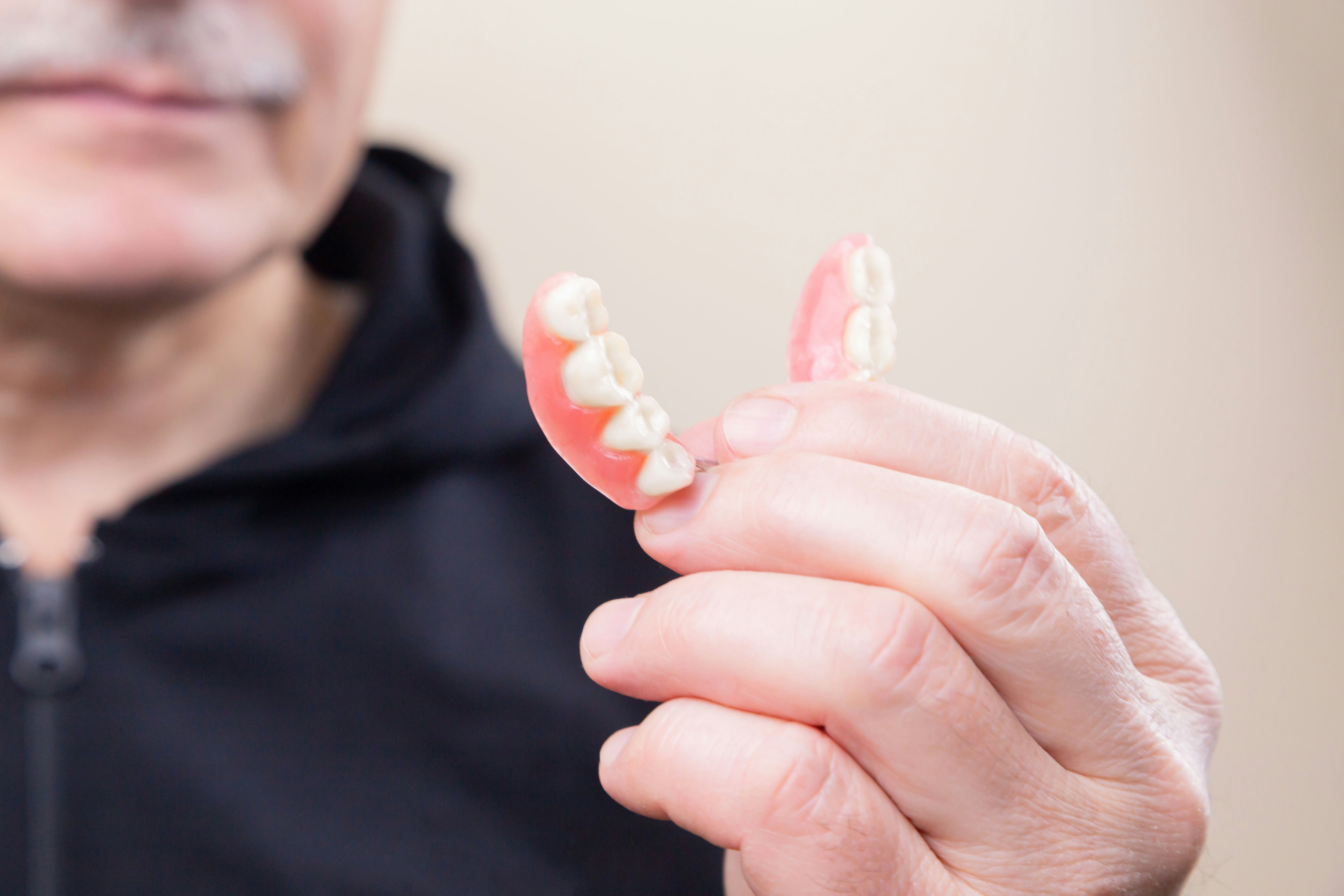
Introduction to Mandibular Partial Dentures
Mandibular partial dentures are a type of removable dental prosthesis specifically designed to replace one or more missing teeth in the lower jaw. These devices serve an essential purpose in restoring both function and aesthetics for individuals who have lost teeth due to various reasons, including decay, trauma, or periodontal disease. The primary goal of mandibular partial dentures is to improve the patient’s ability to chew, speak, and smile confidently, thus enhancing their overall quality of life.
The design of a mandibular partial denture incorporates a flexible base, which is critical for comfort and adaptability. Unlike traditional rigid dentures, a denture with a flexible base is made from materials that allow for more natural movement within the patient’s mouth. This flexibility not only provides a more secure fit but also minimizes irritation to the gums, making the wearer feel more at ease. The design enables precise retention, allowing the denture to stay in place even during normal activities such as eating and speaking.
It is important to note the distinction between fixed and removable dentures. Fixed dentures, commonly known as dental bridges, are cemented onto existing teeth and cannot be removed by the patient. In contrast, removable dentures, such as those with a flexible base, can be taken out for cleaning and maintenance. This feature is advantageous for individuals who prefer easier hygiene management. Additionally, mandibular partial dentures can be designed to suit the specific needs of the patient, ensuring optimal functionality while providing a natural appearance.
Overall, mandibular partial dentures with a flexible base are vital components in modern dental prosthetics, allowing many individuals to regain their smile and functionality after tooth loss.
What is a Flexible Base?
A flexible base refers to a specific construction material utilized in the fabrication of mandibular partial dentures, designed to enhance the overall functionality and comfort of the denture. Traditionally, denture bases were rigid, utilizing materials such as acrylic, which often resulted in discomfort during prolonged wear. In contrast, flexible bases, typically made from thermoplastic resins, offer a softer, more adaptable alternative, providing the wearer with a greater sense of comfort and a more natural feel.
The primary characteristic of flexible bases is their ability to bend and conform to the contours of the oral cavity. This adaptability allows the dentures to cushion against the hard tissue of the jaw, significantly reducing the pressure points that often cause discomfort with traditional rigid bases. As a result, patients are less likely to experience soreness, making it easier to adjust to wearing a mandibular partial denture flexible base.
Among the materials used for flexible bases, thermoplastic resins, specifically nylon and polyvinyl chloride (PVC), are the most common. These materials are known for their durability and resistance to impact and wear, creating a long-lasting product that can withstand daily use. Furthermore, the translucency of some flexible base materials can mimic the appearance of natural gums, thereby enhancing the aesthetic appeal of the dentures. This quality addresses concerns regarding the visibility of the denture base, promoting a more seamless integration into the user’s smile.
In addition to comfort and aesthetics, flexible bases also boast ease of use. Their lightweight nature allows for easier handling by the wearer, making insertion and removal simpler compared to traditional options. Overall, the implementation of flexible bases in mandibular partial dentures has transformed the experience for many individuals, providing a balance of comfort, durability, and visual appeal in dental prosthetics.
Benefits of Mandibular Partial Dentures with Flexible Bases
Mandibular partial dentures with flexible bases are gaining popularity among dental professionals and patients due to their numerous advantages. One of the primary benefits is enhanced comfort. The flexible base adapts naturally to the contours of the patient’s mouth, allowing for a more personalized fit compared to traditional rigid dentures. This flexibility reduces the likelihood of discomfort and irritation, particularly in sensitive gum areas, as the denture can move slightly with the jaw during regular activities such as eating and speaking.
Another significant advantage is improved aesthetics. Flexible base dentures offer a more discreet appearance, as they can be designed to blend seamlessly with the existing natural gums and teeth. This aspect is particularly beneficial for patients who may feel self-conscious about their dental appliances. The aesthetic appeal of flexible base mandibular partial dentures encourages greater social interaction and boosts overall confidence.
Moreover, the superior fit provided by the flexible base contributes to better oral health. A snug and comfortable fit means that the denture is less likely to shift during use, leading to fewer instances of irritation and sore spots on the gums. This stability can enhance the patient’s ability to chew effectively, subsequently promoting better nutrition and overall well-being.
Long-term satisfaction is another noteworthy benefit of flexible base mandibular partial dentures. Patients often report feeling more satisfied with the long-term performance of these appliances compared to traditional options. With proper care and maintenance, flexible base dentures can last for years, providing reliable function and comfort, which ultimately leads to increased patient adherence to wearing these devices.
Design and Customization of Flexible Base Dentures
The design and customization of a mandibular partial denture with a flexible base is a critical aspect of restorative dentistry that significantly impacts patient comfort and functionality. To begin this complex process, a thorough consultation with the patient is essential. This initial meeting allows dental professionals to gather relevant medical history, assess oral health conditions, and understand the specific needs and preferences of the patient. Such detailed attention helps in developing a personalized treatment plan that takes into account not only aesthetic considerations but also functional requirements.
Once the consultation phase is complete, the next step involves a comprehensive examination of the patient’s oral anatomy. Dental professionals employ various techniques to record the dimensions and morphology of the oral cavity, such as dental impressions and digital scanning technology. This data is pivotal in creating a masterpiece that complements individual ridge contours and gum lines, ensuring an ergonomic fit. Customized mandibular partial dentures with flexible bases are particularly beneficial as they offer superior adaptability to the natural movements of the mouth, reducing the risk of discomfort often associated with traditional, rigid designs.
In recent years, advancements in denture fabrication technology have played a transformative role in the design process. Techniques such as computer-aided design (CAD) and computer-aided manufacturing (CAM) allow for precise adjustments and rapid production. These technologies help ensure that the flexible base fits snugly and conforms to the dynamic nature of the oral environment during daily functions such as chewing and speaking.
Throughout this process, the role of dental professionals cannot be overstated. Their expertise in evaluating the fit, function, and aesthetics of the flexible base denture ensures that patients receive a well-fitted and functional device. Regular follow-up appointments are crucial for monitoring oral adaptation and making any necessary modifications, thereby promoting long-term satisfaction.
Care and Maintenance of Flexible Base Dentures
Proper care and maintenance of mandibular partial dentures with flexible bases are essential to ensure their longevity and effectiveness. These dentures require specific attention due to their unique materials and construction. Regular cleaning is fundamental in maintaining both the denture and oral hygiene. To clean your flexible base denture, utilize a soft-bristle toothbrush along with a non-abrasive cleanser formulated specifically for dentures. Avoid using regular toothpaste, as it may scratch the surface and compromise the integrity of the material. Gently brush all surfaces of the denture to remove debris and bacteria, ensuring a thorough cleaning process.
Additionally, immerse the dentures in a denture cleaning solution or a mixture of warm water and vinegar periodically. This helps to eliminate tartar build-up and maintain a fresh appearance. After cleaning, make sure to thoroughly rinse the dentures before placing them in your mouth to avoid any irritation caused by cleaning agents. It is also advisable to store the dentures in a protective case when not in use. Keeping them moist in a container of water prevents drying, which could lead to deformation.
Handling your flexible base dentures with care is equally crucial. When removing or inserting the dentures, do so over a soft surface like a towel or basin to prevent them from breaking if they slip from your hands. Furthermore, it is important to regularly check for any changes in fit or comfort. If you experience discomfort or if the denture seems loose, consult your dentist for adjustments. Common pitfalls include neglecting regular cleaning and allowing the dentures to dry out, both of which can cause damage and contribute to oral health issues. By following best practices for care and maintenance, you can extend the life of your mandibular partial denture with a flexible base and enjoy a healthy smile.
Challenges and Considerations
While a mandibular partial denture with a flexible base offers numerous advantages, several challenges and considerations must be addressed to ensure optimal patient outcomes. One prominent issue is the longevity of these dentures. Flexible bases, although designed to be durable, can subject to wear and tear over time. This can potentially shorten their lifespan when compared to rigid counterparts, necessitating periodic evaluations and possible replacements. As such, careful consideration should be given to the material selection during the initial fitting process.
Another concern associated with flexible base dentures is the potential for misalignment. As these dentures are fabricated from a pliable material, they may be more susceptible to shifting, particularly if there is overall movement within the oral cavity. This shifting can lead to discomfort or improper fit, which might prompt patients to discontinue use. It may require further adjustments or even the need for re-molding to ensure that the denture remains comfortably anchored in place.
Furthermore, patient adaptation to a mandibular partial denture with a flexible base can prove challenging. While some patients may find these dentures more comfortable initially due to their softer structure, others may struggle to adapt to the sensation and stability they provide. It is crucial for dental professionals to prepare patients for this transition, as well as to address any concerns regarding speech or functionality that might arise during the adjustment period.
Finally, the choice between a flexible or rigid base presents an important consideration. Dentists must evaluate the specific clinical situation, including the extent of edentulous areas and the patient’s anatomical features. Selecting the appropriate solution can significantly impact long-term success, highlighting the importance of individualized treatment plans that are informed by patient needs and preferences.
Comparing Flexible Base With Traditional Dentures
When evaluating options for mandibular partial dentures, understanding the differences between flexible base dentures and traditional rigid dentures is crucial. The two types offer distinct advantages and disadvantages in several key areas, including comfort, aesthetics, ease of adjustment, and overall patient satisfaction.
In terms of comfort, flexible base dentures are generally considered superior. They are made from thermoplastic materials that are soft and pliable, allowing for a snug fit against the contours of the mouth. This flexibility significantly reduces the chances of irritation and soreness, a common complaint among traditional rigid denture users. On the other hand, traditional dentures are typically made from acrylic or metal, which can sometimes create pressure points and discomfort during wear, especially for new users who require an adjustment period.
Aesthetics also play a vital role in denture selection. Flexible base dentures tend to blend more naturally with the gums, thanks to their translucent properties and a thinner profile. This allows for a more lifelike appearance, making them a popular choice for patients concerned about the visibility of their prosthetics. In comparison, traditional rigid dentures may stand out more due to their solidity, which can be less appealing in social situations.
When it comes to ease of adjustment, flexible base dentures have an edge due to their adaptability. They can be more easily modified or repaired, making it simpler for dental professionals to achieve a proper fit over time. Traditional dentures often require more extensive adjustments and can involve a longer turnaround for repairs. As a result, patient satisfaction may lean towards flexible base options, especially considering the emotional and social dimensions of denture wear.
Ultimately, the choice between flexible base and traditional proactive dentures is influenced by personal preferences and specific dental needs, warranting careful consideration and discussion with a dental professional.
Real-Life Experiences of Users
Users of mandibular partial dentures with flexible bases often report a significant improvement in their quality of life. One individual, Jane, a 54-year-old dental patient, shared how her dentures transformed her ability to eat comfortably. “Before getting my flexible base dentures, eating was a struggle. I found myself avoiding my favorite foods, which seriously affected my enjoyment of meals. Now, I can eat a variety of foods without fear of discomfort,” Jane stated. Her experience resonates with many, highlighting the practicality and comfort that these innovative dentures can provide.
Similarly, John, who has been using a mandibular partial denture with a flexible base for over a year, expressed satisfaction with the aesthetics of his new teeth. “I was worried about how artificial dentures would look. The flexible base made a huge difference. They blend in perfectly with my natural gums, and no one can tell I even have dentures,” John remarked. This aspect is crucial for many users who prioritize a natural appearance alongside functionality.
The emotional impact of using these dentures cannot be understated. Another user, Sarah, shared that her confidence has soared since she started using a flexible base denture. “I can smile wide without feeling self-conscious about my teeth. The flexibility and comfort allow me to speak and laugh freely,” she noted. Many users echo Sarah’s sentiments, finding that flexible partial dentures not only meet their functional needs but also improve their overall self-image.
It is essential to acknowledge that experiences may vary. Some users might face initial adjustments, but overall, the testimonials emphasize high satisfaction levels with mandibular partial dentures featuring flexible bases. These personal stories underline the positive influence these dental solutions have on individuals’ daily lives, contributing to their ability to eat, speak, and interact socially with confidence.
Consultation and Getting Fitted for Flexible Base Dentures
The journey toward obtaining a mandibular partial denture flexible base begins with an initial consultation with a dental professional. During this first meeting, the dentist will conduct a thorough evaluation of your oral health, taking into account the existing teeth, gum structure, and any medical conditions that may affect the treatment plan. It is vital for patients to communicate openly about their dental history and any concerns they may have, as this dialogue will inform the overall approach and customization of the denture.
After the assessment, the dentist will discuss the various options available, focusing on the advantages of a flexible base option. Patients can expect a detailed explanation of materials used, such as thermoplastic substances, which provide comfort and adaptability for the wearer. It is also crucial to address any questions regarding the wear experience, maintenance requirements, and possible adjustments needed during the acclimation period.
The next step involves making impressions of the mouth, which allows the dental technician to create a model for the flexible base denture. These impressions are vital, ensuring that the final product adheres snugly to the contours of the mouth, enhancing both function and aesthetics. Additionally, a bite registration may be taken to ensure the alignment and occlusion of the new denture with the existing teeth.
Following the creation of the preliminary model, a fitting appointment will be scheduled. During this visit, the dentist will check the fit of the flexible base mandibular partial denture, making any necessary adjustments to ensure optimal comfort and function. This process may involve minor modifications, allowing the patient to provide feedback on the appliance’s feel. With the proper adjustments made, the dentist will ensure that the patient is thoroughly informed on care instructions and what to expect during the adaptation period.
