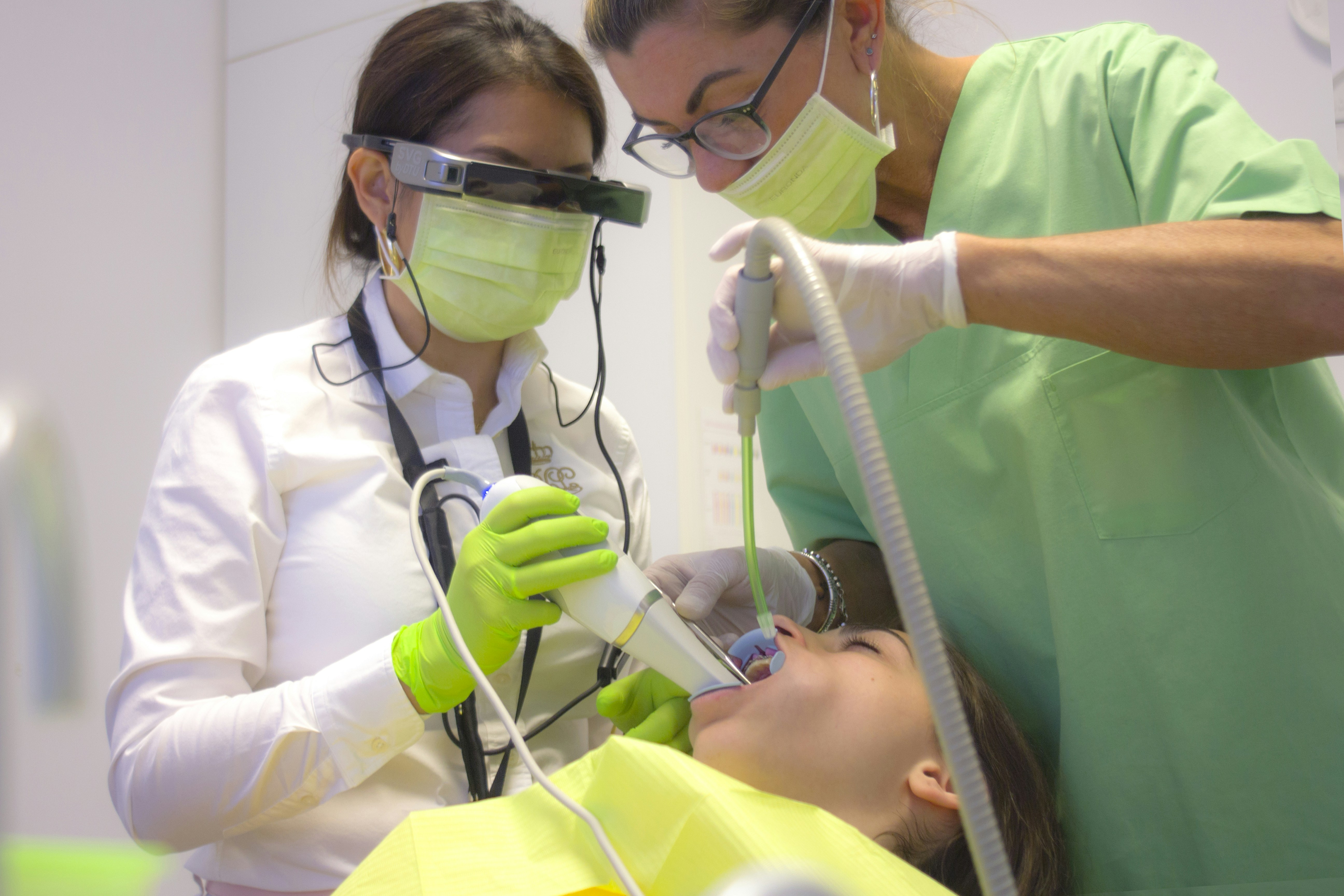
Introduction to Occlusal Adjustment
Occlusal adjustment is a dental procedure aimed at modifying the biting surfaces of teeth to ensure optimal contact during the chewing process. This adjustment is critical for improving both the function of the dental apparatus and the comfort level of the patient. Proper occlusion is essential for various aspects of dental health, as it directly impacts chewing efficiency, speech, and overall oral harmony.
The concept of occlusion itself refers to the way in which the upper and lower teeth come together when the mouth is closed. It is essential to achieve a balanced occlusion to prevent dental issues that may arise from malocclusion, such as tooth wear, sensitivity, and even temporomandibular joint disorders (TMJ). During the occlusal adjustment procedure, dentists assess the bite relationship and identify areas where excessive force may be applied, thereby leading to discomfort or dysfunction.
The limited occlusal adjustment dental code specifically pertains to the minor modifications of the occlusal surfaces that generally require less extensive intervention. This coding allows dental practitioners to document the adjustments made during treatment effectively. By using this code, dental professionals can ensure proper insurance reimbursement while providing quality care to their patients. Additionally, recognizing the significance of occlusion in dental health can help practitioners develop tailored treatment plans that address the unique needs of each patient. Through these adjustments, individuals often experience improved mastication ability, enhanced comfort, and alleviated symptoms associated with improper bite.
In summary, occlusal adjustment plays a vital role in maintaining dental health and enhancing patient comfort by addressing the relationships between the upper and lower teeth. Understanding its significance offers valuable insights into effective dental care practices.
What is Limited Occlusal Adjustment?
Limited occlusal adjustment refers to a specific dental procedure aimed at modifying the occlusal surfaces of a restricted number of teeth. Unlike comprehensive occlusal adjustment, which addresses a more extensive area of the dental arch, limited adjustments focus on fine-tuning the occlusion of select teeth, which can significantly impact the overall dental function and health of a patient.
The limited occlusal adjustment procedure is performed to correct minor discrepancies in the bite, often identified during routine dental examinations or after the placement of dental restorations, such as crowns or bridges. This procedure can help alleviate discomfort and enhance the fit of prosthodontic appliances, ultimately improving the patient’s quality of life. Additionally, it ensures that the occlusal relationship is optimized, promoting not only comfort but also functionality.
This type of adjustment is deemed “limited” primarily due to its specific focus on just a few selected teeth rather than a broader analysis of the entire dental occlusion. While the goal remains to achieve a harmonious occlusal relationship, the limited occlusal adjustment dental code is designed for instances where extensive alterations are unnecessary or impractical. It serves as a targeted solution for localized issues, providing a simpler and more efficient approach to dental adjustments.
In clinical practice, limited occlusal adjustments are frequently utilized in conjunction with other restorative procedures and can be a vital component of the overall treatment plan. By facilitating these enhancements, dentists can help prevent future dental complications and ensure the longevity of existing restorations. Understanding the nuances between limited and comprehensive occlusal adjustments enables dental professionals to offer tailored patient care, enhancing both the functional and aesthetic outcomes.
Dental Code for Limited Occlusal Adjustment
The limited occlusal adjustment procedure is identified by a specific dental code that enables dental professionals to categorize and bill for this treatment accurately. The official terminology associated with the limited occlusal adjustment dental code is pivotal for clinical documentation and insurance reimbursement. In most coding systems, such as the Current Dental Terminology (CDT) maintained by the American Dental Association (ADA), the relevant code for limited occlusal adjustment is D7910. This code is designated for procedures involving the selective grinding of occlusal surfaces, primarily to enhance the occlusion and function of the patient’s bite.
When dental professionals undertake a limited occlusal adjustment, they carefully assess the occlusal surfaces of the teeth, ensuring that any necessary adjustments are methodically implemented. The essence of coding lies in portraying the exact nature of the procedure performed, which is critical for accurate billing and reimbursement processes within the healthcare industry. Each code corresponds to a defined procedure, and using the correct code minimizes confusion and expedites payment by insurance providers.
Dental codes also serve an essential role in maintaining clinical records and assessing treatment effectiveness over time. When a provider documents an occlusal adjustment utilizing dental code D7910, it alerts insurance companies to the specifics of the treatment rendered, facilitating smoother claim processes. Proper coding is particularly vital in establishing the medical necessity of services and the continuity of care for patients, ensuring they receive the appropriate support without unnecessary delays.
In conclusion, understanding the dental code for limited occlusal adjustment is crucial for both practitioners and patients. This knowledge aids in effective communication with insurance entities and enhances the understanding of the treatment’s significance in achieving optimal dental health.
Indications for Limited Occlusal Adjustment
Limited occlusal adjustment is often necessary in various clinical scenarios where dental conditions significantly impact a patient’s oral health and comfort. One primary indication is the presence of malocclusion, which refers to the misalignment of teeth or incorrect relationship between the upper and lower dental arches. Patients with malocclusion may experience uneven wear on their teeth, leading to further complications such as tooth sensitivity or periodontal issues. In these cases, a limited occlusal adjustment can help realign the occlusal surfaces of the teeth, promoting a more balanced bite.
Another critical indication arises from dental wear, which can occur due to bruxism (tooth grinding) or clenching. Over time, excessive wear can lead to altered occlusion, resulting in pain or discomfort. In such situations, a limited occlusal adjustment becomes essential for alleviating the discomfort associated with uneven occlusal contacts. This adjustment aims to redistribute the forces applied during chewing and other activities, minimizing the risk of further dental wear and associated issues.
Furthermore, patients may present with unilateral or bilateral discomfort caused by an unbalanced bite. Symptoms such as jaw pain, headaches, or facial discomfort are commonly reported. In these instances, the treatment often includes a limited occlusal adjustment to address the discrepancies in occlusal contact. A skilled dental professional conducts a thorough examination to identify the specific areas of concern, ensuring that the adjustment is tailored to the individual’s unique dental needs. By focusing on the precise areas requiring intervention, a limited occlusal adjustment not only alleviates immediate discomfort but also improves overall oral function and patient satisfaction.
Procedure of Limited Occlusal Adjustment
The procedure of limited occlusal adjustment involves a systematic approach that encompasses various diagnostic steps, utilization of specific tools, and a careful methodology aimed at achieving optimal dental health. Initially, the process begins with a thorough examination and assessment of the patient’s occlusion. This often includes taking a complete medical and dental history, along with a clinical examination to identify any signs of occlusal discrepancies, such as wear facets, occlusal interferences, or signs of temporomandibular joint (TMJ) dysfunction.
Diagnostic tools play a crucial role in accurately identifying the need for a limited occlusal adjustment. Articulating paper, for instance, is frequently employed to obtain precise markings of occlusal contacts during the patient’s occlusive function. This visual feedback allows the dental practitioner to pinpoint high spots and other areas requiring adjustment. Additionally, the use of diagnostic casts or digital scans can aid in visualizing the occlusal relationships more comprehensively.
Once diagnostics are complete, the dentist proceeds with the actual occlusal adjustment. Utilizing specialized instruments such as hand-held dental tools or a motorized handpiece, selective tooth reduction is performed on specific teeth to create an even occlusal plane according to the diagnostic findings. This adjustment aims not only to alleviate discomfort but also to enhance the overall function of the patient’s bite. It is crucial that adjustments are made conservatively, ensuring that only minimal enamel is removed to maintain tooth integrity.
Post-adjustment protocols are equally important for achieving successful outcomes. Patients are advised on proper oral hygiene and may be scheduled for follow-up appointments to monitor the stability of the occlusal changes. Educating patients about the potential for temporary sensitivity or discomfort post-adjustment is also a vital component of the procedure, ensuring they are well informed and comfortable throughout their dental care journey.
Potential Benefits of Limited Occlusal Adjustment
Limited occlusal adjustment is a dental procedure aimed at enhancing the alignment of the occlusal surfaces of the teeth. One of the primary benefits of this adjustment is the relief it can provide from discomfort. Many patients experience tension, pain, or headaches due to misaligned teeth or improper bite relationships. By correcting these issues through a limited occlusal adjustment, patients often report a significant decrease in pain and discomfort, leading to a markedly improved quality of life.
Another notable advantage is the improvement in chewing function. Patients with occlusal discrepancies may struggle while chewing, leading to difficulties in processing food, which can ultimately affect nutrition and eating habits. Through a limited occlusal adjustment, the distribution of biting forces can be optimized, which not only restores functionality but can also enhance overall oral health. Patients often share their satisfaction about the ease with which they can now chew, enjoying meals without hesitation and with greater ease.
Moreover, limited occlusal adjustment can play a preventative role by addressing issues before they escalate into more serious dental problems. Misalignment can lead to excessive wear on certain teeth, periodontal disease, or even temporomandibular joint (TMJ) disorders. By proactively adjusting the occlusion, dentists can minimize the risk of these complications, saving patients from potentially invasive procedures in the future.
Patient testimonials often highlight transformative experiences following their limited occlusal adjustment. Many individuals express gratitude for regaining their comfort during daily activities, from eating to speaking. These real-world accounts underscore the tangible benefits of the procedure, demonstrating how addressing occlusal issues can lead to enhanced well-being and improved dental health.
Challenges and Considerations
Performing a limited occlusal adjustment entails various challenges and considerations that dental professionals must navigate to ensure successful outcomes. One of the primary risks associated with this procedure is the potential for over-adjusting or under-adjusting the occlusion. Over-adjustment can result in discomfort, pain, and even functional challenges for the patient, compromising the initial intent of the treatment. Conversely, under-adjustment may fail to address the specific issues at hand, potentially leading to unresolved functional or aesthetic concerns and necessitating additional interventions.
Patient discomfort is another crucial consideration during the process of a limited occlusal adjustment. The dentist must remain attuned to the patient’s feedback throughout the procedure, recognizing that discomfort may signal the need for adjustments in technique or approach. Effective communication is vital, as it can improve patient understanding and cooperation, optimizing the overall experience and satisfaction. Dentists should also be aware of varying sensitivity levels among patients and adjust their methods accordingly to alleviate any discomfort.
In addition to the technical and patient-centered aspects, ethical considerations play a significant role in formulating treatment plans involving limited occlusal adjustments. Dental professionals are tasked with evaluating the necessity and potential impact of the procedure on the patient’s overall oral health. Therefore, a thorough assessment of the patient’s condition, as well as a discussion of potential risks and benefits, should precede any decisions on treatment. Consideration of long-term outcomes and patient well-being should always guide these discussions, ensuring that the chosen course of action aligns with the best interests of the patient. By approaching limited occlusal adjustments with a comprehensive understanding of these challenges and considerations, dental professionals can uphold the quality and efficacy of care provided.
Follow-Up and Aftercare
After undergoing a limited occlusal adjustment, it is essential for patients to prioritize follow-up appointments and proper aftercare to ensure the effectiveness of the procedure. Following the adjustment, dental professionals typically recommend a follow-up visit within a few weeks. This timeframe allows the dentist to evaluate the results of the adjustment and make any necessary modifications. The first follow-up appointment is crucial as it confirms that the occlusal changes have led to the desired improvement in dental function and comfort.
During these follow-up visits, patients can expect a thorough examination of their bite alignment and overall oral health. Dentists will assess how the adjusting of the occlusal surfaces has affected the patient’s oral functions. Any issues that may arise, such as discomfort or difficulty in chewing, can be addressed during these consultations. It is also an opportunity for dentists to check for any complications, ensuring that the changes are stable and beneficial.
In addition to attending follow-up appointments, patients play a vital role in their own aftercare. It is advisable to practice good oral hygiene, which includes regular brushing and flossing, to maintain optimal dental health post-adjustment. Patients should also adhere to any dietary recommendations provided by their dentist. For instance, avoiding hard or sticky foods immediately after the procedure can prevent undue stress on the teeth while they adapt to the new occlusal configuration.
Additionally, patients are encouraged to monitor their comfort levels and report any issues promptly to their dental care provider. This vigilant approach can enhance the longevity of the benefits derived from the limited occlusal adjustment. By combining diligent aftercare with regular follow-up visits, patients can receive the maximum advantage from their treatment, ensuring lasting results in oral health and function.
Conclusion and Future Perspectives
In concluding our exploration of limited occlusal adjustment dental codes, it is crucial to summarize the vital aspects discussed throughout this blog post. Limited occlusal adjustments are essential for addressing occlusal discrepancies that can lead to discomfort and other dental complications. The dental code associated with these adjustments aids in ensuring accurate claims submissions and tracking treatment effectiveness. Understanding how to properly document and apply these codes will not only enhance practice management but also improve patient outcomes.
The field of dentistry, particularly in occlusal adjustments, is rapidly evolving with advancements in technology and methodologies. Innovations such as CAD/CAM systems, digital imaging, and 3D printing are transforming the way dental adjustments are performed. These technologies allow for more precise corrections and offer patients a more comfortable and efficient treatment experience. Additionally, the increased use of tele-dentistry has also fostered a shift in how occlusal evaluations and adjustments are conducted, making it easier for practitioners to monitor and respond to patient needs.
Looking ahead, the future of limited occlusal adjustments in dental care promises to integrate further advancements that enhance precision and patient comfort. As research continues and new tools are developed, it will be vital for dental professionals to stay informed about best practices and updates in coding as it relates to occlusal adjustments. By embracing these changes, dentists can ensure that they are providing the highest quality of care to their patients while optimizing practice efficiency. Continuous education and adaptation will be key components in navigating the future landscape of dental occlusion, making it an exciting time for both practitioners and patients alike.
