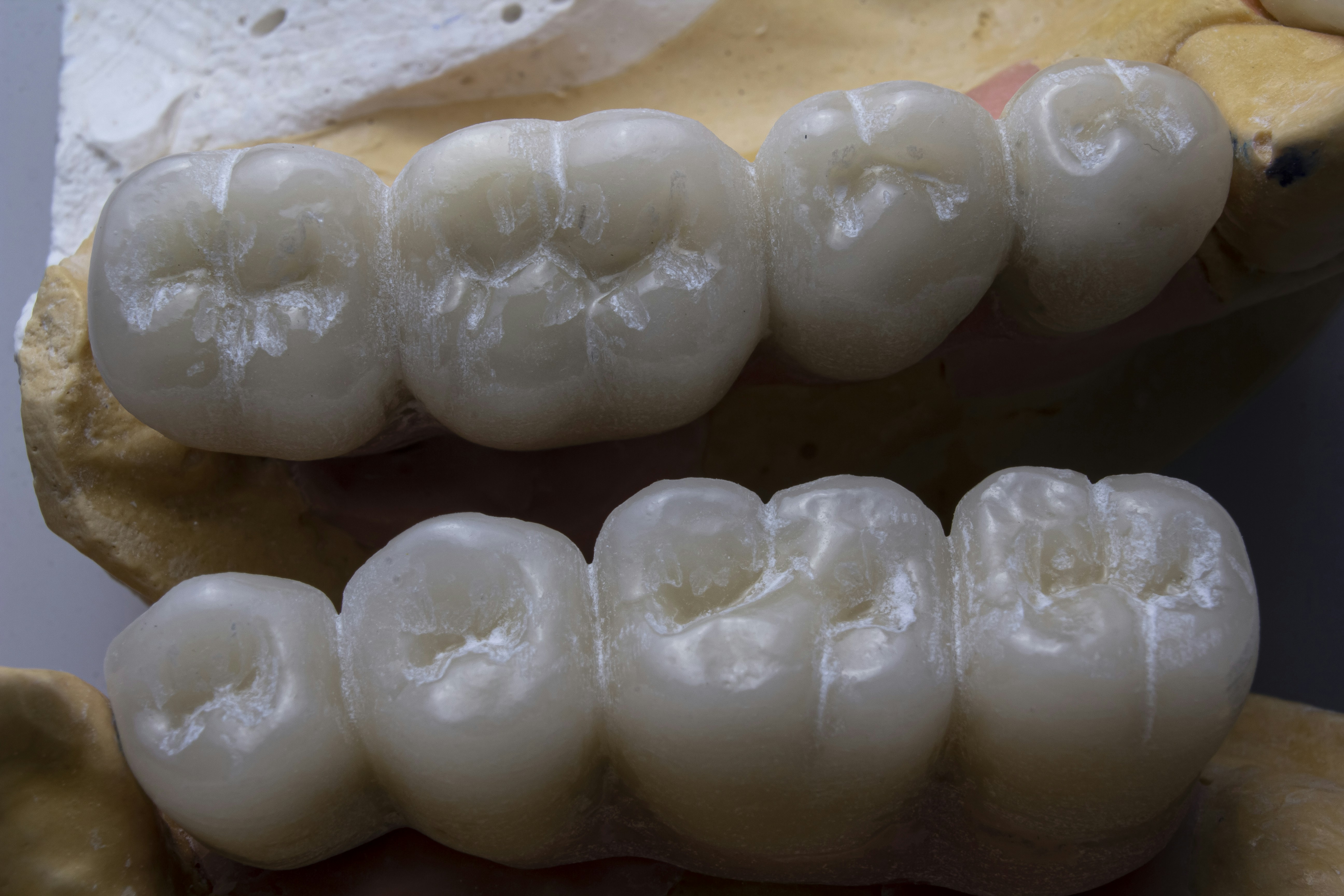
Introduction to Lateral Ridge Augmentation
Lateral ridge augmentation is a pivotal surgical procedure in the realm of dental implantology, primarily aimed at addressing significant bone deficiencies in the mandible or maxilla. Such deficiencies may arise due to various factors, including periodontal disease, trauma, or long-term tooth loss, which can lead to bone resorption. The importance of this procedure cannot be overstated, as the quality and quantity of existing bone directly influence the success of dental implants. Addressing lateral ridge deficiencies not only enhances aesthetics but also facilitates the functional capacity of dental restorations.
The key rationale behind lateral ridge augmentation is to restore the necessary bone width that is often compromised due to these conditions. When the lateral bone ridge thins, it poses a significant challenge for the placement of dental implants, which require sufficient support. In such cases, lateral ridge augmentation becomes essential to create a stable environment for the implants, thereby increasing the chances of successful integration with the bone. Techniques often employed in this augmentation procedure include the use of bone grafts, guided bone regeneration, and various biomaterials tailored to encourage bone growth.
Additionally, this surgical intervention is frequently categorized under specific dental codes, which allow for standardized communication and billing within the dental field. Understanding lateral ridge augmentation dental code is critical for practitioners as it aids in accurate documentation and streamlining the treatment process. The foremost goal of this procedure is to achieve adequate bone width, ensuring that subsequent implant surgeries can be performed effectively. With a restored lateral ridge, patients can expect improved outcomes in both function and aesthetics, marking a significant advancement in their dental health.
The Anatomy of the Lateral Ridge
The lateral ridge augmentation dental code is crucial for practitioners seeking to restore the alveolar ridge, which is essential in preparing a site for dental implants. Understanding the anatomy of the lateral ridge is critical for successful augmentation procedures. The lateral ridge comprises several important anatomical structures, primarily the buccal and lingual cortical plates, which form the outer boundaries of the alveolar bone.
Key landmarks in this region include the maxillary sinus in the upper jaw and the mandibular canal in the lower jaw. The presence and density of these areas play a significant role in determining the success of the augmentation procedure. For instance, the proximity of these anatomical features can affect the surgical approach and the amount of bone required to achieve successful implant placement.
Variations in anatomy are common and can significantly influence surgical outcomes. Factors such as the width of the ridge, the thickness of the soft tissue overlying the bone, and the presence of anatomical anomalies should be taken into account when planning for lateral ridge augmentation. These variations necessitate careful pre-operative imaging and assessment to tailor the procedure according to individual patient anatomy.
Furthermore, diagrams or imaging studies can be beneficial for visualizing these anatomical features, illustrating the impact of variations in the lateral ridge. A comprehensive understanding of anatomy directly correlates with enhanced surgical precision and overall patient satisfaction in augmentation outcomes. Thus, familiarity with both standard anatomical features and potential variations is essential for any clinician involved in procedures that utilize the lateral ridge augmentation dental code.
Indications for Lateral Ridge Augmentation
Lateral ridge augmentation is a critical procedure in dentistry, primarily indicated for patients experiencing inadequate bone volume in the maxillary or mandibular ridges. Such deficiencies often arise from circumstances such as severe bone resorption due to periodontal disease, trauma, or previous tooth extractions. These conditions impede the ability to place dental implants effectively. For patients who have lost significant bone structure, lateral ridge augmentation is essential to build a sufficient foundation that supports the insertion of implants.
One of the primary scenarios necessitating this procedure is dental implant planning. When the residual ridge is too narrow, there may not be enough bone to accommodate an implant. The lateral ridge augmentation dental code is thus employed to guide practitioners through the appropriate treatment protocols. This procedure not only fosters an optimal implant site but also enhances aesthetic outcomes by preserving the natural contours of the jaw.
Additionally, patient-specific factors play a crucial role in determining the need for augmentation. For instance, genetic predispositions can influence bone density and morphology, rendering some individuals more susceptible to severe bone resorption. Furthermore, lifestyle habits such as smoking or bruxism may exacerbate bone loss, consequently impacting the overall alveolar ridge structure. A thorough assessment of these factors is vital for clinicians to ascertain the necessity of lateral ridge augmentation in each case.
The integration of patient history and clinical examination findings will guide the dental professional in recommending the most suitable treatment options. Ultimately, addressing these indications helps ensure that patients achieve successful outcomes in their dental restoration goals.
Dental Codes Related to Lateral Ridge Augmentation
Lateral ridge augmentation is a crucial procedure in dentistry aimed at enhancing the alveolar ridge width to facilitate successful dental implant placement. Proper documentation and understanding of dental codes associated with this procedure are essential for both insurance billing and accurate record-keeping. Various codes govern different aspects of lateral ridge augmentation, each serving distinct purposes in the dental practice.
One of the primary codes used is the CPT (Current Procedural Terminology) code, which is essential for billing purposes. Specifically, the code 20900 is often referenced for bone grafting procedures, including those involved in lateral ridge augmentation. This code is critical as it designates the use of graft material for augmenting the dental bone structure in conjunction with implant placement.
In addition to the CPT codes, the International Classification of Diseases (ICD-10) codes are also vital. For lateral ridge augmentation associated with a bone defect, the ICD-10 code can include M89.0, which pertains to acquired deformities of the jaw and is necessary for comprehensive patient documentation. This code communicates the need for surgical intervention to repair or augment the ridge due to its inadequate dimensions for implant application.
Another relevant code is the D4263 within the Current Dental Terminology (CDT), which refers to the surgical access of a dental implant and can encompass grafting procedures as part of lateral ridge augmentation. The accurate application of these codes ensures that dental professionals can seek proper reimbursement while providing their patients with necessary treatments efficiently.
Overall, understanding and utilizing the appropriate lateral ridge augmentation dental codes is essential for ensuring compliance with insurance protocols and aligning procedural documentation with current billing practices.
Techniques for Performing Lateral Ridge Augmentation
Lateral ridge augmentation is a crucial procedure in dental implantology, aimed at enhancing the width of the alveolar ridge to support dental implants. Various techniques exist for performing this augmentation, each offering distinct advantages and disadvantages. The choice of method is often dictated by the clinical scenario, patient needs, and anatomical considerations.
One of the most commonly employed techniques is bone grafting. This method involves transplanting bone from another area of the body (autograft), using donor bone from a human source (allograft), or synthetic materials (alloplastic grafts). Autografts are particularly advantageous as they contain living cells and promote optimal integration with the existing bone; however, they require a second surgical site and can lead to increased morbidity. Allografts and alloplastic materials mitigate this concern but may have slower integration rates and potential for resorption. The lateral ridge augmentation dental code aligns with the documentation required for these procedures, ensuring proper insurance reimbursement and clinical tracking.
Guided bone regeneration (GBR) is another popular technique that employs a barrier membrane to direct the growth of new bone. This method allows for more predictable outcomes compared to traditional bone grafting, particularly in cases where less invasive techniques are preferred. GBR can use either resorbable or non-resorbable membranes, and the choice between them may affect healing time and complication rates. However, GBR can be technically demanding and may require additional materials and time to achieve successful results.
Lastly, synthetic bone substitutes, such as hydroxyapatite or other biomaterials, are increasingly being utilized in lateral ridge augmentation. Their biocompatibility and ability to stimulate bone growth present clear advantages. However, the acceptance of synthetic materials can vary among practitioners, which affects the adoption of this method in clinical practice. Understanding the lateral ridge augmentation dental code will be beneficial in accurately documenting the use of these techniques.
Healing and Aftercare Post-Augmentation
After undergoing a lateral ridge augmentation procedure, the healing process is crucial for ensuring the success of the augmentation and the overall restoration of oral function. Immediately following the procedure, patients can expect a standard recovery timeline of approximately 4 to 6 months, during which the bone graft material assimilates with the surrounding bone, a process critical for achieving stability and integrating the graft.
In the initial days post-surgery, swelling and discomfort are common. Patients are advised to manage pain and inflammation using prescribed medications or over-the-counter pain relievers. Ice packs may also be applied to the cheek area to help minimize swelling. It is essential to adhere to the dentist’s prescribed medication plan to facilitate a smoother recovery process.
Dietary restrictions during the healing phase are fundamental. Patients are encouraged to consume soft and easy-to-chew foods to avoid placing unnecessary strain on the surgical site. Foods such as yogurt, smoothies, and mashed potatoes are often recommended. It’s advisable to refrain from hot, spicy, or hard foods for at least the first week after surgery to prevent irritation and potential complications.
Monitoring for signs of successful integration is important. These can include a reduction in swelling, minimal discomfort, and the absence of unusual bleeding. Patients should also keep an eye out for any signs of complications, including persistent pain, fever, or discharge from the surgical site, which may indicate infection. In such cases, timely communication with the dental professional is essential.
Regular follow-up visits are a key component of the aftercare process. These appointments allow the dentist to assess healing and the integration of the graft material. By faithfully following these aftercare recommendations, patients can significantly enhance the prospects for successful healing following their lateral ridge augmentation procedure.
Potential Risks and Complications
Lateral ridge augmentation is a critical procedure aimed at restoring the width of the alveolar ridge to accommodate dental implants. However, like any surgical intervention, it carries certain risks and potential complications that patients should be aware of. Understanding these risks can help individuals make informed decisions regarding their dental health.
Minor complications associated with lateral ridge augmentation typically include swelling, bruising, and discomfort at the donor or recipient sites. These symptoms are relatively common and usually subside within a few days post-surgery. Infection is another risk, which can arise if post-operative care instructions are not followed. It is vital for patients to adhere to their dentist’s guidelines on oral hygiene and attend follow-up appointments to monitor healing.
More serious complications, although less common, can occur. Graft failure is a significant concern, where the bone graft does not integrate properly with the existing bone. Factors contributing to graft failure may include inadequate blood supply, smoking, or systemic illnesses. Another serious complication can involve nerve damage, particularly if the procedure is performed in the lower jaw. This can lead to numbness, tingling, or pain in the areas supplied by the affected nerve, which can impact a patient’s quality of life.
Due to these potential risks, informed consent is crucial prior to undergoing lateral ridge augmentation. Patients must discuss their medical history, potential complications, and expectations for the procedure with their dental provider. This dialogue ensures that individuals are aware of the lateral ridge augmentation dental code and its implications, enabling them to weigh the benefits against the risks effectively.
Long-Term Outcomes of Lateral Ridge Augmentation
Lateral ridge augmentation is a crucial procedure in implant dentistry designed to enhance the width of the alveolar ridge, facilitating the placement of dental implants. The longevity and success of this procedure are influenced by several factors, including patient compliance, oral hygiene, and the quality of the graft material employed. Studies show that the long-term success rates of lateral ridge augmentation can vary but typically range between 75% and 95% depending on these influential factors.
One of the key determinants of the longevity of outcomes lies in patient compliance with postoperative care and maintenance protocols. Patients are encouraged to adhere to their dentist’s recommendations about dietary restrictions, activity levels, and the use of prescribed medications. Non-compliance can lead to complications, adversely impacting the success of the lateral ridge augmentation dental code as well as the eventual integration of dental implants.
Another critical factor is oral hygiene practices. Patients must sustain excellent oral hygiene to ensure the health of the augmented area and surrounding tissues. Regular dental check-ups play an essential role in monitoring the health of both the grafted site and the dental implants that follow. Professional cleanings, along with proper home care practices, significantly contribute to preventing infections that could compromise the surgical outcome.
The quality of the graft material used is also vital. Autogenous grafts tend to exhibit higher success rates than allografts or synthetic materials, with autografts allowing for better integration due to their biological compatibility. Continuous advancements in graft materials and techniques are promising, aiming to enhance long-term outcomes associated with lateral ridge augmentation.
Lastly, proactive follow-up care and monitoring are integral to ensuring sustained health and functionality of implants placed in augmented sites. Regular assessments allow for early detection and management of potential complications, thereby supporting the overall success of lateral ridge augmentation procedures.
Conclusion and Future Directions
In concluding this comprehensive guide to lateral ridge augmentation and its associated dental codes, it is evident that understanding the complexities of this procedure is crucial for both practitioners and patients. Lateral ridge augmentation, often essential for patients lacking sufficient alveolar bone for successful dental implants, is a procedure that not only enhances bone volume but also plays a pivotal role in overall dental treatment planning. The awareness of specific dental codes, such as the lateral ridge augmentation dental code, contributes significantly to accurate documentation, proper billing, and effective communication among dental professionals.
The discussions presented highlight how advancements in techniques, such as the use of guided bone regeneration and innovative grafting materials, are shaping the landscape of dental implantology. Current trends indicate a growing emphasis on minimally invasive procedures that not only improve patient comfort but also ensure quicker recovery times. This evolution reflects the ongoing commitment within the dental community towards achieving better clinical outcomes through enhanced procedural protocols and patient-centric practices.
Looking forward, it is imperative to consider the potential impact of emerging technologies on lateral ridge augmentation. Techniques such as 3D printing for custom bone grafts and advancements in regenerative medicine, including stem cell therapies, could revolutionize the field, allowing for more effective and predictable outcomes. These innovations promise not only to elevate the precision of lateral ridge augmentation but also to optimize overall patient care. The integration of state-of-the-art imaging and surgical planning software into daily dental practice may further support the customization of treatment plans, thereby improving success rates in lateral ridge augmentation procedures.
Ultimately, the future of lateral ridge augmentation and its related dental codes appears promising, with ongoing research and development likely to lead to refined methods that enhance both procedures and patient experiences.
