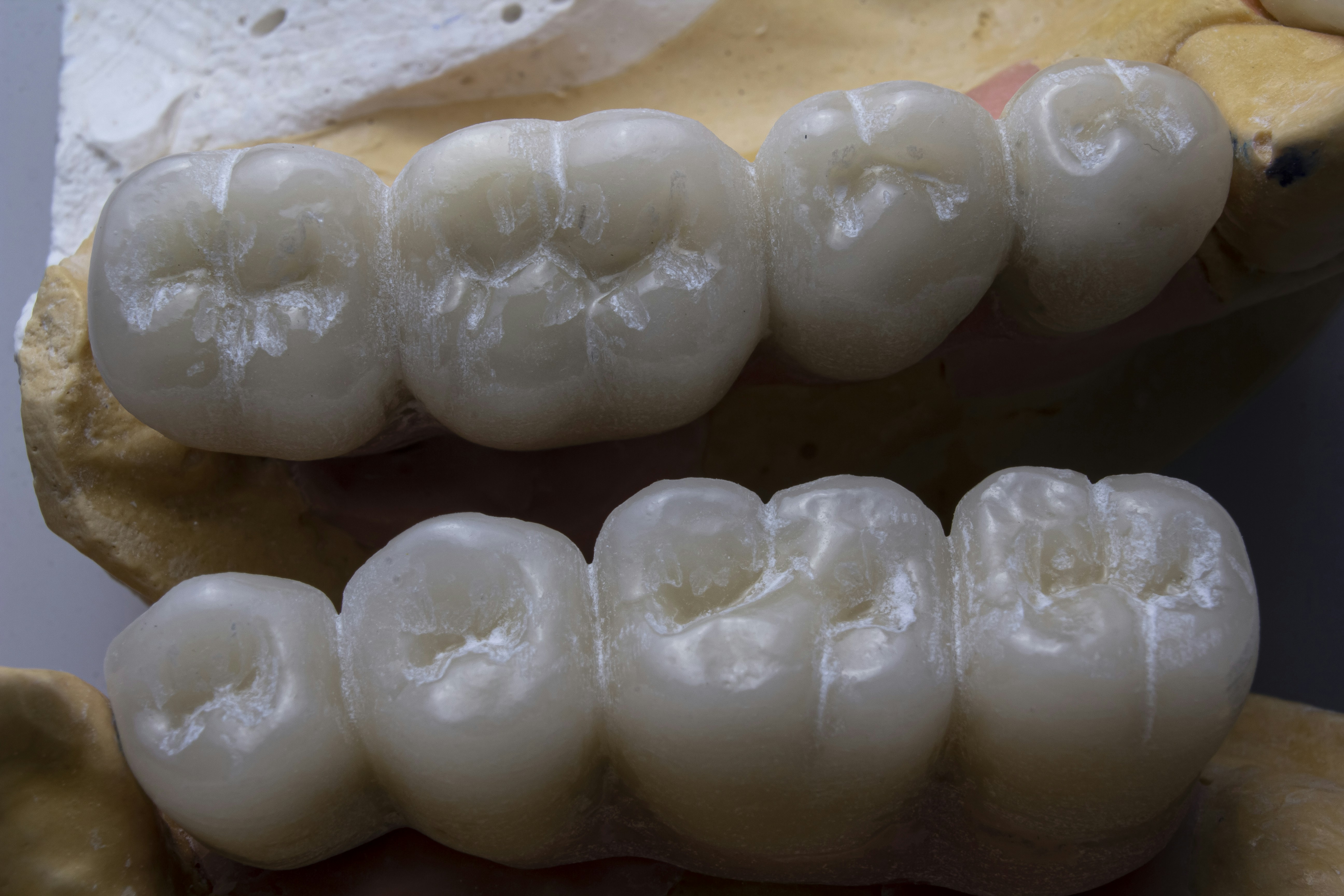
Introduction to Implant Supported Bridges
Implant supported bridges represent a significant advancement in restorative dentistry, providing a solution for patients who are missing multiple teeth. Unlike traditional dental bridges, which rely on adjacent natural teeth for support, implant supported bridges utilize dental implants as anchors. This distinction is vital, as it allows for a more stable and durable restoration, minimizing the potential impact on surrounding teeth.
The fundamental design of an implant supported bridge involves placing one or more implants into the jawbone, which then serves as a solid foundation for the bridge. This method not only enhances the mechanical strength of the restoration but also preserves the health of the jawbone. By stimulating the bone through the dental implants, patients can maintain bone structure and density, which might otherwise deteriorate due to tooth loss.
Aesthetic considerations are key to the increasing popularity of implant supported bridges. These bridges can be designed to closely match the color and shape of natural teeth, resulting in a seamless integration into the patient’s smile. This leads to higher satisfaction rates, as patients are often concerned not only about function but also about the visual outcomes of their dental treatments.
Functionally, implant supported bridges offer numerous advantages. They allow patients to chew and speak more effectively compared to removable dentures or traditional bridges that may shift or slip. Additionally, they can improve the patient’s overall oral health by preventing bone loss and reducing the risk of gum disease. Thus, understanding implant supported bridge dental codes becomes essential for proper treatment planning and insurance reimbursement, as these codes help in categorizing the procedures involved in the placement and restoration process.
The Basics of Dental Codes: An Overview
Dental codes serve as a standardized system that categorizes and identifies various dental procedures and services. These codes are essential for communication between dental professionals and insurance companies, ensuring that treatments are accurately documented and reimbursed. The coding system primarily relies on the Current Dental Terminology (CDT) codes developed by the American Dental Association (ADA). These codes provide a universal language that aids in streamlining dental practices and ensures clarity in billing procedures.
The purpose of dental codes extends beyond mere record-keeping; they play a pivotal role in managing treatment plans and ensuring that patients receive appropriate care. For instance, when a dentist performs a procedure such as placing an implant-supported bridge, specific codes are used to describe the work done. This precision helps in maintaining comprehensive patient records and facilitates efficient billing to insurance providers. The delineation of procedures not only benefits the practitioners but also helps patients understand the services rendered and their associated costs.
One of the key functions of dental codes is enhancing communication between dental professionals and insurers. By employing a uniform system of codes, dental practitioners can effectively convey the specifics of the procedures performed. Such clarity is crucial for obtaining prior authorizations and ensuring that the insurance claims are processed without discrepancies. Furthermore, the use of these codes helps in analyzing treatment trends and facilitating research, ultimately contributing to improvements in dental care practices.
In conclusion, understanding the basics of dental codes, including those related to implant-supported bridges, is vital for both dental professionals and patients. These codes not only streamline administrative processes but also contribute to the overall quality of care delivered in dental settings.
Understanding Implant Supported Bridge Codes
Implant supported bridges are essential solutions for restoring missing teeth and enhancing oral functionality. The proper coding of these dental procedures is crucial for accurate billing and insurance claims. Various dental codes correspond to different aspects of implant supported bridges, and understanding these codes is vital for dental practitioners.
One of the primary codes associated with implant supported bridges is the Current Dental Terminology (CDT) code D7240, which represents the surgical placement of an implant. This code encompasses the entire procedure of inserting a dental implant to support a bridge or crown. Following the implant placement, the code D7272 is used for the removal of an implant, should it become necessary.
Subsequently, the codes D7320 and D7321 are used to describe the procedures involved in placing an abutment, which is pivotal for supporting the dental prosthetic. The abutments are critical components that connect the implant to the restorative bridge. Understanding the implications of these codes aids practitioners in documenting the various elements of the procedure accurately.
When it comes to the actual bridge, dentists employ codes such as D5931, which represents the addition of a retainer to an existing dental bridge. Moreover, codes like D6740 and D6750 correspond to the fabrication of a fixed bridge retained by implants, helping to clarify whether the bridge is porcelain-fused-to-metal or another material type.
Galvanizing practices to ensure the correct application of implant supported bridge dental codes not only facilitates smoother operations within a dental office but also contributes to better patient care. As such, dental professionals must remain diligent about the latest coding updates and their associated definitions, ensuring compliance and efficiency in their practices.
Commonly Used Implant Supported Bridge Codes and Descriptions
In the realm of dental procedures, utilizing standardized codes is essential for proper documentation and billing. Implant supported bridges are no exception, as they are assigned specific codes that facilitate the identification of treatment types and associated services. Below is a comprehensive list of commonly used implant supported bridge dental codes along with their respective descriptions.
One of the primary codes is D7240, which refers to the extraction of a tooth that has been impacted. This procedure is often a prerequisite for placing an implant in the designated area subsequently. Following extraction, a code such as D7241 outlines the surgical implantation of a dental device, effectively denoting the initial step in the restorative process.
After implant placement, the focus shifts to the development of the bridge, which is typically represented by the code D7260. This code pertains to the installation of an abutment and the subsequent preparations necessary to support the dental bridge. Each of these codes plays a crucial role in tracking a patient’s progression through their treatment plan.
Furthermore, D6600 refers to a definitive prosthesis for implant-supported bridges, serving as a consolidated descriptor for maintaining prosthetic replacements that utilize dental implants as anchors. Additional codes, such as D6206, relate to the addition of teeth to an existing bridge, emphasizing flexibility for patients who may need modifications to their existing treatments.
These codes collectively ensure that multiple aspects of implant supported bridge treatments are accurately recognized and billed within the dental healthcare system. By grasping the meanings behind these implant supported bridge dental codes, dental professionals can enhance their treatment plans’ clarity and efficiency, ultimately benefiting patient care.
How to Properly Document Implant Supported Bridges
Accurate documentation is essential when dealing with implant supported bridges, as it not only facilitates effective communication among dental professionals but also plays a crucial role in ensuring that patients receive the appropriate coverage from their insurance providers. Properly documenting implant supported bridges involves recording specific details pertaining to the treatment plan, procedure steps, and the use of relevant dental codes.
One of the key components of documentation is the correct use of dental codes associated with implant supported bridges. It is vital to familiarize oneself with the various codes, such as the implant supported bridge dental codes, which help categorize the procedures and ensure they are billed correctly. This includes identifying the correct codes for the implants, abutments, and prostheses, alongside any associated procedures such as bone grafting or sinus lifts that might be performed during the treatment.
Additionally, ensuring compliance with coding requirements involves maintaining thorough records of the treatment history, clinical findings, and the rationale for procedures conducted. This should encompass detailed notes on the patient’s condition, the diagnostic process, and the treatment goals defined. Providing clear and concise documentation not only aids in fulfilling insurance claims but also serves as a reference for future treatment decisions.
The implications of improper documentation can be significant, leading to delays in insurance reimbursements or even denials altogether. Additionally, it puts patients at risk of incurring unexpected expenses. Therefore, dental professionals need to prioritize meticulous record-keeping practices when working with implant supported bridges. This ensures that treatments are appropriately justified and coded correctly, safeguarding both the practitioner’s and the patient’s interests in the process of dental care and insurance claims.
Challenges and Issues with Coding for Implant Supported Bridges
Coding for implant-supported bridges poses a range of challenges that dental professionals must navigate to ensure proper reimbursement and optimal patient care. One significant issue is the discrepancy in coding practices among various providers and institutions. The lack of a standardized approach can lead to confusion, with different practitioners using different dental codes for similar procedures. This inconsistency not only complicates the billing process but also impacts data collection and analysis within the field, ultimately affecting the continuity of care for patients.
Another challenge stems from the inherent complexity of the procedures involved. Implant-supported bridges typically require multiple steps, including surgical placement of the implants, abutment attachment, and the final prosthetic construction. Each of these steps may involve different dental codes, which must be precisely documented to reflect the work performed accurately. Therefore, dental professionals face the dual task of ensuring that the right codes are applied while also being cognizant of any potential additional charges that might arise from complications during the process.
The implications of coding challenges extend beyond administrative complications. Incorrect or inconsistent coding for implant-supported bridges can lead to inadequate reimbursement from insurance companies. This not only affects the financial viability of dental practices but may also deter professionals from providing these advanced procedures, ultimately limiting patient access to innovative treatments. Appropriate coding is crucial for tracking outcomes and justifying the necessity of implant-supported bridges, emphasizing the importance of education and standardized practices in overcoming these challenges.
Addressing these issues is vital for enhancing the overall efficiency of dental practices. Dental professionals must engage in continuous education and collaborate with insurers and coding organizations to refine coding practices, particularly for implant-supported bridges. By doing so, they can help ensure that patients receive the highest level of care while minimizing potential reimbursement issues.
Insurance Considerations for Implant Supported Bridges
When considering implant supported bridges, understanding the role of insurance coverage is imperative for patients and dental professionals alike. The landscape of dental insurance can be complex, particularly with advanced procedures like implant supported bridges. Dental codes play a crucial role in determining insurance coverage for these types of treatments. Each code corresponds to specific procedures, influencing whether insurance will provide reimbursement for the work performed. Therefore, familiarity with relevant implant supported bridge dental codes is essential for smooth interactions with insurance providers.
One of the main challenges patients may face is the potential limitations imposed by their dental insurance plans. For many plans, coverage for dental implants and associated procedures can vary significantly. Some insurers might have a waiting period or might only cover a portion of the costs, which could include additional expenses not accounted for in the dental codes. It is vital for patients to have a thorough understanding of their plan’s policies on implant supported bridges, as coverage may be contingent on various factors, including the specific circumstances of the case and the codes used to bill the procedure.
To enhance the likelihood of receiving adequate reimbursement, patients are encouraged to advocate for themselves. This self-advocacy may involve initiating discussions with their insurance provider to clarify coverage information based on the dental codes associated with their treatment. Additionally, patients should keep meticulous records of all correspondence with their insurer, including claim denials and justifications for procedures. This comprehensive approach can be pivotal in ensuring that patients receive the financial support they deserve when pursuing implant supported bridges and similar procedures. As such, understanding the nuances of dental codes frequently becomes a necessary step in the process of obtaining insurance benefits.
Future Trends in Implant Supported Bridge Coding
The landscape of dental coding, particularly concerning implant supported bridges, is poised for transformation due to the ongoing advancements in technology and evolving practices within the dental profession. As dental care providers increasingly adopt innovative techniques, there is a strong likelihood that the coding structures employed for implant supported bridges will undergo significant updates. These modifications might reflect the complexity of procedures that incorporate cutting-edge technology such as 3D printing, digital impressions, and improved surgical protocols.
One potential trend is the introduction of more specific implant supported bridge dental codes that better categorize the various types of procedures and materials used. Currently, codes may not adequately represent the diversity of implant systems and treatment options available. Enhanced coding structures will facilitate improved documentation, providing insurers and providers with a clearer understanding of treatment modalities, thereby streamlining billing processes and reimbursement procedures. This will also enhance the comprehensiveness of patient records, ensuring accurate tracking of treatment progress and outcomes.
Additionally, the integration of digital technology into the field of dentistry is anticipated to influence documentation practices significantly. As the industry shifts towards a more digital landscape, there will be an increased emphasis on precision in coding, with improved interoperability between electronic health record (EHR) systems and dental practice management software. Such advancements will not only simplify the coding of implant supported bridges but also foster collaboration between providers, insurers, and patients through shared information access.
Furthermore, the growing importance of patient-centered care underscores the necessity of precise coding, as it directly affects treatment planning and patient outcomes. As we look ahead, the evolution of implant supported bridge dental codes will likely parallel these trends, promoting a system that values accuracy, efficiency, and enhanced patient experience in dental care.
Conclusion
Understanding implant supported bridge dental codes is vital for dental professionals who are tasked with the intricate work of managing patient care and navigating billing processes. Throughout this guide, we have explored the specific coding systems related to implant supported bridges, detailing the various codes and their applications. This includes the identification of the most commonly utilized codes, as well as the recognition of the unique requirements for documentation and patient eligibility.
The importance of accurate coding cannot be overstated, as it directly correlates with the efficiency of billing and reimbursement for dental services. Familiarity with implant supported bridge dental codes enables dental professionals to ensure that they are accurately compensated for the services they provide. It also contributes to maintaining a standard of practice that safeguards patient interests and promotes transparency in financial interactions.
Alongside this, continuous education on coding practices is crucial to keep pace with the evolving landscape of dental regulations. Professionals should actively engage in ongoing training and stay updated on any changes regarding implant supported bridge codes to prevent billing inaccuracies and improve patient care. This proactive approach fosters a culture of diligence within dental practices, ensuring that every clinical decision aligns with the established coding guidelines.
In conclusion, a comprehensive grasp of implant supported bridge dental codes is essential for optimizing both patient care and billing processes. By promoting rigorous understanding and adherence to these codes, dental professionals can provide high-quality services while minimizing errors and enhancing overall operational efficiency. A commitment to education within this domain will ultimately lead to improved outcomes for both practitioners and their patients.
