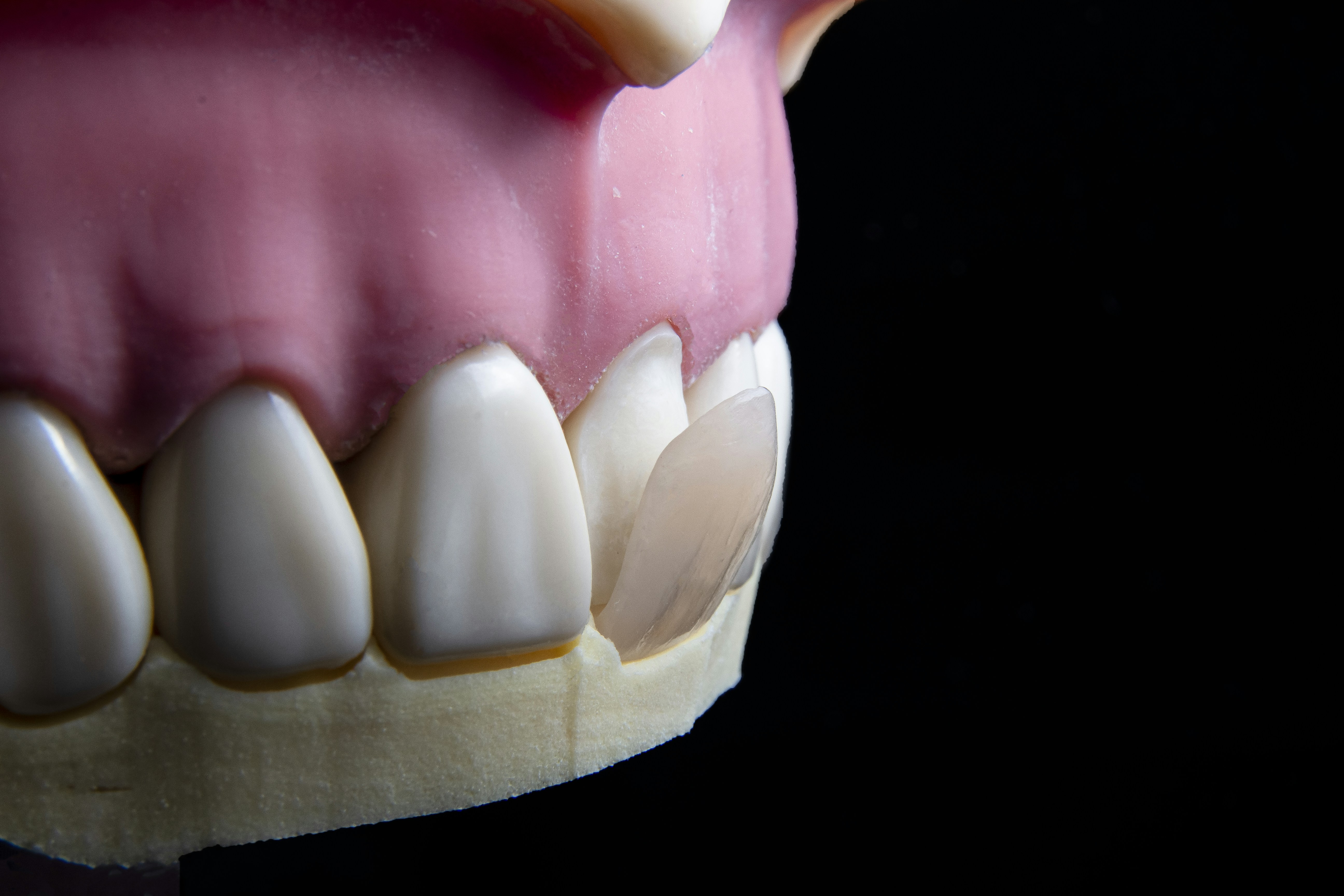
Introduction to Horizontal Ridge Augmentation
Horizontal ridge augmentation is a critical procedure in the field of dentistry, particularly when it comes to preparing the mouth for dental implants. This technique aims to increase the width of the alveolar ridge, which can become insufficient due to various factors such as tooth loss, bone resorption, or periodontal disease. When the jawbone loses density or mass, it can hinder the successful placement of dental implants, making horizontal ridge augmentation necessary in many cases.
Patients may find themselves in need of this augmentation for several reasons. Tooth loss, whether due to injury, decay, or extraction, often leads to a decrease in bone volume and density. Over time, the surrounding bone structure can shrink, which poses challenges for implant placement. Moreover, conditions that promote bone resorption, such as long-term denture wear or chronic oral health issues, can exacerbate this dilemma. Therefore, horizontal ridge augmentation becomes vital to restore the necessary bone volume and facilitate effective implant positioning.
The process involves grafting bone material, which can be autogenous (taken from the patient’s own body), allogeneic (from a donor), or synthetic, onto the deficient ridge. This additional bone eventually integrates with the existing bone, creating a robust foundation that can accommodate dental implants. The success of dental implant treatment depends significantly on a well-prepared ridge, thereby linking the need for horizontal ridge augmentation to better patient outcomes.
This procedure not only enhances the aesthetic and functional aspects of oral health, but it also plays a pivotal role in the long-term success of dental implants. By providing adequate support and stability, horizontal ridge augmentation is essential in restoring both form and function to patients who have experienced significant dental challenges.
The Anatomy of the Dental Ridge
The dental ridge, specifically the alveolar ridge, is a critical structure in the oral cavity that plays a vital role in supporting teeth and maintaining oral health. Composed of both bone and soft tissue, the alveolar ridge forms the upper and lower jaws where teeth are embedded. Its primary function is to provide stability and structural integrity to the dentition, facilitating a range of functions such as chewing and speaking.
The alveolar ridge is not a static structure; it undergoes a dynamic process influenced by dental health and activity. An essential aspect of the dental ridge is its composition, primarily consisting of cortical and cancellous bone, which together create a resilient framework for tooth roots. This structural make-up is crucial for any dental procedure, including implants. When a tooth is lost, the surrounding bone may begin to resorb, leading to horizontal ridge resorption. This phenomenon diminishes the width and height of the ridge, complicating future restorative efforts and potentially affecting the success of dental implants.
The significance of understanding the dental ridge extends to various clinical applications. Dental professionals often rely on the appropriate codes, such as the horizontal ridge augmentation dental code, to effectively document procedures related to ridge preservation and reconstruction. The implications of ridge resorption highlight the necessity for timely intervention for those requiring tooth replacements. Through techniques such as bone grafting or ridge augmentation, practitioners can restore the width and volume necessary for successful implant placement. This ensures the optimal foundation for artificial teeth, allowing for improved functional and aesthetic outcomes. The integral relationship between the alveolar ridge’s anatomy and dental procedures emphasizes the need for comprehensive knowledge in both fields.
Indications for Horizontal Ridge Augmentation
Horizontal ridge augmentation is considered a vital procedure in dentistry, particularly for patients facing challenges related to insufficient alveolar bone width. There are several indications that necessitate this augmentation, which typically arises in distinct circumstances, including tooth extraction, trauma, periodontal disease, and congenital defects.
One prominent indication for horizontal ridge augmentation occurs following tooth extractions. When a tooth is removed, there is often a significant loss of the surrounding bone structure. This phenomenon arises due to the lack of stimulation that teeth provide to the bone. Consequently, the horizontal ridge may become insufficient for future restorative procedures, such as implants. In such situations, the horizontal ridge augmentation dental code becomes essential for planning the appropriate response to restore both function and aesthetics.
Additionally, trauma can severely impact the integrity of the alveolar ridge. Injuries can cause not only bone loss but also a change in the shape and dimensions of the ridge. Horizontal ridge augmentation becomes crucial in these cases to rebuild the area, ensuring there is sufficient width to facilitate the placement of implants or other restorative techniques. This procedure is beneficial as it allows for improved outcomes when restoring the patient’s smile and functionality.
Another important factor is the presence of periodontal disease, a condition that may lead to the degradation of the supporting bone structures over time. Chronic periodontal problems can result in horizontal bone loss, thereby complicating the placement of dental implants. Augmenting the ridge enables the dentist to create an adequate foundation for subsequent treatments.
Congenital defects like a hypoplastic ridge can also indicate the need for horizontal ridge augmentation. These intrinsic issues necessitate intervention to achieve the desired bone volume needed for successful dental rehabilitations. Addressing these defects with horizontal ridge augmentation is essential for ensuring optimal long-term oral health.
Overview of the Dental Codes Related to Ridge Augmentation
Dental coding is an essential component of oral health care, notably concerning procedures like horizontal ridge augmentation. This type of augmentation is critical when there is insufficient bone density to support dental implants, thus making it a common procedure in restorative dentistry. The coding systems developed for dental practices, specifically the Current Dental Terminology (CDT) codes, play a pivotal role in ensuring accurate representation and billing of these procedures.
The CDT coding system is a comprehensive list of codes used to identify dental procedures and services. Each code is associated with a specific treatment method, which allows for streamlined communication among dental professionals, insurance providers, and patients. Within the CDT, there are specific codes tailored for ridge augmentation, which assist in denoting the various techniques and complexities involved in this procedure. For instance, codes might differentiate between simple and complex augmentations, enabling appropriate reimbursement based on the nature of the surgery.
Accurate dental coding is not just a matter of administrative necessity; it is vital for the financial viability of dental practices. Insurance companies rely on precise coding to determine coverage eligibility and reimbursement rates. Miscoding can lead to significant delays in payment or wrongful denials of a claim, which can adversely affect the dental practice’s cash flow. Therefore, understanding the horizontal ridge augmentation dental code and its proper application is imperative for dental professionals involved in oral surgery and restoration.
In conclusion, familiarizing oneself with the CDT codes related to horizontal ridge augmentation is crucial for ensuring both effective practice management and optimal patient care. The correct application of these codes aids in accurate billing, thereby facilitating smoother interactions between the dental office and insurance entities.
Types of Horizontal Ridge Augmentation Techniques
Horizontal ridge augmentation is a crucial procedure in dental implantology, primarily aimed at rebuilding the width of the alveolar ridge to ensure successful implant placement. There are several techniques for achieving this, each distinguished by the type of graft materials used and the methodologies applied. Notably, four prominent techniques include autogenous bone grafts, allografts, xenografts, and guided bone regeneration (GBR).
Autogenous bone grafts involve harvesting bone from the patient’s own body, commonly from the chin or the iliac crest. This technique is often considered the gold standard due to its excellent biocompatibility and osteogenic potential. The associated dental code for this method typically reflects the surgical complexity and materials used. However, the downside includes higher morbidity and the potential for a second surgical site, which may deter some patients.
Allografts utilize bone from a human donor, which undergoes rigorous processing to ensure safety and minimize immune reaction. The use of allografts can benefit patients requiring larger augmentations without additional surgical sites. Each allograft comes with specific codes that indicate the source and preparation of the graft material. Despite their advantages, the harvesting process may lead to unpredictability in bone integration.
Xenografts, sourced from animals, usually bovine, possess similar properties to human bone and are treated to enhance biocompatibility. These grafts are particularly appealing as they eliminate the need for donor site surgery. Nonetheless, the acceptance of these grafts can vary amongst patients, and careful consideration of their origin and processing is crucial.
Guided bone regeneration (GBR) employs barrier membranes alongside grafting materials to guide the bone healing process. This technique can often result in more predictable outcomes where space maintenance is critical. It is essential for dental professionals to understand the specific codes that apply to these procedures, as proper coding is vital for insurance reimbursements and patient transparency.
Ultimately, the choice of a technique for horizontal ridge augmentation depends on multiple factors, including patient needs, the extent of augmentation required, and the clinician’s expertise.
Insurance Coverage and Billing for Ridge Augmentation
Horizontal ridge augmentation, a procedure designed to increase the width of the dental ridge, often requires careful navigation through insurance coverage policies. Patients seeking this type of dental procedure should be aware that not all insurance plans offer comprehensive coverage for ridge augmentation. The first step for patients is to verify their eligibility for coverage by contacting their insurance provider. Understanding the specific dental codes associated with horizontal ridge augmentation can significantly impact the reimbursement process.
Dental codes, particularly those related to ridge augmentation, are crucial for ensuring that claims are processed correctly. The horizontal ridge augmentation dental code is specifically used to identify this procedure, and accurate coding can help mitigate the risk of claims being denied. Patients may want to consult with their dental office to confirm that the correct dental codes are utilized. These codes not only categorize the service but also determine its eligibility for coverage under the patient’s policy.
Additionally, it is essential for patients to inquire about any coverage limits imposed by their insurance plans. Some insurance providers may set annual maximums for dental procedures, which could restrict the amount they are willing to reimburse for horizontal ridge augmentation. Furthermore, certain plans may require pre-authorization before the procedure can be performed. This process may involve submitting specific dental codes and detailed treatment plans to justify the need for the augmentation.
In conclusion, navigating insurance coverage for horizontal ridge augmentation requires an understanding of the relevant dental codes and an awareness of eligibility criteria and limits. By effectively communicating with both their dental provider and insurance company, patients can enhance their chances of obtaining the necessary coverage for their treatment. As a result, proactive engagement in the billing process is vital for a smooth reimbursement experience.
Post-Operative Care and Follow-Up
After undergoing a horizontal ridge augmentation, it is vital for patients to follow a structured post-operative care plan to ensure optimal healing and the success of future dental implant placements. Initially, patients are advised to rest and avoid strenuous activities for at least 48 hours following the procedure. Elevating the head while resting can help minimize swelling, which is a common post-surgical occurrence.
Patients may also experience some discomfort or pain at the surgical site. To manage this, it is often recommended to take prescribed pain relief medications as directed by the dental professional. Additionally, maintaining a soft diet during the initial healing phase is crucial. This means avoiding hard or crunchy foods that may disturb the surgical area. Good oral hygiene practices should also be maintained, though patients should be cautious when brushing near the surgical site to prevent irritation.
Follow-up appointments are a critical component of post-operative care, typically scheduled within one to two weeks post-surgery. These appointments allow the dentist to monitor the healing process, assess the integration of the graft material, and identify any complications early on. Proper monitoring can significantly influence the success of the augmentation procedure, allowing for timely interventions if issues arise. Patients should be keen to report any unusual symptoms, such as excessive swelling, fever, or prolonged bleeding, to their dental provider promptly.
Moreover, the importance of adhering to follow-up recommendations cannot be overstated, as these visits ensure that the horizontal ridge augmentation is proceeding as expected. Success in ridge augmentation impacts future dental procedures, particularly the placement of dental implants, making vigilant post-operative care and follow-ups instrumental in overall treatment outcomes.
Potential Complications Associated with Ridge Augmentation
While horizontal ridge augmentation serves as a critical procedure for restoring bone volume and facilitating future dental implants, it is essential to recognize that it is not without potential complications. Patients must be informed about the risks involved to make educated decisions. One of the most significant risks is the possibility of infection. The surgical nature of the procedure opens pathways for bacteria to enter the site, leading to localized infections that may require antibiotics or additional procedures to resolve, further complicating the healing process.
Another area of concern involves graft failure. During horizontal ridge augmentation, bone grafts are utilized to enhance the width of the alveolar ridge. Despite advancements in materials and techniques, grafts can fail due to inadequate blood supply, movement of the graft, or the body’s rejection of the graft material. This could necessitate additional surgeries, increasing the complexity of the treatment plan and potentially delaying the timeline for implant placement.
Issues related to bone healing also warrant attention. After the augmentation procedure, the healing phase is crucial for the success of any subsequent dental implants. If the grafted material does not integrate properly with the existing bone, or if there are complications in the healing process, the result may be insufficient bone volume or quality, undermining the purpose of the original augmentation. Factors such as systemic diseases, smoking, or non-compliance with post-operative care can adversely affect healing outcomes.
In summary, while horizontal ridge augmentation dental codes represent a structured approach to treatment, understanding the associated risks such as infection, graft failure, and challenges in bone healing is crucial for patients. Being aware of these potential complications can empower individuals to engage actively in their dental health decisions and foster discussions with their dental professionals about mitigating these risks.
Future Trends in Ridge Augmentation Procedures
As the field of dentistry progresses, particularly in the realm of horizontal ridge augmentation, several emerging trends and advancements are shaping the future of these procedures. Innovations in materials, techniques, and technology are expected to enhance the efficacy and outcomes of ridge augmentation, ultimately improving patient experiences and results.
One key trend is the development of advanced biomaterials used in grafting and augmentation procedures. For instance, the incorporation of synthetic materials and advanced allografts offers improved biological compatibility and integration with the patient’s existing bone structure. These materials often support better healing and reduce the risk of complications, which is crucial for successful procedures coded under horizontal ridge augmentation dental codes.
Another significant advancement is the use of 3D printing technology in dental practices, allowing for the creation of custom implants and grafts tailored to individual anatomical needs. This personalization helps achieve optimal aesthetic and functional outcomes, enhancing the overall success rate of ridge augmentation surgeries.
Additionally, ongoing research in regenerative medicine is paving the way for utilizing stem cells and growth factors in dental procedures. These elements can potentially stimulate natural bone growth and regeneration, leading to a more predictable and effective augmentation process, further impacting the applications of the horizontal ridge augmentation dental code.
Moreover, minimally invasive techniques have gained favor among practitioners, which not only reduce recovery times but also minimize discomfort and improve patient satisfaction. Techniques like guided bone regeneration (GBR) are on the rise, emphasizing the need for precise, less traumatic treatments that align with modern dental practices.
As these trends continue to evolve, the focus will remain on developing safer, more efficient methods of horizontal ridge augmentation, ensuring that dental care remains at the forefront of innovation and patient-centric treatment.
