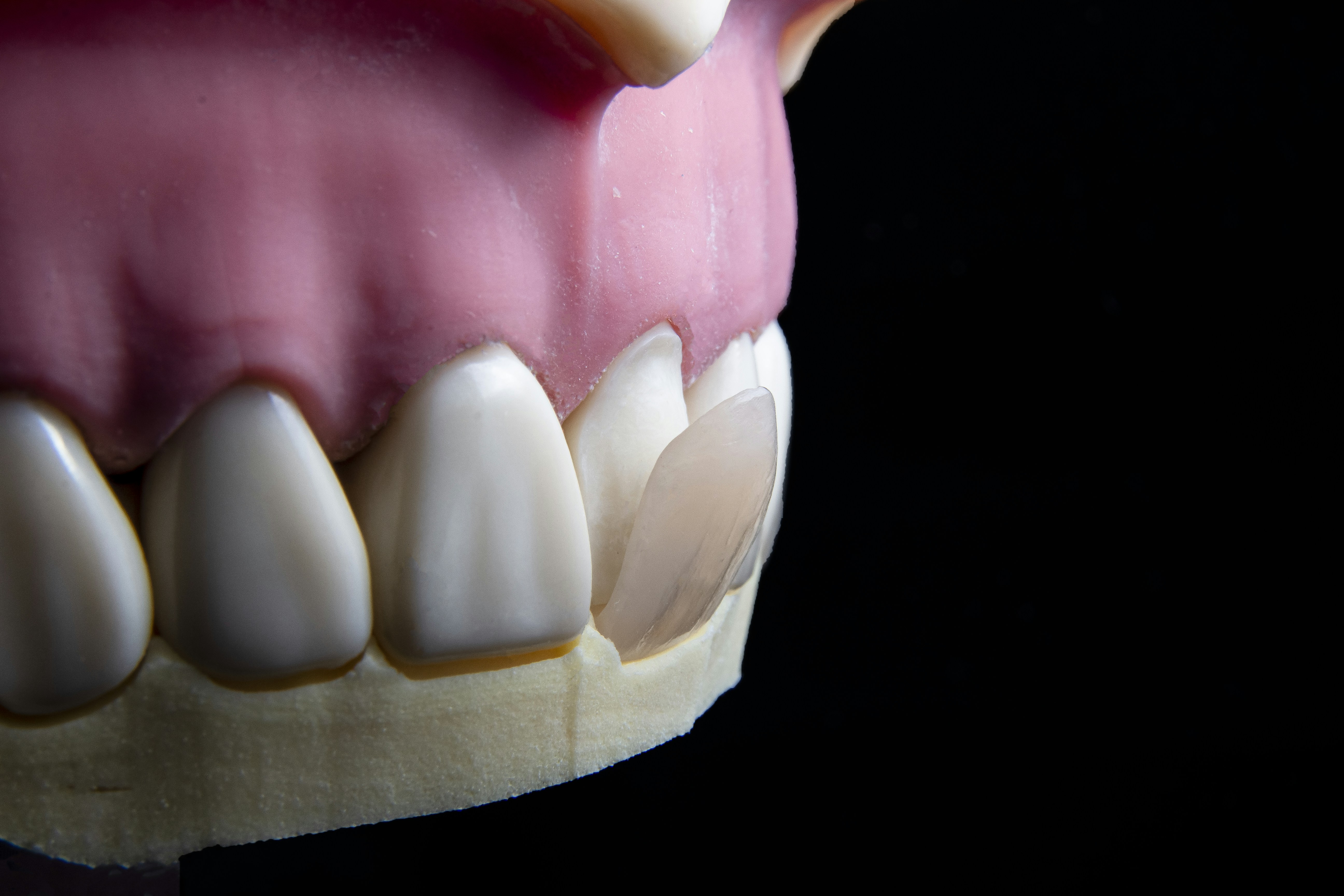
Introduction to Gingivectomy
A gingivectomy is a surgical procedure that involves the removal of a portion of the gum tissue surrounding the teeth. This dental intervention is primarily performed to treat conditions such as periodontal disease, where the gums may have become inflamed or infected, leading to the loss of supportive tissue. By excising affected gums, the procedure aids in reducing pockets that harbor bacteria, thereby promoting healthier gum tissue and improving overall oral health.
In restorative dentistry, gingivectomy plays a vital role in preparing the mouth for further dental treatments. When significant gum tissue is present, it can impede the placement of crowns, bridges, and implants. Therefore, gingivectomy for restoration dental code is frequently utilized to enhance the aesthetic and functional outcomes of these procedures. Additionally, this surgical intervention may be necessary to correct issues such as excessive gum tissue (gingival hyperplasia), which can lead to an uneven gum line and conceal the underlying crowns or teeth.
The benefits of undergoing a gingivectomy extend beyond mere aesthetics. Patients may experience improved oral hygiene, as the removal of diseased gum tissue allows for better access when brushing and flossing, ultimately reducing the risk of future dental problems. Moreover, a healthier gum environment can enhance the effectiveness of other restorative treatments, making it an integral component of comprehensive dental care. While the prospect of surgery might be daunting for some, understanding the underlying purpose and advantages of gingivectomy can ease concerns and emphasize its significance in achieving optimal dental health.
Indications for Gingivectomy
Gingivectomy is a dental surgical procedure often necessitated by specific clinical conditions. Understanding the indicators for this treatment is essential for dental practitioners aiming to achieve optimal patient outcomes. One prominent indication is the presence of periodontal disease, which encompasses inflammation and infection of the gum tissue. In cases where conservative treatment methods, such as scaling and root planing, fail to restore gum health, a gingivectomy becomes a viable option to remove diseased tissue and reduce pocket depths effectively.
Another indication for gingivectomy arises from the presence of excessive gum tissue, often referred to as gingival hyperplasia. This condition may result from certain medications, such as anticonvulsants or calcium channel blockers, or from genetic predispositions. Patients with an overgrowth of gum tissue can experience functional challenges, such as difficulty maintaining oral hygiene, which can lead to further periodontal issues. In such instances, gingivectomy allows for contouring of the gums, thereby improving oral hygiene and facilitating better maintenance of dental health.
Moreover, gingivectomy is frequently indicated as a preparatory step for restorative dental work. Before procedures like crowns, bridges, or implants, it is crucial to ensure that the gum tissue is healthy and well-contoured. Excessive or unhealthy gum tissue can interfere with proper restoration placement, potentially compromising both function and aesthetics. Thus, gingivectomy proves beneficial in creating a favorable environment for successful restorative outcomes.
In summary, understanding when to perform a gingivectomy for restoration dental code requires careful consideration of the patient’s clinical presentation, including periodontal disease, excessive gum tissue, and preparation needs for future dental work. Recognizing these indications ensures that practitioners can provide the most appropriate care tailored to their patients’ needs.
The Gingivectomy Procedure: Step by Step
The gingivectomy procedure represents a vital aspect of periodontal treatment, aimed at addressing gingival overgrowth or disease. The process begins with an initial consultation, where the dental professional assesses the patient’s oral health and determines the necessity of a gingivectomy for restoration dental code. During this visit, treatment options are discussed, and any questions regarding the procedure are addressed to ensure the patient is fully informed.
Once a decision is reached, the next phase involves the administration of anesthesia to ensure patient comfort during the surgical operation. Local anesthesia is commonly used; however, sedation options may be discussed depending on the extent of the procedure and patient anxiety levels. This step is crucial as it provides a pain-free experience, which is essential for both the dentist and the patient.
The surgical technique for gingivectomy typically involves making precise incisions to remove excess gum tissue effectively. Dental professionals may utilize either a scalpel or a laser for this purpose. Laser gingivectomy offers unique benefits, such as minimal bleeding and reduced postoperative discomfort. Regardless of the method, the success of the procedure largely depends on the skill and experience of the dentist performing it.
Post-operatively, patients are given detailed care instructions to promote healing and minimize complications. Common recommendations include avoiding certain foods, maintaining proper oral hygiene, and utilizing prescribed medications to manage discomfort or prevent infection. Recovery times can vary but typically range from a few days to a couple of weeks, during which patients should notice improvements in both comfort and gum appearance.
A thorough understanding of the gingivectomy procedure not only assists dental professionals in their practice but also empowers patients to actively participate in their oral health care journey.
Coding for Gingivectomy: An Overview
Coding plays a crucial role in dental practices, serving as a descriptive language that facilitates treatment documentation, insurance reimbursement, and patient record-keeping. Specifically, for procedures like gingivectomy, understanding the associated dental codes is essential. The coding system used in dentistry is often referred to as the Current Dental Terminology (CDT), which is maintained by the American Dental Association (ADA). This system provides a consistent method for dentists to document services, ensuring that the care provided is accurately represented in both clinical and billing practices.
Gingivectomy procedures fall under specific codes within the CDT framework. These codes categorize various types of gingivectomies, specifying whether they are performed for therapeutic reasons, such as treating periodontal disease, or for restorative purposes, such as improving the aesthetics of a patient’s smile. By utilizing the appropriate gingivectomy for restoration dental code, dental professionals can communicate the nature of the treatment effectively to insurance companies, which is pivotal for reimbursement.
Accurate coding not only aids in the reimbursement process but also enhances patient care documentation. When dental practices employ precise coding practices, they can track treatment protocols and outcomes, thereby facilitating best practices in patient management. Moreover, it reduces the risk of claim denials due to inaccurate or incomplete information. Overall, meticulous attention to the gingivectomy coding process supports a smoother operational flow within dental practices and fosters healthier financial performance.
By adhering to standardized codes, dental professionals ensure greater clarity in communication, ultimately leading to improved patient satisfaction and trust in the quality of care provided. As dental coding continues to evolve, practitioners must stay informed on any changes to the gingivectomy codes and their implications for practice management and patient care.
Common Dental Codes Related to Gingivectomy
The coding associated with gingivectomy procedures plays a vital role in dental practice management and insurance reimbursement. Among the various dental codes, the most pertinent to gingivectomy include the following:
42820 – Gingivectomy or Gingivoplasty: This code is utilized for procedures that are performed to remove or reshape gum tissue for aesthetic or functional purposes. A practitioner may use this code when performing a more extensive gingivectomy for restorative reasons due to periodontal disease affecting gingival health. Proper documentation should include notes on the extent of tissue removal and the reason for the procedure.
4210 – Gingival Flap Procedure: This code is often used when talking about surgical interventions that involve the lifting of the gingival tissue. While not a gingivectomy itself, practitioners may opt to combine it with a gingivectomy for restoration purposes. This coding must be carefully documented to ensure it reflects the necessity of both procedures when applied.
4211 – Gingival Flap Procedure, per quadrant: Similar to code 4210, this code pertains to procedures executed in one quadrant of the mouth. While it may not directly denote a gingivectomy, it complements the treatment process where gingival surgery is necessary alongside restoration efforts. Clear documentation and rationale are essential for integration with the gingivectomy for restoration dental code.
99830 – Treatment of Peri-implantitis: Although primarily associated with implant services, this code becomes relevant when a gingivectomy is necessary to address infections around dental implants. The proper execution of this code depends on demonstrating a connection between the condition being treated and the need for gingivectomy.
Each of these dental codes has specific guidelines that practitioners must follow to ensure accurate billing and compliance, emphasizing the importance of thorough documentation throughout the process. Careful attention to the selection of the right code will facilitate better communication within healthcare frameworks and streamline the reimbursement process, allowing for successful implementation of gingivectomy procedures in restorative dental practices.
Insurance Considerations and Reimbursement
When considering gingivectomy procedures, it is critical to understand the nuances of insurance coverage and reimbursement. Coverage for gingivectomy for restoration dental code can vary significantly between different insurance providers and individual plans. Some plans may fully cover the procedure, while others may cover only a portion or may not include it in their benefits at all. It is essential for both practitioners and patients to review policy details carefully to ascertain the specific coverage rules that apply.
Documentation plays a vital role in securing reimbursement for gingivectomy procedures. Detailed and thorough documentation is essential to support claims submitted to insurance companies. This includes comprehensive clinical notes, treatment rationale, pre- and post-operative photographs, and any necessary diagnostic information. Furthermore, the procedure must be clearly coded according to the appropriate dental codes, specifically relating to gingivectomy, to ensure that the claim is processed efficiently. Accurate coding not only aids in proper reimbursement but also reduces the likelihood of claim denials.
To maximize the chances of successful claims when coding for gingivectomies, dental practices can adopt several strategies. First, staff training is crucial; all team members should be well-versed in coding standards and familiar with the specific requirements of various insurance plans. Establishing strong communication lines with insurance representatives can also facilitate clarification of coverage issues and expedite claims processing. Additionally, dental practices are encouraged to keep abreast of changes in coding guidelines and insurance policies to ensure compliance and optimal reimbursement outcomes.
Engaging patients early in the process about potential out-of-pocket costs is also recommended, as this transparency can help manage expectations and foster patient trust. By understanding the intricacies of insurance considerations and reimbursement linked to gingivectomy procedures, dental practices can ensure smoother operations and improved financial outcomes.
Postoperative Care and Patient Instructions
Following a gingivectomy for restoration dental code, proper postoperative care is crucial to ensure optimal recovery and enhance patient satisfaction. Patients generally experience some level of discomfort, which may be managed effectively through prescribed pain relief medications. Over-the-counter analgesics can also provide relief during the initial healing phase. It is advisable for patients to follow their dentist’s recommendations regarding medication schedules, including dosage and frequency.
Diet modifications play a significant role in the recovery process after a gingivectomy. Patients are typically advised to consume soft foods for the first few days post-surgery. Foods such as mashed potatoes, yogurt, and smoothies are gentle on the healing tissue and minimize discomfort. Additionally, patients should avoid hard, chewy, or spicy foods that may irritate the surgical site, as well as hot beverages that could exacerbate sensitivity. Staying hydrated is essential but should be approached carefully to avoid straws, which can create suction and disrupt the healing area.
Monitoring for potential complications is vital in the days and weeks following the procedure. Patients should be vigilant for signs such as excessive bleeding, persistent pain that worsens, or any swelling beyond typical postoperative discomfort. Other concerning signs include fever or a foul taste in the mouth, which may indicate an infection. It is important for patients to maintain follow-up appointments with their dental professionals, as these visits allow for assessments of healing and any necessary interventions.
By adhering to the postoperative care guidelines and instructions provided by their dental care team, patients can achieve a smoother recovery. Successful healing following a gingivectomy for restoration dental code is essential not only for oral health but also for overall patient comfort and confidence.
Case Studies: Successful Gingivectomy Outcomes
Gingivectomy, a common procedure in periodontal therapy, has been demonstrated to provide significant improvements in various clinical scenarios. One notable case involved a patient suffering from chronic periodontitis, which led to severe gum disease and compromised dental aesthetics. Following a thorough clinical assessment, the dentist recommended a gingivectomy for restoration dental code to remove excess gum tissue that was harboring bacteria and contributing to the patient’s condition. Post-surgery, the patient reported a significant reduction in inflammation and improvement in overall oral health, illustrating the effectiveness of this procedure in controlling periodontal disease.
Another illuminating case highlighted a patient with a hyperplastic gingival condition caused by the long-term use of certain medications. This abnormal gum overgrowth had not only affected the pocket depth but also caused discomfort during oral hygiene practices. The implementation of a gingivectomy was deemed necessary to restore the health of the gingival tissue and facilitate better oral hygiene. After the procedure, the patient noted remarkable relief from discomfort and an enhanced ability to maintain oral cleanliness, demonstrating the procedure’s role in improving patients’ quality of life.
Furthermore, a third case study focused on a young patient with dental aesthetics concerns due to a gummy smile exacerbated by exaggerated gingival margins. After careful consideration, the dental professional performed a gingivectomy to reshape the gum line, utilizing the appropriate gingivectomy for restoration dental code. The patient expressed satisfaction with the aesthetic outcome, which significantly boosted their self-esteem and encouraged consistent oral health practices. Such real-world cases exemplify the diverse applications and benefits of gingivectomy, highlighting its importance in restorative dental procedures.
Conclusion and Future Perspectives in Gingivectomy
In the realm of restorative dentistry, gingivectomy plays a crucial role in addressing periodontal issues that impede the success of various dental treatments. This surgical procedure not only facilitates the restoration of healthy gingival tissue but also enhances the overall aesthetic appeal of the smile. The proper coding of gingivectomy is essential for accurate billing and ensures that both patients and dental practices are fairly compensated for the services rendered. The gingivectomy for restoration dental code is pivotal for its implementation within comprehensive treatment plans.
Advancements in techniques and technologies associated with gingivectomy have significantly improved patient outcomes. Incorporating tools such as lasers and minimally invasive surgical methods has reduced recovery times and discomfort for patients, making the procedure more appealing. As these innovations continue to evolve, they are likely to alter the practice of dentistry, necessitating adaptations in coding practices to accurately reflect the nature of these advances. Staying abreast of changes in dental coding, including the gingivectomy for restoration dental code, is vital for practitioners aiming to provide the highest quality of care.
As we look forward, it is imperative that dental professionals commit to ongoing education and training regarding gingivectomy and its implications in restorative practices. Continuous learning not only enhances clinical skills but also ensures that providers are up to date with the current coding guidelines and the latest technologies. This dedication ultimately benefits the patient, enabling them to receive advanced and effective care tailored to their individual needs. Therefore, embracing the future of gingivectomy within restorative dentistry is essential as we navigate advancements that promise to refine the quality of patient care and coding practices alike.
