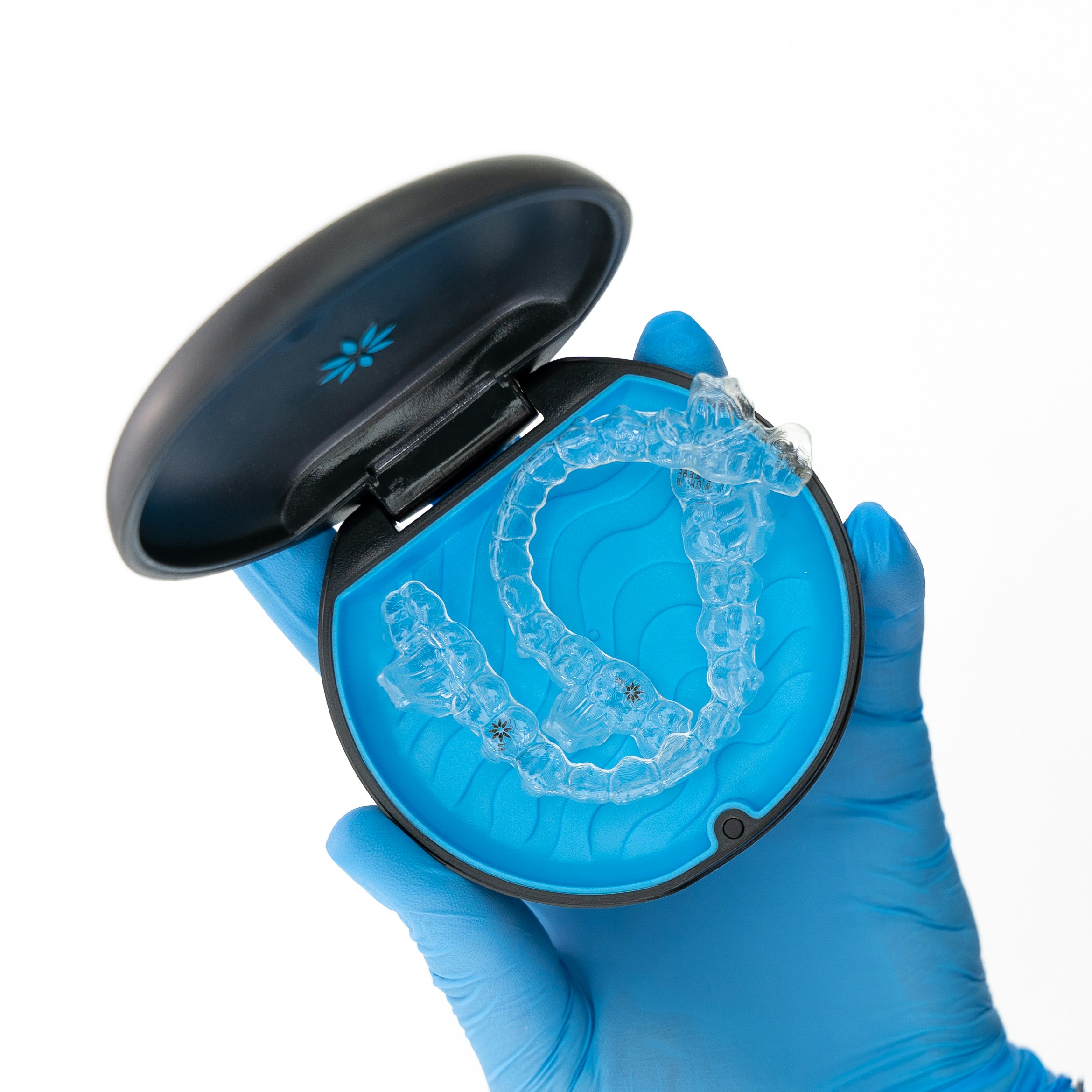
What is an Essix Retainer?
An Essix retainer is a type of clear, removable orthodontic appliance designed to maintain the position of teeth following orthodontic treatment, particularly after the removal of braces. Its primary purpose is to prevent teeth from shifting back to their original positions, which is a common occurrence in the post-treatment phase. The Essix retainer is known for its transparency, making it less noticeable than other retainer types, such as the traditional Hawley retainer, which typically features a combination of metal and acrylic components.
Essix retainers are made from a durable, plastic material that is customized to fit snugly over the contours of the patient’s teeth. The design is relatively straightforward; the retainer is formed from a clear thermoplastic material that is molded to the exact shape of the dental arch. This ensures comfort and efficacy, as it effectively holds teeth in their desired positions. Unlike fixed retainers, which are permanently bonded to the back of the teeth, Essix retainers are removable, allowing for easier cleaning and maintenance of oral hygiene.
One of the key differences between Essix retainers and other types, such as the Hawley retainer, lies in their aesthetics and comfort level. Hawley retainers, while effective, often involve noticeable metal clasps and wires, which some patients may find unappealing. In contrast, the clear design of the Essix retainer provides a more aesthetically pleasing option for patients concerned about their appearance during treatment. The ease of use associated with Essix retainers makes them a popular choice among orthodontic patients, particularly when transitioning from braces to retainers.
Benefits of Using Essix Retainers
Essix retainers have gained popularity within the dental community, particularly for their numerous advantages over traditional retainer types. One significant benefit is their comfort. Unlike metal wire retainers or fixed retainers, Essix retainers are made from a flexible, durable plastic material that is molded to fit the patient’s teeth precisely. This custom fit ensures that individuals can wear them for extended periods without discomfort, facilitating patient compliance with their orthodontic treatment plans.
Aesthetically, Essix retainers provide a clear, transparent alternative that is less noticeable than other retainer options. This feature is particularly appealing to adults and teenagers who may feel self-conscious about their appearance during the post-orthodontic retention phase. The discreet nature of the Essix retainer enhances confidence while promoting good oral hygiene, as patients are less likely to skip wearing them due to aesthetic concerns.
Ease of cleaning is another noteworthy advantage. Unlike fixed retainers, which can trap food particles and require more complex cleaning routines, Essix retainers can be easily removed. This allows for straightforward maintenance; they can be rinsed and brushed just like natural teeth, minimizing the risk of plaque buildup and subsequent dental issues. Additionally, because these retainers are specifically tailored to an individual’s dental anatomy, they efficiently maintain the achieved orthodontic results while serving as a preventive measure against relapse.
Furthermore, the materials used in Essix retainers are designed to be durable, ensuring they endure daily wear without compromising their effectiveness. For individuals who are looking for a reliable solution to safeguard their orthodontic investment, Essix retainers present a compelling option that combines comfort, aesthetics, and practicality in one package. Their role in maintaining alignment post-treatment is indispensable, securing the desirable dental outcome achieved through previous orthodontic work.
The Dental Code for Essix Retainers
Understanding the dental codes associated with Essix retainers is vital for both dental practitioners and patients navigating insurance claims and billing processes. Dental codes serve as a universal language that streamlines communication, particularly in the insurance domain. The American Dental Association (ADA) has established specific codes that categorize various dental procedures, including the application and maintenance of Essix retainers.
One of the most relevant codes for Essix retainers is the D8680 code, which refers to the retention procedure following orthodontic treatment. This code specifically applies to the fitting and adjustments required for removable retainers, including Essix types. Using this code can help ensure that dental services are appropriately documented, facilitating smoother insurance processing. When a patient receives an Essix retainer, this code may be employed to capture the associated costs when filing claims.
Another important code is D7240, which is applied when tooth extraction is necessary prior to fitting an Essix retainer. Extracting teeth may sometimes precede orthodontic procedures, making it essential for dentists to utilize this code accurately to reflect the services rendered. Each code’s classification has profound implications for insurance claims, as it impacts reimbursements and approvals. Ensuring the correct codes are used helps prevent discrepancies and denials from insurance companies.
Additionally, dental offices must stay aware of the ever-evolving landscape of dental codes. Regular updates and changes in coding practices may influence how Essix retainers are billed and processed. Hence, both dentists and patients should maintain an open line of communication regarding coding to avoid misunderstandings. Proper mastery of the dental codes pertaining to Essix retainers is, therefore, crucial for efficient management of dental care and insurance claims.
How Essix Retainers Are Made
The fabrication of Essix retainers involves a meticulous process that guarantees a precise fit, which is essential for their effectiveness in dental treatment. The journey begins with an initial fitting, where the dental professional takes detailed impressions of the patient’s teeth. This step is crucial as it allows for the creation of a custom mold that accurately reflects the unique shape and alignment of the individual’s dental structure.
Once the impressions are obtained, the next phase involves advanced 3D imaging technology. This innovative approach allows for the accurate digital mapping of the teeth and the surrounding oral cavity. The 3D imaging provides a comprehensive view that enables dentists to analyze the dental alignment in a way that traditional methods cannot. After the imaging analysis, a digital model is created, which serves as the foundation for crafting the Essix retainer.
Following the digital modeling, the fabrication process commences. High-quality thermoplastic materials, commonly used for Essix retainers, are selected for their durability and comfort. These materials can be heated and molded to ensure a snug fit that adapts to the patient’s dental anatomy, thereby enhancing the retainer’s efficacy. The outcome is a clear and transparent retainer that comfortably fits over the teeth, allowing for unobtrusive wear while effectively maintaining tooth position post-orthodontic treatment.
Additionally, the precision in the design and production of Essix retainers significantly impacts their performance. A well-fitted Essix retainer minimizes the chances of shifting or movement of the teeth, which is crucial for post-treatment stability. In conclusion, understanding the intricate process of crafting Essix retainers, from the initial fitting to the selection of high-quality materials, emphasizes the importance of achieving a precise fit for optimal oral health outcomes.
Care and Maintenance of Essix Retainers
Proper care and maintenance of Essix retainers are essential for their longevity and your overall oral hygiene. These clear plastic retainers are designed to maintain tooth position after orthodontic treatment, and they require specific handling to ensure their effectiveness.
One major aspect of care involves the cleaning process. It is advisable to clean your Essix retainer daily. Begin by rinsing the retainer with lukewarm water to remove surface debris. For a more thorough clean, use a soft-bristled toothbrush and gentle soap, avoiding toothpaste which may scratch the retainer. Several commercial cleaning solutions are specifically designed for dental appliances and can be used as an alternative. However, always ensure that any product is safe for polycarbonate materials, the primary component of Essix retainers.
Storage is another critical factor in maintaining Essix retainers. When not in use, retainers should be stored in a protective case to prevent accidental damage or contamination. Avoid leaving the retainer exposed to heat, such as in a hot vehicle, as high temperatures can warp the plastic. It’s important to ensure that the case is also clean, as bacteria can thrive in unmaintained environments.
Neglecting these maintenance practices can lead to various issues, including odor, discoloration, and even damage that may necessitate replacement. If the retainer becomes warped or cracked, it may not adequately perform its function, jeopardizing the alignment of your teeth. Regular check-ups with your dental professional can help you monitor the condition of your Essix retainer and make any necessary adjustments to your oral care routine, ensuring you maintain optimal oral hygiene while safeguarding your dental investment.
Common Issues and Troubleshooting with Essix Retainers
Patients using Essix retainers may encounter a variety of common issues that can affect their comfort and overall experience. One frequent complaint is discomfort, which can result from an improper fit or from the retainer applying pressure at specific points in the mouth. If the retainer feels tight or causes soreness, it is advisable to consult an orthodontist, as they may need to adjust the retainer or the dental treatment plan accordingly.
Another issue that individuals may experience is a lack of proper fit over time. Essix retainers are designed to fit snugly over the teeth, but as teeth shift or due to changes in the mouth, the retainer may become ill-fitting. In such cases, it is crucial to have a professional evaluate the retainer’s fit and determine whether a new mold needs to be taken to fabricate a replacement. Regular check-ups with the orthodontist can help monitor any changes in fit and ensure optimal performance of the Essix retainer.
Staining is also a common issue associated with Essix retainers. The clear plastic material can yellow or develop discoloration from contact with certain foods, beverages, or insufficient cleaning. To minimize staining, users are encouraged to clean their retainers daily with a soft toothbrush and mild soap or a retainer cleaning solution while avoiding harsh chemicals. If discoloration occurs, a dental professional can provide advice on cleaning methods or the need for a new retainer.
Lastly, breakage is a concern that may arise if the retainers are not handled with care. If an Essix retainer breaks or cracks, it should be replaced immediately to avoid any unwanted tooth movement. Patients should report any damage to their orthodontist promptly. In addressing these issues, maintaining regular communication with an orthodontist or dentist will ensure any concerns are promptly resolved, affirming the effectiveness of the Essix retainer with tooth dental code.
Duration of Use for Essix Retainers
The duration for which patients typically need to wear Essix retainers post-orthodontic treatment can vary significantly based on several factors. On average, dentists recommend that patients wear their Essix retainer continuously for the first few months following the completion of their orthodontic treatment. This period serves as a critical time for ensuring that the teeth remain in their corrected positions. During this phase, it is essential for patients to adhere to their orthodontist’s recommendations meticulously.
One of the primary factors influencing the duration of Essix retainer usage is the complexity of the initial orthodontic treatment. For cases where significant adjustments were made, longer retention periods may be recommended to prevent teeth from shifting back to their original positions. Likewise, the patient’s age also plays a vital role; younger patients often may experience more significant changes in their dental structure, necessitating an extended duration of wearing the retainer. Additionally, adult patients tend to have more stable teeth; thus, their need for prolonged retention can be less compared to younger individuals.
Individual compliance is another critical factor that cannot be overlooked. Patients who consistently wear their Essix retainers as instructed typically experience better outcomes and may gradually reduce usage over time. After the initial months, many orthodontists suggest a tapering off approach, where the retainer is worn during the night or for specific intervals throughout the day. This strategy aims to balance the maintenance of alignment with the gradual reintroduction of normal dental function. Overall, the commitment to wearing the Essix retainer as directed is paramount in achieving and maintaining the desired results from orthodontic treatment.
Alternatives to Essix Retainers
After completing orthodontic treatment, maintaining the results is crucial. While essix retainers are a common choice for post-treatment retention, several alternatives exist, each with its unique advantages and disadvantages. Understanding these options can help patients make informed decisions about their oral care.
One of the most traditional alternatives is the Hawley retainer. This appliance is composed of a thin plastic front and a metal wire that helps hold the teeth in their new positions. The primary advantage of Hawley retainers is their durability; they can last for years with proper care. Additionally, they can be adjusted by an orthodontist to address minor tooth movements over time. However, the visibility of the metal wire may deter some individuals from choosing this option, and the adjustability can lead to discomfort if not fitted correctly.
Fixed retainers, often referred to as bonded retainers, are another alternative worth considering. These consist of a thin wire bonded to the back of the teeth, providing a permanent solution for maintaining alignment. One of the key benefits of fixed retainers is their invisibility; they are not removable, which means patients do not need to worry about misplacing them. Nevertheless, this type of retainer can pose challenges for oral hygiene, as cleaning between the teeth may require additional effort. Patients must also be mindful of potential failures of the bonding material over time, which could necessitate repairs.
Other appliances may include clear plastic aligners or even custom-made retainers that can be used in conjunction with essix retainers to enhance retention. Each option presents its own set of pros and cons, from aesthetics to maintenance. Evaluating these alternatives allows patients to engage in a dialogue with their orthodontists, ensuring they select the most appropriate retention method for their needs.
Conclusion: The Role of Essix Retainers in Orthodontics
Essix retainers play a pivotal role in the field of orthodontics, serving as essential tools for maintaining tooth alignment following active treatment. After braces or clear aligners, the transition to retainers is crucial to ensure that the teeth remain in their newly adjusted positions. The Essix retainer is particularly favored due to its clear design, which allows for a discreet appearance while providing effective retention. Understanding how to use and care for these retainers not only promotes dental health but also enhances the longevity of the orthodontic results achieved.
Moreover, it is important to be familiar with the dental code associated with Essix retainers, as it can facilitate effective communication with dental care providers and insurance companies. This dental code is crucial when discussing procedures and ensuring that the necessary coverage is applied. Clarity in this area aids patients in understanding their treatment plans and financial responsibilities. The proper knowledge of the relevant tooth dental code helps bridge the gap between patients and providers, ensuring a smoother overall experience.
In addition to the practical benefits, the psychological comfort provided by Essix retainers cannot be overlooked. Patients often feel more confident wearing these clear appliances, knowing they contribute significantly to maintaining their smile. As orthodontic practices continue to evolve, integrating patient education on the use of Essix retainers and the corresponding dental codes is essential for achieving lasting success in orthodontic treatment. Emphasizing their importance not only supports better compliance but also reinforces the commitment to optimal dental health. Ultimately, comprehending the role of Essix retainers in orthodontics underscores their significance in fostering long-lasting results and a healthy smile.
