Introduction to Dental Procedure Codes
Dental procedure codes are a vital aspect of the dental industry, serving as a standardized system for classifying various dental treatments and procedures. These codes play a crucial role in facilitating clear and effective communication among dental professionals, insurance companies, and patients. By implementing a uniform coding system, unnecessary misunderstandings can be minimized, ensuring that all parties involved have a shared understanding of the specific dental services provided.
In the realm of dentistry, accurate coding is essential for various reasons. Primarily, it helps streamline billing processes, enabling dental practices to submit claims to insurance providers with clarity and precision. For instance, when a dentist performs an enameloplasty, the corresponding dental procedure code for enameloplasty must be used to ensure that the procedure is recognized and reimbursed appropriately by the insurance company. Similarly, patients benefit from clear coding, as it reinforces the understanding of what treatments have been provided and what costs may be associated with those services.
Furthermore, dental procedure codes are categorized into different sections, emphasizing the specificity of dental treatments. This organization not only aids in billing but also contributes to the documentation and analysis of dental health trends. Dental professionals can reference these codes when researching or discussing dental treatment plans, which can enhance the overall quality of care delivered to patients. Identifying the correct procedure codes is integral to maintaining accurate records that can be useful for future reference, patient follow-ups, and even in research studies aimed at improving dental practices.
Overall, the systematic use of dental procedure codes is essential for the efficient operation of dental practices and ensures that patients receive the appropriate care they deserve. As the dental field continues to evolve, so too does the importance of these codes in shaping the future of dental care.
What is Enameloplasty?
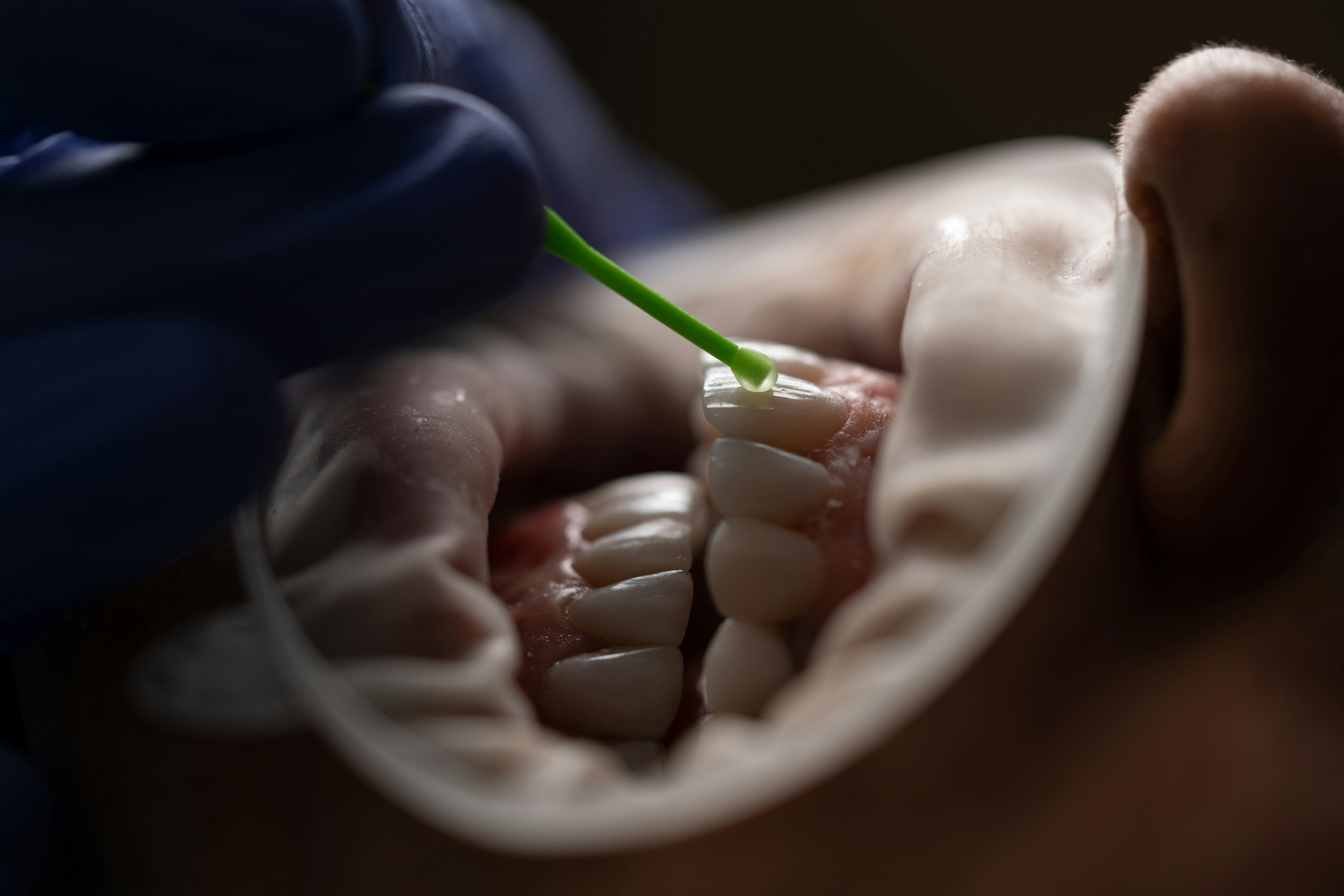
Enameloplasty is a dental procedure aimed at reshaping and smoothing the enamel surface of the teeth. This aesthetic enhancement intervention is often performed to correct minor imperfections, such as chips, uneven contours, or certain types of wear on the enamel. Enameloplasty can serve various purposes, including improving the patient’s smile, enhancing dental function, and addressing issues related to tooth sensitivity. By carefully removing a small amount of enamel, dental professionals can create a more visually appealing appearance while ensuring that the structural integrity of the teeth remains intact.
This procedure is typically recommended in cases where patients seek a solution for minor cosmetic alterations without the need for extensive restorations such as crowns or veneers. Enameloplasty is often considered when minor changes can yield significant improvements in aesthetics and function. Dentists may suggest this treatment for patients with teeth that are slightly discolored, unevenly shaped, or exhibit minor wear due to grinding. Understanding the specific indications for its application is crucial for both patients and practitioners in making informed decisions regarding dental aesthetics.
During the enameloplasty procedure, a dentist uses specialized instruments to safely remove small layers of enamel. This process is performed with precision to ensure the least amount of enamel is removed, preserving as much of the natural tooth structure as possible. An additional advantage of enameloplasty is that it often does not require anesthesia, making it a relatively quick and comfortable procedure for patients. Ultimately, enameloplasty provides an effective method for enhancing the overall quality and appearance of one’s smile while safeguarding the health of the teeth involved.
The Importance of Accurate Coding for Enameloplasty
Accurate coding for dental procedures, specifically for enameloplasty, plays a vital role in contemporary dental practice. The systematic classification of enameloplasty through a precise dental procedure code is essential for multiple facets of patient care and healthcare management. When dental practitioners utilize the correct codes, they enhance the quality of care and improve communication with insurance providers, ultimately facilitating a smoother claims process.
From a patient care perspective, employing the accurate dental procedure code for enameloplasty ensures that treatments are appropriately documented and tracked. This documentation is critical not only for maintaining comprehensive patient records but also for evaluating treatment outcomes over time. With precise coding, dentists can analyze the success rates associated with enameloplasty, aiding in enhancing techniques and patient satisfaction. Furthermore, accurate coding helps in providing patients with transparent information regarding their treatment plans, which fosters trust and understanding.
In the realm of insurance claims, precise coding directly affects reimbursement processes. Insurance companies rely on dental procedure codes to verify the validity of claims. If a practitioner submits an incorrect code for enameloplasty, it may lead to claim denials or delays, stressing the importance of coding fidelity. Accurate codes provide a clear diagnosis and justify the necessity of procedures, ultimately promoting faster and more reliable reimbursements. Additionally, missing or improperly coded information can result in audits, further undermining the financial stability of dental practices.
Conclusively, the significance of accurate coding for enameloplasty extends beyond mere administrative tasks; it encompasses improved patient care, efficient operational workflows, and assured financial sustainability. Hence, dental professionals must prioritize meticulous coding practices to harness the comprehensive benefits that come with proper enameloplasty documentation.
The Dental Procedure Code for Enameloplasty
Enameloplasty, a dental procedure designed to reshape and contour the enamel of the teeth, is associated with specific coding within the dental profession. The Current Dental Terminology (CDT) system is utilized to standardize communication regarding dental procedures, making it easier for practitioners to document treatments and for insurers to process claims. Within this system, the dental procedure code for enameloplasty is designated as D8691. This code specifically refers to the modification of tooth enamel to enhance aesthetics or address minor imperfections.
It is important to note that the application of the enameloplasty dental procedure code can vary based on numerous factors, including the patient’s dental condition, the extent of the procedure, and the dental practice setting. In certain cases, additional codes may be applicable, particularly if the enameloplasty is performed alongside other procedures, such as restorations or orthodontics. The CDT guidelines recommend that practitioners carefully evaluate the clinical situation to determine the most accurate coding approach, ensuring that each procedure is properly documented and justified.
Furthermore, awareness of variations in coding can also extend to the geographic location and specific practice policies. Different states or regions may have additional codes or modifiers that apply to enameloplasty, reflecting the diverse practices within dentistry. It serves the interests of both dental providers and patients to maintain updated knowledge of the dental procedure code for enameloplasty and its implications in billing and treatment planning. Consequently, continuous professional education regarding coding systems remains essential for all practitioners involved in restorative and cosmetic dentistry.
Common Situations Requiring Enameloplasty
Enameloplasty, a dental procedure designed to reshape or enhance the enamel of the teeth, is indicated in various clinical scenarios. One common situation that requires this procedure is mild tooth wear, which can occur due to factors such as bruxism (teeth grinding) or the natural aging process. As enamel wears down, patients may experience sensitivity or a less aesthetically pleasing smile. In these cases, enameloplasty can help restore the tooth’s shape and function, ultimately improving the patient’s overall dental health.
Another common scenario where enameloplasty is beneficial is when addressing uneven teeth. Irregularities in tooth shape can lead to discomfort while biting and a less harmonious smile. For individuals who have certain teeth that are longer or shorter than others, enameloplasty can be a solution that enables dentists to selectively remove small amounts of enamel to even out the bite. This not only enhances appearance but also contributes to better bite function.
Aesthetic concerns also frequently prompt the need for enameloplasty. Patients seeking a Hollywood smile or those who are unhappy with the visual aspects of their teeth may opt for this procedure. When treatments such as veneers or crowns may be too invasive or not suitable for the dental condition, enameloplasty serves as a minimally invasive alternative, allowing for a change in tooth shape or contour without excessive alteration. Furthermore, enameloplasty may also be part of an overall dental treatment plan, complimenting procedures such as teeth whitening or orthodontics, ensuring that all aspects of the oral health and aesthetics are addressed effectively.
In these ways, enameloplasty proves to be a versatile tool within dentistry, catering to a range of patient needs while promoting enhanced oral health and aesthetics.
The Role of Dental Insurance in Enameloplasty Procedures
Dental insurance plays a significant role in determining the affordability and accessibility of various dental treatments, including enameloplasty. As a cosmetic and restorative procedure, enameloplasty involves the removal of a portion of enamel to correct imperfections, improve aesthetics, and enhance the overall function of the teeth. Understanding how insurance companies address enameloplasty is crucial for patients considering this dental procedure.
Most dental insurance plans typically cover a range of essential procedures; however, coverage for cosmetic treatments like enameloplasty may vary. When examining the coverage landscape, it is essential for patients to review their policy details to ascertain if enameloplasty is included. Some plans might only provide partial coverage or might categorize enameloplasty under a different code that aligns with preventive or restorative treatments.
To successfully navigate their insurance policies, patients are advised to engage with their dental providers. Dentists, usually familiar with the intricate details of insurance coding, can assist patients in identifying the appropriate dental procedure code for enameloplasty. This code is paramount, as it establishes a clear basis for the insurance claim. Utilizing the correct dental procedure code helps to ensure that the insurance company comprehends the treatment type and its necessity, subsequently increasing the likelihood of approval for coverage.
Moreover, patients should not hesitate to contact their insurance providers directly to inquire further about coverage specifics, limitations, and pre-authorization requirements for enameloplasty. Understanding these details before undergoing the procedure can significantly reduce unexpected out-of-pocket expenses. Clear communication between the patient, their dental provider, and the insurance company is essential in this process. In conclusion, effective navigation of dental insurance is integral to managing the costs associated with enameloplasty, ensuring patients receive the care they require without excessive financial burden.
Potential Risks and Considerations of Enameloplasty
Enameloplasty, a dental procedure involving the selective removal of enamel, presents both benefits and potential risks that patients and dentists must consider. One significant concern surrounding enameloplasty is the possibility of increased tooth sensitivity. The removal of enamel, which serves as a protective layer for the teeth, can expose the underlying dentin, making teeth more susceptible to temperature changes and certain foods. Patients may experience discomfort or sensitivity following the procedure, necessitating a comprehensive discussion about these potential side effects prior to treatment.
Another factor to consider is the permanence of the enameloplasty procedure. Since the procedure entails the reduction of enamel, it cannot be reversed. This characteristic raises questions about the long-term implications on a patient’s dental health. Enamel loss might not only affect current oral comfort but could also influence future dental treatments. Dentists must assess how enameloplasty could interact with other potential dental procedures, such as crowns or orthodontic work, and counsel patients accordingly regarding these considerations.
Moreover, the suitability of patients for enameloplasty should be evaluated on a case-by-case basis. Factors such as existing dental conditions, the overall health of the enamel, and individual treatment goals should be thoroughly discussed. A professional dental evaluation is essential prior to proceeding with the treatment to ensure that enameloplasty aligns with the patient’s unique dental needs and long-term plans. By addressing these potential risks and considerations judiciously, both dentists and patients can make informed decisions regarding the appropriateness of enameloplasty as a viable dental procedure.
Post-Procedure Care and Follow-Up
Following an enameloplasty, also known as enameloplasty dental procedure, proper post-operative care is crucial to ensure optimal healing and maintain the best possible results. Immediately after the procedure, it is common to experience mild discomfort, for which over-the-counter pain relief medications can be used as advised by your dentist. It is advisable to avoid extremely hot or cold foods and beverages for a few days, as sensitivity may occur during the initial healing phase.
Maintaining an excellent oral hygiene routine is essential. Patients should continue to brush their teeth twice daily while being careful around the treated areas to avoid irritation. A soft-bristled toothbrush can help minimize any discomfort during brushing. Additionally, using a non-alcoholic mouthwash can assist in keeping the mouth clean without causing further sensitivity.
Regular follow-up appointments with your dentist are important for monitoring the effects of the enameloplasty procedure. During these visits, your dentist will assess the healing process and may suggest further treatments if necessary. It is essential to communicate any unusual symptoms or concerns that may arise during recovery, such as prolonged sensitivity or discomfort. Your dentist may also provide additional guidance on dietary restrictions or specific care instructions based on your individual needs.
Adhering to these post-procedure care instructions and attending follow-up appointments contributes significantly to the long-term success of the enameloplasty. This careful approach ensures not only the best aesthetic results but also the overall health of your teeth in the long run. By understanding the importance of these practices, patients can actively participate in their recovery, ensuring that the enameloplasty dental procedure achieves its desired outcome.
Conclusion: The Significance of Understanding Dental Codes
Understanding dental procedure codes, particularly the code for enameloplasty, plays a critical role in ensuring effective communication between dental professionals, patients, and insurance providers. Enameloplasty, which refers to the procedure for reshaping the teeth’s enamel for aesthetic or functional improvements, requires accurate coding to facilitate appropriate billing and insurance claims. Dental codes serve as a universal language that streamlines processes, minimizes misunderstandings, and enhances the overall quality of dental care.
Throughout this blog post, we highlighted the importance of dental procedure codes, emphasizing how they categorize various treatments, including subtle variations like enameloplasty. It is crucial for dental professionals to stay current with coding updates and ensure that they apply the correct codes. Incorrect coding may lead to claim denials, delays in treatment authorization, or even financial loss for both patients and healthcare providers.
Moreover, patients should also become familiar with dental codes to better understand their treatments and the billing processes involved. By recognizing the significance of enameloplasty and the corresponding dental procedure code, patients can engage in more informed discussions with their dental care teams. This proactive approach empowers patients to seek the best possible care and advocacy when it comes to their dental health.
In conclusion, a solid grasp of dental procedure codes, particularly those associated with enameloplasty, is essential for both dental practitioners and patients. This knowledge not only drives successful interactions between the parties involved but also plays a pivotal role in improving patient outcomes. We encourage readers to consult their dental professionals for any questions or clarifications they might have regarding enameloplasty, dental procedures, and the coding systems that govern them. Such dialogues ensure that everyone is on the same page, leading to a smoother and more efficient dental care experience.
