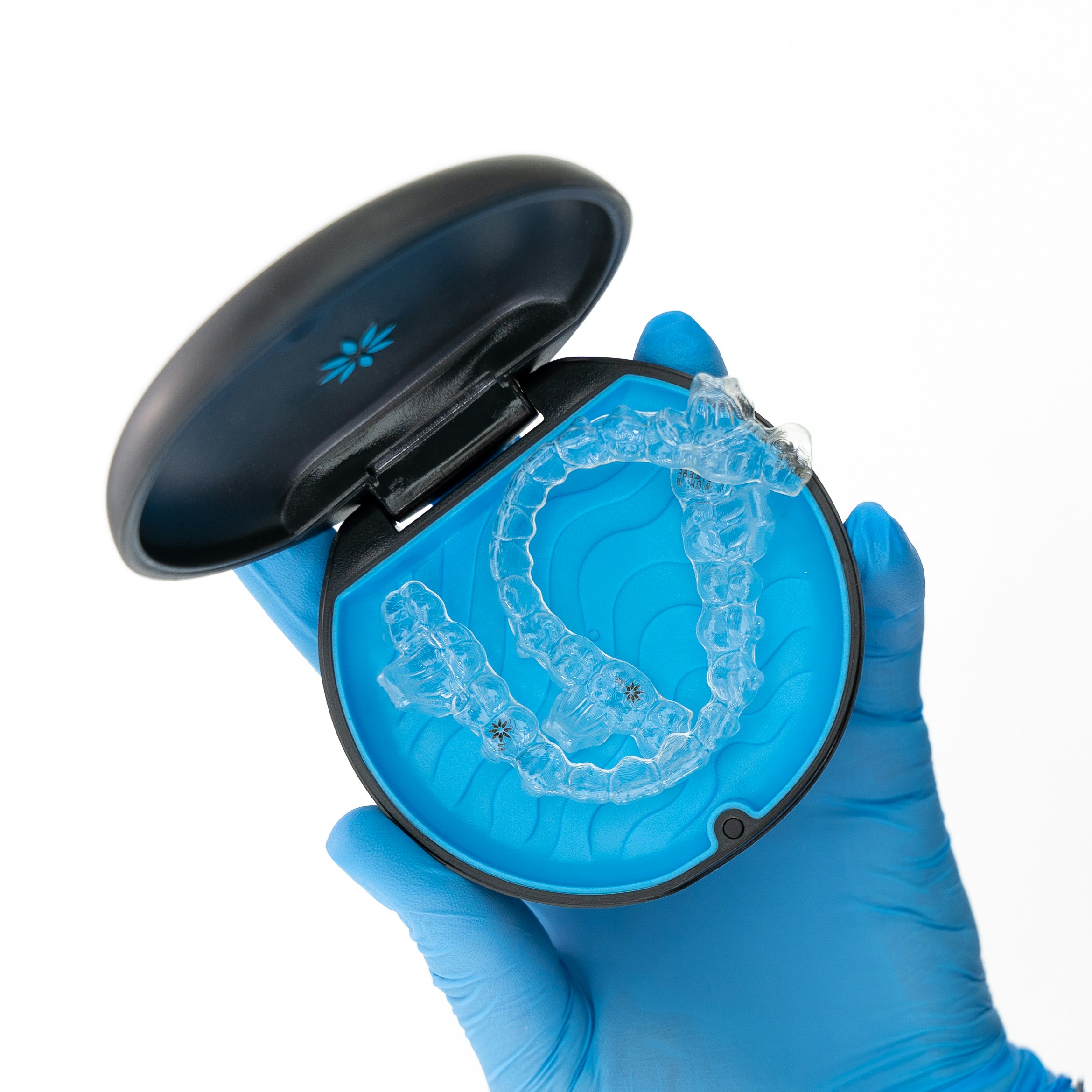
Introduction to Occlusal Guards
Occlusal guards, often referred to as bite splints or night guards, are dental devices specifically designed to protect teeth and mitigate the adverse effects of occlusal issues. These custom-fabricated appliances are typically made from durable materials, providing a protective barrier that buffers the upper and lower teeth when the jaw is closed. The significance of occlusal guards in dentistry cannot be overstated, as they play a crucial role in preventing dental injuries related to excessive grinding or clenching, commonly known as bruxism.
Bruxism, a widespread condition affecting numerous individuals, involves the involuntary grinding of teeth during sleep or periods of stress. This habit can lead to various dental concerns, including worn-down enamel, increased sensitivity, and even tooth fractures. Similarly, those suffering from temporomandibular joint disorders (TMJ) may experience discomfort in the jaw joint and surrounding muscles, potentially causing pain and restricted mobility. Occlusal guards serve as a therapeutic intervention for these conditions by helping to maintain the proper alignment of the jaw and absorbing the forces generated during grinding, thereby reducing the strain on the teeth and jaw muscles.
To ensure proper treatment and insurance reimbursement, it is imperative for dental professionals to utilize the correct dental code for occlusal guard by report. This coding helps to document the necessity of the appliance based on the patient’s specific circumstances, facilitating communication between the provider and insurers. By accurately identifying conditions such as bruxism and TMJ, dental codes pave the way for appropriate patient care and efficient insurance processing. Understanding the role and purpose of occlusal guards, along with the relevant coding, is essential for both patients and practitioners to effectively address dental occlusion issues.
Importance of Dental Coding
Dental coding serves as a fundamental element within the dental industry, providing a crucial framework for standardizing procedures and treatments. The appropriate coding of dental procedures, such as using the correct dental code for occlusal guard, ensures that patients receive accurate treatment plans and that dental professionals are fairly reimbursed for their services. Incorrect coding can lead to claim denials, delayed payments, and miscommunication between providers and payers.
Incorporating precise dental codes into treatment plans not only streamlines the billing process but also enhances the overall efficiency of practice management. With the right codes, dental professionals can clearly document the treatments provided, allowing insurance companies to understand the importance of the procedures being billed. This clarity not only facilitates a smoother claims process but also aids in justifying the necessity for specific treatments, ultimately leading to improved patient access to care.
The impact of dental coding extends beyond reimbursement. Proper coding practices contribute to the accuracy of patient records, improving both treatment continuity and the monitoring of patient outcomes. When dentists utilize the exact dental code for occlusal guard, they can better track the effectiveness of treatments, making adjustments as necessary to optimize patient health. Additionally, accurate coding enhances data collection for research and policy-making, leading to a more robust understanding of overall dental health trends.
Furthermore, dental coding is not merely an administrative task; it promotes a higher standard of care. By familiarizing themselves with current codes and guidelines, dental professionals can ensure that they are providing the best possible treatments tailored to their patients’ needs. In summary, the utilization of proper dental coding practices, including the appropriate dental code for occlusal guard, plays an essential role in optimizing reimbursement, improving communication, and enhancing patient care within the dental industry.
Overview of Dental Codes
Dental codes play a pivotal role in the healthcare industry, particularly in the realm of dental insurance and patient care. The Current Dental Terminology (CDT) codes, maintained by the American Dental Association (ADA), provide a standardized system for identifying various dental procedures, treatments, and services. Each code is a unique alphanumeric identifier that represents a specific service, streamlining billing and insurance claims. This structured approach ensures clarity and consistency across the dental field, thereby facilitating communication among dental professionals, insurance companies, and patients.
In the context of occlusal guards, specific CDT codes are used to signify the different types of protective devices that can be prescribed. These devices are essential for a variety of dental conditions, including bruxism, temporomandibular joint disorders (TMJ), and other occlusal issues. The relevant dental code for occlusal guard varies depending on the complexity and purpose of the guard being utilized. For instance, standard occlusal guards may have different codes than those designated for more specialized or custom cases.
Generally, dental codes are categorized into various sections, including diagnostic, preventive, therapeutic, and surgical codes. For occlusal guards, the focus primarily falls under the category of therapeutic procedures. The codes are designed not only to facilitate billing but also to provide a clear understanding of the treatment being delivered. As dental technology and techniques evolve, new codes may be introduced, and existing ones may be updated to reflect current practices. Thus, it is critical for dental professionals to stay informed about these changes to ensure correct coding when prescribing treatments such as occlusal guards. An updated knowledge of dental codes can significantly enhance the efficiency and accuracy of dental care and financial transactions related to these essential protective devices.
Specific Dental Codes for Occlusal Guards
Dental codes are essential for the classification and billing of various dental procedures, including occlusal guards. In this section, we will explore specific dental codes pertinent to occlusal guards, focusing on their definitions and applicable situations. Among these codes, the D9940 and D9941 codes are commonly referenced.
The D9940 code refers to the provision of an occlusal guard, specifically designed to protect teeth from excessive wear or trauma due to grinding (bruxism) or clenching. This code is typically utilized when a patient presents with symptoms related to these conditions. The occlusal guard serves as a preventive measure, helping to alleviate discomfort and prevent further dental complications. As a part of the treatment plan, practitioners often recommend that patients wear the guard at night, emphasizing its role in preserving dental health.
Another pertinent code is the D9941, used for occlusal guards constructed for purposes other than bruxism. This code covers situations where an occlusal guard is recommended to manage cases like temporomandibular joint disorders (TMJ) or post-surgical interventions. In essence, D9941 caters to the diverse range of clinical scenarios where an occlusal guard may be necessary, based on the patient’s unique dental condition. It is crucial for dental practitioners to choose the right code to ensure accurate billing and reimbursement for their services.
By understanding these codes, dental professionals can provide better service, ensure compliance with insurance requirements, and streamline the billing process. The clarity offered by the dental code for occlusal guard by report allows for improved communication between dental providers and patients regarding treatment options.
Documentation Requirements for Occlusal Guards
When submitting dental claims for occlusal guards, it is imperative to provide comprehensive documentation to ensure proper coding and reimbursement. The process involves multiple facets that play a crucial role in compliance with insurance requirements. This documentation not only solidifies the necessity of the occlusal guard but also facilitates a smoother claims process.
Firstly, a thorough medical history of the patient is essential. This should include details of any dental issues, previous treatments, and relevant medical conditions that would necessitate the use of an occlusal guard. The medical history helps to establish a foundation for the treatment plan, emphasizing the patient’s need for this specific dental solution. Documentation should reflect the patient’s bite patterns and any associated symptoms that affect their oral health.
Secondly, detailed treatment notes must accompany the claim. These notes should outline the diagnosis that led to the decision to prescribe an occlusal guard, including findings from examinations and any other relevant diagnostic tools such as X-rays or molds. A clear connection should be established between the diagnosis, the patient’s symptoms, and the rationale for the chosen treatment. This not only aids in justifying the procedure under the dental code for occlusal guard by report but also provides a credible source of information that insurers require.
Furthermore, any additional supporting documents can enhance the claims process. This may include letters of medical necessity, consent forms, and notes regarding previous treatments or appliances attempted by the patient. Collectively, these documents reinforce the legitimacy of the claim, ensuring that all aspects of the required documentation are in place for compliance with coding standards. As such, aligning these elements effectively is paramount for the successful submission of claims related to occlusal guards.
Insurance Considerations
When obtaining an occlusal guard, understanding dental insurance coverage is critical. Most dental insurance policies recognize and provide benefits for occlusal guards, yet the specifics can vary significantly among plans. Commonly, insurers categorize occlusal guards under specific dental codes, often referred to as dental code for occlusal guard by report. This categorization directly impacts how much of the cost will be covered and the reimbursement process.
Many insurance policies will cover occlusal guards if they are deemed medically necessary for treating conditions such as bruxism or temporomandibular joint (TMJ) disorders. However, patients should be aware that several plans impose coverage limitations that may affect the out-of-pocket expenses. These limitations can include annual maximums, frequency limits (how often an occlusal guard can be replaced), and deductibles. Therefore, it is advisable to review the specific terms of one’s dental insurance policy to understand the extent of coverage available for an occlusal guard.
Navigating the insurance claims process can also be challenging. To streamline this process, patients should consider confirming with their dental provider that they are using the correct dental code for occlusal guard by report on the claim submission. Additionally, obtaining a preauthorization from the insurance company before receiving treatment could help clarify coverage eligibility and avoid unexpected costs. Should a claim be denied, patients have the right to appeal the decision, often by providing further documentation to support the medical necessity of the occlusal guard.
Ultimately, being informed about your insurance policy and the details surrounding the reimbursement for an occlusal guard can lead to a smoother experience, potentially reducing the financial burden associated with the necessary dental treatment.
Common Errors in Coding for Occlusal Guards
When dealing with the dental code for occlusal guard by report, various common errors can result in claim denials and delays in reimbursement. One of the primary mistakes dentists encounter is miscoding. This occurs when the wrong code is applied, often due to confusion between similar codes. For example, some providers may mistakenly use a code for a different type of dental appliance instead of the specific one for occlusal guards. Ensuring that the latest coding guidelines are followed is crucial in minimizing this type of error.
Another significant issue is the lack of proper documentation. Comprehensive documentation is essential for justifying the need for an occlusal guard and ensuring the dental code is used accurately. Insufficient clinical notes may lead to unnecessary denials, as insurance companies require substantial evidence to support claims. Providers should strive to maintain thorough records that clearly demonstrate the patient’s condition and the clinical necessity for the occlusal guard.
Additionally, misunderstandings regarding policy limitations often result in coding errors. Each insurance provider may have specific requirements or restrictions relating to the dental code for occlusal guard by report. Familiarity with each insurance company’s policies is vital for correct coding and billing practices. Dental professionals should regularly review and understand the nuances of various policies to avoid confusion and potential claim rejections.
To prevent these errors, dental practices can implement systematic coding training for their staff, maintain comprehensive documentation practices, and keep abreast of changes in insurance policies. Utilizing coding resources and consulting with billing experts can also assist in ensuring accurate coding for occlusal guards, enhancing the likelihood of successful reimbursements.
Case Studies
In the complex world of dental billing, the accurate application of the dental code for occlusal guard by report can significantly impact both reimbursement rates and overall patient outcomes. This section delves into real-world case studies that highlight these relationships, revealing the successes and challenges faced by dental practices.
One notable case involved a dental practice that implemented a thorough process for applying the dental code for an occlusal guard in conjunction with detailed documentation. The practice completed a survey of patients suffering from bruxism and provided customized occlusal guards. By meticulously coding services and offering comprehensive documentation during the claim submission, the practice experienced a remarkable 40% reduction in claim denials. As a result, they not only improved their revenue cycle but also enhanced patient satisfaction due to fewer treatment delays.
Conversely, another case study sheds light on common challenges. A different dental practice faced difficulties when filing claims for occlusal guards due to misapplication of codes. The practice had used generic codes that did not accurately describe the services provided, resulting in increased denials from insurance companies. After conducting a detailed review of their billing processes, they discovered that utilizing the correct dental code for occlusal guard by report could help clarify the necessity of treatment to insurers. After revamping their coding strategy, the practice saw a significant improvement, with successful reimbursements increasing by over 30%. This turnaround illustrates the crucial role that correct coding plays in not only ensuring claims are accepted but also in securing the necessary funding for patient treatments.
These case studies demonstrate that proper coding, particularly the dental code for occlusal guard by report, is essential in navigating the insurance landscape. By reinforcing the importance of accurate coding and documentation, dental practices can optimize reimbursement processes and improve patient experiences.
Conclusion and Best Practices
Accurate coding for occlusal guards is critical in ensuring proper patient care and reimbursement in dental practices. The utilization of the correct dental code for occlusal guard by report not only streamlines the billing process but also enhances the clarity of communication between dental professionals and insurance providers. Employing appropriate dental codes prevents claim denials and reduces the likelihood of discrepancies that could negatively affect patient relationships and the overall financial health of a practice.
To foster an environment of efficiency and compliance, dental professionals should commit to ongoing education. This can be achieved through participation in workshops, continuing education courses, and following industry publications related to coding updates. Understanding the nuances of coding practices, including the usage of the dental code for occlusal guard by report, contributes to better patient outcomes and minimizes administrative burdens. Additionally, regular collaboration with billing specialists can facilitate understanding of coding requirements, enabling dental practices to remain compliant with insurance guidelines.
Another best practice involves creating a comprehensive in-house reference for dental codes, particularly for occlusal guards. This can serve as a helpful resource for dental staff to ensure that codes are applied consistently and accurately across cases. Regularly reviewing this reference for updates will help staff stay abreast of changes within the coding landscape, including any revisions pertaining to occlusal guard documentation requirements.
In conclusion, maintaining accuracy in coding procedures for occlusal guards is paramount to ensuring effective practice management. By adhering to best practices, engaging in continuous learning, and fostering collaboration among team members, dental professionals can enhance their understanding and application of the appropriate codes, ultimately benefiting both their practice and their patients.
