Introduction to Kidney Transplants
A kidney transplant is a surgical procedure that involves placing a healthy kidney from a donor into a person whose kidneys no longer function properly. This transplant can be life-saving as it offers patients suffering from end-stage renal disease an opportunity for enhanced quality of life and increased longevity. There are various reasons why an individual may require a transplant, such as chronic kidney disease, diabetes, hypertension, and glomerulonephritis. As the kidneys play a crucial role in filtering waste from the blood and managing various bodily functions, their failure can lead to significant health complications.
One of the first steps in the transplant process is determining a suitable donor. Generally, there are two types of donors: living donors and deceased donors. Living donors, often family members or friends, can undergo comprehensive evaluations to ensure compatibility with the recipient. Deceased donors are individuals who have consented to organ donation, and their kidneys are matched with potential recipients based on various medical criteria. The transplant process requires careful planning and matching to optimize outcomes, making the role of healthcare professionals critical at each stage.
A multidisciplinary approach towards patient care is essential for maximizing the success of kidney transplants. This involves collaboration among various specialists, including nephrologists, surgeons, dietitians, and dental professionals. Dental health is particularly important in this context; prior to undergoing a kidney transplant, patients must achieve dental clearance, which assesses and mitigates any oral health issues that could affect the surgery and post-transplant recovery. Maintaining good oral health may help reduce the risk of infections and complications later, emphasizing the interconnectedness of different health aspects in preparing for a successful transplant.
The Importance of Dental Health in Transplant Candidates
Dental health plays a critical role in the overall well-being of individuals, especially for those preparing for procedures such as kidney transplants. The relationship between oral health and kidney function is well-documented, revealing that poor dental hygiene can lead to systemic infections that may adversely affect kidney transplant outcomes. Transplant candidates often face a higher risk of infection due to the immunosuppressive medications they must take post-transplant, making preemptive dental clearance for kidney transplant essential.
Research indicates that oral health directly correlates with renal health. For instance, the presence of periodontal disease, cavities, or oral infections can serve as a source of harmful bacteria, which may enter the bloodstream and affect other organs, including the kidneys. For patients with already compromised kidney function, the additional burden of such infections can exacerbate existing health issues, thereby complicating their transplantation journey. Thus, ensuring optimal oral health is a vital step in the transplantation process.
Infections originating from oral cavities can be particularly severe for transplant candidates. Prior to undergoing a kidney transplant, patients are usually advised to undergo dental clearance, which involves a thorough examination and treatment of any dental conditions. This helps to minimize the risk of postoperative complications, such as graft rejection and other systemic issues. By addressing potential oral health problems beforehand, healthcare providers can significantly enhance the likelihood of a successful kidney transplant and improve overall patient outcomes.
In conclusion, maintaining excellent dental health is paramount for individuals preparing for a kidney transplant. Ensuring thorough dental clearance for kidney transplant candidates not only protects against potential infections but also promotes a more successful recovery and long-term health after the surgery.
What is Dental Clearance?
Dental clearance refers to the process through which dental professionals evaluate a patient’s oral health before they undergo a major medical procedure, such as a kidney transplant. This evaluation is critical because the health of a patient’s teeth and gums can significantly impact their overall health, particularly for those who are about to undergo immunosuppressive therapy following a transplant. The primary purpose of dental clearance for kidney transplant is to mitigate the risk of infections that may arise from untreated dental issues, which can jeopardize the success of the transplant and the patient’s recovery.
Transplant teams typically require a comprehensive dental evaluation as part of their pre-transplant assessments. This usually involves an examination of the patient’s oral health, including checking for cavities, gum disease, or any infections. Additionally, dental professionals may perform diagnostic imaging, such as X-rays, to identify underlying issues that may not be visible during a routine examination. A patient may be required to adhere to specific oral hygiene practices and potentially undergo dental treatments like cleanings, fillings, or extractions prior to receiving dental clearance.
The dental clearance process is not merely a formality; it embodies a proactive approach to ensuring that any existing or potential oral health issues are addressed before the kidney transplant surgery. Patients must understand that obtaining dental clearance can help reduce the risk of post-operative complications, which is vital when the immune system is weakened after the transplant. Therefore, patients are encouraged to communicate openly with both their healthcare providers and dental professionals about any concerns regarding their oral health and the potential impacts on their kidney transplant journey.
The Dental Clearance Process
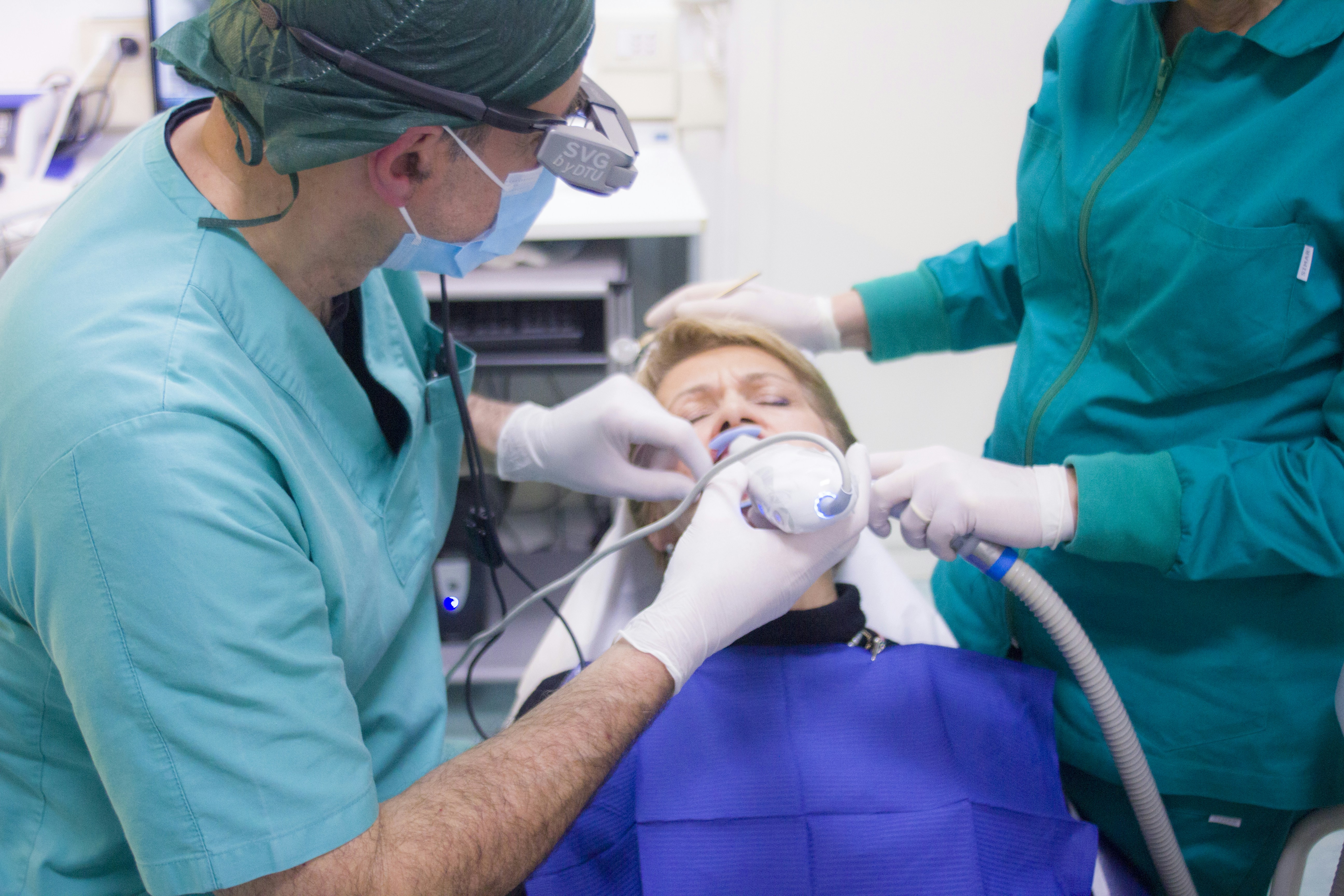
The dental clearance process for kidney transplant candidates is a crucial step to ensure optimal health prior to surgery. Initially, the process begins with a comprehensive dental examination conducted by a qualified dentist. During this examination, the dentist assesses the overall oral health of the patient, identifying any existing dental issues, such as cavities, gum disease, or other dental infections that could complicate a kidney transplant.
Following the initial assessment, the dentist will recommend specific treatments. This may include routine procedures like dental cleanings to remove plaque and tartar buildup, which are essential for maintaining good oral hygiene. If significant issues are identified, such as severe cavities or periodontal disease, additional treatments or extractions may be necessary. The treatment plan is tailored to the individual’s needs, ensuring that all issues are addressed effectively before they can impact the success of the transplant procedure.
Once the necessary dental treatments are completed, a follow-up evaluation is scheduled. This step is critical to ensure that the dental clearance for kidney transplant has been satisfactorily achieved. During the follow-up visit, the dentist will examine the healing process, check for any new or unresolved issues, and confirm that the patient’s oral health is stable. Only after these evaluations can the dentist provide a formal dental clearance, indicating to the transplant team that the patient is fit for surgery with no dental complications that could lead to post-operative infections or other risks.
Overall, the dental clearance process is essential for kidney transplant candidates, as it ensures that all dental health concerns are adequately managed, thereby contributing to the overall success of the transplant and the patient’s recovery thereafter.
Common Dental Issues Addressed in Clearance
The dental clearance process for kidney transplant candidates is a crucial step in ensuring that a patient’s oral health does not interfere with the success of the transplant. There are several common dental problems that may be identified and treated during this assessment. Addressing these issues is essential, as they can pose significant risks to both the patient’s overall health and the outcome of the transplant.
One prevalent concern is cavities, which are caused by tooth decay. Cavities can lead to infections that may escalate if not treated promptly. For kidney transplant candidates, the presence of untreated cavities could result in systemic infection, potentially complicating the recovery process. Thus, it is imperative to evaluate and treat any existing dental caries prior to the transplant procedure.
Another critical issue is gum disease, or periodontal disease, which affects the supporting structures of the teeth. This condition may range from gingivitis, characterized by swollen gums, to more advanced stages that can lead to tooth loss and other systemic health issues. For individuals undergoing a kidney transplant, untreated gum disease can increase the risk of developing infections and sepsis. A thorough dental examination will typically assess gum health, and any necessary periodontal treatments will be performed to mitigate these risks.
Additionally, dental infections, such as abscesses, pose a particular danger for kidney transplant candidates. An abscess is a localized collection of pus that can arise from untreated cavities or gum disease. These infections can enter the bloodstream and affect major organs, making their timely diagnosis and treatment essential for patients awaiting a transplant.
Addressing these common dental issues is crucial as part of the dental clearance for kidney transplant. A comprehensive examination and proactive treatment can significantly enhance the overall health of potential transplant recipients, thus contributing to better surgical outcomes and long-term success.
The Role of the Dental Team in Transplant Preparation
Preparation for a kidney transplant involves a multifaceted approach, and the dental team plays a crucial role in this process. The dental clearance for kidney transplant is essential to ensure that potential transplant recipients do not have existing oral health issues that could complicate surgical outcomes or post-operative recovery. Within the dental team, various professionals contribute to this clearance process, each with specific responsibilities.
At the forefront is the dentist, who is responsible for conducting a thorough evaluation of the patient’s oral health. This includes assessing for periodontal disease, cavities, or any other dental conditions that may pose a risk during transplant surgery. Their expertise helps identify any necessary dental treatments to be completed prior to surgery, as unresolved oral health issues can lead to infections that jeopardize the success of the transplant.
Dental hygienists also play an integral role in the preparation process. They assist in removing plaque and tartar buildup, educating patients on proper oral hygiene techniques, and ensuring that the patient’s mouth is in optimal condition. Their work not only promotes oral health but also supports the overall requirement for dental clearance for kidney transplant. By maintaining good oral hygiene, patients can enhance their chances of a successful procedure.
In some cases, dental specialists such as periodontists or oral surgeons may become involved, particularly if surgical intervention is necessary. These specialists collaborate with the primary dentist to develop an appropriate treatment plan, which is vital in the context of a patient’s overall health status. Communication is paramount between the dental and medical teams; sharing pertinent health information facilitates a comprehensive care approach, ensuring that all aspects of the patient’s health are addressed before undergoing the transplant procedure.
Patient Preparation and Education
Preparing for dental clearance for kidney transplant is crucial for ensuring optimal health outcomes. It is essential for patients to understand the significance of maintaining good oral health prior to their transplant. Dental clearance refers to the assessment and treatment of any dental issues that could affect a patient’s overall health and complicate the transplant procedure. Therefore, educating patients on this process is paramount.
Patients undergoing this process should be proactive in their oral hygiene practices. Daily brushing and flossing, along with regular dental check-ups, can significantly reduce the risk of dental complications. It is advisable for patients to schedule a comprehensive dental examination well in advance of the transplant date. This examination will help identify potential dental issues, such as cavities or gum disease, that may need treatment prior to receiving dental clearance for kidney transplant.
Additionally, patients should prepare a list of questions to ask their healthcare providers during consultations. Inquiries may include the specific dental procedures required, the timeline for treatments, and how these will work in conjunction with the transplant protocol. Understanding the links between oral health and kidney transplant success can empower patients to take control of their healthcare journey.
Moreover, discussing any pre-existing oral conditions or previous dental experiences with healthcare teams can provide valuable context that influences the dental clearance process. Patients must also be informed of any medications they may need to adjust or monitor, as certain medications can affect oral health or interact with dental treatments. Overall, the key to successful preparation lies in informed patient engagement and effective communication with healthcare providers.
Potential Risks of Incomplete Dental Clearance
Obtaining dental clearance for kidney transplant is a critical step in the pre-operative process, as incomplete dental evaluations can pose significant health risks. The most concerning risk is the potential for infections that can arise from untreated dental conditions. Bacteria from oral infections, such as periodontal disease or abscesses, can enter the bloodstream, potentially leading to systemic infections that complicate the transplant surgery or post-operative recovery.
Moreover, dental issues can affect the success of the transplant itself. For instance, if the patient has active dental decay or gum disease, these conditions can contribute to a state of chronic inflammation in the body. This inflammation can impair the immune system’s response to the transplanted organ, which may lead to rejection or other complications. Furthermore, such infections or inflammation can delay healing after the transplant, prolonging hospital stays and increasing the risk of further medical complications.
The relationship between oral health and overall health is paramount, particularly in patients undergoing kidney transplantation. Poor dental health has been associated with various systemic conditions, including cardiovascular disease and diabetes, which can complicate both the transplantation process and postoperative recovery. Therefore, it is paramount for patients to engage in thorough dental assessments and receive necessary treatments prior to their transplant surgery. Ensuring dental clearance for kidney transplant not only protects the patient’s oral health but also significantly contributes to the likelihood of a successful surgical outcome.
In conclusion, the risks associated with incomplete dental clearance underscore the importance of addressing dental health as a part of the pre-transplant evaluation. It is crucial for patients to be proactive in seeking comprehensive dental care to mitigate these risks and enhance their chances for a successful kidney transplant.
Conclusion: The Vital Link Between Dental Health and Successful Kidney Transplants
In the context of kidney transplantation, dental clearance plays a pivotal role in ensuring the overall well-being of the patient. As highlighted throughout this guide, the relationship between oral health and transplant surgery is deeply intertwined. Prior to undergoing a kidney transplant, patients are advised to seek dental clearance, which involves a thorough assessment by a dental professional to identify and manage any oral health issues. This proactive step is crucial as it helps mitigate the risk of post-operative infections, which can significantly impact the success of the transplant and the patient’s recovery process.
Moreover, maintaining good dental hygiene and addressing any dental concerns prior to surgery not only enhances surgical outcomes but also contributes to the long-term health of transplant recipients. The process often involves collaboration among transplant surgeons, nephrologists, and dental practitioners, underlining the importance of a multidisciplinary approach in managing the health of patients. By ensuring that potential sources of infection are treated before a kidney transplant, patients can decrease the chances of complications that might arise due to pre-existing dental conditions.
Furthermore, it is essential for patients to remain vigilant about their dental care even after the transplant. Regular dental check-ups and prompt treatment of any oral health issues can support the longevity of the transplanted organ and the patient’s quality of life. Ultimately, the focus on dental clearance for kidney transplant recipients fosters a comprehensive health strategy that aligns dental health with successful transplant outcomes. Therefore, prioritizing dental assessments as part of the transplant journey cannot be overstated; it is a critical component in safeguarding the well-being of individuals undergoing this life-changing procedure.
