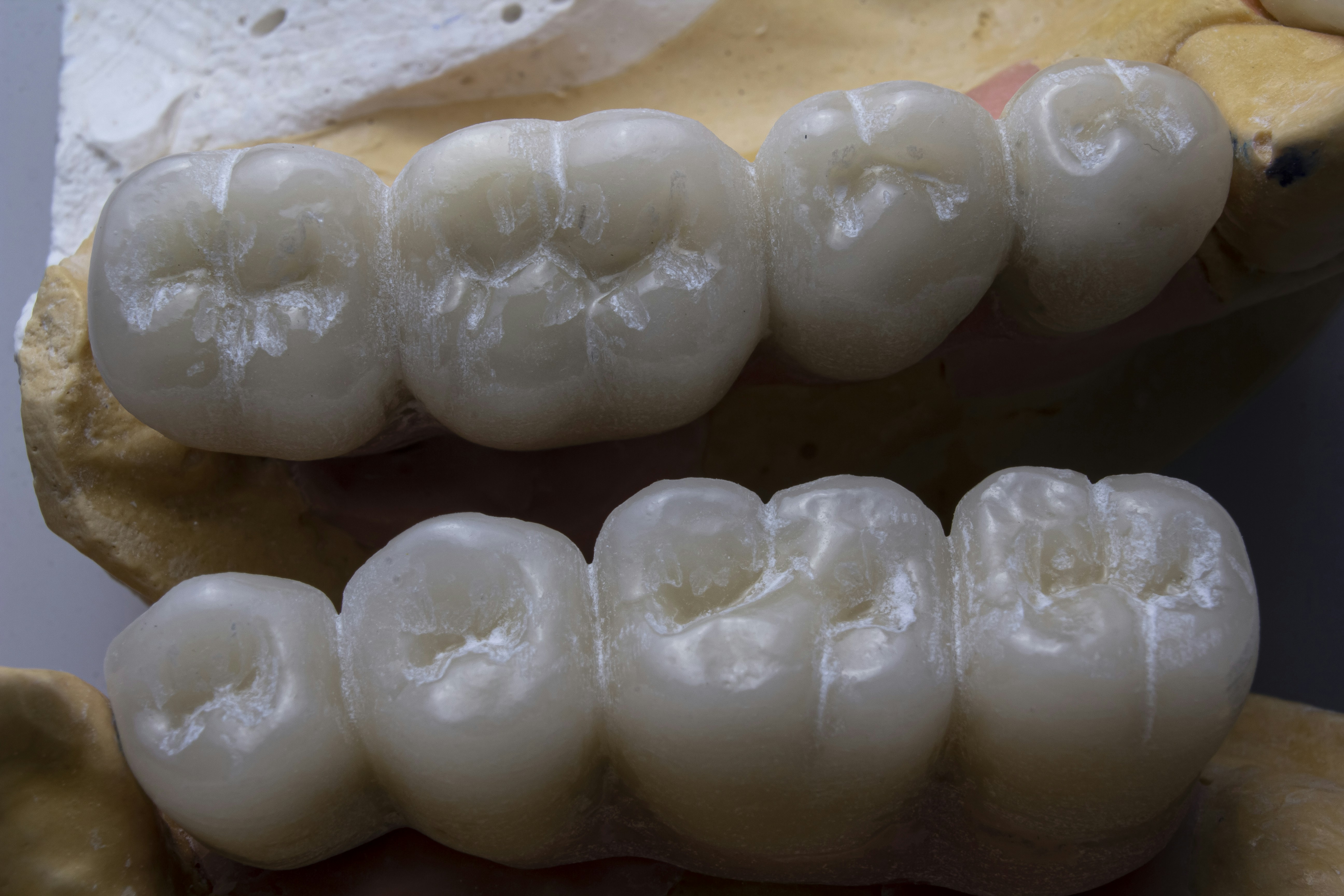
Introduction to Crown Occlusal Adjustment
Crown occlusal adjustment is a vital dental procedure focused on refining the occlusion, or bite, of a dental crown. Proper occlusion is essential for the effective functioning of dental implants, as it directly influences the distribution of forces during chewing and overall oral health. When a dental crown is placed, the relationship between the crown and the surrounding teeth must be evaluated to ensure that it fits harmoniously within the dental arch. An improper occlusion can lead to discomfort, uneven wear of the teeth, or even jaw problems over time.
The importance of meticulous crown occlusal adjustment cannot be overstated. Following the placement of a crown, dentists perform adjustments to the occlusal surfaces to achieve a balanced bite. This process entails fine-tuning the height and shape of the crown, which may involve grinding down certain areas to alleviate pressure points. By ensuring a well-adjusted crown, practitioners enhance not only the comfort of the patient but also the functionality of the dental apparatus. Patients have reported improved chewing efficiency and a significant reduction in discomfort after undergoing occlusal adjustments, reaffirming the procedure’s importance in comprehensive dental care.
Moreover, documenting these adjustments is crucial within the field of dentistry. This is where dental codes come into play. The crown occlusal adjustment dental code provides a standardized method for dentists to record and report the adjustments made during the procedure. This coding not only facilitates proper billing and insurance claims but also enhances communication among healthcare providers regarding the specifics of the treatment. By adhering to the established crown occlusal adjustment dental codes, dentists ensure a consistent and professional approach to patient care.
What is Crown Occlusal Adjustment?
Crown occlusal adjustment refers to the process undertaken by dental professionals to modify the bite of a dental crown, ensuring that it aligns appropriately with the opposing teeth. This adjustment is crucial for maintaining overall oral health and comfort since a well-fitted crown should not only restore functionality but also harmonize with the patient’s natural bite. Proper crown occlusal adjustment can alleviate discomfort, prevent further dental issues, and ensure longevity for the dental restoration.
The need for an occlusal adjustment can arise from various factors. One of the common reasons is misalignment resulting from the initial crown placement. If a crown is too high or low, it may lead to uneven pressure during biting and chewing, increasing the risk of discomfort or even damage to adjacent teeth. Additionally, wear and tear over time can alter occlusal surfaces, necessitating adjustments to maintain proper function. Discomfort after a crown procedure is typically a sign that an adjustment is required, prompting dentists to evaluate the occlusion.
To perform a crown occlusal adjustment, dentists employ several techniques. First, they may use specialized articulating paper to identify high points on the crown that interfere with the bite. This paper marks areas that require modification. Next, using precise instruments, a dentist may selectively grind or polish these high points, ensuring the crown fits seamlessly within the occlusal plane. Careful attention is given during this process to prevent any unnecessary removal of material, which could compromise the crown’s integrity.
In essence, a proper crown occlusal adjustment is paramount in dental care, addressing issues that stem from misalignment and ensuring that restorative work results in optimal functionality and comfort for patients. Ultimately, this contributes to better overall oral health and the effectiveness of the dental crown.
The Role of Dental Codes in Occlusal Adjustments
Dental codes play a crucial role in the documentation and standardization of various dental procedures, including crown occlusal adjustments. These codes are part of the Universal Dental Codes system, which provides a consistent framework for dental professionals to categorize and describe specific treatments. In the context of occlusal adjustments, these codes serve several essential functions, including aiding in billing processes and facilitating insurance claims.
The significance of the crown occlusal adjustment dental code extends beyond mere identification of the procedure. It ensures that both the dental practitioner and the patient have a clear understanding of the treatment performed. This clarity is particularly vital when it comes to insurance claims, as most insurance companies require specific codes to process reimbursements. When a dentist performs an occlusal adjustment on a crown, proper coding is necessary to ensure that the service is recognized accurately by the insurance carrier.
Moreover, standardized codes enhance the efficiency and accuracy of patient records. By utilizing specific codes for each procedure, dental practices can maintain organized documentation. This systematic approach minimizes the risk of errors in treatment records and billing processes. Additionally, dental codes allow for efficient tracking of treatment outcomes, which can contribute to improved patient care and enhanced educational resources for ongoing professional development.
In summary, the importance of dental codes in documenting crown occlusal adjustments cannot be overstated. They not only support standardization in practices but also streamline the billing and insurance claim processes in dentistry. By adhering to these codes, dental professionals can ensure transparency and improve communication with patients regarding the treatments provided.
Common Dental Codes for Crown Occlusal Adjustment
Crown occlusal adjustment is an essential aspect of restorative dentistry, and understanding the relevant dental codes can facilitate streamlined billing and accurate documentation. The most commonly employed codes in this context include the ADA (American Dental Association) codes D1999, D7910, and D8693, each delineating specific procedures related to occlusal adjustments on crowns.
Code D1999 serves as a miscellaneous code for procedures that do not have a specific descriptor. It is often utilized when a crown occlusal adjustment is performed that does not conform to existing codes. This code helps document unique situations, such as custom adjustments required based on patient-specific needs or unusual circumstances surrounding the crown placement. Typically, it is essential to provide detailed notes in the patient’s chart whenever this code is used for clarity and justification during claims processing.
Another prevalent code is D7910, which pertains to the occlusal adjustment on the existing prosthodontic appliance. This code is typically applied in scenarios where a crown has been newly inserted or previously existing restorations prompt adjustments to ensure optimal occlusal contacts. The guidelines recommend that this code be documented comprehensively, including specifics about how the adjustment improved the fit or function of the dental appliance.
Lastly, D8693 is designated for Re-cementing or Replacing a lost retention for existing crowns or bridges, which may include crown occlusal adjustments following re-cementation. This code reflects the significance of maintaining proper occlusion—especially essential for patient comfort and functionality. Proper documentation and clinical justification for the appearance of this code should always accompany it to ensure accuracy.
Understanding these codes, how they apply, and the corresponding guidelines is crucial for dental professionals involved in crown occlusal adjustments. Accurate coding not only assists in documentation but also helps ensure appropriate reimbursement for the services rendered.
Procedure for Occlusal Adjustment
The procedure for crown occlusal adjustment is a carefully orchestrated series of steps that requires the dentist’s expertise and a variety of specialized tools. Initially, the dentist conducts a thorough examination of the patient’s dental structure. This includes assessing the bite alignment and checking for any signs of discomfort associated with the current occlusion. Digital imaging or traditional impressions may be taken to gain a comprehensive understanding of the occlusion and any anomalies that may exist, serving as a basis for accurate adjustments.
Once the examination is complete, the dentist will proceed with the occlusal adjustment itself. The primary tools employed during this procedure include articulating paper, dental burs, and polishing instruments. Articulating paper is used to identify high spots on the crown, which may cause discomfort or incorrect occlusion. The dentist will then gently reduce or reshape these areas using precise movements with the dental burs, ensuring that the crown fits harmoniously with the opposing teeth.
Furthermore, the dentist may perform adjustments iteratively, reassessing the occlusion after each modification to ensure a balanced bite. This methodical approach mitigates the risk of over-adjusting, which could lead to further complications. Once the desired fit is achieved, a thorough polishing of the crown is essential to ensure smoothness and comfort for the patient.
After the occlusal adjustment, patients receive specific aftercare instructions. This entails guidance on managing any mild discomfort, which may include the use of over-the-counter pain relief and recommendations to avoid hard foods for a short period. Regular follow-up appointments may also be advised to monitor the adjustments and ensure that the crown functions optimally within the occlusal scheme. Each step in the procedure significantly contributes to effective crown occlusal adjustment dental code compliance and overall patient satisfaction.
Indications and Contraindications for Occlusal Adjustment
Crown occlusal adjustment dental code procedures are critical in restorative dentistry and are typically performed to correct any discrepancies in occlusion. Indications for occlusal adjustments include a variety of dental conditions such as malocclusion, presence of premature contacts, and the misalignment of dental restorations impacting the overall bite. Patients who experience symptoms like temporomandibular joint dysfunction (TMJ), bruxism, and uneven wear on teeth may benefit significantly from an occlusal adjustment. By addressing these conditions, dental professionals can help restore proper function and alleviation of discomfort.
In addition to structural issues, occlusal adjustments are also indicated for patients with newly placed crowns, bridges, or dentures. These restorative procedures often require fine-tuning to ensure a harmonious occlusion. Therefore, dental practitioners typically assess the occlusion following treatment to facilitate optimal alignment and reduce potential complications that may arise from improper occlusal forces.
Conversely, there are specific contraindications for undergoing occlusal adjustments. Patients with certain health conditions, such as significant periodontal disease or systemic diseases that compromise healing, may not be suitable candidates for these procedures. Additionally, if there is inadequate tooth structure to support an adjustment or if the patient has active dental infections, it may be inadvisable to proceed with the adjustment until these conditions are resolved. Moreover, careful consideration must be given to the patient’s overall health status, as adjustments might exacerbate certain health issues.
Ultimately, the decision to perform a crown occlusal adjustment requires a thorough evaluation by a dental professional, weighing the benefits against potential risks to determine the most appropriate course of action for the patient.
Benefits of Crown Occlusal Adjustment
Crown occlusal adjustment is a vital procedure in dentistry that offers numerous benefits to patients. One of the most significant advantages is improved comfort. When a dental crown is fitted, it is essential that it aligns correctly with the natural bite. An improper fit can lead to discomfort, pain, or even damage to surrounding teeth. By employing the crown occlusal adjustment dental code, dentists can effectively reshape and modify the occlusal surfaces of crowns, ensuring that patients experience a more comfortable bite.
Additionally, a well-executed crown occlusal adjustment enhances chewing function. The relationship between upper and lower teeth must be optimal for efficient mastication of food. A crown not correctly adjusted can alter this relationship, leading to difficulties in chewing and consuming food. By performing these adjustments, dentists can restore proper occlusion, thereby improving the overall chewing efficiency and making meals more enjoyable for patients.
Another significant benefit is the prevention of further dental issues. Crowns that exert undue pressure on specific teeth can lead to micro-fractures, gum recession, and even Temporomandibular Joint (TMJ) disorders. Implementing the crown occlusal adjustment dental code allows dental professionals to mitigate these risks, protecting the integrity of both the crown and the natural dentition. This preventive approach ultimately fosters better oral health, reducing the likelihood of future procedures and associated costs.
Moreover, proper occlusal adjustments contribute to heightened patient satisfaction. A successful adjustment not only alleviates discomfort and facilitates better function but also enhances the overall experience of the dental treatment. Patients who feel comfortable and satisfied with their dental care are more likely to maintain regular appointments, supporting their long-term oral health. Therefore, the role of crown occlusal adjustments cannot be overstated, as they significantly influence both the immediate and future well-being of patients.
Potential Complications of Improper Adjustment
A crown occlusal adjustment dental code represents a critical part of dental treatment, particularly when it comes to the proper fitting and functionality of dental crowns. Improper adjustments or a complete lack of adjustments can lead to various complications, which may be detrimental to the patient’s oral health. One of the most immediate consequences of inadequate adjustment is discomfort or pain in the affected tooth. When a crown does not fit correctly, it can create uneven pressure when biting down, leading to localized pain that may become chronic if not addressed.
Beyond mere discomfort, patients may also experience jaw discomfort due to altered bite dynamics. The misalignment caused by an improperly adjusted crown can force the jaw to adapt unnaturally while chewing or at rest. Over time, this maladjustment can result in muscle fatigue, strain, and soreness, potentially causing significant discomfort during everyday activities.
More severe issues may arise from persistent improper adjustments, particularly temporomandibular joint (TMJ) disorders. TMJ disorders can manifest as frequent headaches, jaw locking, and clicking sounds during the jaw’s movement. They may also lead to complications such as bruxism, where the patient involuntarily grinds their teeth, further exacerbating the underlying problem. Continued neglect of adequate crown occlusal adjustment dental code practices may lead to wear and tear not just on the crown itself, but also on adjacent teeth and surrounding periodontal tissues.
In essence, the significance of a proper crown occlusal adjustment cannot be overstated. Addressing issues stemming from an improper fit ensures not only the longevity of the dental work but also the overall well-being of the patient’s oral health. Neglecting this adjustment invites complex complications that can alter a patient’s quality of life and require further dental interventions.
Conclusion and Final Thoughts
In summarizing the crucial role of the crown occlusal adjustment dental code, it is evident that this procedure serves as an integral component of effective dental practice. An accurate occlusal adjustment is essential to ensure that dental crowns fit properly, promote optimal function, and prevent complications that could arise from misalignments. Throughout this discussion, we have highlighted how occlusal adjustments not only contribute to the longevity of dental restorations but also significantly enhance patient comfort and oral health.
Effective communication between patients and dental professionals is paramount in this process. Patients should feel encouraged to express any discomfort or concerns they may experience with their crowns. These discussions are vital, as they inform dentists of the specific areas that may need attention, allowing for tailored adjustments to enhance comfort and improve occlusal alignment. Ensuring that patients are educated about the importance of occlusal adjustments empowers them to take an active role in their dental care.
Furthermore, understanding the crown occlusal adjustment dental code can assist in streamlining the billing and treatment processes, ensuring that patients receive the appropriate care within their insurance frameworks. A clear knowledge of these codes aids practitioners in documenting procedures accurately, thus fostering transparency and trust in the provider-patient relationship.
As we conclude this exploration of the crown occlusal adjustment dental code, it is essential to remember that proper treatment and adjustments can lead to improved dental health and overall patient satisfaction. Individuals are encouraged to maintain ongoing dialogue with their dental care providers regarding their experiences with crowns and the necessary adjustments, fostering a proactive approach to dental health.
