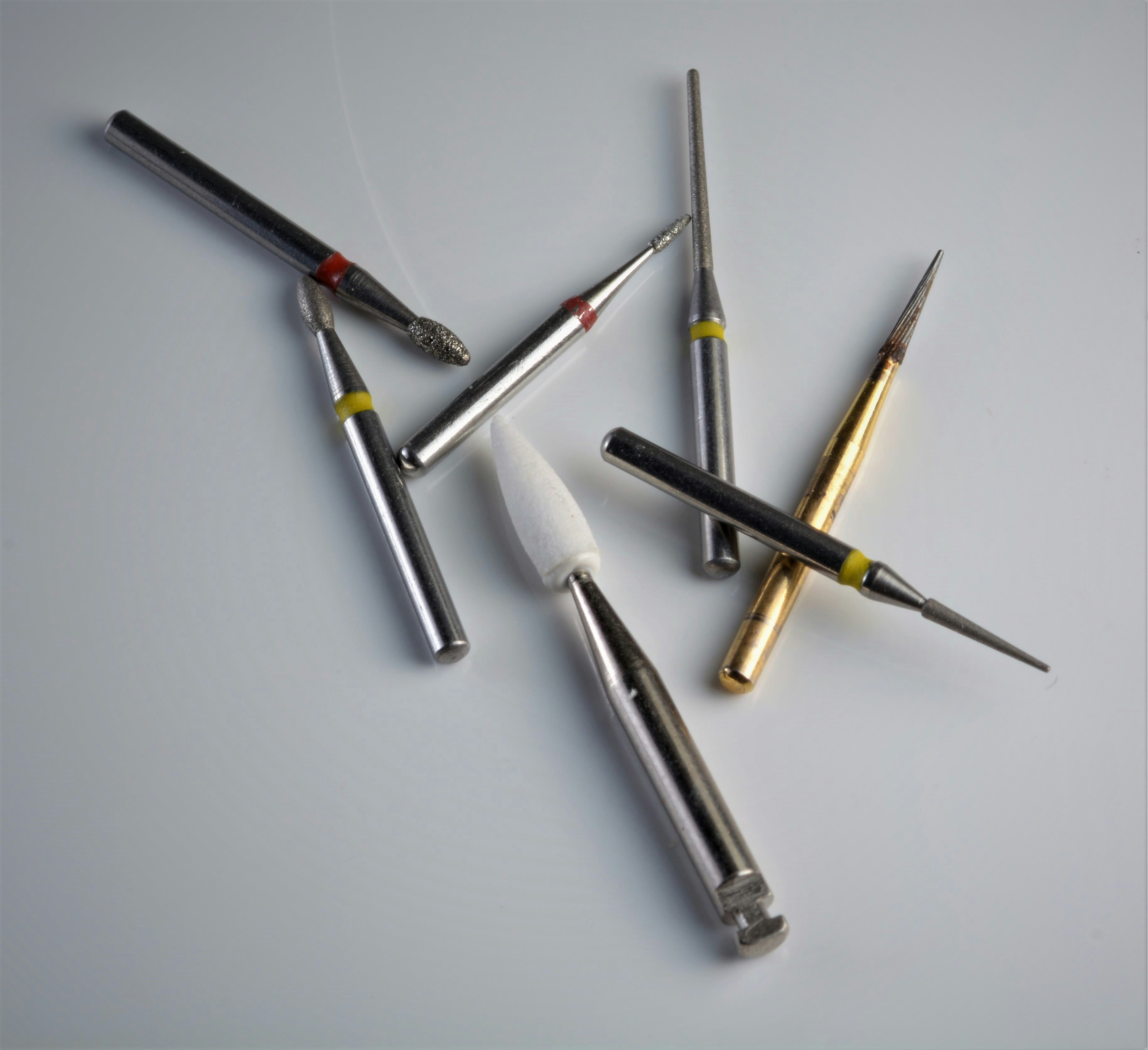
Introduction to Core Buildup
Core buildup is a critical procedure in restorative dentistry, primarily aimed at providing structural support to teeth that have undergone significant loss of tooth structure. This procedure becomes particularly relevant in scenarios such as post-root canal therapy or when a tooth has experienced extensive decay or trauma. It enables the dentist to restore the tooth’s shape and function, facilitating the placement of subsequent restorative materials, such as crowns or bridges.
Following a root canal, the internal structure of a tooth is compromised, necessitating a core buildup to preserve the tooth’s integrity. Without adequate buildup, there may be insufficient material to support a crown, which can lead to further complications, including tooth fracture or loss. Similarly, in instances of severe decay, where a substantial portion of the tooth has been lost, core buildup becomes imperative to ensure the remaining tooth structure can effectively support restorative methods.
The core buildup procedure involves filling the prepared tooth structure with suitable materials that may include composite resins, glass ionomer, or other dental materials designed to withstand chewing forces. In various cases, pins dental may be utilized to enhance retention of the core buildup. These pins secure the buildup material to the tooth, improving the overall stability and longevity of the restoration. The integration of such materials serves not just aesthetic purposes but also functional, safeguarding the tooth from further structural failure.
Ultimately, the importance of core buildup in dentistry cannot be overstated, as it plays a crucial role in restoring teeth to their functional and aesthetic form. This foundational step ensures that the subsequent dental procedures can be performed effectively, ultimately contributing to long-term dental health.
Indications for Core Buildup
Core buildup is an essential dental procedure indicated for restoring a tooth when a substantial amount of tooth structure is lost due to various conditions. One of the primary situations necessitating a core buildup is extensive tooth decay. When large cavities form and structural integrity diminishes, a core buildup becomes necessary to provide a solid foundation for any subsequent restorations, such as crowns. This process ensures that the tooth can withstand the forces of biting and chewing, which is crucial for long-term dental health.
Another common indication for core buildup is the presence of a fracture. Teeth can fracture due to trauma, excessive force during chewing, or even from a history of bruxism. In such cases, the amount of remaining tooth structure may be insufficient to support a restoration. Core buildup not only strengthens the affected tooth but also allows for better alignment and contact with adjacent teeth. By addressing these fractures through core buildup, dentists are able to enhance the longevity and functionality of the tooth.
Moreover, core buildup is often indicated after endodontic treatment. Following root canal therapy, a tooth typically loses much of its natural structure, rendering it vulnerable to fracture or reinfection. In such instances, a core buildup is crucial for rebuilding the necessary support for a crown or other restorative material. It plays a vital role in sealing the access point created during the root canal and preventing further complications. Therefore, understanding the specific situations where core buildup is indicated enables both dentists and patients to make informed decisions about the most effective path to restoring oral health and ensuring the durability of dental restorations.
Materials Used in Core Buildup
In the realm of dentistry, core buildup is an essential procedure that enhances the structural integrity of a tooth, particularly during restorative treatments. The selection of materials used for core buildup is pivotal, as it affects not only the durability and longevity of the restoration but also the aesthetic outcome. Various types of materials are utilized, including composites, glass ionomer, and resin-based materials, each with distinct advantages and disadvantages.
Composites are among the most commonly employed materials in core buildup. These materials provide excellent aesthetic qualities, allowing them to blend seamlessly with the surrounding tooth structure. They create a strong bond with the tooth via adhesive technology, promoting longevity. However, composites can be more susceptible to wear and may require careful consideration of the occlusal load they will endure during function.
Glass ionomer cements are another option for core buildup. These materials offer excellent adhesion to tooth structure, making them favorable for situations requiring strong bonding. They also release fluoride, which can benefit the surrounding teeth by reducing caries risk. Nevertheless, glass ionomer may not provide the same level of aesthetic appeal as composites and can be less durable under high-stress conditions.
Resin-based materials represent a newer category of options for core buildup, often incorporating enhanced properties of both composites and glass ionomer. These materials tend to provide superior mechanical strength, greater resistance to wear, and better aesthetics compared to traditional glass ionomers. However, their higher cost and potentially complex application process may be deterrents for some practitioners.
Ultimately, the choice of materials in core buildup hinges on various factors, including the clinical situation, aesthetic demands, and the patient’s individual needs. By understanding the properties of each material, dentists can make informed decisions that optimize outcomes and ensure the success of the final restoration.
The Role of Pins in Core Buildup
In the practice of restorative dentistry, core buildup is a crucial procedure that involves reconstructing a tooth structure to support a crown or other restoration. Integral to this process are dental pins, which serve as essential components to enhance the integrity of the buildup. Dental pins are small, cylindrical metal or resin rods that are inserted into the remaining tooth structure to provide additional support for the core material. Their primary function is to improve retention and stability, ensuring a secure baseline for any restorations placed subsequently.
The incorporation of dental pins in core buildup works by anchoring the core material, thus preventing displacement or fracture under masticatory forces. Pins can be categorized into two broad types: threaded and non-threaded. Threaded pins are designed to engage with the surrounding dentin, allowing for mechanical retention through their helical design. They create a more robust interlock between the pin and the tooth structure, which helps to absorb the stresses placed on the restoration. Conversely, non-threaded pins rely primarily on adhesive properties for retention, making them suitable for instances where minimal invasiveness is preferred, or where there is limited dentin available.
The selection of the appropriate type of dental pin depends on various factors, including the extent of the tooth’s structural loss and the desired level of retention. The correct placement and utilization of these pins can significantly impact the overall success of the core buildup. By providing the necessary anchorage, dental pins ensure that the core material remains intact and stable, promoting the longevity and durability of the final restoration. Ultimately, the strategic use of pins in core buildup greatly contributes to restorative dentistry by facilitating effective treatment outcomes.
The Core Buildup Procedure
The core buildup procedure is an essential dental treatment aimed at restoring the integrity and function of the tooth, especially after significant damage or decay. The process begins with a thorough examination by a dentist, who will assess the extent of the tooth’s damage. Once a treatment plan is established, the first step is tooth preparation. This involves the removal of any decayed or weakened structure, creating a clean environment for the subsequent buildup.
Following tooth preparation, local anesthesia is typically administered to ensure patient comfort during the procedure. This is crucial, as the subsequent steps may involve manipulation of sensitive tooth structures. Once the area is numb, the dentist will proceed to place any necessary pins dental or metal supports. These pins are used to provide additional retention for the buildup material, particularly in cases where the remaining tooth structure is minimal. The placement of these pins necessitates precise technique to avoid damage to the root or surrounding tissues.
After the pins are securely placed, the dentist will prepare the core buildup material, which is commonly a composite resin or glass ionomer. This material is applied incrementally, allowing the dentist to mold and sculpt it to achieve the desired tooth shape and function. Each layer is cured with a specialized light, ensuring that the material hardens appropriately. This step is vital, as proper curing enhances the strength and durability of the buildup. Once the final layer has set, additional shaping and polishing are performed to match the tooth’s natural contours and ensure a smooth finish.
Throughout the procedure, communication between the dentist and the patient is key. The dentist should inform the patient about each step, addressing any concerns and ensuring a comfortable experience. The core buildup process culminates in a strong foundation for either a crown or filling, thereby restoring both functionality and aesthetics to the affected tooth.
Post-Operative Care and Instructions
After undergoing a core buildup procedure, proper post-operative care is essential to ensure the success of the treatment and the well-being of the patient. Patients may experience some level of discomfort, swelling, or sensitivity in the area where the procedure was performed. To manage any pain or discomfort, over-the-counter pain relievers such as acetaminophen or ibuprofen may be recommended. However, it is crucial to follow the dosage instructions provided by the healthcare provider.
Dietary restrictions play a vital role in recovery. It is advisable to consume soft foods that require minimal chewing for the first few days post-procedure. Avoiding hard, crunchy, or sticky foods will help to protect the core buildup and the surrounding tissues as they heal. Furthermore, patients should stay hydrated, but it is best to refrain from using straws, as the suction can dislodge the material used in the core buildup.
Maintaining good oral hygiene is also critical after the procedure. Patients should brush their teeth gently, especially around the area of the core buildup, to avoid any irritation. Rinsing with saltwater can provide additional relief and promote healing. However, patients should consult their dentist on when to resume normal brushing or flossing routines.
Follow-up appointments are necessary to monitor the healing process and assess the effectiveness of the core buildup, including any pins dental that may have been used in the procedure. During these visits, the dentist will evaluate the integrity of the restoration and make recommendations for any further treatment if required. The timeline for these follow-ups will be provided by the dental professional, and adherence to this schedule is imperative for optimal recovery.
Benefits and Risks of Core Buildup
Core buildup serves a critical role in restorative dentistry, providing a foundation for successful procedures like crowns or bridges. One of the primary benefits of core buildup is the improvement in tooth strength. By utilizing materials that bond effectively with the remaining tooth structure, dental professionals create a robust support system capable of withstanding considerable forces during chewing and biting. Additionally, core buildup can significantly enhance the longevity of restorative treatments. When done correctly, it minimizes the risk of future failure, ultimately safeguarding both the patient’s investment and their oral health.
Another advantage of core buildup is its versatility. Various materials, including composite resins, amalgam, or glass ionomer, can be employed to accommodate individual patient needs. The integration of pins dental, when necessary, further reinforces the bond between the core material and the tooth, promoting optimal stability. This adaptability enables dentists to tailor treatments to each case, ensuring better outcomes for their patients.
Despite the clear benefits, certain risks accompany core buildup procedures that practitioners and patients must consider. For instance, pin fractures can occur during the build-up process or afterward, potentially compromising the integrity of the restoration. Furthermore, improper adhesion between the core material and the remaining tooth structure can lead to failures in the treatment, resulting in the need for additional interventions. It is crucial for dental professionals to evaluate the condition of the tooth prior to undertaking core buildup, as outdated or inadequate structures could increase the likelihood of complications.
In summary, understanding the benefits and risks associated with core buildup empowers both patients and practitioners to make informed decisions regarding dental restorative treatments. The success of such procedures heavily depends on careful planning and execution, balancing the rewards of enhanced tooth strength and durability against the potential pitfalls that may arise.
Alternatives to Core Buildup
In dentistry, while core buildup is a common procedure to restore the integrity and functionality of a tooth after significant decay or damage, it is essential to consider alternative treatments that may be more suitable based on individual circumstances. Among these alternatives are full crowns and partial veneers, each offering distinct advantages depending on the specific condition of the tooth and the patient’s overall dental health.
Full crowns provide a comprehensive solution for teeth that are severely damaged or weakened. Unlike core buildup, which typically aims to reinforce the remaining structure of a tooth before placing a crown, full crowns cover the entire tooth. This approach is particularly beneficial when the tooth structure is extensively compromised, as it allows for greater protection and support. In cases where the tooth has suffered considerable decay or has undergone root canal therapy, a full crown may be deemed necessary to prevent further deterioration.
Partial veneers, on the other hand, serve as a more conservative option for teeth that exhibit minor damage or aesthetic concerns. Unlike core buildup, which aims to restore functionality, veneers focus primarily on enhancing the visual appeal of the affected tooth. This less invasive technique requires less tooth reduction compared to full crowns and can be utilized for patients seeking to correct cosmetic issues like discoloration or chips without the need for extensive structural support.
Ultimately, the choice between core buildup, full crowns, or partial veneers must be driven by a comprehensive examination of the individual’s dental needs. Factors such as the extent of tooth damage, the presence of decay, patient preferences, and overall oral health should guide the decision-making process. A personalized treatment plan ensures that patients receive the most effective and appropriate care for their unique situation.
Conclusion and Final Thoughts
Core buildup plays a crucial role in the longevity and success of various dental restorations. It acts as a foundational element, particularly following root canal treatments or extensive decay, providing the necessary support for crowns, bridges, and other prosthetic devices. The integration of pins dental or similar support systems enhances the stability of the buildup, enabling effective restoration and preserving the integrity of the tooth structure. Understanding the significance of core buildup can empower patients to make informed decisions regarding their dental care.
In light of the various techniques and materials available, it is vital for individuals to discuss their specific dental needs with a qualified professional. Each case is unique, and a dental expert can counsel patients on the most suitable approach, ensuring they receive personalized care. Factors such as the extent of decay, tooth morphology, and patient preferences will influence the decision-making process surrounding core buildup procedures. Moreover, comprehensive assessments and treatment planning can mitigate potential complications, reinforcing the importance of a thorough evaluation prior to any significant dental intervention.
Overall, core buildup serves as a pivotal aspect of restorative dentistry, contributing not only to the structural restoration of teeth but also to maintaining oral health. By prioritizing professional consultation and understanding the implications of each treatment choice, patients can work collaboratively with their dental providers to achieve optimal outcomes. Ultimately, informed choices result in more predictable and successful restorations, enhancing both function and aesthetics in one’s smile.
