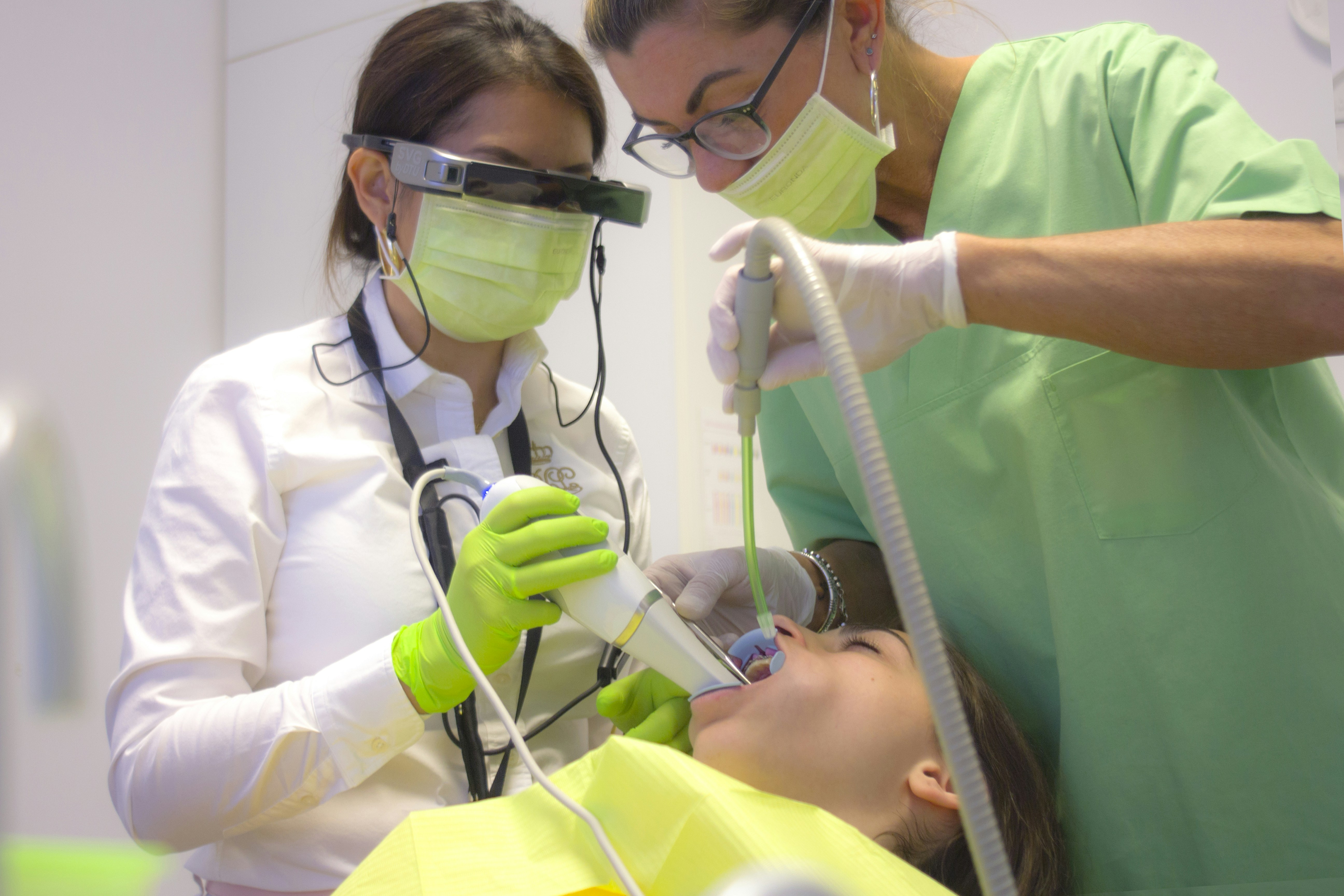
Introduction to Occlusal Adjustment
Occlusal adjustment is a dental procedure aimed at modifying the occlusion, or bite, of an individual to ensure optimal dental health and function. The primary objective of this adjustment is to harmonize the contact points between the upper and lower teeth, facilitating smoother chewing and reducing undue stress on various dental structures. This process is vital in various scenarios—it not only enhances patient comfort but also plays a crucial role in preventing potential dental complications, including temporomandibular joint (TMJ) disorders.
The significance of occlusal adjustments in dental practice cannot be overstated. A misaligned bite can lead to numerous issues such as jaw pain, uneven wear on teeth, and headaches, which may negatively impact a patient’s quality of life. Therefore, through complete occlusal adjustment, dental professionals aim to address these concerns by identifying specific areas that require modification, utilizing various tools and techniques. The adjustments may involve reshaping the chewing surfaces of the teeth, providing necessary restorations, or making adjustments to dental appliances.
Historically, understanding occlusion and its implications has evolved significantly. Dental practitioners over the years have recognized that proper alignment is foundational for sustaining overall oral health. The introduction of treatments that embrace occlusal adjustments has improved outcomes for patients who suffer from various dental ailments stemming from misalignment issues. By actively engaging in the complete occlusal adjustment dental code, dentists ensure that they are compliant with current standards and methodologies that prioritize patient welfare.
In the context of dental practice, the complete occlusal adjustment serves as a crucial bridge between the scientific principles of dentistry and patient-centered care, reflecting an era where a more comprehensive approach is taken to achieve optimal oral health.
Understanding Dental Codes
Dental coding serves as a vital component in the management of dental care and treatment documentation. These codes facilitate a standardized language that allows dental professionals to communicate effectively with each other, as well as with insurance companies, ensuring clarity in billing and services rendered. A structured coding system is essential for accurate record-keeping and for assisting in the reimbursement process associated with various dental services.
The Current Dental Terminology (CDT) codes are the primary codes utilized in the dental field. These codes encompass a diverse range of procedures, from preventive care to restorative treatments, providing a systematic way to identify and communicate specific services. For example, the complete occlusal adjustment dental code falls under the category of CDT codes and refers specifically to a procedure designed to correct issues related to occlusion, or the alignment of the teeth and jaw. This particular coding is crucial for insurance claims, as it details the exact service provided to the patient.
Additionally, dental codes play a significant role in justifying treatment plans and the necessity of specific procedures. When dental professionals document their services using these predefined codes, they ensure that insurance companies have clear justification for the treatments rendered. This is critical in enabling patients to receive appropriate coverage for care received, as it outlines the nature and intent of dental practices. The use of dental codes also streamlines communications among dental professionals, allowing for enhanced collaboration in treatment planning and patient management.
Therefore, understanding the intricacies of dental codes not only aids in simplifying billing and insurance processes but also fosters improved patient care and communication within the dental community. Proper application of these codes, including those for complete occlusal adjustment, is paramount for the efficient operation of dental practices.
Complete Occlusal Adjustment Dental Code Breakdown
The complete occlusal adjustment dental code is a critical component within the dental coding system, as it enables practitioners to accurately document the procedures related to occlusal adjustments. Specifically, this code is designated as 41899. This numerical designation falls under the broader category of dental services, helping to classify the treatment provided to patients experiencing occlusal discrepancies.
Procedures that are classified under this code typically include a comprehensive assessment of occlusion, followed by the necessary adjustments to achieve ideal tooth contact during functional movements. A complete occlusal adjustment can often involve the reshaping of the occlusal surfaces of teeth, thereby improving alignment and function. This procedure is essential for patients suffering from conditions such as bruxism, temporomandibular joint disorders, or significant wear patterns, ensuring optimal oral health.
The precise and accurate use of the complete occlusal adjustment dental code is paramount for billing and insurance purposes. Dental practitioners must ensure proper adherence to coding guidelines to avoid claim denials or discrepancies. Furthermore, correct coding not only facilitates streamlined billing processes but also substantiates the necessity of the treatment when engaging with insurance providers. Documentation that aligns with the designated code ensures a clear communication channel about the procedures performed, ultimately impacting reimbursement outcomes and the continuity of patient care.
In order to optimize care for patients, dental professionals should remain informed about any updates or changes to coding practices related to occlusal adjustments. Consistently applying the correct dental codes reinforces the structural integrity of the claims process and underscores the importance of complete occlusal adjustment procedures in comprehensive dental care.
Indications for Complete Occlusal Adjustment
Complete occlusal adjustment is a critical procedure in dentistry, addressing various clinical indications that arise from malocclusion and improper bite relations. One of the primary reasons for undertaking this procedure is the presence of bite discrepancies. Patients who experience a misalignment of teeth or changes in their occlusal surfaces may require an adjustment to restore proper function and prevent further dental issues. Bite discrepancies can manifest as difficulty in chewing, tooth wear, or even undue stress on jaw joints.
Another significant factor leading to a complete occlusal adjustment is bruxism, a condition characterized by involuntary grinding or clenching of the teeth. This behavior can lead to muscle fatigue, tooth sensitivity, and temporomandibular joint (TMJ) dysfunction. For those affected by bruxism, a complete occlusal adjustment can significantly alleviate symptoms by redistributing occlusal forces and enhancing overall dental health.
Restorative dental work, including crowns, bridges, or implants, can also necessitate an occlusal adjustment. In cases where restorative procedures have been completed, it is essential to evaluate the new occlusion compared to the existing bite to ensure that these restorations harmonize with the patient’s overall dental structure. Inadequate adjustments following restorative work can lead to discomfort and further complications.
Additionally, specific patient populations, such as individuals suffering from TMJ dysfunction, may benefit significantly from a complete occlusal adjustment. This dysfunction often arises from occlusal discrepancies and can result in pain, limited jaw movement, and headaches. By correcting the occlusion, dentists can promote better joint function and alleviate the discomfort associated with these conditions. The necessity for complete occlusal adjustment dental code is underscored by the diverse clinical scenarios that impact patients’ oral health and quality of life.
The Procedure: Steps Involved in Complete Occlusal Adjustment
Complete occlusal adjustment is an essential dental procedure aimed at optimizing the bite and ensuring proper alignment of the teeth. The process involves several critical steps that contribute to effective results. Initially, a thorough examination is necessary, where the dental professional evaluates the patient’s occlusion through both visual inspection and diagnostic tools such as articulating paper and bite analysis devices.
Preparation for the procedure typically includes obtaining a detailed medical history and discussing any pertinent symptoms that the patient may be experiencing. This step is vital for addressing any underlying issues before proceeding. Following this, the dentist will prepare the treatment area by ensuring that the patient is comfortably seated and adequately informed of the procedure details, promoting a relaxed atmosphere that minimizes anxiety.
Next, the dentist employs various tools such as dental wax, articulating paper, and a dental handpiece to facilitate the complete occlusal adjustment. This equipment helps to identify high spots in the bite, which can lead to discomfort or pain. The dentist carefully marks these areas using the articulating paper, allowing for a visual guide during the adjustment process.
Once the high points are identified, the clinical technique entails precisely adjusting the tooth structure, which may involve reshaping or smoothing surfaces where excessive pressure occurs. Patient communication throughout this process is crucial; the dentist should regularly check in with the patient to ensure comfort and efficacy.
Following the adjustments, occlusal contacts are reevaluated to confirm that the patient’s bite is balanced. This intricate procedure not only addresses any current alignment issues but also promotes long-term oral health. By carefully following these steps and placing patient comfort at the forefront, dental professionals can effectively perform a complete occlusal adjustment with a high success rate.
Potential Risks and Complications
Complete occlusal adjustment is a dental procedure aimed at improving the alignment and functionality of the bite. While it can lead to significant benefits in oral health, there are potential risks and complications that patients should be aware of before undergoing the treatment. Among these risks, discomfort is the most commonly reported issue. Following a complete occlusal adjustment, patients may experience soreness in the jaw or surrounding muscles, particularly if significant changes were made to the occlusion.
Another common complication is misalignment, which may occur if the adjustments do not adequately account for individual anatomical variations or if the procedure is performed inaccurately. Misalignment can subsequently lead to uneven wear on the teeth, increased sensitivity, and even temporomandibular joint (TMJ) disorders, which could exacerbate pre-existing conditions. Therefore, dentists must carefully assess the patient’s occlusion and bite dynamics to devise an effective treatment plan that minimizes the likelihood of such complications.
Moreover, inadequate post-procedure monitoring can heighten the risks associated with a complete occlusal adjustment. It is critical for dental professionals to schedule follow-up appointments to evaluate the patient’s adaptation to the changes made. This period allows for any necessary fine-tuning or corrections to be implemented, thus preventing further complications. Patients should also be encouraged to communicate any discomfort or changes they experience after the adjustment, as timely interventions can significantly mitigate long-term issues related to bite misalignment or other complications. Proper assessment and monitoring are vital in safeguarding the patient’s overall dental health after the complete occlusal adjustment dental code procedures are executed.
Post-Adjustment Care and Management
Following a complete occlusal adjustment, it is essential for patients to adhere to specific care guidelines to facilitate optimal recovery and sustain the adjustments made. Proper post-adjustment care can significantly impact the healing process, minimizing discomfort and preventing complications.
One of the primary concerns after undergoing treatment is managing any discomfort or pain. It is normal to experience minor soreness in the jaw or teeth following the adjustment. For pain management, over-the-counter medications such as ibuprofen or acetaminophen may be recommended. It is crucial to follow the dosing instructions provided by a healthcare professional and to refrain from any medications that could exacerbate existing conditions.
Patients should also take note of the healing expectations post-adjustment. The initial sensitivity may gradually decrease as the tissues adapt to the new occlusal positions. It is advisable to maintain a soft diet for a few days post-treatment, avoiding hard, chewy, or sticky foods during this period to prevent undue stress on the dental structure.
While adjustments typically lead to improved dental function, it is still important for patients to be vigilant regarding any unusual symptoms. Signs of potential complications may include prolonged pain, swelling, or difficulty in closing the mouth properly. Should any of these symptoms arise, contacting the dentist for a follow-up visit is crucial.
Follow-up appointments are essential for monitoring the success of the complete occlusal adjustment. During these visits, the dentist will assess the adjustments and determine if further modifications are necessary. Patients should maintain open communication with their dental care provider, reporting symptoms and discussing any concerns that may arise during recovery.
Billing and Insurance Considerations
When it comes to the complete occlusal adjustment dental code, understanding billing practices is essential for both dental professionals and patients. The complete occlusal adjustment is often a necessary procedure that addresses malocclusion and can significantly improve a patient’s oral health. However, navigating the complexities of billing and insurance coverage can be challenging.
Typically, dental practices employ specific billing codes to streamline the submission process to insurance companies. The complete occlusal adjustment dental code may not be universally recognized by all insurers, leading to variability in coverage. Consequently, it is crucial for dental offices to stay informed about the specific codes approved by various insurers to facilitate accurate billing.
Insurance coverage for occlusal adjustments often depends on the medical necessity as determined by the insurer. Some policies may cover the procedure under dental benefits, while others may categorize it as an elective treatment. Therefore, dental providers should always verify a patient’s insurance benefits prior to the treatment to gain clarity on potential coverage and patient financial responsibilities.
When submitting claims, meticulous attention to detail is paramount. Ensure that all necessary documentation, including diagnostic records and treatment plans, accompanies the claim to support the medical necessity of the occlusal adjustment. If claims are denied, it is vital to communicate with the insurance company to discuss the reasons behind the denial and rectify any issues. Providers should advocate for their patients by providing additional documentation if necessary to ensure proper coverage.
Patients should also be informed about their financial responsibilities, which may include copayments or deductibles. Encouraging open communication regarding costs can help patients better understand their financial commitments and make informed decisions regarding their treatment options.
Conclusion: The Importance of Occlusal Adjustments in Dental Care
Complete occlusal adjustment is a pivotal component in the field of dentistry that focuses on optimizing occlusion for improved oral health and patient comfort. This process involves carefully fine-tuning the relationship between the upper and lower teeth to ensure optimal functional and esthetic outcomes. The use of the complete occlusal adjustment dental code serves to standardize this critical procedure, facilitating clear communication among dental professionals and insurance providers regarding treatment efficacy and reimbursement.
Throughout this guide, we have explored various aspects of occlusal adjustments, including the techniques employed, the situations that necessitate them, and their implications for patient care. A thorough occlusal adjustment can play a significant role in preventing or alleviating conditions such as temporomandibular joint disorder (TMJ), which can arise from misalignment of the dental arches. By receiving appropriate adjustments, patients often report reduced discomfort and improved function, highlighting the real-world benefits of this procedure.
Dental practitioners are encouraged to stay informed about evolving coding practices related to complete occlusal adjustment. With regular updates in dental codes, it is vital for professionals to continually educate themselves on the latest standards and guidelines, ensuring they can deliver the highest quality of care. Fostering ongoing professional development not only enhances clinical acumen but also translates into better patient outcomes, thus reinforcing the importance of occlusal treatments in dental practice.
In conclusion, complete occlusal adjustments, supported by appropriate coding, are essential for effective dental care. The commitment to implementing these adjustments within clinical routines contributes significantly to preserving the overall health and comfort of patients.
