Introduction to Dental Codes
Dental codes are alphanumeric representations utilized by dental professionals to standardize and streamline various processes within the dental industry. These codes serve numerous critical functions, including the categorization of procedures, facilitating accurate billing, and ensuring consistency in treatment documentation. The American Dental Association (ADA) plays a pivotal role in developing and maintaining these codes, which are essential for both practitioners and patients.
The primary purpose of dental coding is to provide a universal language that enables effective communication among dentists, insurance companies, and patients. By standardizing the terminology used in dental procedures, the ADA dental code for sectioning a bridge and other treatments allows for improved clarity and reduces the potential for misunderstandings. This standardization is especially crucial in an industry where precise treatment descriptions are vital for accurate billing and insurance reimbursement.
Moreover, the implementation of dental codes simplifies administrative processes within dental practices. When a procedure is performed, the corresponding dental code is used to bill the insurance companies, streamlining the payment process. This efficiency not only benefits dental offices by reducing paperwork and administrative burdens but also enhances the overall patient experience as they navigate billing inquiries and insurance claims.
Beyond administrative benefits, dental codes contribute significantly to quality assurance and regulatory compliance. By providing an organized framework for dental services, these codes help ensure that practices adhere to industry standards while delivering necessary patient care. Consequently, the significance of understanding ADA dental codes, including those pertaining to specific procedures like the sectioning of a bridge, extends beyond mere billing. It encompasses the broader goal of enhancing the quality and continuity of dental care, ensuring that both patients and providers engage effectively with the dental system.
What is a Dental Bridge?
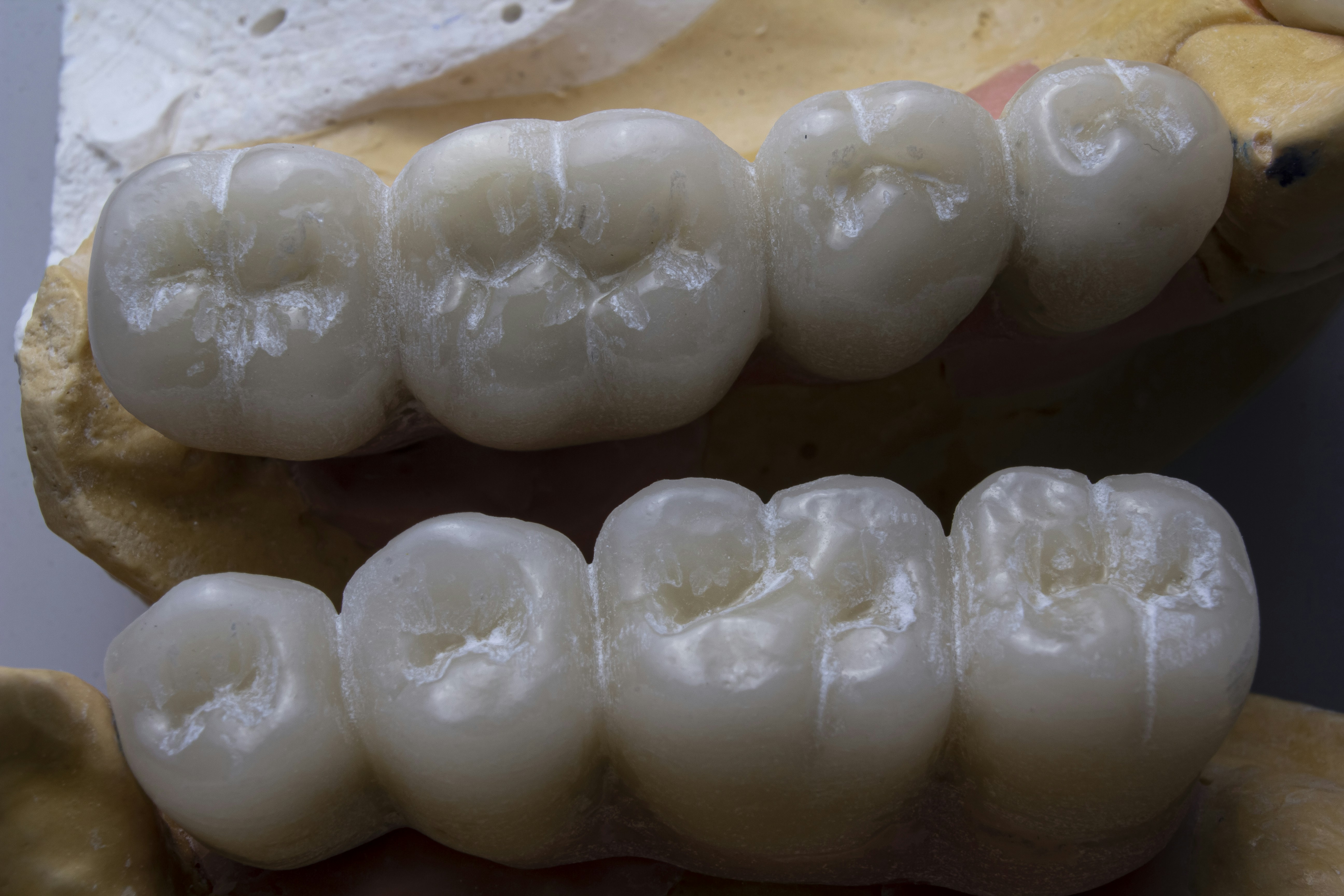
A dental bridge is a prosthetic device that is used to replace one or more missing teeth. The primary purpose of a dental bridge is to restore functionality and aesthetic appearance to a patient’s smile. Gaps left by missing teeth can lead to various oral health issues, such as shifting of adjacent teeth, bite problems, and difficulty in chewing. Therefore, a dental bridge is not only a solution for cosmetic concerns but also a significant part of maintaining overall dental health.
There are several types of dental bridges, each serving distinct needs. Fixed bridges are the most common, where the replacement tooth (or teeth) is anchored to the natural teeth on either side of the gap. This design provides stability and is often preferred for its permanence. Removable bridges, on the other hand, can be taken out by the patient. These are frequently used in situations where the supporting teeth may not be a viable option for a fixed bridge. Cantilever bridges are employed in cases where there is only one adjacent tooth available for support.
The procedure to place a dental bridge typically involves multiple visits to the dentist. Initially, the supporting teeth are prepared, which may involve reshaping them to accommodate crowns that will hold the bridge in place. Impressions of the mouth are taken to create a custom fit for the bridge, ensuring comfort and stability. After the bridge is fabricated, it is permanently cemented into position. The benefits of having a dental bridge are manifold, improving not only aesthetics but also the ability to eat and speak confidently. In addition, a well-fitted bridge prevents the surrounding teeth from moving out of position, contributing to overall oral health.
The Process of Sectioning a Dental Bridge
Sectioning a dental bridge is a crucial procedure in dentistry, particularly when it comes to repairing or replacing an existing bridge. The process involves dividing the bridge into manageable segments, which can simplify removal and facilitate easier restoration. The reasons for sectioning a bridge are varied, including reducing the risk of damage to adjacent teeth and ensuring a more straightforward approach for the dentist performing the procedure.
Initially, a comprehensive assessment of the dental bridge and surrounding structures is mandatory. The dentist will use diagnostic tools such as X-rays to understand the condition of the bridge, surrounding teeth, and overall oral health. This step is vital to determine the extent of sectioning required and to plan the subsequent steps effectively.
Once the assessment is complete, the process commences with the application of a topical anesthetic to ensure patient comfort. After anesthesia has taken effect, the dentist will utilize specialized dental instruments to carefully section the bridge. This process commonly involves the use of a high-speed handpiece or dental saw, allowing for controlled and precise cutting of the bridge material without risking injury to the adjacent teeth or tissue.
Throughout the procedure, it is essential to monitor the patient for any signs of discomfort or complications. Adequate irrigation is employed during the cutting process to minimize heat build-up and prevent damage to the underlying structure. Once the segments are sectioned, the dentist will gently remove each piece, taking care to avoid disturbing any of the supporting teeth or gums.
After successful sectioning, a thorough evaluation of the patient’s needs can be conducted, determining whether repair of the existing bridge is feasible or if a replacement is necessary. This analytical phase is essential, as it guides the subsequent treatment plan and ensures optimal outcomes for the patient’s oral health.
ADA Dental Codes for Sectioning Bridges
The American Dental Association (ADA) has established a systematic coding process, known as ADA dental codes, which allows dental professionals and insurance companies to communicate about dental procedures effectively. When it comes to sectioning a bridge, specific codes apply, making it essential for both practitioners and patients to understand their implications for treatment and billing.
One of the primary ADA codes pertinent to sectioning a bridge is code D7310, which refers to the surgical removal of a dental bridge. This code is usually employed when a bridge needs to be sectioned for various reasons, such as decay or damage to the supporting teeth. Additionally, code D7999 is used for unspecified oral surgery procedures, providing some flexibility when documenting the nuances of sectioning a bridge when no exact code exists.
The billing aspects of these ADA dental codes are significant for both dental professionals and patients. Correct coding is vital to ensure proper reimbursement and to facilitate smoother insurance claims. Inaccurate coding can lead to delays, denials, and possibly increased out-of-pocket expenses for patients. It is important for dental offices to stay updated on coding changes and the nuances of these ADA codes to avoid billing errors.
Furthermore, utilizing accurate ADA dental codes for sectioning bridges also enhances the overall patient experience by ensuring that treatment plans are transparent and understandable. Patients are more likely to feel confident in their care when they are informed about the specific codes related to their treatment. Indeed, this knowledge not only clarifies the sectioning process but also aligns patient expectations with the realities of dental billing.
Understanding the proper ADA dental codes related to the sectioning of bridges may save both practitioners and patients time and resources in the long run. By integrating these codes accurately into treatment plans, the overall efficiency of the dental practice can be improved while also heightening patient satisfaction.
Importance of Accurate Coding
Accurate coding in dental practices is a critical aspect of providing high-quality patient care, particularly for complex procedures such as sectioning a bridge. The ADA dental code for sectioning a bridge serves as a standardized language that facilitates clear communication among dental professionals, insurance providers, and patients. When coding is executed correctly, it ensures that the practice can effectively manage patient billing, thereby minimizing the risk of financial discrepancies.
Incorrect coding can lead to a multitude of complications, particularly in the areas of insurance reimbursements and patient billing. For instance, if a dental office inaccurately utilizes the ADA dental code for sectioning a bridge, it may result in denied claims or unexpected out-of-pocket expenses for patients. Such issues not only frustrate patients but also hinder the cash flow of a dental practice. Furthermore, recurring errors in coding can tarnish the reputation of a practice and ultimately impact patient trust.
To ensure accurate coding, dental practices should prioritize ongoing education and training for their staff regarding its importance and best practices. Implementing systematic checks and utilizing reliable dental software with built-in ADA coding can help alleviate errors. Regularly reviewing and updating internal coding protocols can also be beneficial. These practices not only promote a smooth billing process but also enhance the overall management of the practice, ensuring that dental professionals can focus on delivering exemplary patient care without administrative distractions.
In summary, the significance of accurate coding, especially concerning the ADA dental code for sectioning a bridge, cannot be overstated. By prioritizing precision in coding, dental practices can significantly improve their operational efficiency and patient satisfaction, ultimately leading to better health outcomes.
Challenges in Dental Coding
Dental coding serves as a crucial framework for ensuring accurate communication and billing within the dental field. However, the utilization of the ADA dental code for sectioning a bridge presents several challenges that dental professionals must navigate. One of the primary hurdles is the inherent complexity of dental procedures themselves. Each bridge may involve multiple components, requiring several codes to capture the entire treatment accurately. Owing to this complexity, misinterpretations can occur, leading to incorrect coding and billing, which further complicates the reimbursement process.
Another significant challenge lies in the ambiguity present in certain ADA dental codes. For dental professionals, clarity in coding guidelines is essential, yet practitioners may find that certain codes lack explicit definitions or specificity. This can lead to confusion, particularly when dealing with innovative therapies or materials that do not have established coding guidelines within the existing framework. For instance, dental professionals need to be vigilant about the interpretations of codes related to sectioning bridges, as they may differ among insurers or regulatory entities.
Common pitfalls encountered when coding for sectioning bridges include overlooking procedural nuances and failing to document treatment accurately. Inadequate documentation can lead to disputes in billing, and ultimately, delays in payment. Additionally, a lack of continuous education on coding changes can further exacerbate these issues. To mitigate the challenges associated with dental coding, practitioners should prioritize ongoing training and familiarity with the ADA coding system. Developing a systematic approach to documentation and actively consulting with coding specialists can also aid in clarifying ambiguities and enhancing accuracy. By addressing these challenges, dental professionals can streamline their coding processes and improve overall efficiency in their practices.
Case Studies: Coding in Practice
The application of ADA dental codes for sectioning a bridge is essential in practice, as exhibited through various case studies. These examples showcase how dental professionals navigate real-world scenarios, illustrating the decision-making process and outcomes associated with coding. One pertinent case involved a patient requiring a replacement of a fractured fixed bridge after sustained trauma. The coding team utilized the ADA dental code for sectioning a bridge to accurately categorize the procedure, facilitating efficient billing and documentation. The justification behind this coding included detailed records of the treatment plan and a comprehensive assessment of the patient’s dental history, emphasizing the necessity of replacing the entire bridge rather than attempting a repair. The outcome was successful, restoring the patient’s functionality and aesthetic appearance.
Another case involved a patient with a non-restorable abutment that impacted an existing bridge. In this situation, the dentist opted to section the bridge for partial extraction to preserve the adjacent teeth. The coding for this procedure required a nuanced understanding of the ADA dental codes for sectioning a bridge, as the situation fell under specific guidelines for extraction procedures intertwined with restorative dentistry. Here, the chosen codes represented not only the extraction but also the subsequent re-evaluation and possible redesign of the bridge. This strategic coding led to continued patient care, enhancing the quality of treatment and recovery.
These case studies emphasize the critical importance of proper coding practices and their impact on patient outcomes. By systematically employing the ADA dental code for sectioning a bridge and adhering to the established coding protocols, dental professionals can ensure accurate billing and significantly improve the flow of clinical information. Such practices enhance communication with insurance providers and facilitate comprehensive patient care, illustrating the pivotal role that ADA dental codes play in the daily operations of dental practices.
Future of Dental Coding
The landscape of dental coding is undergoing a significant transformation, primarily driven by the advent of emerging technologies and evolving regulations. As the field of dentistry embraces digital innovations, the coding practices that govern how services such as sectioning bridges are documented are also adapted. Enhanced digital platforms facilitate better tracking of procedures, leading to more accurate and detailed reporting, which is vital for both clinical outcomes and billing processes. These changes not only streamline administrative tasks but also improve communication among healthcare professionals.
One notable advancement is the incorporation of artificial intelligence (AI) and machine learning within dental coding systems. Such technologies have the potential to analyze large amounts of data quickly and accurately, enabling dental practitioners to adopt the most relevant ADA dental codes for sectioning bridges and other procedures with greater efficiency. As AI continues to evolve, it may even provide real-time coding suggestions during patient assessments, reducing the likelihood of errors and ensuring compliance with best practices.
Additionally, regulatory bodies are increasingly recognizing the need for up-to-date coding systems that reflect current scientific research and clinical practices. As the dental community adapts to new findings and treatment modalities, updates to the ADA coding system can be expected. For instance, as digital dentistry progresses, it will necessitate the introduction of novel codes that accommodate new technologies and procedures related to sectioning bridges. Therefore, dental professionals must engage in continuous education and training to keep abreast of these changes. Staying informed about updates will be crucial for effectively utilizing the proper ADA dental codes for sectioning bridges and ensuring optimal patient care.
Conclusion and Key Takeaways
Understanding the ADA dental code for sectioning a bridge is essential for dental professionals to ensure accurate treatment planning and billing. Throughout this blog post, we explored the intricacies of ADA coding related to bridges, including the specific codes associated with this unique dental procedure. We highlighted the importance of utilizing the correct codes, as they not only facilitate clear communication among healthcare providers but also directly affect reimbursement processes and patient satisfaction.
Accurate coding for sectioning bridges helps in minimizing discrepancies and errors that could arise during patient treatment. By utilizing the appropriate ADA codes, dental practitioners can efficiently document the services provided, enhancing the overall flow of information between providers and insurance companies. This seamless exchange plays a significant role in maintaining the quality of patient care, ultimately leading to better health outcomes.
Moreover, we emphasized the continuous evolution of the ADA dental coding system, showcasing the need for dental professionals to engage in lifelong learning and stay informed about the latest codes and regulations. With the dental landscape constantly changing, keeping abreast of updates related to sectioning bridges and other procedures ensures that practitioners can deliver top-notch patient care while remaining compliant with billing practices.
In conclusion, mastering the ADA dental code for sectioning a bridge not only empowers dental professionals to provide accurate and efficient care but also enhances the operational efficiency of their practices. Staying educated about the coding process can significantly contribute to improved patient interactions and streamlined administrative functions. Therefore, it is crucial for dental professionals to prioritize a commitment to ongoing education in dental coding, as it is paramount to their practice’s success and the health of their patients.
