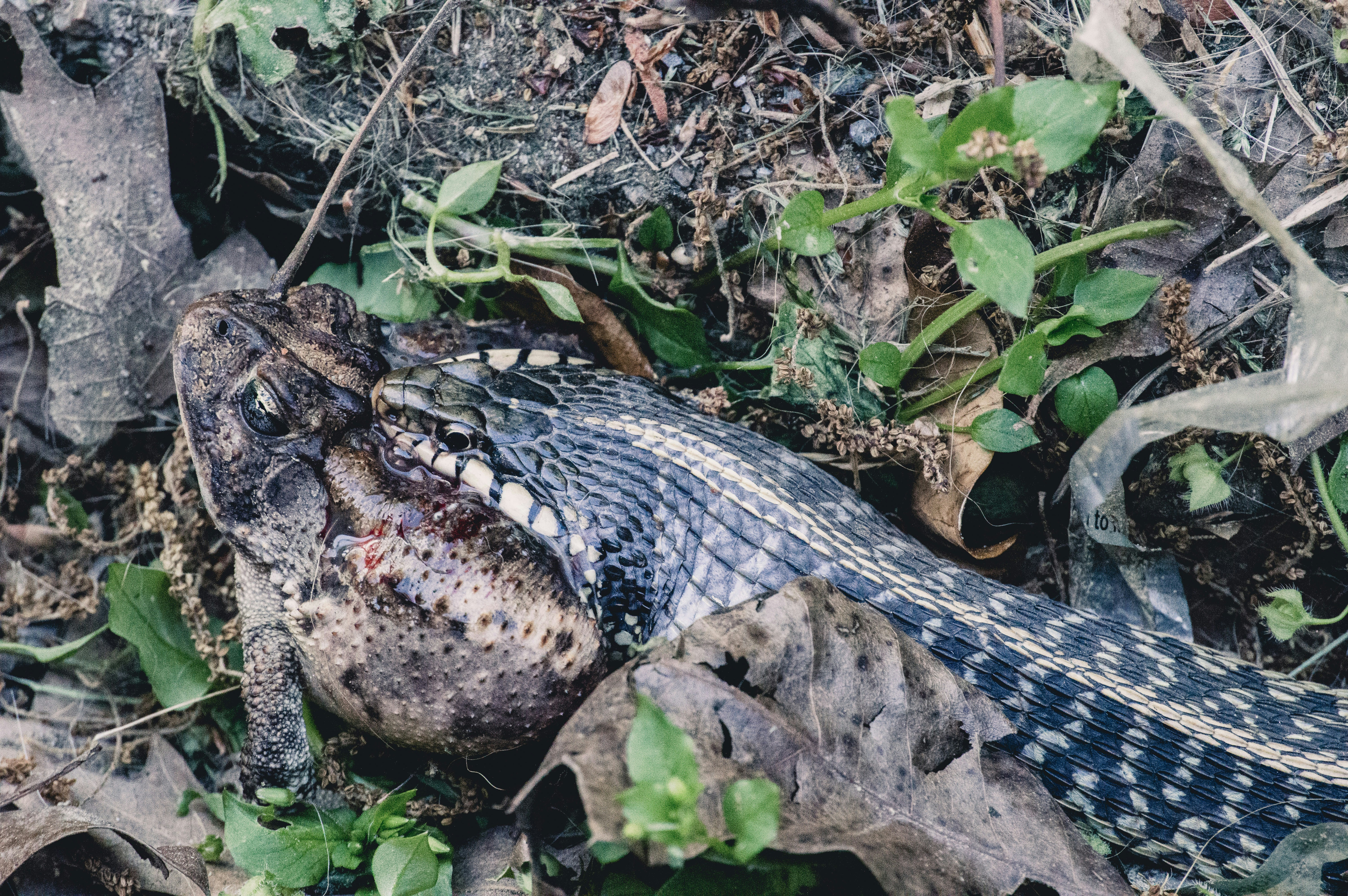
Introduction: The Concept of Evolution
Evolution, a fundamental concept in biology, refers to the process through which species change over time through mechanisms such as natural selection, mutation, and genetic drift. It is essential to recognize that evolution is not a relic of the past but an ongoing phenomenon that continues to shape the human experience today. While many might envision evolution as a series of dramatic and visible changes, it is also characterized by subtler adaptations that often elude immediate observation. These adaptations may involve physiological, biochemical, or even behavioral changes that occur over generations, reflecting humanity’s capacity to thrive within a constantly changing environment.
Human evolution is far from static; it exemplifies a dynamic interplay between biological transformation and environmental pressures. For example, certain populations have developed unique genetic traits that allow them to digest specific foods more efficiently, showcasing how we are indeed still evolving. These developments are often invisible at first glance but serve as prime examples of our adaptability. Factors such as climate, diet, and cultural practices contribute significantly to this evolutionary process, leading to differences among human populations over time.
Additionally, the concept of evolution extends into the realm of modern challenges, including disease resistance and adaptation to technological advancements. As we confront new health threats and environmental changes, our genetic makeup may continue to change in ways that enhance survival and reproduction. In this respect, evolution acts as a critical backdrop against which the narrative of humanity unfolds, reminding us that our journey is continuous and replete with adaptations both seen and unseen. Understanding this ongoing evolutionary process allows us to appreciate our human diversity and resilience as we navigate a rapidly changing world.
How Evolution Works: Natural Selection and Genetic Variation
Evolution is a complex process driven primarily by two fundamental mechanisms: natural selection and genetic variation. Natural selection acts on the existing differences among individuals within a population. It is a process whereby organisms better adapted to their environment tend to survive and produce more offspring. This leads to the gradual accumulation of advantageous traits in a population over generations. For instance, certain genes might confer the ability to digest specific foods more efficiently, enhancing survival rates. Hence, those individuals with such traits are more likely to reproduce, passing these beneficial genes to the next generation.
On the other hand, genetic variation refers to the diversity in gene frequencies within a population. This variation arises through mutations, gene flow, and sexual reproduction. Mutations, which are changes in DNA sequences, can introduce new traits into a population, while gene flow—movement of genes between populations—can enhance or diminish genetic diversity. Sexual reproduction further contributes to variation by combining genetic material from two parents, resulting in offspring with unique combinations of traits. Over time, these genetic variations can influence how well individuals can adapt to changing environments, leading to developments that may seem subtle but are significant over millennia.
In the context of human evolution, these mechanisms demonstrate that we are indeed still evolving, though it can be hard to tell because it happens over generations and often involves things you can’t see, such as what foods different people are able to digest. Traits that enhance survival may not always be visibly apparent, yet they play a critical role in shaping our biology and behavior. As environments continue to change due to climate, technology, and societal shifts, understanding natural selection and genetic variation becomes essential in recognizing how humanity adapts continually.
Modern Challenges: Environmental and Lifestyle Factors
The evolution of humanity is continuously shaped by a variety of modern challenges, encompassing environmental changes, technological advances, and shifts in lifestyle. As we confront these contemporary issues, it becomes increasingly clear that we are indeed still evolving, though it can be hard to tell because it happens over generations and often involves changes that are not immediately visible. Environmental factors, such as climate change and urbanization, significantly impact human physiology and behavior. For instance, the increase in average temperatures and the frequency of extreme weather events may influence not just health, but also migration patterns, as populations adapt to new living conditions and resources become scarcer.
Technological advances provide another layer of complexity to human evolution. With the rise of digital communication, social media, and artificial intelligence, the way individuals interact and connect has transformed fundamentally. Such changes in communication may affect social skills, cognitive functions, and even emotional responses as we adapt to a world increasingly dominated by screens. As technology continues to evolve, the implications for human relationships and mental health are profound and warrant closer examination.
Additionally, lifestyle shifts, especially in diet and physical activity, play a crucial role in our evolutionary process. The global increase in processed foods coupled with sedentary lifestyles poses significant health risks, potentially influencing genetic selection over time. For example, the ability to digest certain carbohydrates or lactose could evolve differently in populations that emphasize varied diets. As societies embrace technological convenience, a transformation in our everyday behaviors raises questions: How will these choices shape the trajectory of human evolution when viewed over a long-term perspective? The interconnectedness of these factors illustrates the complexity of our adaptive journey as a species.
Dietary Adaptations: The Role of Nutrition in Human Evolution
The relationship between diet and human evolution is a critical area of study that highlights how our species has adapted over millennia to various environmental conditions and food availability. The concept that we are indeed still evolving can be observed in the distinct dietary adaptations that have developed within different populations. For instance, lactose tolerance serves as one of the most compelling examples of a genetic adaptation linked to dietary practices. Originally, many adults were unable to digest lactose, the sugar found in milk. However, with the advent of dairy farming, certain populations developed the ability to continue digesting lactose into adulthood. This adaptation has enabled those groups to benefit from the nutritional advantages that dairy products provide.
Similarly, the ability to process starchy foods has also played a significant role in human evolution. Research indicates that populations with a carbohydrate-rich diet, such as those living in agricultural societies, have experienced genetic changes that enhance the production of enzymes necessary for breaking down starches. Such adaptations exemplify how nutritional patterns shape genetic evolution. Moreover, different ethnic groups exhibit diverse reactions to specific diets, influenced by their historical reliance on certain food sources. For example, populations in coastal regions have developed unique genetic markers allowing them to digest seafood more efficiently.
Another fascinating aspect is how different climatic conditions impact food availability and, consequently, human adaptations. Variations in the ability to digest foods common to specific regions demonstrate how evolutionary processes interact with environmental factors. Through these examples, it becomes evident that dietary customs do not merely reflect cultural preferences but are deeply intertwined with our biological evolution. Thus, as we explore these adaptations, it becomes clear that the nutritional choices humans make have a profound effect on our evolutionary trajectory, underscoring the notion that we are indeed still evolving.
The Impact of Cultural Evolution on Biological Evolution
The relationship between cultural evolution and biological evolution is a complex and intricately linked phenomenon that significantly influences our species’ adaptive journey. As humanity has developed various cultural practices, it has inadvertently shaped the biological capabilities and physiological responses of individuals over generations. One of the most illustrative examples of this interplay is seen in dietary habits and food production practices. Different cultures have adopted unique methods of food preparation and consumption, which can create selective pressures that, in turn, impact human physiology.
For instance, the advent of cooking has had profound implications for human evolution. Cooking not only makes food safer to eat but also enhances its digestibility, allowing individuals to extract more calories and nutrients. These changes in food preparation practices can lead to significant biological adaptations within populations. Lactose tolerance among adults is another notable example. As certain cultures domesticated dairy animals and began to consume milk beyond infancy, a genetic mutation arose that enabled individuals to continue digesting lactose. This adaptation highlights how cultural shifts can directly influence biological traits within human populations, illustrating that we are indeed still evolving.
The selective pressures that arise from cultural practices can extend beyond diet. Social structures, parenting styles, and community interactions can all contribute to shaping human behavior and biology. For instance, societies that prioritize cooperative child-rearing may foster traits such as empathy and altruism, which could become advantageous in these social environments. Over time, these traits can become more prevalent in such communities due to the cultural values that promote them. Consequently, the dynamic interplay between cultural practices and biological evolution illustrates how we are continuously adapting to both visible and hidden changes in our environment.
Invisible Changes: The Role of Microbiomes in Human Evolution
The essence of human evolution lies not only in our physical traits but also in the invisible changes that shape us at a microbial level. Central to these changes is the human microbiome, an intricate ecosystem of microorganisms residing in our bodies, particularly in the gut. These microbes have co-evolved with humans, playing crucial roles in digestion, metabolism, and even the immune response. The variations in these microbial populations can significantly influence individual health and nutritional capability, illustrating a remarkable aspect of our ongoing evolution.
The composition of the microbiome can vary widely among different populations due to factors such as diet, lifestyle, and geographical location. For instance, traditional diets rich in fiber tend to promote diverse microbiomes capable of digesting a variety of foods, while more processed diets can lead to reduced microbial diversity. This variation not only affects individual health but may also have broader implications for human evolution. Our abilities to digest certain foods have evolved in response to the microbiomes that flourish within us, showcasing a dynamic interplay between genetics, environment, and microbial communities.
As we are indeed still evolving, the adaptability of the human microbiome highlights how different cultures and their dietary practices influence biological and evolutionary trajectories. Microbial diversity can determine complex outcomes from simple digestion, potentially leading to different health issues or resilience to diseases across populations. Understanding these invisible changes deepens our comprehension of humanity’s adaptive journey. Studying the microbiome opens new avenues for exploring how we may be evolving not just physically, but also at a biochemical level, intertwining our future with the invisible microbial world that forms an integral part of our existence.
The Future of Human Evolution: Genetic Engineering and Technological Influence
As we venture deeper into the 21st century, the intersection of genetic engineering, biotechnology, and human evolution presents an intriguing landscape for humanity’s future. The advent of technologies such as CRISPR and other gene-editing tools has revolutionized our ability to alter the genetic make-up of organisms, including humans. This capability raises profound questions about the direction of evolution, as we are indeed still evolving, though it can be hard to tell because it happens over generations and often involves things you can’t see, such as what foods different people are able to digest.
The capacity to manipulate genetic traits means that we have begun to take an active role in our own evolutionary process. Potential applications range from eradicating genetic disorders to enhancing physical and cognitive traits. This does not come without ethical implications, however. The prospect of ‘designer babies’ burgeons, prompting debates over what constitutes acceptable genetic modification. Questions arise about inequality, as access to such technologies might be limited to the affluent, thereby exacerbating existing societal divides.
Furthermore, the rapid advancement of technology intertwines with our evolutionary trajectory. Artificial intelligence, wearable health technology, and advancements in medical science may significantly influence how we adapt. It is plausible that these tools could enhance our abilities beyond biological limitations. As we increasingly rely on technology for sustenance, communication, and even physical tasks, we may inadvertently accelerate our reliance on artificial constructs, which could redefine what it means to be human.
The ongoing evolution of humanity will likely require careful navigation through the complexities of ethics and societal impact. As we further explore the balance between natural evolution and technological influences, it becomes critical to ensure that progress serves the collective good. Henceforth, an ongoing dialogue within society, ethics, and policy will be essential as we seek to chart a course through these unprecedented changes.
Common Misconceptions About Human Evolution
Human evolution is often misunderstood, leading to several misconceptions that hinder our comprehension of its ongoing nature. One prevalent misconception is the belief that human evolution has ceased. This notion arises from a misunderstanding of what evolution entails. In reality, evolution is a continuous process that does not have a definitive endpoint. Humans are still evolving, as evidenced by various biological adaptations, gradual changes in genetic traits, and the influence of environmental factors on our physiology and health.
Another misconception is that humans have achieved a final form or state of development. This idea runs contrary to the principles of evolutionary biology. Instead of reaching a predetermined pinnacle, evolution is characterized by constant changes driven by adaptation and survival. For instance, certain populations have developed unique traits that allow them to thrive in specific environments, such as the ability to digest lactose into adulthood or thrive at high altitudes. These adaptations are clear indicators that we are indeed still evolving, though it can be hard to tell because it happens over generations and often involves things you can’t see, such as what foods different people are able to digest.
Furthermore, many people erroneously believe that human evolution only involves physical changes. While physical traits are an essential aspect, it’s important to recognize that cultural and behavioral adaptations also play a significant role in shaping humanity. As society evolves, our behaviors, social structures, and interactions undergo changes that reflect our adaptive journey. This holistic understanding of evolution emphasizes that we are continuously influenced by a myriad of factors, both visible and invisible, ultimately contributing to the ever-changing tapestry of human existence.
Conclusion: Embracing the Complexity of Human Evolution
Human evolution is a complex and multifaceted process that transcends simple physical changes commonly associated with our species. Evidence shows that we are indeed still evolving, though it can be hard to tell because it happens over generations and often involves things you can’t see, such as what foods different people are able to digest. Our dietary adaptations, for instance, highlight the nuanced ways in which our biology continues to transform in response to our environment, cultural practices, and nutritional sources.
Beyond the physical realm, the cognitive and social dimensions of our evolution are equally significant. The development of language, social structures, and technological innovations reflects our ongoing adaptive journey. These changes may not always be evident in the short term, yet they contribute to the fabric of human existence and the way we interact with one another. Societies today are continually reshaped by new ideas and technologies, illustrating that our evolution is not confined to the distant past but is a dynamic and ongoing phenomenon.
Furthermore, the variability among different human populations suggests that evolution is still at play in contemporary contexts. Genetic diversity, along with cultural adaptations, plays a critical role in determining health outcomes and resilience. As our environments change—whether due to climate impacts or globalization—so too does our capacity to adapt and thrive as a species. Therefore, it is vital to appreciate the intricacies of human evolution and recognize the various factors, seen and unseen, that contribute to who we are today.
In conclusion, as we further our understanding of the evolutionary processes that shape humanity, it becomes increasingly important to embrace the complexity of our journey. By recognizing how we are indeed still evolving, we can foster a deeper appreciation for the intricate relationship between biology, environment, and culture that continues to define our species.
