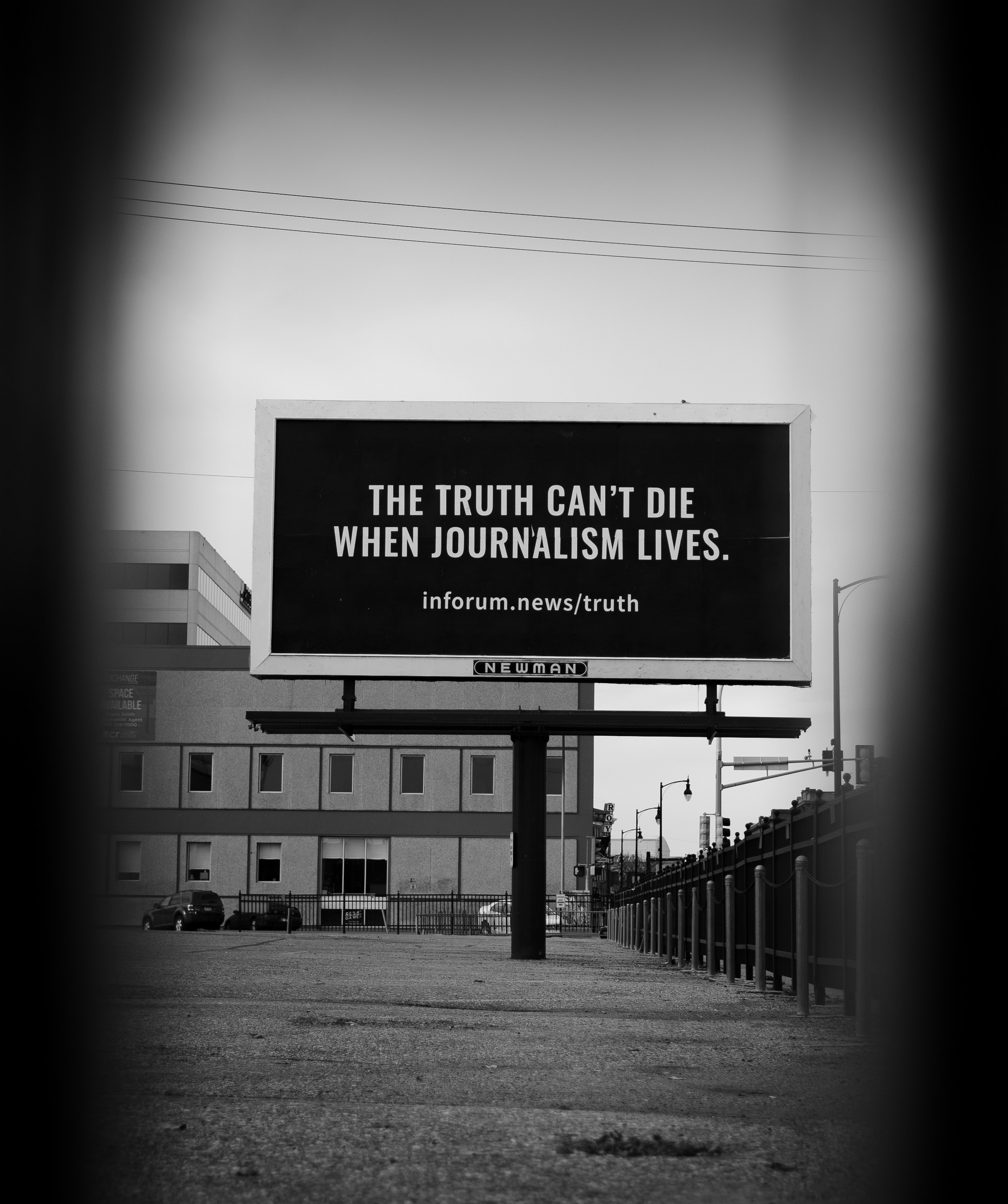
Introduction to Misinformation
Misinformation refers to false or misleading information that is disseminated, either intentionally or unintentionally, which can significantly impact the knowledge and beliefs of individuals and society at large. Its ramifications are observed across numerous domains, including politics, health, and social norms, indicating a pervasive presence in contemporary life. The current landscape is particularly alarming, as the rapid proliferation of digital communication has allowed misinformation to spread faster than ever before. These observations underscore the critical need for a nuanced understanding of the forces that contribute to this phenomenon.
The impact of misinformation on politics, for instance, is profound. Misinformative narratives can shape public opinion, influence electoral outcomes, and even erode trust in democratic institutions. As individuals seek information to guide their political choices, they often fall prey to distorted portrayals of reality that can lead to the polarization of societies. Furthermore, misinformation can also have dire consequences in the realm of health, where the sharing of inaccurate medical advice during public health crises can exacerbate situations, as seen during the COVID-19 pandemic. This has led to widespread confusion and hesitancy regarding vaccines, showcasing how misinformation undermines collective well-being.
Social norms are another aspect heavily influenced by misinformation. The distortion of facts can create misconceptions about societal issues, pushing communities to adopt beliefs that are not grounded in truth. This is exacerbated by cognitive limitations that affect our capacity to process and evaluate information critically. As we navigate this digital age, it becomes increasingly apparent that the struggle against misinformation is an “arms race” between truth and lies. Understanding the intersection of cognitive biases, social influences, and online networks is essential for effectively addressing and combatting the insidious effects of misinformation on society.
Cognitive Limitations: How Our Minds Can Mislead Us
The pervasive spread of misinformation can be traced back to various cognitive limitations that significantly affect how individuals process information. One prominent factor is confirmation bias, which refers to the tendency to favor information that aligns with existing beliefs while disregarding evidence that contradicts those beliefs. This cognitive bias can lead individuals to accept false information as truth, as they increasingly immerse themselves in echo chambers where only congruent beliefs are discussed. As people seek validation for their opinions, they are more susceptible to misinformation that reinforces their views.
Another notable cognitive phenomenon is the Dunning-Kruger effect, which describes a cognitive bias wherein individuals with limited knowledge or skills in a particular domain overestimate their competence. As a result, individuals may confidently espouse beliefs or opinions that are unfounded or inaccurate. This overconfidence can play a significant role in the dissemination of misinformation, as those affected may become spokespersons for erroneous information, further contributing to the confusion surrounding facts and fiction.
Cognitive overload can also exacerbate the spread of misinformation. In today’s information-saturated environment, individuals often encounter vast quantities of data, making it increasingly challenging to filter out reliable sources. When overwhelmed, people frequently resort to mental shortcuts that can lead to erroneous conclusions. These shortcuts simplify complex information, which, while efficient, may result in the acceptance of misleading or incomplete narratives. The combination of cognitive limitations, such as confirmation bias and the Dunning-Kruger effect, along with cognitive overload, demonstrates how our minds can inadvertently perpetuate the cycle of misinformation.
Understanding these cognitive biases is crucial in developing strategies to combat misinformation. By recognizing the mental shortcuts we employ, individuals can foster critical thinking and cultivate a more discerning approach to the information consumed, ultimately contributing to a more informed society.
The Role of Social Influence in Misinformation
The phenomenon of misinformation is deeply intertwined with the dynamics of social influence. Our beliefs and perceptions are often shaped by those around us, especially within the context of social networks. The acceptance and dissemination of misinformation are heavily impacted by several psychological concepts, including groupthink, social proof, and the herd mentality. These elements collectively illustrate how an individual’s cognitive limitations can further exacerbate the spread of inaccurate information.
Groupthink refers to the tendency of individuals within a cohesive group to prioritize consensus over critical analysis. When people subscribe to groupthink, they may adopt beliefs that align with the majority opinion rather than critically examining the evidence. This conformity can create a fertile ground for misinformation to flourish, as dissenting viewpoints are discouraged and alternative facts remain unconsidered.
Social proof, another critical aspect of social influence, suggests that people often look to the behavior of others to determine the validity of information. In an environment where misinformation is prevalent, individuals may erroneously assume that the shared beliefs of their peers are credible due to their popularity. This can lead to a misleading perception of truth, as the number of endorsements for a particular piece of information can overshadow its actual accuracy.
The herd mentality plays a similar role, where individuals may follow the actions of a larger group without independent reflection. This psychological phenomenon has been amplified by the global spread of online networks, where rapid sharing of information can create an illusion of authenticity. As misinformation circulates widely, it tempts individuals to adopt false beliefs influenced by the collective behavior of others. Combatting this misinformation thus represents a modern “arms race” between truth and lies, necessitating increased awareness of the cognitive biases that underpin social influence.
The Global Spread of Online Networks
The advent of online networks and digital communication platforms has fundamentally altered the information landscape, greatly influencing how misinformation is disseminated. The mechanisms behind these platforms, particularly algorithms, play a significant role in what content users see, often prioritizing engagement over factual accuracy. This prioritization can create an environment ripe for the spread of misleading information. Algorithms are designed to showcase content that elicits strong emotional responses, leading to the potential virality of sensational or false narratives.
Additionally, social media facilitates rapid sharing and amplifies the reach of misinformation. For instance, a single misleading post can gain traction rapidly as users share it within their networks, often without verifying its accuracy. This raises concerns regarding cognitive limitations; individuals may lack the skills or motivation to critically evaluate the information they encounter online. The pace at which information travels, combined with cognitive biases like confirmation bias, enables misinformation to spread far faster than accurate reports can counteract it.
Another significant aspect of this phenomenon is the role of echo chambers, where users are exposed primarily to viewpoints that align with their own. This results in a lack of diverse perspectives and reinforces existing beliefs, both true and false. When individuals are insulated within these echo chambers, the likelihood of encountering corrective information diminishes significantly, perpetuating cycles of misinformation. As these dynamics unfold within the framework of global online networks, addressing the challenge becomes critical. Combatting misinformation has become an “arms race” between those seeking truth and those who propagate lies, necessitating urgent attention from society.
The Evolution of Misinformation: An Arms Race
The dynamics of misinformation in our contemporary society can be aptly characterized as an ongoing ‘arms race’ between truth and deception. This situation is propelled by various factors, including cognitive limitations inherent in human beings, the pervasive influence of social networks, and the indiscriminate spread of information facilitated by digital platforms.
Individuals and organizations exploit cognitive biases, leveraging psychological weaknesses to disseminate misleading narratives. Misinformation often takes advantage of emotional appeals, sensationalism, and confirmation bias—where individuals tend to favor information that aligns with their preconceived beliefs. Social influencers play a crucial role in the propagation of these narratives, utilizing their platforms to reach vast audiences. Sometimes, misinformation emerges not out of malice, but from a lack of understanding or misinterpretation of data, highlighting the need for critical thinking in information consumption.
In response to this escalating phenomenon, a variety of measures are being employed by fact-checkers, media outlets, and tech companies. Fact-checking organizations scrutinize claims made in the public domain, striving to present objective evidence and clarify misconceptions. Furthermore, media literacy initiatives aim to educate the public on discerning credible sources from outdated or fake information. Social media platforms, recognizing their role in the dissemination of misinformation, are implementing algorithmic adjustments to limit the reach of false narratives and enhance the visibility of factual content.
This balancing act is further complicated by the rapid evolution of misinformation tactics, which often outpace the counteractive measures put in place. The battle against misinformation continues to require vigilance, adaptability, and collaboration among various stakeholders to foster an informed society capable of navigating the complexities of the digital age. Ultimately, the pervasive spread of misinformation can be tracked to cognitive limitations, social influences, and global online networks. Combatting it has indeed become an ‘arms race’ between enduring truths and pervasive falsehoods.
Strategies for Combatting Misinformation
As the pervasive spread of misinformation can be traced to cognitive limitations, social influences, and the global spread of online networks, it has become increasingly vital for both individuals and organizations to employ effective strategies to counteract its impact. One of the most potent tools at one’s disposal is critical thinking. Encouraging individuals to approach information with a questioning mindset can significantly diminish their susceptibility to false information. This involves analyzing the source of the information, the content itself, and the motivations behind it. By fostering a culture of inquiry, individuals can become more adept at distinguishing between fact and falsehood.
Media literacy education also plays a crucial role in combating misinformation. This educational initiative should focus on developing the ability to critically evaluate media messages, understand media production processes, and recognize bias and perspective. Educational institutions, along with community organizations, can implement workshops and programs that equip participants with the necessary skills to navigate the complex media landscape. By enhancing media literacy, individuals can better resist the influence of misleading narratives perpetuated through various channels.
Furthermore, leveraging technological tools designed to verify information is essential in the digital age. Numerous platforms offer fact-checking services that can help individuals establish the accuracy of claims before sharing them. Tools such as browser extensions and mobile applications can assist in real-time evaluation of information. By utilizing these resources, users are more likely to engage in responsible information-sharing practices, thereby mitigating the spread of misinformation.
A proactive approach is vital as misinformation is often designed to exploit cognitive biases and trigger emotional responses. By nurturing critical thinking, bolstering media literacy, and utilizing verification tools, society can build a robust defense against the insidious effects of misinformation, thereby fostering an informed populace.
The Role of Policy and Regulation
The increasing prevalence of misinformation has sparked discussions surrounding the necessity for robust policy and regulatory measures. Governments and organizations worldwide face the formidable task of curbing the impact of false information proliferated through social media and online platforms. Addressing this challenge requires a collaborative effort that invites the participation of various stakeholders, including governmental bodies, non-governmental organizations (NGOs), and technology firms. The role of these entities is paramount in developing comprehensive frameworks to combat misinformation effectively.
Legislative measures are being explored in many regions, focusing on the accountability of online platforms for the content circulated through their services. Countries such as the European Union have introduced proposed regulations aimed specifically at increasing the transparency of algorithms that curate content. Such policies seek to empower users to discern credible sources from misleading narratives, thereby addressing cognitive limitations that contribute to the rapid acceptance of misinformation. Nevertheless, establishing legal mandates raises concerns related to freedom of speech and the potential for overreach, necessitating a balance between regulation and civil liberties.
Non-governmental organizations play a critical role in advocating for ethical standards surrounding information dissemination, while also promoting public media literacy programs. These initiatives are crucial in fostering a more informed citizenry capable of identifying and mitigating the spread of inaccuracies. Furthermore, technology companies bear a significant ethical responsibility to implement effective content moderation practices. As key players in the digital landscape, they must ensure that their platforms do not become conduits for harmful misinformation, acknowledging the societal repercussions that may arise from unchecked misinformation.
As the landscape of information continues to evolve, the intersection of policy, regulation, and ethical responsibility becomes increasingly significant. Efforts to combat misinformation must thus be viewed as an “arms race” between truth and lies, where continual adaptation and proactive measures are essential for safeguarding the integrity of public discourse.
Case Studies: Successes and Failures in Combating Misinformation
Understanding the complexity of combating misinformation is paramount in analyzing specific case studies that represent both notable successes and significant failures. One such instance of success can be drawn from the 2020 COVID-19 pandemic. Various health organizations and platforms, like the World Health Organization (WHO) and social media giants, launched information campaigns aimed at educating the public on the virus. These efforts employed a multi-faceted approach, combining public awareness initiatives with fact-checking collaborations. By utilizing scientifically backed data and engaging content, they successfully mitigated the rampant spread of incorrect information regarding prevention and treatment, suggesting that timely intervention and authoritative sources can effectively combat misinformation.
In contrast, the misinformation surrounding the 2016 U.S. Presidential election serves as a cautionary tale of failure in addressing false narratives. Social media platforms struggled to contain the spread of misleading content. The viral nature of misinformation, fueled by cognitive limitations and echo chambers, allowed false claims to proliferate, influencing public opinion and ultimately electoral outcomes. This example highlights the challenges posed by social influence and rapid information dissemination, showcasing how misinformation can taint democratic processes if not addressed swiftly and effectively. It also underscores the need for larger systemic solutions within global networks that prioritize veracity and transparency.
Another insightful case is the role of fact-checkers during crises. Organizations like Snopes and FactCheck.org have gained prominence for their efforts to unearth and clarify distorted facts across various topics, from politics to health. Their work exemplifies the ongoing “arms race” between truth and lies. The proactive identification of misleading claims followed by timely corrections demonstrates effective strategies in combatting misinformation. However, the ongoing challenges of cognitive biases and social influence remind us that while successes exist, the battle against misinformation remains an ongoing effort requiring vigilance and adaptability.
Conclusion: The Path Forward in the Fight Against Misinformation
The pervasive spread of misinformation can be traced back to various cognitive limitations, social influences, and the expansive reach of online networks. As explored throughout this blog post, these factors contribute significantly to the promotion and acceptance of false narratives, making it increasingly challenging to discern truth from fiction. The consequences of misinformation are far-reaching, affecting not only individual perceptions but also societal stability and public trust.
In addressing this issue, it becomes clear that combatting misinformation requires a collective effort. Individuals, educators, policymakers, and technology companies all bear the responsibility to bolster information integrity. Promoting digital literacy is paramount; individuals must be equipped with the skills to critically analyze information sources and question the validity of the content they encounter. Educational institutions can play a vital role in this by integrating media literacy into their curriculums, nurturing a generation capable of discerning fact from fallacy.
Moreover, technology companies must improve transparency in algorithms and take proactive measures in curbing the viral spread of misinformation. Collaborative efforts, such as partnerships between tech firms and fact-checking organizations, can enhance the verification process. Moreover, fostering a culture of accountability among social influencers and public figures can promote more responsible sharing of information.
As we move forward, the fight against misinformation must adapt and evolve, recognizing that it is, in many ways, an “arms race” between truth and lies. Understanding the mechanisms that drive misinformation is crucial for developing effective strategies to counteract it. Continued research into the psychological and sociological aspects of misinformation will further equip stakeholders in this ongoing battle. Ultimately, remaining vigilant, informed, and engaged is essential for all of us as we work together to promote a more truthful, well-informed society.
