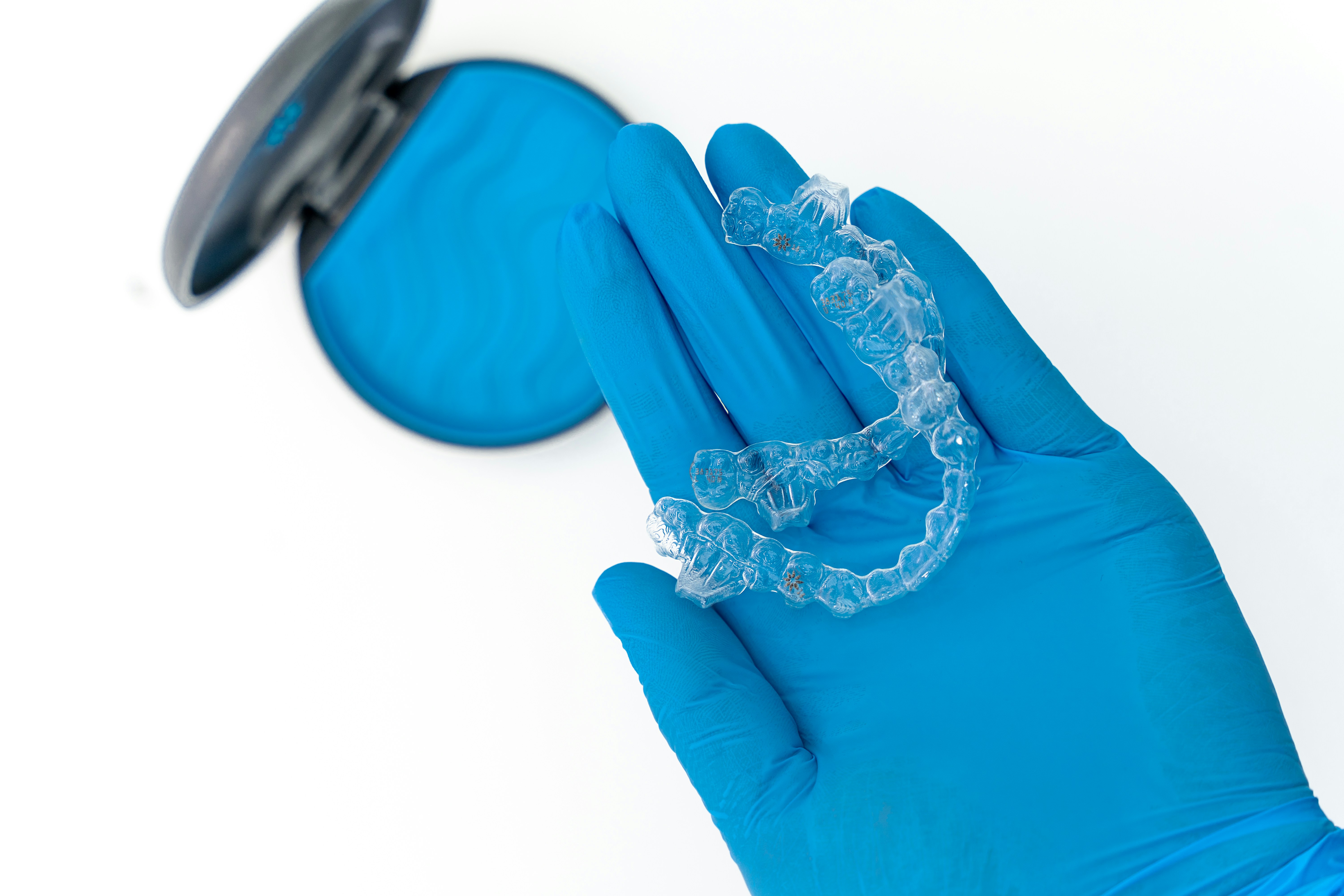
Introduction to Night Guards
Night guards are custom-made oral appliances designed to provide protection for the teeth during sleep, primarily addressing issues related to bruxism and teeth grinding. They are an essential component in modern dental care, contributing significantly to the overall oral health of individuals who suffer from these conditions. By creating a physical barrier between the upper and lower teeth, night guards help prevent wear and tear, enamel erosion, and damage to existing dental work such as crowns and fillings.
The primary purpose of a night guard is to alleviate the consequences of nocturnal teeth grinding, a common condition that can lead to various dental problems if left untreated. Bruxism can result from stress, anxiety, or misaligned teeth, leading to discomfort, jaw pain, and headaches. Night guards serve to mitigate these symptoms by providing cushioning and support, thereby reducing pressure on the jaw muscles and minimizing the potential for damage to the teeth.
In addition to bruxism, night guards may be indicated for individuals dealing with other related conditions, such as temporomandibular joint (TMJ) dysfunction. By helping to stabilize the bite and promote proper jaw alignment, night guards can play a crucial role in managing pain and discomfort associated with TMJ disorders.
For dental professionals, the implementation of a dental procedure code for night guard creation and fitting is essential. This coding provides a standardized method for documenting and billing night guard services, ensuring that both patients and providers maintain clarity regarding the treatment being received. By understanding the importance of these codes, individuals can navigate their dental care options more effectively, leading to better preventive measures and ultimately improved oral health.
The Importance of Dental Procedure Codes
Dental procedure codes play a crucial role in the effective documentation and billing processes within the dentistry field. By providing a standardized system through which various dental services are categorized, these codes facilitate accurate billing, thereby reducing potential conflicts or discrepancies between healthcare providers and insurance companies. In the context of a specific service like a night guard, utilizing the correct dental procedure code for night guard can significantly streamline the claiming process, ensuring that patients receive appropriate coverage for their treatment.
Moreover, the presence of these codes enhances communication between dental professionals and insurance providers. When dentists and hygienists utilize established codes, it allows for a clearer understanding of the services rendered, which is vital during the reimbursement process. This standardized approach minimizes the chances of misinterpretation, as both parties can refer to the same codes to identify and validate treatment procedures. In this light, the dental procedure code for night guard not only facilitates reimbursement but also contributes to a smoother operational flow within a dental practice.
Additionally, dental procedure codes contribute to the broader healthcare analytical framework, enabling statistical analysis of treatment patterns and insurance claims. This fosters an environment where insurance companies can better assess the utilization of specific services, such as the fabrication of night guards, and adjust their policies and coverage accordingly. Overall, the importance of dental procedure codes extends beyond administrative tasks; they are essential in promoting transparency and consistency in dental care services. By embracing these codes, dental professionals can ensure they deliver quality care while also maintaining a seamlessly operational practice.
Common Dental Procedure Codes for Night Guards
Dental procedure codes are essential for accurately billing and providing treatment plans related to night guards. These codes serve as a standardized method for dental professionals to categorize different procedures. Among the most commonly utilized codes for night guard-related treatments is D9940, which specifies “Occlusal guard, by report.” This code is typically applied when a dental professional recommends a night guard for patients suffering from bruxism or other occlusal issues where teeth grinding occurs during sleep.
Another significant code is D8080, representing “Comprehensive orthodontic treatment.” While primarily focused on orthodontic procedures, this code may be relevant in cases where night guards are used for retention post-orthodontic treatment. Incorporating a night guard at this stage aids in maintaining the achieved alignment through comprehensive care.
D8740, referred to as “Re-cement or re-bond fixed retainer or appliance” is also pertinent. This code is utilized when a night guard requires adjustments or repairs to ensure proper fit and function. Regular follow-up appointments under this code allow practitioners to monitor the device’s wear and efficacy, affirming that patients continue to receive adequate protection against bruxism.
Furthermore, the code D2954, noted as “Post and core in addition to crown, indirectly fabricated,” can be applied where a night guard is indicated to protect restored teeth. This identification supports the preventative aspect of utilizing dental devices like night guards in a more extensive treatment plan.
These dental procedure codes for night guards not only facilitate appropriate treatment and billing but also enhance communication between dental practitioners and insurance providers. Understanding these codes emphasizes the importance of accurate documentation in dental practices, ultimately ensuring optimal patient care.
How Night Guards are Diagnosed and Recommended
Diagnosing the need for a night guard involves a comprehensive assessment of various factors related to a patient’s dental health. The initial step is a thorough patient history, where dentists inquire about specific symptoms such as teeth grinding, jaw clenching, or any associated discomfort during sleep. This can include asking about frequency and duration of these symptoms, which are crucial factors in determining the necessity of a dental procedure code for night guard. An in-depth understanding of a patient’s lifestyle, stress levels, and sleep patterns also allows dentists to provide tailored recommendations.
The clinical examination phase is equally essential in the diagnostic process. Dentists typically look for signs of wear on the teeth, such as attrition, chips, or fractures, which can indicate bruxism or grinding habits. Gum health is also evaluated, and any signs of temporomandibular joint (TMJ) disorders are identified. Observations made during these clinical examinations are vital in substantiating the recommendation for a night guard, and they often correlate with the symptoms discussed during the patient interview.
Documentation plays a pivotal role in the diagnosis process of night guard usage. It is imperative that dentists meticulously record their findings, recommendations, and the specific dental procedure code for night guard. This not only aids in treatment planning but ensures that insurance claims are processed smoothly, and proper follow-ups are conducted. Accurate documentation serves as a legal record of the need for the night guard and can be essential in identifying trends in a patient’s condition over time, allowing adjustments to be made to the treatment plan as needed.
Insurance Coverage for Night Guards
Insurance coverage for night guards can greatly vary depending on the specific dental procedure code associated with the device, as well as the policies of the individual insurance provider. Night guards, also termed occlusal splints or bite guards, are dental appliances commonly prescribed to individuals who experience bruxism or teeth grinding. Understanding how insurance companies classify these dental procedures is essential for patients seeking reimbursement for their treatment.
Typically, dental procedure codes for night guards fall under specific categories that can affect their eligibility for coverage. Most insurance plans either partially cover or completely exclude night guards, depending on the purpose for which they are prescribed. If a night guard is deemed medically necessary, such as for patients suffering from jaw disorders or severe wear, there is a higher likelihood of obtaining coverage. However, coverage may be less certain when a night guard is considered preventive or for cosmetic reasons.
Several factors can impact how insurance providers reimburse night guard expenses. These include the patient’s insurance plan, the documentation provided by the dentist, and the specific diagnosis linked to the need for the night guard. When filing for reimbursement, it is crucial for patients to have comprehensive records that demonstrate the necessity of the dental procedure. This can include a detailed treatment plan from the dentist and any relevant diagnostic information that supports the claim.
To enhance the chances of a successful reimbursement process, patients are advised to verify their individual insurance coverage in advance. Contacting the provider to clarify what dental procedure codes pertain to night guards and understanding the specific requirements for claims filing can save time and reduce stress in navigating insurance issues. In conclusion, being well-informed about the insurance landscape and the billing codes related to night guards can significantly aid patients in receiving the financial assistance they need for their dental care.
Steps Involved in Getting a Night Guard
The journey to obtaining a night guard begins with an initial consultation with your dentist. During this appointment, the dentist will assess your oral health and discuss issues such as teeth grinding, jaw pain, or sleep apnea that may necessitate the use of a night guard. This step is crucial as it helps the dentist determine whether a dental procedure code for night guard is applicable to your situation. A thorough assessment will often include a review of your medical and dental history, along with any imaging that may be necessary.
Following the assessment, if the dentist concludes that you would benefit from a night guard, they will take impressions of your teeth. This process typically involves the use of dental putty, which creates a mold of your mouth. These impressions are critical in ensuring that the custom night guard fits comfortably and effectively. The dental procedure code for night guard will be assigned at this point, which aids in documenting the treatment and may assist with insurance claims.
Once the impressions are sent to the dental lab, the process of crafting your custom night guard begins. The lab will create the device based on the specific molds provided, ensuring that it suits your unique dental anatomy. After a period of processing, you will return to your dentist for a fitting. During this appointment, the dentist will make any necessary adjustments to ensure that your night guard fits well and is comfortable for you to wear overnight.
Finally, follow-up appointments will be scheduled to ensure that the night guard is functioning as intended and to assess its impact on your oral health. These visits are also an opportunity for you to discuss any concerns you may have regarding the night guard’s effectiveness or comfort. Overall, each step in this process is designed to ensure that you receive a night guard tailored to your needs, leading to enhanced oral health and sleep quality.
Potential Variations in Night Guard Types
Night guards are essential dental devices designed to protect teeth from the detrimental effects of grinding or clenching during sleep, a condition known as bruxism. Understanding the various types of night guards is crucial, as each is tailored to meet specific needs based on clinical indications. The most common variants include custom-fabricated night guards and over-the-counter (OTC) options. Both types have distinct dental procedure codes associated with their delivery and adjustment.
Custom night guards are designed specifically for an individual’s dental structure, requiring a visit to a dental professional who will take impressions of the patient’s mouth. This process is essential for ensuring a snug and comfortable fit, which can ultimately enhance compliance in wear, especially for those with severe bruxism. The dental procedure code for night guard fabrication typically involves the impression, and the subsequent crafting of the guard in a dental lab based on those impressions. These guards are known for their durability and comfort, which can be vital for long-term use.
On the other hand, over-the-counter night guards offer a more accessible and cost-effective solution for individuals experiencing mild bruxism symptoms. These guards are generally made from softer materials and may come in various sizes. The ease of procurement is attractive; however, their generalized design may not offer the same protective benefits as custom options. The dental procedure code associated with OTC night guards is distinct, reflecting the lack of customization involved in their production. Patients seeking the best option should assess their symptoms, comfort, and the severity of their condition before deciding on a night guard type. By weighing these factors, individuals can select a suitable option aligned with their oral health needs.
Maintenance and Care for Night Guards
Proper maintenance and care for night guards significantly influence their lifespan and effectiveness. Night guards, often assigned dental procedure codes for night guard, serve to protect teeth from grinding and alleviate jaw tension. Therefore, ensuring their longevity through appropriate care is essential. The first step in maintaining a night guard involves regular cleaning. It is advisable to rinse the guard thoroughly with warm water after each use and then brush it gently with toothpaste and a soft toothbrush. Avoid harsh abrasives or hot water, which can distort the guard’s shape.
Storage is another critical component in the maintenance of these dental devices. When not in use, it is recommended to keep the night guard in a protective case. This not only prevents accidental damage but also minimizes exposure to bacteria and other contaminants. Storing the guard in a cool, dry place will prevent any warping or degradation of the material over time.
Replacing your night guard is necessary when it shows signs of wear, such as cracks, holes, or thinning areas. Most dental professionals advise that night guards should be replaced every 6 to 12 months, depending on individual usage and the type of material used in the guard. Regular dental check-ups can help evaluate the condition of the guard and ensure it continues to serve its purpose effectively. Maintaining a night guard through these practices can contribute significantly to overall dental health by safeguarding teeth against damage and providing ongoing comfort during sleep.
In conclusion, adhering to a consistent cleaning routine, proper storage methods, and timely replacements are vital in ensuring the efficiency of night guards. Understanding the dental procedure code for night guard can also help patients communicate effectively with their dental professionals about necessary treatments and maintenance. These actions collectively contribute to sustaining optimal dental health.
Conclusion and Future Considerations
In the dental field, understanding the dental procedure code for night guard is essential for both practitioners and patients. These codes not only facilitate accurate billing and reimbursement but also ensure that patients receive the necessary treatment effectively and efficiently. Night guards, commonly used to treat conditions such as bruxism, play a crucial role in preventing dental damage and alleviating discomfort. The proper coding of these procedures is vital to maintain a streamlined workflow within dental practices and contribute to patient care.
As discussed, the standard dental procedure codes associated with night guards allow for standardized communication among dental professionals, insurance companies, and patients. This uniformity is crucial given the complexities of dental insurance and the variety of treatment options available. The correct usage of these codes ensures that claims are processed without delays, thereby supporting the financial viability of dental practices and making care more accessible to patients.
Looking towards the future, advancements in dental coding are likely to evolve alongside innovations in night guard technology. As customizations for night guards become more sophisticated, dental procedure codes may also adapt to encompass new treatment modalities and materials. Embracing digital technologies, such as 3D printing, could revolutionize the production of night guards, leading to more precise fitting and better patient satisfaction. Moreover, the integration of artificial intelligence in dental coding might streamline the coding process, reducing manual errors and improving compliance with coding regulations.
In conclusion, a comprehensive understanding of the dental procedure code for night guards is indispensable in the realm of dental care. As the industry continues to evolve, staying informed about coding practices and innovations will ensure that dental professionals are well-equipped to provide the best possible care to their patients while navigating the complexities of dental insurance and billing.

