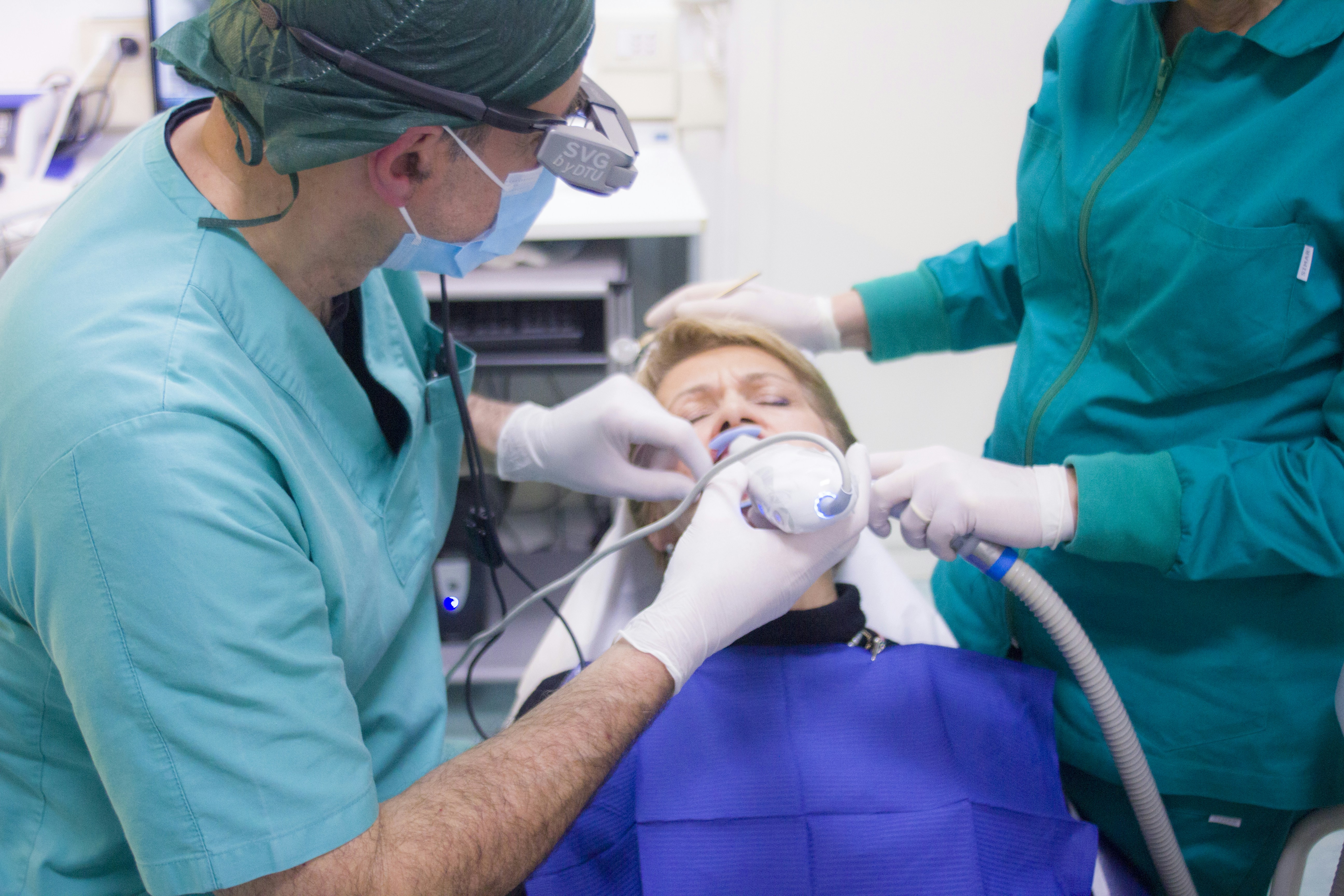
Introduction to CDC Dental Infection Control Training
The Centers for Disease Control and Prevention (CDC) Dental Infection Control Training is an essential program aimed at fostering safe practices within dental environments. It provides dental professionals with vital knowledge on infection control protocols, ensuring that patient safety is maintained while reducing the risk of disease transmission. The significance of this training cannot be overstated, as compliance with these guidelines is critical for safeguarding both patients and dental staff from potential infections.
Participants in the CDC Dental Infection Control Training include a broad spectrum of dental professionals, from dentists to dental hygienists, dental assistants, and even administrative staff in dental offices. This inclusivity reflects the understanding that effective infection control requires a cohesive effort from everyone involved in patient care. The training equips dental teams with the skills necessary to implement best infection control practices, which are now more crucial than ever in the context of emerging health threats.
The key objectives of the CDC Dental Infection Control Training encompass a detailed explanation of infection prevention strategies, the correct use of personal protective equipment (PPE), sterilization procedures for dental instruments, and protocols for managing potentially infectious materials. By emphasizing risk assessment and implementing appropriate measures, participants learn how to create safer dental environments. Moreover, the training encompasses topics on the evaluation and improvement of existing infection control practices, encouraging a culture of continuous learning and adaptation.
Expected outcomes for attendees include improved understanding of infection control standards, the ability to implement effective infection control policies, and enhanced patient care practices. Thus, the CDC Dental Infection Control Training stands as a pivotal component in promoting a culture of safety and excellence within the dental profession.
The Importance of Infection Control in Dentistry
Infection control plays a pivotal role in ensuring the safety and well-being of both patients and dental professionals within clinical settings. The dental environment is uniquely susceptible to infections due to the nature of procedures performed, which often involve the exposure of soft tissues and the use of instruments that penetrate the oral cavity. Consequently, understanding and implementing effective infection control measures is imperative in mitigating risks associated with dental care.
One major risk of infection arises from exposure to bloodborne pathogens and respiratory pathogens during dental procedures. These risks can be attributed to the potential for the transmission of diseases such as hepatitis B, hepatitis C, and HIV, which can occur through contact with contaminated instruments or surfaces. Furthermore, the presence of oral bacteria can pose additional threats, particularly when dealing with invasive treatments. This underscores the necessity for thorough training in infection control practices, such as those encompassed in the CDC dental infection control training program.
Inadequate infection control can have dire consequences, including outbreaks of infections within a dental practice that can extend to patients and staff. Such outbreaks not only compromise individual health but can also have broader public health implications, leading to erosion of trust in dental practices and the healthcare system as a whole. Therefore, a comprehensive understanding of infection control protocols is essential for maintaining a safe dental practice environment.
Ultimately, the significance of effective infection control goes beyond meeting regulatory requirements; it is about fostering a culture of safety and professionalism in dentistry. By adhering to established practices and protocols, dental professionals can protect their patients and themselves, thereby promoting a safe, hygienic, and effective dental care experience. Integration of guidelines from the CDC dental infection control training into everyday practice can significantly contribute to this objective.
Key Components of the CDC Training Program
The CDC Dental Infection Control Training program is designed to equip dental professionals with the essential knowledge and skills necessary to maintain a safe clinical environment. One of the fundamental aspects of this training is the emphasis on sterilization techniques, which are critical to preventing the transmission of infectious diseases within dental practices. Participants are taught various sterilization methods, such as autoclaving and chemical sterilization, along with best practices for ensuring that all instruments and equipment are properly decontaminated and safe for use.
Another vital component is surface disinfection, where training focuses on the importance of cleaning and disinfecting surfaces that might come in contact with biological materials. This includes countertops, dental chairs, and other reusable items that are prone to contamination. Participants learn about appropriate disinfectants and the proper application techniques to uphold the highest standard of cleanliness.
The training program also covers the use of personal protective equipment (PPE), which plays a critical role in the safety of dental professionals and their patients. Guidelines for selecting appropriate PPE, such as gloves, masks, and protective eyewear, are discussed, along with training on how to correctly don and doff this equipment to minimize the risk of contamination.
Moreover, the program addresses protocols for handling biohazard materials, guiding participants on how to manage potentially infectious waste responsibly. This includes proper disposal techniques and compliance with regulations related to hazardous waste management.
Overall, the CDC Dental Infection Control Training provides comprehensive instruction in these key areas, ensuring that dental practitioners are well-prepared to uphold infection control standards in their practices.
Training Format and Accessibility
The CDC dental infection control training is designed to provide essential knowledge and skills to dental professionals through multiple delivery methods, ensuring accessibility to all practitioners regardless of their location or scheduling needs. Primarily, the training is available in two formats: online and in-person. The online format allows participants to engage with the content at their convenience, making it an ideal option for busy professionals who may find it challenging to attend traditional classes. This format typically includes a combination of instructional videos, reading materials, and interactive quizzes to reinforce learning.
On the other hand, in-person training sessions offer an immersive experience where participants can directly engage with instructors and peers. These sessions often take place at designated training facilities or during dental conferences. The duration of the training can vary; online courses are generally self-paced, allowing participants to complete the training in their own time, while in-person sessions may last from a few hours to a full day, depending on the depth of training being offered.
As for costs, the pricing for the CDC dental infection control training can fluctuate based on the format selected and the sponsoring organization. Generally, online courses may offer more affordable options compared to in-person training, which may include additional expenses such as travel and accommodation for attendees. To promote further learning and support dental professionals in their practices, additional resources are often recommended by the CDC. These may include webinars, updated guidelines, and supplementary materials that can aid in the ongoing education of dental health providers.
The accessibility of this training reflects the CDC’s commitment to improving infection control standards across the dental field, ensuring that all professionals have the necessary tools and resources to deliver safe and effective patient care.
Updates and Changes in Infection Control Guidelines
The landscape of infection control in dentistry has evolved significantly in response to ongoing research and emerging health threats. The Centers for Disease Control and Prevention (CDC) regularly updates its infection control guidelines to reflect current best practices, ensuring the safety of patients and dental healthcare providers alike. Recent revisions have emphasized the importance of adhering to strict infection control protocols, ultimately aimed at minimizing the risks associated with dental procedures.
One of the most notable updates in the CDC dental infection control training is the inclusion of enhanced cleaning and disinfection protocols in the wake of the COVID-19 pandemic. These guidelines outline specific procedures for the cleaning and sterilization of dental instruments and surfaces, which are critical in preventing cross-contamination within dental settings. The recommendations urge dental professionals to implement barrier techniques and apply EPA-registered disinfectants that are approved for use against various pathogens, including viruses and bacteria that can pose health risks.
Furthermore, the CDC has updated its training to incorporate current research on personal protective equipment (PPE). The recent guidance stresses the significance of utilizing appropriate PPE, such as masks, gloves, face shields, and gowns, tailored to the types of procedures being performed. The guidelines encourage dental practices to evaluate the level of risk involved in different procedures, adjusting their PPE protocols accordingly to ensure optimal protection for both staff and patients.
The CDC’s revisions also include recommendations for handling specific materials, such as dental waste and infection control during procedures involving aerosol generation. This ensures that dental facilities can operate safely while adhering to state-of-the-art practices in infection control. Training programs now place greater emphasis on these contemporary guidelines, which are integral to the cdc dental infection control training curriculum.
Real-Life Applications of Training in Dental Practices
The CDC dental infection control training equips dental professionals with essential knowledge and skills necessary for maintaining a safe and hygienic clinical environment. This training addresses various aspects of infection control, including sterilization techniques, personal protective equipment (PPE) usage, and management of hazardous materials. Many dental practices have integrated the principles of this training into their daily operations, resulting in tangible improvements.
For instance, a dental clinic in Florida reported a significant decrease in cross-contamination incidents after implementing protocols established through CDC training. The practice adopted rigorous sterilization methods for instruments and reinforced the importance of proper PPE usage among staff. This clinic shared that not only did their infection rates drop, but patient satisfaction also increased as clients felt more confident in their safety while receiving dental care.
Another case study involves a large dental practice in California that redesigned its infection control policies following the CDC guidelines. The management team organized staff training sessions to educate all employees about best practices. By fostering a culture of safety and accountability, this practice observed a marked improvement in compliance with infection control procedures. Regular audits, guided by principles from the CDC dental infection control training, allowed them to identify areas for ongoing improvement efficiently.
Testimonials from dental professionals highlight similar transformative experiences. One dentist noted that adhering to CDC recommendations not only improved patient outcomes but also empowered the staff to take ownership of infection control. The consistent application of the training content has led to enhanced operational efficiency and a decreased risk of infection transmission.
Overall, these real-life applications underscore the crucial role of the CDC dental infection control training in fostering safe dental practices while emphasizing the importance of ongoing education and adherence to established guidelines.
Evaluating the Effectiveness of Infection Control Training
Assessing the effectiveness of the CDC dental infection control training program is essential for enhancing practices within dental healthcare settings. One primary method for evaluation involves direct observation of clinical procedures before and after training sessions. Observers can assess adherence to the recommended infection control protocols, noting improvements in compliance rates. Employing checklists during these observations allows for a structured approach to evaluating specific practices, such as proper sterilization techniques, appropriate use of personal protective equipment, and hand hygiene habits.
Another effective evaluation method is the use of surveys and questionnaires distributed to dental professionals who have undergone the training. These tools can gather feedback on participants’ understanding of infection control measures and identify areas where further education may be necessary. Additionally, surveys may include specific questions regarding the application of knowledge acquired through the CDC training in daily practice. Analyzing the results of these surveys provides insights into the strengths and weaknesses of the training program and helps inform necessary enhancements.
Success indicators may also include tracking postoperative infection rates within a dental practice. A decline in these rates post-training suggests that the infection control measures promoted in the CDC dental infection control training are being effectively implemented. Furthermore, establishing a system for ongoing continuing education ensures that dental professionals remain updated on the latest guidelines and best practices in infection control.
Continuous education plays an integral role in sustaining improvements in infection control practices. As new challenges and changes in healthcare emerge, regular refresher courses and workshops can equip dental practitioners with the latest information, thus reinforcing the principles instilled by the CDC training. By combining various evaluation methods and maintaining a commitment to continual learning, dental practices can significantly enhance their infection control protocols and safeguard patient health.
Challenges and Barriers to Implementing Infection Control Protocols
Implementing effective infection control protocols in dental practices is essential for ensuring patient safety and maintaining a hygienic environment. However, various challenges and barriers often hinder compliance with these guidelines established by the Centers for Disease Control and Prevention (CDC). One primary obstacle is the limitation of resources. Many dental practices, especially smaller ones, may struggle with budget constraints that prevent them from acquiring necessary materials, such as personal protective equipment (PPE) and disinfecting agents. The financial burden can significantly impact their ability to follow the cdc dental infection control training recommendations, ultimately affecting patient care.
Lack of training is another significant barrier. Even if resources are available, dental staff must be adequately trained in infection control practices for them to be effectively implemented. A study indicated that a considerable number of dental personnel were not fully aware of the protocols outlined in the CDC dental infection control training. This knowledge gap can result in inconsistent practices that expose patients to potential risks. To address this issue, practices can benefit from regular training sessions and workshops that focus on the latest infection control standards, emphasizing the importance of these protocols in daily operations.
Additionally, staff compliance poses another challenge. While infection control protocols can be established, maintaining consistent adherence among all team members can be difficult. Factors such as workload, fatigue, and misunderstanding of procedures can lead to lapses in compliance. To mitigate these issues, fostering a culture of safety within the practice is vital. This includes promoting teamwork and accountability, as well as providing continuous support for staff to encourage adherence to established protocols. Engaging in open communication about infection control concerns can enhance compliance rates and contribute to a safer dental environment.
In conclusion, while barriers to implementing CDC guidelines for infection control in dental settings exist, proactive measures such as proper resource allocation, comprehensive training, and encouraging compliance can help dental practices overcome these challenges.
Conclusion and Future Directions in Infection Control Training
In conclusion, the significance of CDC dental infection control training cannot be overstated. It serves as the cornerstone for ensuring that dental practices maintain high standards of safety and prevention against infections. The guidelines provided by the CDC are instrumental in equipping dental professionals with the necessary knowledge and skills to manage and reduce the risk of cross-contamination and infections. Key takeaways from our discussion include the critical role of continuous education, the importance of adhering to established protocols, and the need for proper training that encompasses the latest advances in infection control methods.
Looking forward, the evolution of infection control training will likely face several challenges and opportunities. As dental practices adapt to advancing technologies and changing patient demographics, the need for ongoing education becomes even more prominent. Future training programs must address emerging pathogens, new treatment modalities, and innovative sterilization techniques that have become essential in our fight against infection.
Moreover, integrating a more comprehensive approach towards infection control that includes behavioral training in addition to practical skills will be pivotal. This multifaceted strategy can enhance awareness and discipline among dental personnel, ultimately leading to improved patient safety outcomes. As professionals strive to meet the evolving standards of care set forth by organizations like the CDC, it is imperative that infection control training keeps pace with these developments.
Moreover, fostering a culture of safety in dental environments is crucial. This shift requires collaboration between educational institutions, regulatory bodies, and dental practice leaders to ensure that infection control is prioritized and maintained at all levels. By embracing these future directions in training, the dental community can better prepare itself to face new challenges while providing optimal care to patients.
