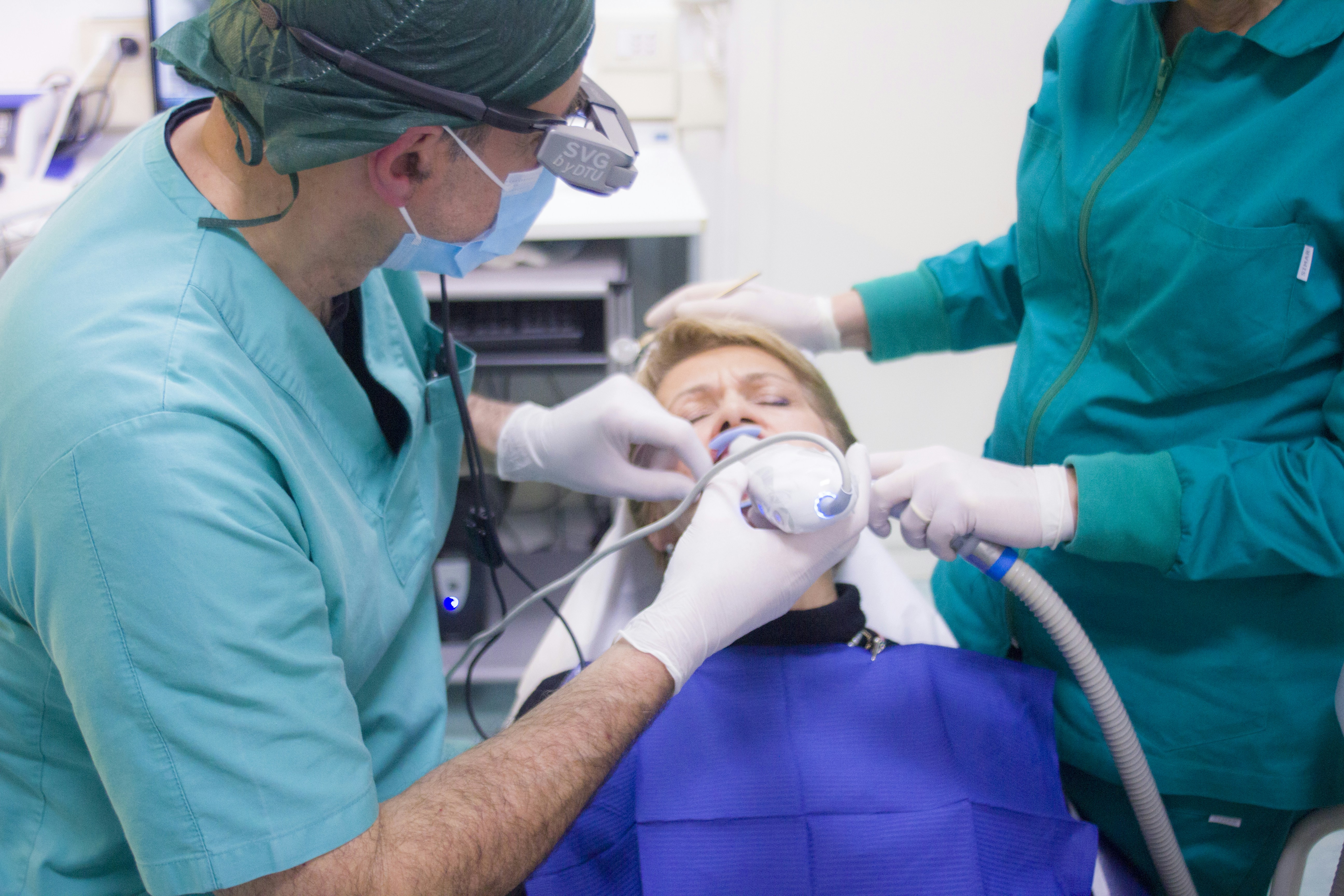
Introduction to Palliative Dental Treatment
Palliative treatment within the realm of dental procedures is a specialized approach aimed primarily at alleviating discomfort and enhancing the overall quality of life for patients experiencing severe dental issues. Unlike curative treatments that focus on eradicating the underlying conditions, palliative care concentrates on providing relief from the symptoms associated with dental ailments, particularly for individuals who may be facing chronic or terminal health conditions. This can include patients with advanced oral cancer, those suffering from severe periodontal disease, or individuals unable to undergo extensive dental interventions due to medical contraindications.
The cornerstone of palliative dental treatment is a comprehensive methodology encompassing not only the physical alleviation of pain but also addressing the emotional and psychological needs of patients. Dental professionals implementing palliative care engage in thorough assessments that take into account the patient’s overall health, personal preferences, and specific dental concerns. The objective is to create a tailored care plan that helps manage symptoms effectively while considering the individual’s unique circumstances.
Common procedures in this treatment approach may involve minimally invasive techniques designed to relieve pain, manage infections, and improve functionality. This could range from the application of topical anesthetics, temporary restorations, or the provision of mouthguards to mitigate discomfort. Beyond physical treatments, practitioners often collaborate with multidisciplinary teams, including palliative care specialists, to deliver holistic support that embraces emotional well-being and provides necessary counseling or psychological interventions.
Ultimately, the essence of palliative treatment in dental procedures lies in its patient-centered focus, prioritizing comfort and dignity for those navigating complex health challenges. By adopting such a compassionate model of care, professionals can significantly contribute to enhancing the quality of life for their patients during challenging times.
Common Dental Issues Requiring Palliative Care
Palliative treatment dental procedures are essential for managing various significant dental issues that patients may encounter. One such condition is advanced periodontal disease, characterized by inflammation and infection of the supporting structures of the teeth. Symptoms often include swollen and bleeding gums, pain while chewing, and mobility of teeth. In this stage, palliative care aims to alleviate these symptoms and slow disease progression, potentially involving regular cleanings and pain management therapies.
Severe tooth decay also necessitates palliative treatment. As decay advances, it can lead to intense pain, sensitivity, and, ultimately, tooth loss. Interventions in this context focus on pain relief and infection control, rather than curative procedures, particularly when the decay is extensive. The patient may require restorative options that prioritize comfort over the aesthetic or long-term health implications of the remaining tooth structure.
Another critical area is the management of oral cancers, which can lead to debilitating pain and other distressing symptoms. Patients suffering from oral malignancies often experience significant pain, difficulty swallowing, and reduced oral function. Palliative treatments in such cases are designed to enhance quality of life through pain management and supportive care, which may include medications and therapies aimed at alleviating discomfort.
Finally, complications arising from systemic diseases, such as diabetes or autoimmune disorders, can also manifest orally. Patients might experience dry mouth, gum disease, or infections. These issues require palliative dental procedures focused on managing symptoms and providing strategies for better oral care to minimize discomfort. Effective management in these scenarios is crucial for maintaining the patient’s overall well-being.
Goals and Benefits of Palliative Dental Procedures
Palliative treatment dental procedures are primarily aimed at alleviating discomfort and addressing dental issues that may significantly affect a patient’s quality of life. One of the primary objectives of these procedures is pain relief. Many patients suffering from advanced dental diseases or oral cancers endure significant pain, which can be chronic and debilitating. Through palliative care, dental professionals focus on managing this pain, allowing patients to experience a degree of comfort that enhances their overall well-being.
Another vital goal of palliative dental treatment is infection control. Dental infections can lead to severe complications if left unaddressed, particularly in individuals with weakened immune systems or comorbid conditions. By implementing palliative measures, dentists can minimize the risk of infection through appropriate treatments, thus improving the patient’s health status and potentially extending their life as well. This aspect of care is crucial for patients who may not wish to undergo aggressive treatment options due to their health circumstances.
Moreover, maintaining optimal oral function is a fundamental goal of palliative dental procedures. Procedures designed with this aim help ensure that patients can continue eating, speaking, and interacting comfortably. The ability to perform these basic functions is essential for sustaining a quality of life, particularly for those in palliative care where maintaining independence and dignity becomes paramount.
In addition to these goals, the benefits of palliative treatment dental procedures extend beyond immediate physical health. Patients experience improved comfort, which aligns with their emotional and psychological needs. Families also appreciate the positive impact on their loved ones’ quality of life, as comfort and functionality foster improved interactions and lessen caregiver burdens. Ultimately, the comprehensive approach of palliative care in dentistry is beneficial for both patients and their families, ensuring their needs are met holistically during challenging times.
Techniques and Approaches in Palliative Dentistry
Palliative treatment in dental procedures aims to alleviate pain and improve comfort for patients experiencing dental issues, particularly in those with terminal illnesses or complex medical conditions. A variety of techniques and methodologies are utilized to ensure that each patient receives tailored care that meets their unique needs. One primary approach in palliative dentistry involves the use of medications to manage pain effectively. Analgesics, including non-steroidal anti-inflammatory drugs (NSAIDs) and opioids, are frequently prescribed to minimize discomfort associated with dental procedures.
Local anesthesia also plays a crucial role in palliative treatments, allowing practitioners to perform necessary dental work while ensuring the patient remains pain-free. This technique helps to provide immediate relief during procedures, significantly reducing anxiety and contributing to a more positive experience. Understanding the patient’s medical history and their specific pain thresholds is essential in selecting the appropriate anesthetic agents and dosages.
Minimally invasive surgical procedures represent another vital aspect of palliative dentistry. These techniques prioritize preserving healthy tissue while effectively addressing underlying dental problems. By employing such methods, clinicians can reduce recovery times and enhance patient comfort, which aligns with the overarching goal of palliative care. Furthermore, customized dental appliances, such as partial or full dentures, can be designed to accommodate individual physiological characteristics, improving functionality and comfort for patients who may struggle with traditional options.
Ultimately, the selection of techniques and approaches in palliative treatment dental procedures must be highly individualized. Careful assessments conducted by dental professionals enable the identification of the most suitable strategies tailored to patient needs, ensuring that the emphasis remains on comfort and quality of life during dental interventions.
The Role of the Dental Care Team in Palliative Treatment
The provision of palliative treatment dental procedures necessitates a collaborative approach involving various members of the dental care team. Each professional brings unique expertise essential for offering comprehensive patient-centered care. The primary roles are typically held by dentists, dental hygienists, nurses, and palliative care specialists, all of whom must communicate effectively to ensure the patient’s comfort and well-being.
Dentists play a pivotal role in diagnosing oral diseases, managing pain, and providing treatment options tailored to the patient’s specific needs. Their expertise is particularly crucial in deciding which palliative treatment dental procedures are most suitable, aiming to alleviate discomfort while considering the limitations that certain medical conditions may impose. Ongoing assessments and adaptations are vital during the treatment process to align with the evolving status of the patient’s health.
Dental hygienists also contribute significantly to palliative care by ensuring that oral hygiene is maintained. Their responsibilities include providing instruction on proper oral care techniques, as well as performing cleanings that can help minimize discomfort associated with oral diseases. With their close patient interaction, they often serve as an essential communication bridge, relaying patient concerns to the larger dental care team.
Nurses within dental settings are equally important, assisting in managing patient anxiety and facilitating communication between patients and dental professionals. They offer logistical support and can help coordinate care across various disciplines, including liaising with general healthcare providers and palliative care specialists, who may focus on broader aspects of the patient’s quality of life beyond oral health.
Ultimately, the integration and collaboration of all team members play a crucial role in delivering effective palliative treatment dental procedures. This teamwork underscores the importance of an individualized and compassionate approach to care for patients facing serious health challenges.
Navigating Emotional and Psychological Aspects
Patients undergoing palliative treatment dental procedures often face significant emotional and psychological challenges. The nature of these procedures, which are usually aimed at alleviating pain and improving quality of life for individuals with advanced oral diseases, can lead to feelings of anxiety, fear, and isolation. Understanding these emotional aspects is crucial for both patients and dental professionals to foster a supportive environment.
Support from dental professionals is an essential component in navigating these challenges. Acknowledging the emotional state of patients and showing empathy can help alleviate feelings of discomfort and unease. Dental teams can offer reassurance, thoroughly explaining each step of the palliative treatment dental procedure to demystify the process. Creating a safe space where patients feel heard can greatly enhance their overall experience and emotional well-being.
Coping strategies also play a vital role in managing the psychological impact of palliative dental care. Engaging in open discussions with healthcare providers about fears and concerns can empower patients and provide clarity. Additionally, mindfulness exercises, relaxation techniques, and guided imagery can be introduced to help them reduce anxiety before and during procedures. It is beneficial for professionals to provide resources, such as referrals to counseling services or support groups, which can encourage patients and their families to connect with others who are experiencing similar challenges.
In creating a positive experience, it is essential to consider the emotional needs not only of the patients but also of their families. Offering family members guidance and resources allows them to effectively support their loved ones throughout the palliative treatment dental procedure. Building a team-oriented approach can foster an environment where patients feel supported, understood, and cared for during a challenging chapter in their lives.
Patient and Family Involvement in Care Decisions
In the realm of palliative treatment dental procedures, the involvement of patients and their families in the decision-making process plays a crucial role in ensuring quality care. This approach recognizes that patients are not mere recipients of treatment; rather, they are active participants whose preferences, values, and needs should guide care decisions. Effective communication is fundamental to fostering this involvement. Dental professionals should create an open environment where patients and their families feel comfortable discussing fears, expectations, and treatment options.
Shared decision-making becomes essential in palliative dental care, where the focus is not only on the technical aspects of treatment but also on the emotional and psychological well-being of the patient. Dental professionals are encouraged to present various treatment options, weighing the benefits and drawbacks of each. This includes discussing the goals of the treatment, potential outcomes, and quality of life considerations. By empowering patients and their families to contribute their perspectives, dental practitioners can ensure treatments align with what is most meaningful to them.
In addition, respecting patient preferences entails recognizing cultural, spiritual, and personal values that can shape treatment choices. Conducting thorough assessments and utilizing tools such as decision aids can facilitate deeper understanding and dialogue among all parties involved. Engaging in regular follow-up discussions is also vital as circumstances evolving in palliative care may require adjustments to treatment strategies. By prioritizing patient and family involvement in palliative treatment dental procedures, dental practitioners cultivate trust and improve overall satisfaction with the care process, leading to more personalized and effective outcomes.
Post-Procedure Care and Management
Post-procedure care following palliative treatment dental procedures is crucial for ensuring optimal recovery and enhancing the quality of life for patients. Effective management of pain and discomfort is often a primary concern during the initial recovery phase. Patients may experience varying degrees of pain depending on the complexity of the procedure performed. Therefore, it is advisable to follow the pain management strategies recommended by the dental care provider. This may include the use of prescribed pain medications or over-the-counter analgesics, which should be taken as directed to alleviate discomfort effectively.
In addition to pain management, scheduling follow-up appointments is an essential aspect of post-procedure care. These follow-ups allow the dental team to monitor the healing process, assess any ongoing pain or complications, and make necessary adjustments to the treatment plan. During these visits, dental professionals may conduct examinations or imaging tests to ensure the successful integration of the palliative treatment dental procedure into the patient’s oral health regimen. Maintaining open communication with the healthcare team during this period can lead to a more tailored approach to patient care and improved outcomes.
At-home care is another vital component of recovery. Patients should follow specific instructions provided by their dental healthcare professionals to promote healing. Recommendations may include applying cold compresses to reduce swelling and avoiding certain foods that could exacerbate pain. Additionally, maintaining excellent oral hygiene is imperative, as it helps prevent infections and supports recovery. Rinsing with salt water or using prescribed antiseptic mouthwash may be suggested for better oral care post-procedure. By adhering to these guidelines, patients can significantly enhance their post-operative experience and overall recovery.
Future Directions in Palliative Dentistry
Palliative treatment in dental procedures is an essential component of holistic healthcare, particularly for patients with chronic or terminal conditions. As the field of palliative dentistry evolves, several emerging trends and future directions are worth noting. One significant trend is the integration of advanced technologies that enhance diagnosis and treatment. For instance, tele dentistry is gaining traction, allowing dental professionals to reach patients who may be isolated or unable to attend in-office appointments. This remote approach can make palliative treatment dental procedures more accessible, ensuring that all patients receive the necessary care.
Research initiatives are also playing a crucial role in advancing palliative dental care. Clinical trials and studies are increasingly focusing on pain management techniques, understanding the psychosocial aspects of dental anxiety, and developing customized palliative treatment protocols that cater to the unique needs of patients facing complex medical challenges. Additionally, there is a growing emphasis on interprofessional collaboration, where dental professionals work alongside palliative care teams to create comprehensive treatment plans. This approach aims to address both the physiological and emotional needs of the patient, offering a more empathetic and effective response to their challenges.
Moreover, educational efforts for dental practitioners are expanding, creating awareness about the importance of palliative care in dentistry. Continuing education programs and workshops are encouraging dentists to incorporate palliative principles into their practices, ensuring that they are equipped to provide compassionate care during critical times. These initiatives not only improve the delivery of palliative treatment dental procedures but also foster an environment where patients feel supported throughout their journey.
In conclusion, the future of palliative dentistry is poised for substantial growth, driven by technological advancements, research initiatives, and enhanced educational opportunities. By embracing these developments, the dental community can improve the quality of palliative care, ensuring that patients receive the support they deserve during challenging times.
