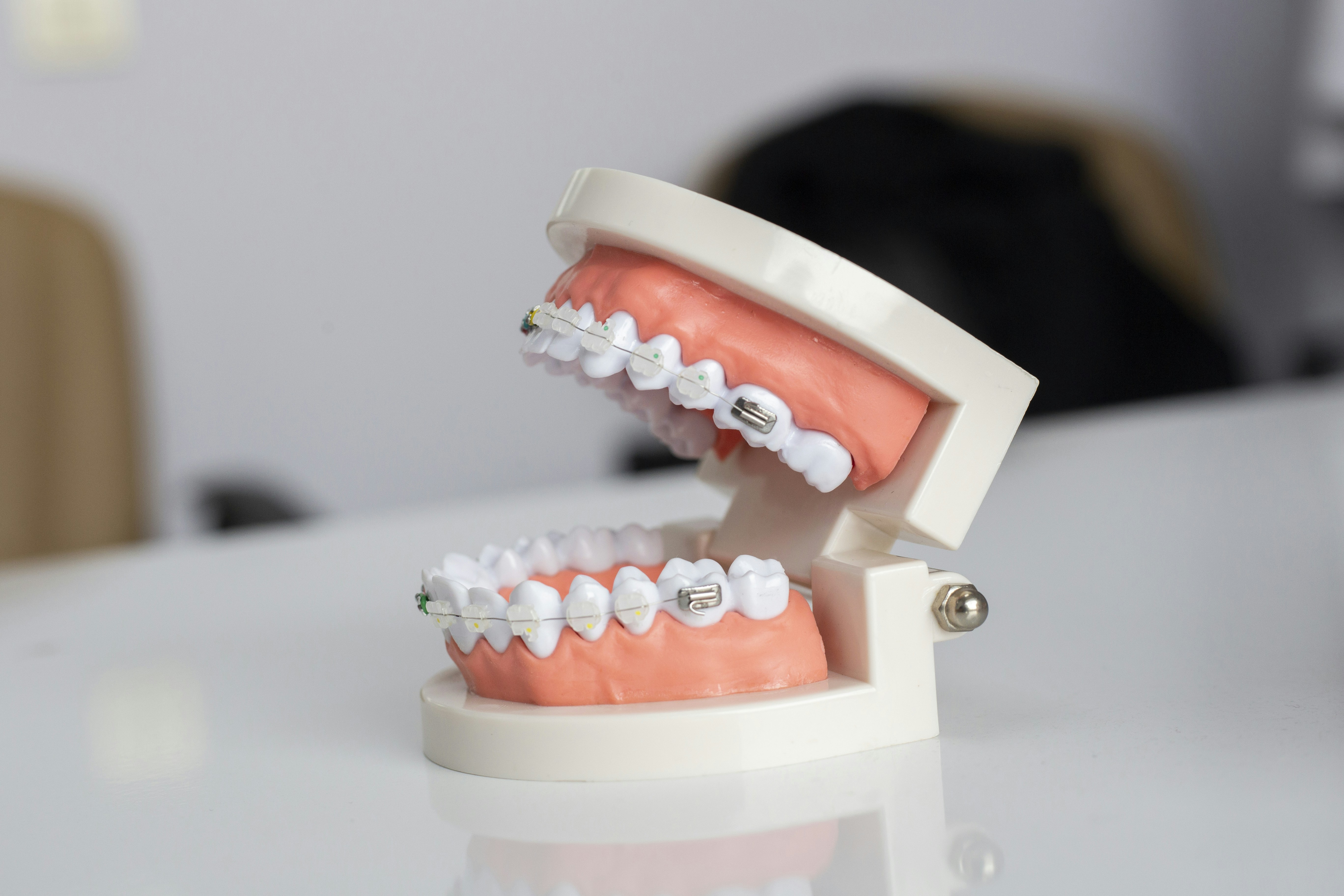
Introduction to Mandibular Partial Dentures
Mandibular partial dentures are dental prosthetics designed to replace one or more missing teeth in the lower jaw. They play a crucial role in restorative dentistry, providing patients with an effective solution to restore functionality, aesthetics, and overall oral health. These dentures are custom-made to fit the unique anatomy of each individual, ensuring comfort and stability during use.
The primary purpose of a mandibular partial denture cast metal is to rehabilitate the oral cavity by restoring the ability to chew food properly. Missing teeth can lead to difficulties in chewing, which may affect dietary choices and, ultimately, nutritional intake. By filling the gaps in the dental arch, these dentures enable patients to enjoy a wider variety of foods, significantly improving their quality of life.
Aesthetic considerations also play an essential role in the desirability of mandibular partial dentures. The absence of teeth can alter facial structure and lead to sagging cheeks and a sunken appearance, negatively impacting self-esteem and confidence. The introduction of a partial denture not only restores teeth but enhances the natural contours of the face, helping individuals feel more self-assured in social situations.
Additionally, the use of a mandibular partial denture contributes to better oral health. When teeth are lost, the surrounding teeth may shift to fill the space, potentially leading to malocclusion and further dental complications. By replacing missing teeth, these dentures help maintain the proper alignment of adjacent teeth, reducing the risk of long-term oral issues.
In essence, mandibular partial dentures are vital for achieving a balanced and functional smile. Their significance goes beyond aesthetics, encompassing crucial health aspects that impact the overall well-being of patients.
The Benefits of Cast Metal Mandibular Partial Dentures
Cast metal mandibular partial dentures offer a range of notable advantages that make them a preferred choice for many dental professionals and patients alike. One of the primary benefits is their exceptional durability. Unlike acrylic or nylon alternatives, cast metal dentures are designed to withstand the daily wear and tear associated with chewing and grinding forces, making them a long-lasting option for individuals who may experience significant mastication forces.
Another critical aspect of cast metal dentures is their compatibility with the oral environment. The materials used in these dentures are biocompatible, which means they are less likely to induce an allergic reaction or cause irritation to the soft tissues of the mouth. This quality is crucial for ensuring comfort and promoting good oral health, allowing for a more pleasant wearing experience. Patients often report fewer instances of gum irritation or soreness compared to other denture materials.
Precision fit is another significant advantage of cast metal mandibular partial dentures. The advanced casting techniques utilized in their creation allow for a high degree of accuracy in fitting the denture to the contours of the patient’s mouth. This custom fit minimizes movement during speech and eating, greatly enhancing both functionality and aesthetics. A well-fitted denture can significantly improve a patient’s confidence and comfort levels in social settings, as they do not have to worry about potential slippage or discomfort.
Furthermore, the lightweight properties of metal make cast metal dentures a convenient option. Patients often appreciate that these dentures are less bulky than those made from heavier materials, which can contribute to a more natural feeling in the mouth. This reduced weight, combined with their robust structure, makes cast metal mandibular partial dentures an ideal solution for individuals seeking effective dental restorations.
Materials Used in Cast Metal Partial Dentures
Mandibular partial denture cast metal frameworks are primarily constructed using specific metal alloys that provide durability, strength, and biocompatibility necessary for dental applications. Two of the most common alloys utilized in these frameworks are cobalt-chromium and nickel-chromium. Each of these materials has unique properties that make them suitable for use in dental prosthetics.
Cobalt-chromium alloy is widely recognized for its excellent mechanical properties and resistance to corrosion. This alloy exhibits a high modulus of elasticity, which ensures that the framework can withstand the forces exerted during mastication without warping or fracturing. Furthermore, cobalt-chromium is known for its biocompatibility, meaning that it is less likely to induce allergic reactions in patients. This is particularly important for individuals who may have sensitivities to certain metals, ensuring a more comfortable dental experience.
On the other hand, nickel-chromium alloys are also popular in the fabrication of mandibular partial denture cast metal frameworks. This alloy offers a good balance of strength and ductility, facilitating easier adjustments and refinements during the fitting process. Although nickel-chromium is generally less expensive than cobalt-chromium, it does present some considerations regarding biocompatibility. A small percentage of the population may have an allergy to nickel, which can cause adverse reactions in susceptible individuals. Therefore, thorough patient assessment and consideration of their medical history are essential before selecting this material.
In summary, the choice of metal alloy for denture frameworks is a critical factor that affects the overall performance and comfort of the mandibular partial denture cast metal. Both cobalt-chromium and nickel-chromium alloys offer distinct advantages, and it is essential to take into account the patient’s unique needs and potential sensitivities when making this decision.
Design and Fabrication Process
The design and fabrication process of a mandibular partial denture cast metal is a meticulous procedure aimed at ensuring the final prosthesis meets both functional and aesthetic requirements. The journey begins with diagnostic impressions, which are crucial for capturing the contours of the patient’s oral anatomy. These impressions serve as a blueprint for the eventual construction of the device, allowing dental professionals to analyze the patient’s bite and the available space in the mouth.
Following the initial impressions, a wax try-in is undertaken. This step is vital for assessing the fit, occlusion, and overall appearance of the mandibular partial denture. During this phase, the technician creates a wax model that replicates the intended final product. Patients are encouraged to provide feedback regarding comfort and appearance, thus enabling adjustments to be made prior to the final casting process. This iterative process not only improves the accuracy of the partial denture but also enhances patient satisfaction.
The final stage involves the casting process, where the custom-designed framework is created using cast metal. This material is chosen for its strength, durability, and biocompatibility. The casting technique typically involves melting the metal and pouring it into a mold that reflects the precise dimensions from the wax try-in. Once cooled, the cast metal framework is refined and polished to ensure the optimal fit within the patient’s mouth. Achieving a proper fit is essential, as it directly affects the comfort and functionality of the mandibular partial denture. Neglecting this crucial aspect may lead to complications such as irritation or improper chewing function.
Fitting and Adjustment of Cast Metal Partial Dentures
The fitting of a mandibular partial denture cast metal necessitates meticulous attention to detail to ensure optimal comfort and function. Initially, after the impressions of the patient’s mouth are taken, a wax try-in stage is performed. This stage allows the dental professional to verify the fit and aesthetic aspects of the partial denture before it is finalized. Adjustments made during this stage can significantly impact the overall satisfaction of the patient.
During the wax try-in, the dental provider will assess both the occlusion and the vertical dimension. If discrepancies are noted, modifications can be made directly to the wax model. This is a crucial step as it helps to identify and resolve potential issues prior to the fabrication of the final cast metal framework. The objectives are to ensure that the partial denture fits snugly without causing irritation to the surrounding soft tissues.
After the final cast metal partial denture is delivered, initial adjustments are typically required due to the unique anatomical variations of each patient. Dentists often schedule follow-up visits to evaluate the fit and make any necessary fine-tuning adjustments. This iterative process is vital, as it helps to alleviate any pressure points that may lead to discomfort or sore spots within the mouth.
Specific areas where adjustments may be required include the metal clasps, which should provide adequate retention without causing undue pressure, and any acrylic components that may need refining to increase comfort. Through a series of appointments, dental professionals work closely with patients to ensure that their mandibular partial denture cast metal delivers optimal performance, aesthetics, and comfort. The ultimate goal is to restore not only the function of chewing and speaking but also the patient’s confidence in their smile.
Maintaining Your Cast Metal Partial Denture
Proper maintenance of a mandibular partial denture cast metal is crucial for ensuring its longevity and functionality. Regular care not only preserves the aesthetic appearance of the denture but also supports oral health. One of the most important aspects of maintenance is cleaning. It is recommended to clean the partial denture daily using a soft-bristled toothbrush and an abrasive-free cleaner specifically designed for dental appliances. Avoid using regular toothpaste, as it can scratch the surface of the metal. Gently brushing the surface removes food particles and plaque, helping to maintain a healthy oral environment.
In addition to daily cleaning, it is essential to soak the cast metal partial denture overnight in a solution that is approved for dental appliances. This soaking process helps to keep the denture moist and prevent it from drying out, which can lead to warping or damage. Ensure that the denture is rinsed thoroughly with water before re-inserting it in the mouth to prevent any residue from affecting taste or causing irritation.
Storage is another important aspect of maintaining your mandibular partial denture cast metal. When not in use, store the denture in a container filled with water or a denture solution to prevent it from drying. This practice helps maintain its shape and integrity over time. Moreover, it is advisable to keep the denture out of reach of pets and small children, as it can be easily damaged or swallowed.
Regular dental check-ups are also vital in the upkeep of a cast metal partial denture. Schedule appointments with your dentist at least twice a year for professional cleanings and evaluations. These visits allow your dentist to assess the fit and function of the denture, making any necessary adjustments to enhance comfort and efficiency. In conclusion, with meticulous care and regular consultations with a dental professional, your cast metal partial denture can serve effectively for many years, contributing to your overall oral health.
Common Issues and Solutions
Individuals fitted with a mandibular partial denture cast metal may experience a variety of issues that can impact comfort and functionality. One of the most frequently reported problems is discomfort or irritation in the gums, which often arises from improper fit or adjustments needed after the initial placement. This discomfort can lead to difficulties in eating and speaking, causing frustration and potential abandonment of the device.
Another common issue is wear and tear, particularly in areas subjected to significant stress. Over time, the metal framework of a cast metal partial denture can become compromised due to the forces exerted during chewing. Patients should be aware of any changes in the condition of their denture, such as visible wear, cracks, or changes in fit, as these symptoms may indicate the necessity for repair or replacement.
Loosening is also a prevalent concern among wearers of mandibular partial dentures. The retention of these devices relies on various factors, including the health of remaining teeth and supporting tissues. If a denture becomes loose, it can shift during use, leading to increased discomfort and potential damage to adjacent teeth. Regular checks with a dental professional can help maintain an optimal fit.
To address these issues, patients are encouraged to follow a routine of dental check-ups to ensure their mandibular partial denture cast metal is functioning correctly. If discomfort persists or the denture shows signs of wear, seeking professional assistance is vital. A dentist can make necessary adjustments, offer relining services, or suggest the creation of a new denture if wear and looseness have reached a critical level. Through proactive management and consistent professional guidance, the longevity and comfort of a mandibular partial denture cast metal can be significantly enhanced.
Cost Considerations for Cast Metal Partial Dentures
The financial aspects of obtaining mandibular partial denture cast metal require careful assessment, as they can vary significantly based on multiple factors. Initially, the upfront costs associated with manufacturing and fitting these durable dental devices typically range from a few hundred to a few thousand dollars. The price is influenced by the complexity of the case, the materials used, and the dentist’s expertise. Cast metal partial dentures often utilize high-quality metals which enhance durability, yet they may command a higher initial investment than plastic alternatives.
It is crucial to consider the role of dental insurance in managing these upfront costs. Many insurance plans offer partial coverage for dentures, including cast metal options. However, the extent of coverage can differ widely among policies. Some plans may cover a large portion of costs for a mandibular partial denture cast metal, while others may only provide minimal assistance. It is advisable for patients to carefully review their insurance benefits and consult their providers to understand what portion of the expense will be out-of-pocket.
Long-term value is an essential factor in the cost consideration of cast metal partial dentures. Although the initial financial commitment may be greater compared to other types of dentures, their longevity and resilience can prove advantageous over time. Cast metal partial dentures are known for their strength and stability, often resulting in less frequent replacements than their plastic counterparts. This durability can translate into fewer visits to the dentist, minimized maintenance costs, and a better overall experience for the patient. Ultimately, evaluating both the initial investment and long-term value will contribute to a comprehensive understanding of the costs associated with mandibular partial denture cast metal.
Conclusion and Future of Cast Metal Partial Dentures
Mandibular partial denture cast metal has established itself as a vital component in contemporary dentistry, offering patients a robust solution for tooth replacement. Its superior strength, durability, and overall comfort make it an advantageous option for individuals missing multiple teeth. The intricate design and manufacturing processes involved in creating these dentures ensure they are customizable to fit the unique anatomical requirements of each patient, which further enhances their efficacy and user satisfaction.
As we look to the future, advancements in dental technology and materials are poised to revolutionize the realm of cast metal partial dentures. Innovations such as 3D printing and computer-aided design (CAD) are already transforming the production processes, allowing for precise fittings and improved fabrication efficiency. These technological improvements could lead to even lighter, more comfortable options that do not compromise on strength or longevity.
Additionally, the exploration of new materials, including biocompatible polymers and advanced alloys, may not only enhance the aesthetic quality of cast metal dentures but also improve patient outcomes. These advancements could facilitate the creation of prosthetics that are not only more aesthetically pleasing but also provide enhanced functionality. Furthermore, ongoing research into the integration of digital technologies may pave the way for more streamlined workflows in diagnostics and treatment planning, resulting in a more holistic approach to patient care.
In conclusion, the importance of mandibular partial denture cast metal in modern dentistry cannot be understated. As technological innovations and new materials continue to emerge, the future appears bright for these dental devices, promising better solutions and improved quality of life for those requiring tooth replacement. The ongoing evolution of cast metal partial dentures will likely enhance their role in prosthetic dentistry and contribute significantly to patient satisfaction and oral health outcomes.

