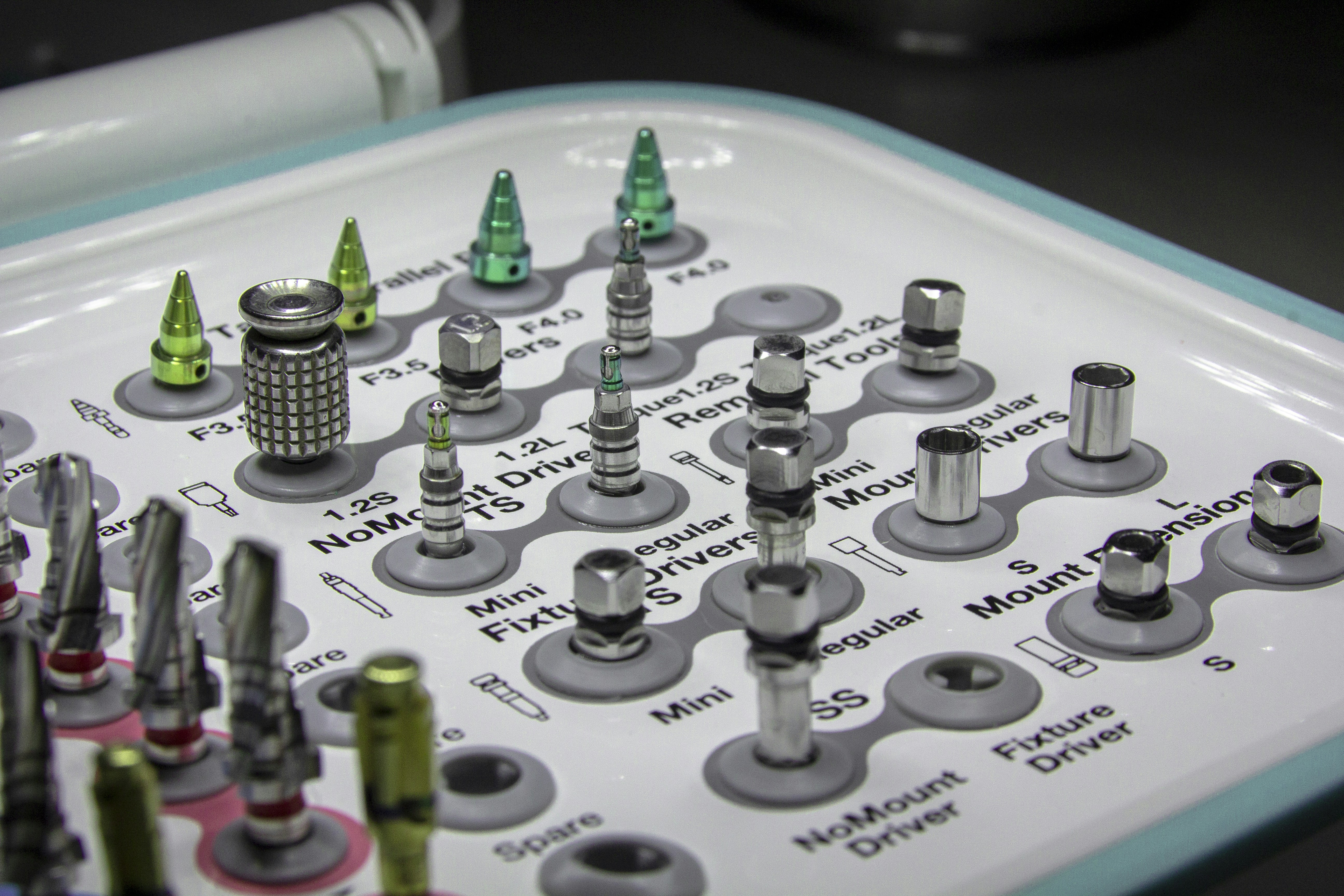
Introduction to Bone Grafting in Dentistry
Bone grafting has become a critical procedure in the field of dentistry, particularly for patients who undergo tooth extractions. This surgical process involves the transplantation of bone tissue to enhance the jawbone’s structure and integrity, which may be compromised following dental extractions. The biological rationale behind bone grafting is rooted in the body’s natural healing processes. When a tooth is extracted, the supporting bone may begin to resorb or deteriorate over time, leading to changes in the facial structure and difficulties in future dental procedures such as implants or dentures.
The primary purpose of a bone graft is to preserve the alveolar ridge—the bony ridge that contains the sockets of the teeth—ensuring that it maintains its shape and volume. This is particularly significant when planning for dental implants, as a sufficient quantity of healthy bone is essential to anchor the implant securely. Bone grafting provides a scaffold for new bone growth, thereby facilitating the natural healing process. As the graft integrates with the existing bone, it catalyzes the formation of new, healthy bone tissue, which is critical for successful dental outcomes.
Furthermore, bone grafts can be classified into several types, including autogenous grafts from the patient’s own body, allografts from donors, xenografts from other species, and synthetic grafts. Each type has its advantages and potential risks, making it essential for dental professionals to choose the appropriate graft material based on individual patient needs and circumstances. Understanding the implications of bone grafting is vital for maintaining oral health and function, particularly post-extraction, emphasizing the significance of developing a comprehensive treatment plan. Such careful planning not only contributes to the immediate success of dental procedures but also enhances long-term patient outcomes.
What is a Bone Graft?
A bone graft is a surgical procedure that involves the placement of bone or a bone-like material into areas where bone is either absent or insufficient. This technique is commonly utilized in dental procedures, particularly following tooth extractions, to promote healing and ensure adequate support for future dental implants. Understanding the different types of bone grafts can enhance knowledge about their applications in dentistry.
There are several types of bone grafts, classified primarily based on the source of the graft material. An autograft is derived from the patient’s own body, typically harvested from areas such as the chin, jaw, or hip. This method possesses a high success rate and minimizes the risk of rejection. An allograft, on the other hand, is sourced from a human donor and processed to eliminate potential disease transmission. Xenografts use bone material obtained from other species, commonly bovine, and are often utilized when autografts or allografts are not viable options. Finally, alloplastic grafts involve synthetic materials that stimulate bone regeneration.
Bone grafting is generally indicated when a tooth extraction occurs. Upon the removal of a tooth, the natural bone that housed the root requires time to heal. During this process, there may be a reduction in bone volume, which can leave inadequate support for future dental implants. A bone graft can fill this void, helping to maintain the contour of the jaw and prevent further resorption. The presence of a bone graft not only facilitates healing but also sets the stage for more successful dental procedures, including implants, by providing a stable foundation.
Dental Codes and Their Importance
Dental codes play a pivotal role in the realm of dentistry, particularly concerning insurance claims and billing processes. These codes provide a standardized language that both dental practitioners and insurance companies utilize to describe various procedures, treatments, and services rendered. For instance, the bone graft dental code for extraction is essential for accurately identifying the associated procedures that take place following tooth extractions, particularly when bone grafting is necessary to preserve bone structure and support future dental implants.
Dental codes are categorized into several systems, such as the Current Dental Terminology (CDT) codes, which are developed by the American Dental Association (ADA). These codes encompass a wide range of dental procedures, encompassing preventive measures, restorative treatments, and surgical interventions. Understanding these codes allows dental practitioners to ensure they are submitting accurate claims, which can significantly influence the reimbursement process from insurance providers. Furthermore, it empowers patients to have a clearer understanding of the treatments they are undergoing, including any associated costs and insurance coverage nuances.
For dental practitioners, staying informed about these codes is crucial for compliance with legal and ethical standards while minimizing the risk of denials or delays in payment. For patients, having insight into the bone graft dental code for extraction and related procedures can enhance their ability to communicate effectively with both dental care providers and insurance representatives. Therefore, fluency in dental codes can simplify the interaction between different stakeholders in the dental care ecosystem. As such, comprehending the significance of these codes not only streamlines administrative processes but also fosters improved patient care and experience.
The Bone Graft Dental Code for Extractions
In the realm of restorative dentistry, proper coding is crucial for accurate billing and insurance reimbursement. When it comes to bone grafts performed following dental extractions, specific codes are designated to delineate the services provided and the materials used. Among these, the Current Dental Terminology (CDT) codes play a vital role in categorizing procedures related to bone grafts. For instance, the code D7950 typically corresponds to the placement of a bone graft in conjunction with an extraction.
Bone graft procedures may vary significantly in terms of complexity and the materials used. Codes can range from D7951, which denotes a bone graft from an intraoral source, to D7952, which indicates a graft sourced from an external source, such as cadaver bone. Each of these codes encompasses not only the grafting procedure itself but also the associated surgical services, like the extraction of teeth and the preparation of the site for graft placement. It is imperative for dental professionals to utilize the correct bone graft dental code for extraction to ensure that all services rendered are appropriately documented and billed.
The situations warranting the use of these codes are diverse. For instance, situations involving the preparation of a ridge for implant placement, addressing severe bone loss resulting from extractions, or even the restoration of an aesthetic area may necessitate the use of these codes. Furthermore, adequate documentation and adherence to coding guidelines ensure that the treatment received by patients aligns with the billing, thereby facilitating a smoother reimbursement process. Ultimately, proper application of the bone graft dental codes for extractions aids both practitioners in delivering optimal dental services and insurers in processing claims seamlessly.
Insurance Considerations and Coverage
When it comes to bone grafting following dental extractions, understanding the nuances of insurance coverage is crucial for patients and dental providers alike. Dental insurance policies vary significantly in terms of what they cover, particularly concerning the codes associated with bone graft procedures following an extraction. The implementation of accurate dental codes for extraction and grafting can directly impact how much an individual is required to pay out-of-pocket.
Typically, many dental plans will cover the cost associated with a dental extraction, but whether they extend coverage to bone grafting can depend on several factors. Insurers might classify dental grafts as medically necessary in specific circumstances, and thus eligible for reimbursement. However, there is often a caveat that necessitates proper documentation, including diagnostic imaging and comprehensive treatment plans, to substantiate the need for the bone graft dental code for extraction. Failure to comply with these guidelines could result in claims being denied or patients facing unexpected costs.
Out-of-pocket expenses for bone grafting can vary widely based on the patient’s insurance plan and the complexity of the procedure. Some policies might cover a percentage of the grafting procedure, while others may list it under elective procedures, leaving patients to bear an entirely self-funded burden. Therefore, it is essential for patients to consult their insurance providers and understand their specific policies, including coverage limits and deductible requirements.
Proper coding is vital for timely processing of insurance claims related to dental extractions and bone grafting. A well-structured claim not only reduces administrative burdens but also increases the likelihood of receiving maximum coverage according to the patient’s policy. In conclusion, navigating the insurance landscape for dental extractions and associated grafting procedures requires thorough communication between the patient, the dental provider, and the insurance company.
Common Challenges with Bone Graft Coding
When it comes to managing bone graft dental codes for extraction, both practitioners and patients often encounter several challenges that complicate the process. One of the primary issues is miscoding, which can occur when the dental codes used do not accurately reflect the specific procedures performed. This can lead to improper billing practices and unexpected financial burdens for the patient, as well as administrative headaches for the practitioner.
Additionally, there may be a significant lack of insurance coverage for procedures involving bone grafts following teeth extractions. Many insurance policies have limitations regarding what they classify as necessary treatments, which can lead to denials of claims related to bone grafts. This scenario not only frustrates practitioners striving to provide comprehensive care, but also leaves patients uncertain about their financial responsibilities, potentially deterring them from receiving needed treatments.
Procedural discrepancies also arise when there is confusion about the appropriate codes to use for various bone graft techniques. Variations in techniques, materials, and the extent of procedures lead to inconsistencies in coding, which can result in additional coding errors. This scenario further complicates the overall understanding of what each code represents and how it correlates with insurance carrier requirements.
To mitigate these challenges, practitioners should consider regularly updating their knowledge on coding guidelines through continued education. Utilizing standardized coding resources and engaging in open dialogue with insurance providers can further streamline the coding process. Moreover, thorough documentation of all procedures performed will support claims and clarify any discrepancies during audits. By addressing these common challenges related to bone graft dental codes for extraction, stakeholders can foster better communication and ensure a more efficient claims process.
Procedure Steps for Bone Grafting After Extraction
The process of bone grafting after a dental extraction involves several crucial steps, starting from the initial consultation with a dental specialist to post-operative care. Initially, a thorough evaluation is undertaken, which includes diagnostic imaging such as X-rays or 3D scans. This assessment helps the dentist to determine the extent of bone loss and to devise a tailored treatment plan. During this phase, the importance of proper coding, including the bone graft dental code for extraction, is emphasized in order to ensure accurate insurance reimbursement.
Once the treatment plan is established, the patient will schedule the extraction of the problematic tooth. Following the tooth removal, the grafting procedure can begin. The dentist will prepare the extraction site by cleaning the area meticulously to reduce the risk of infection. Subsequently, bone graft material—whether from the patient’s own body, a donor, or synthetic options—will be strategically placed into the empty socket. This material acts as a scaffold for new bone growth, and its successful integration is vital for maintaining the structure of the jawbone.
After the grafting material is in place, the dentist will close the site with sutures. Post-operative care is critical; hence, the dentist will provide instructions on managing pain and preventing complications. Patients are advised on dietary restrictions, oral hygiene practices, and follow-up appointments that are imperative for monitoring the healing process. It is essential to maintain communications regarding any concerns or adverse effects. Throughout each step of this procedure, adherence to proper dental coding is paramount, ensuring that all aspects of the bone grafting process are accurately documented for future reference and billing purposes.
Patient Guidance and FAQs
When considering a bone graft procedure following a tooth extraction, patients often have numerous questions regarding the process, recovery, and potential outcomes. Addressing these concerns can significantly enhance the experience and provide peace of mind.
One common question pertains to the recovery time after a bone graft and dental extraction. Generally, the initial healing period may take anywhere from a few days to a couple of weeks. However, complete integration of the graft material with the existing bone may take several months. It’s essential for patients to adhere to their dentist’s post-operative care instructions, which may include dietary modifications and maintaining oral hygiene, to ensure a smoother healing process.
Patients also frequently inquire about the risks associated with the bone graft dental code for extraction. Like any surgical procedure, there are potential complications, such as infection, graft failure, and discomfort. Knowing these risks allows patients to make informed decisions and prepare adequately. It’s advisable to have a thorough discussion with the dental professional regarding personal medical history, as certain pre-existing conditions may heighten these risks.
Success rates for bone grafting procedures are generally high, particularly when performed by skilled professionals. Factors contributing to success include the type of graft material used and the overall health of the patient. Patients are encouraged to ask their dentists about the specific success rates for their case to gain a clearer understanding of the anticipated outcomes.
Finally, it is vital to know what to expect during and after the procedure. Pre-operative consultations will typically outline the process, including anesthesia options, which may help to alleviate anxiety. Post-operative visits are equally important, as they allow the dental team to monitor healing and address any concerns that may arise. Armed with this knowledge, patients can feel more prepared for their bone graft dental code for extraction procedure and subsequent recovery.
Conclusion and Key Takeaways
Understanding bone graft dental codes for extraction procedures is of paramount importance for both dental professionals and patients. Some common scenarios in dentistry necessitate the procedure of bone grafting, particularly following extractions where the preservation of jawbone health is critical. Utilizing the correct codes ensures that claims are processed efficiently and that patients are appropriately billed. Furthermore, being aware of these codes helps in the planning and execution of dental restorations, which rely on the availability of adequate bone structure.
Throughout the blog post, we explored how dental codes are assigned based on the specific procedures that involve bone grafts, particularly after tooth extractions. This enables dentists to communicate effectively with insurance providers, thereby maximizing patient access to necessary treatments. Variabilities in coding practices can present challenges, often leading to confusion. Hence, it is essential for dental practitioners to stay up-to-date with the latest guidelines and adjustments in the coding framework.
Moreover, patients are encouraged to consult with their dental providers about the nuances of these codes. Engaging in discussions about bone graft dental coding can demystify the associated processes and enhance understanding regarding payment responsibilities. It’s also beneficial for patients to inquire about their dental coverage when procedures such as bone grafting are anticipated, especially after extractions.
In conclusion, a comprehensive grasp of bone graft dental codes following extractions is vital for ensuring efficient clinical practice and fostering transparent patient-provider relationships. By prioritizing knowledge in this area, both dentists and patients can navigate the complexities of dental care with greater ease and confidence.
