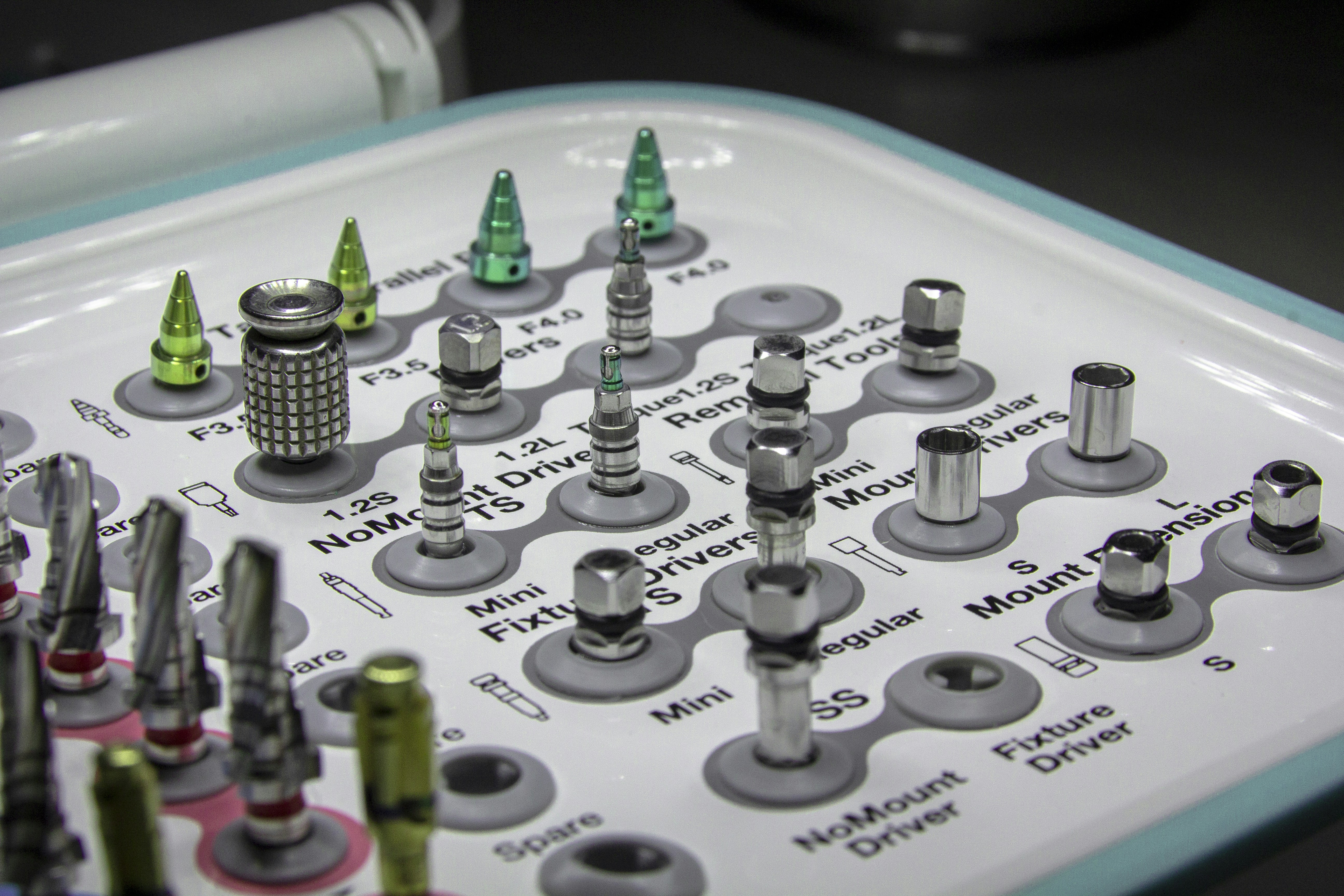
Introduction to Dental Implants
Dental implants are a revolutionary solution in modern dentistry, specifically designed to replace missing teeth. They are artificial tooth roots, typically made from titanium, which are surgically embedded into the jawbone. This innovative approach allows for the secure attachment of replacement teeth, known as crowns, offering a more stable and permanent solution compared to traditional dentures or bridges. The primary purpose of dental implants is to restore functionality, aesthetics, and overall oral health for individuals who have lost teeth due to injury, periodontal disease, or other reasons.
The successful placement of dental implants hinges on accurate positioning and proper alignment. An ideal location must be chosen to ensure that the implant receives adequate support from the surrounding bone structure. This is where the use of surgical stents becomes crucial. Surgical stents for dental implants help guide the placement of implants by providing a template that ensures precision during the surgical procedure. Their use significantly reduces the risk of complications and enhances the likelihood of achieving an optimal outcome.
Moreover, the application of a surgical stent offers numerous benefits. The stent assists the dental professional in visualizing the planned implant position, making it easier to determine the appropriate angle and depth for insertion. This process is particularly vital when considering the biological and cosmetic aspects of the restoration. Misalignments can lead not only to functional issues but may also impact the appearance of the smile.
The integration of surgical stents in dental implant procedures is a significant advancement in ensuring precise and effective placements. As techniques evolve, understanding the role of these tools will continue to be essential for dental practitioners striving for excellence in implantology.
The Concept of Surgical Stents
Surgical stents are an innovative tool utilized in dental implant procedures to enhance the precision and accuracy of implant placement. These custom-designed devices serve as a guide for the surgeon, ensuring that dental implants are positioned accurately in relation to the neighboring teeth and anatomical structures. The proper positioning of an implant is critical for long-term success, as it affects not only aesthetic outcomes but also the functionality of the dental restoration.
The role of surgical stents in dental implant procedures can be summarized by two key functions: facilitating accurate implant alignment and improving surgical predictability. By providing a clear path for the dental implant, surgical stents help to avoid critical anatomical areas such as nerves and sinuses, thus reducing the risk of complications. This guidance is particularly important in complex cases, where the placement of the implant requires heightened attention to detail.
Derived from digital impressions and advanced imaging techniques, dental stents can be fabricated using various materials, including acrylic, resin, or metals. The use of three-dimensional (3D) printing technology has also revolutionized the production of surgical stents, enabling the creation of highly precise and patient-specific guides. The advent of surgical stents has made it easier for dental professionals to plan and execute implant surgeries, contributing to better patient outcomes.
In essence, surgical stents serve as an indispensable resource in modern dental implantology. By enhancing the accuracy of implant placement, they not only streamline the surgical process but also mitigate potential complications that may arise during and after surgery. This has led to a growing interest in the concept of surgical stents within the dental community, with educational materials such as a surgical stent for dental implants PPT becoming increasingly important for training and knowledge sharing among professionals.
Types of Surgical Stents Used in Dental Implants
Surgical stents play a crucial role in the successful placement of dental implants, providing guidance and support throughout the procedure. There are primarily three types of surgical stents utilized in dental implant procedures: fixed stents, removable stents, and customized stents, each offering unique benefits and limitations.
Fixed stents, as the name suggests, are securely attached to the existing dental structures. They ensure precise alignment of the implants by maintaining consistent positioning during the surgical process. One advantage of fixed stents is their stability, which can enhance the accuracy of implant placement. However, their rigidity may limit visibility and accessibility for the surgeon, posing a challenge during the procedure. Additionally, they can be more cumbersome to produce and may require advanced imaging technologies for proper design.
Removable stents, on the other hand, provide flexibility during surgery. These stents can be easily positioned and removed, allowing the clinician to access the surgical site with greater ease. This flexibility can be particularly advantageous in complex cases where adjustments may be necessary during the implant placement. However, the stability of removable stents may not be as reliable as that of fixed stents, potentially affecting the precision of the implant’s placement. As such, careful consideration must be given to their use depending on the clinical scenario.
Customized stents are specifically tailored to meet the unique anatomical requirements of the patient. By utilizing advanced imaging techniques, these stents can be produced to ensure maximum accuracy during the surgical process. One major benefit of customized stents is their precision; they significantly enhance the chances of favorable outcomes. Nevertheless, their production process can be time-consuming and may involve higher costs compared to standard stent options.
In conclusion, the choice of surgical stent for dental implants depends on various factors, including the complexity of the case, the need for precision, and the specific anatomical considerations of the patient. Understanding the advantages and disadvantages of each type can help dental professionals make informed decisions in achieving successful implant outcomes.
Benefits of Using Surgical Stents
Surgical stents play a crucial role in enhancing the precision and effectiveness of dental implant procedures. One of the primary benefits of utilizing a surgical stent for dental implants is the significant improvement in accuracy. These stents allow dental professionals to visualize the optimal placement of implants pre-operatively, ensuring that the implants are positioned precisely within the jawbone. This level of accuracy is particularly vital in avoiding critical anatomical structures such as nerves and sinuses, ultimately promoting better surgical outcomes.
In addition to improved accuracy, the use of surgical stents can drastically reduce the overall surgical time. Traditional methods often involve a trial-and-error approach during surgery, which can lead to longer procedures and increased patient discomfort. However, with a well-designed surgical stent, the surgery can proceed more efficiently, minimizing the chair time for patients and enhancing the workflow for dental practitioners. By streamlining the procedure, surgical stents contribute to a more organized and predictable surgical environment.
Moreover, patient outcomes are substantially enhanced through the use of surgical stents in dental implant procedures. Fewer complications often arise from accurate implant placement and a reduction in the risk of surgical errors. As a result, patients benefit from a more favorable healing process, as the risk of infection and other postoperative complications is minimized. Furthermore, the psychological comfort that comes from knowing that the procedure is being executed with advanced tools and techniques can significantly alleviate pre-operative anxiety for patients.
In conclusion, the adoption of surgical stents for dental implants offers numerous advantages, encompassing improved accuracy, reduced surgical time, and enhanced patient outcomes. As the field of dental surgery continues to evolve, the emphasis on tools that promote efficiency and safety is more essential than ever.
Materials Used in Fabricating Surgical Stents
Surgical stents for dental implants are pivotal tools that assist dental surgeons in achieving precision during the implant placement procedure. The effectiveness and comfort of these stents are heavily influenced by the materials used in their fabrication. Among the commonly employed materials are acrylic, thermoplastic, and 3D-printed substances, each having distinct properties that impact their usability and patient comfort.
Acrylic is one of the traditional materials used in creating surgical stents. It is known for its rigidity and strength, providing a stable framework for guiding dental implant placement. The ease of manipulation during the crafting process allows for custom fittings, ensuring that the stent conforms well to the patient’s anatomy. However, while acrylic offers structural advantages, it may pose challenges in terms of patient comfort due to its relatively stiff nature.
Thermoplastic materials present an alternative that addresses some of these comfort concerns. These materials can be molded into desired shapes when heated, allowing for a snug fit while retaining flexibility. The adaptability of thermoplastics contributes to better patient experience during procedures, as they can accommodate slight movements and variations in the oral environment. Furthermore, thermoplastics are relatively lightweight, reducing any potential discomfort during the surgical process.
In recent years, the advent of 3D printing technology has significantly changed the landscape of surgical stent fabrication. Utilizing advanced CAD software, dental professionals can create custom surgical stents that are tailored to the unique anatomical features of each patient. This technology not only enhances precision in implant placement but also allows for the production of stents using biocompatible materials that prioritize patient safety and comfort.
Each of these materials, whether acrylic, thermoplastic, or 3D-printed, carries specific implications for usability and overall patient experience in dental implant procedures. Choosing the right surgical stent for dental implants is crucial to ensuring successful outcomes, thus underscoring the importance of understanding the various materials involved in their fabrication.
The Surgical Stent Manufacturing Process
The manufacturing process of surgical stents for dental implants involves several meticulous steps, ensuring precision and quality throughout. Initially, the process begins with the digital planning phase, where dental professionals first assess the patient’s unique anatomical structure. Using advanced imaging technologies such as Cone Beam Computed Tomography (CBCT), detailed images of the dental arch are obtained. These images serve as a blueprint for the subsequent steps, highlighting critical areas that will influence the design of the surgical stent.
Once the imaging is completed, computer-aided design (CAD) software is employed for designing the stent. This technology allows dentists to create a virtual representation of the stent tailored to the patient’s needs. The design process is crucial, as it ensures that the surgical stent fits accurately over the dental arch and aligns properly with the underlying bone structure. The precision achieved at this stage significantly contributes to the overall success of the dental implant procedure.
After finalizing the design, the next phase involves computer-aided manufacturing (CAM) methods to produce the stent. Various techniques may be used, including milling or 3D printing, each offering distinct advantages. 3D printing, in particular, has revolutionized the stent manufacturing process, allowing for rapid production of complex geometrical shapes that could be difficult to achieve through traditional methods. This cutting-edge technology ensures a high level of accuracy and enables the production of surgical stents with customized features catering to individual patient needs.
In essence, the manufacturing process of surgical stents for dental implants is characterized by a synergy between digital design and modern fabrication technologies. The integration of CAD/CAM systems and 3D printing techniques plays a pivotal role in enhancing the efficacy of dental implant procedures, ultimately benefiting both dental professionals and patients alike.
Procedural Workflow: Stent Utilization in Dental Implant Surgery
The workflow for dental implant procedures incorporating a surgical stent encompasses several essential steps that ensure precision and efficiency. Initially, the process begins with a comprehensive treatment planning phase. This involves thorough imaging, such as cone-beam computed tomography (CBCT), to assess the bone structure and determine the optimal placement of the implants. During this phase, the dental professional analyzes the anatomical features of the patient’s mouth and formulates a customized plan that incorporates a surgical stent for dental implants.
Once the planning is finalized, the next step entails the fabrication of the surgical stent. This device is designed based on the specific parameters identified during the planning stage, allowing for precise placement of the implants. Typically made from biocompatible materials, the surgical stent provides a template that guides the dentist during the surgery, ensuring that the implants are positioned accurately according to the predetermined plan. Effective communication among the surgical team is crucial at this stage to ensure all members are aligned on the procedure details and protocols.
With the surgical stent prepared, the procedure moves into the surgical phase. The dental team begins by administering local anesthesia to ensure patient comfort. Upon achieving adequate anesthesia, the surgical stent is then placed in the patient’s mouth. Its alignment is critical, as it should correspond to the intended implant sites established during the planning phase. The dental professional then proceeds to make precise osteotomies through the stent, effectively utilizing it as a drill guide. Following the creation of the implant sites, the actual implants are inserted through the stent, facilitating accurate angulation and depth. Throughout this stage, teamwork is paramount, as every member plays an integral role in ensuring adherence to the surgical plan.
This collaborative effort continues until the implants are securely placed and the surgical stent is removed. The meticulous workflow involving a surgical stent not only enhances the precision of the procedure but also contributes to improved outcomes for the patient. Therefore, the integration of a surgical stent for dental implants is a pivotal aspect of modern implant dentistry that warrants careful execution at every phase of the procedure.
Case Studies: Successful Outcomes with Surgical Stents
The application of surgical stents in dental implant procedures has consistently demonstrated efficacy in overcoming numerous clinical challenges. This section examines several case studies that illustrate the positive impact of using surgical stents for dental implants.
In one notable case, a 55-year-old patient presented with significant bone resorption following the loss of a mandibular molar. The surgical team opted to employ a custom surgical stent developed specifically for this case. The stent not only facilitated precise implant placement but also ensured optimal angulation in the limited bone available. Post-operative radiographs confirmed that the implants were positioned according to the pre-surgical plan, resulting in a successful osseointegration process and subsequent restoration of function and aesthetics.
Another case involved a patient with multiple missing teeth in the maxillary arch. Due to the complex nature of the patient’s anatomy, including a severely tilted sinus, the surgical team used a surgical stent for dental implants to guide the placement of the implants correctly. The stent provided a clear visual and physical reference point, which allowed the dentist to avoid critical anatomical structures. Following the procedure, the patient experienced no complications, and the long-term follow-up indicated that all implants remained stable and functional.
Furthermore, a third case highlighted the benefits of surgical stents in a challenging scenario involving a patient with a history of periodontal disease and compromised bone structure. The stent was instrumental in ensuring accurate implant drilling, minimizing trauma to the surrounding tissues. The outcome was remarkably positive, with the patient achieving a successful restoration and improved oral health.
These case studies collectively underline the significant role of surgical stents in enhancing the precision and success rates of dental implant surgeries. As evidenced, surgical stents provide crucial support in navigating complex dental structures, ultimately leading to favorable patient outcomes.
Future Trends in Surgical Stents for Dental Implants
The field of dental implantology is continuously evolving, with surgical stents playing a pivotal role in enhancing procedure accuracy and efficiency. Recent advancements in technology are significantly transforming how these stents are manufactured and utilized. One notable trend is the increased integration of 3D printing in the creation of surgical stents for dental implants. This technique allows for the customization of stents to fit the unique anatomy of individual patients, ensuring a better fit and ultimately leading to improved surgical outcomes.
Furthermore, advancements in material science have resulted in the development of lighter, more durable stent materials. These new materials not only reduce discomfort for patients but also enhance the stability and functionality of the devices during surgical procedures. In addition, biocompatible materials are being explored to minimize the risk of infection and enhance integration with the existing bone structure, which is crucial for the success of dental implants.
Another emerging trend is the incorporation of digital technologies, such as computer-aided design (CAD) and virtual surgical planning tools. Smart software can analyze a patient’s unique dental anatomy, allowing practitioners to devise precise surgical plans and produce corresponding stents tailored to those plans. This approach enhances the predictability of implant placement and significantly reduces surgery time.
Moreover, there is a growing interest in the potential for robotic assistance in dental implant procedures. Robotics can enhance precision during surgery, reduce human error, and allow for the automation of repetitive tasks. As robotic systems become more sophisticated, the synergy between surgical stents and robotic technology is poised to revolutionize the dental implant process, ultimately leading to better patient outcomes and streamlined workflows in clinical settings.
