Introduction to Dental Codes
Dental codes are essential numeric or alphanumeric identifiers used by dental professionals to classify and report various dental procedures, treatments, and services. These codes, often referred to as the Current Dental Terminology (CDT) codes, play a critical role in dental billing and the documentation of patient care. They provide a standardized method for accurately reporting services rendered to patients, particularly those involving complex procedures such as dental code for night guard adjustment.
The importance of dental codes extends beyond mere classifications; they serve as a bridge between dental providers and insurance companies. By utilizing a standardized coding system, dental professionals can ensure proper documentation, which in turn leads to appropriate reimbursement by insurance providers. This not only streamlines the billing process but also minimizes the potential for disputes regarding coverage and payment. Accurate coding for procedures—like adjustments needed for night guards—ensures that both the provider and the patient understand the services provided and their associated costs.
Furthermore, dental codes simplify the classification of various treatments, making it easier for dental professionals to communicate within the healthcare system. This standardization is particularly important when adjustments to dental appliances, such as night guards, are necessary for patient comfort and effectiveness. By having a comprehensive coding system in place, practitioners can efficiently convey the specific adjustments needed, thereby facilitating more effective patient care and appropriate follow-up.
In essence, dental codes not only support efficient billing processes but also play a vital role in maintaining accurate patient records and ensuring high-quality dental care. Understanding these codes is crucial for both dental professionals and patients to navigate the complexities of dental treatment and insurance reimbursement effectively.
What is a Night Guard?
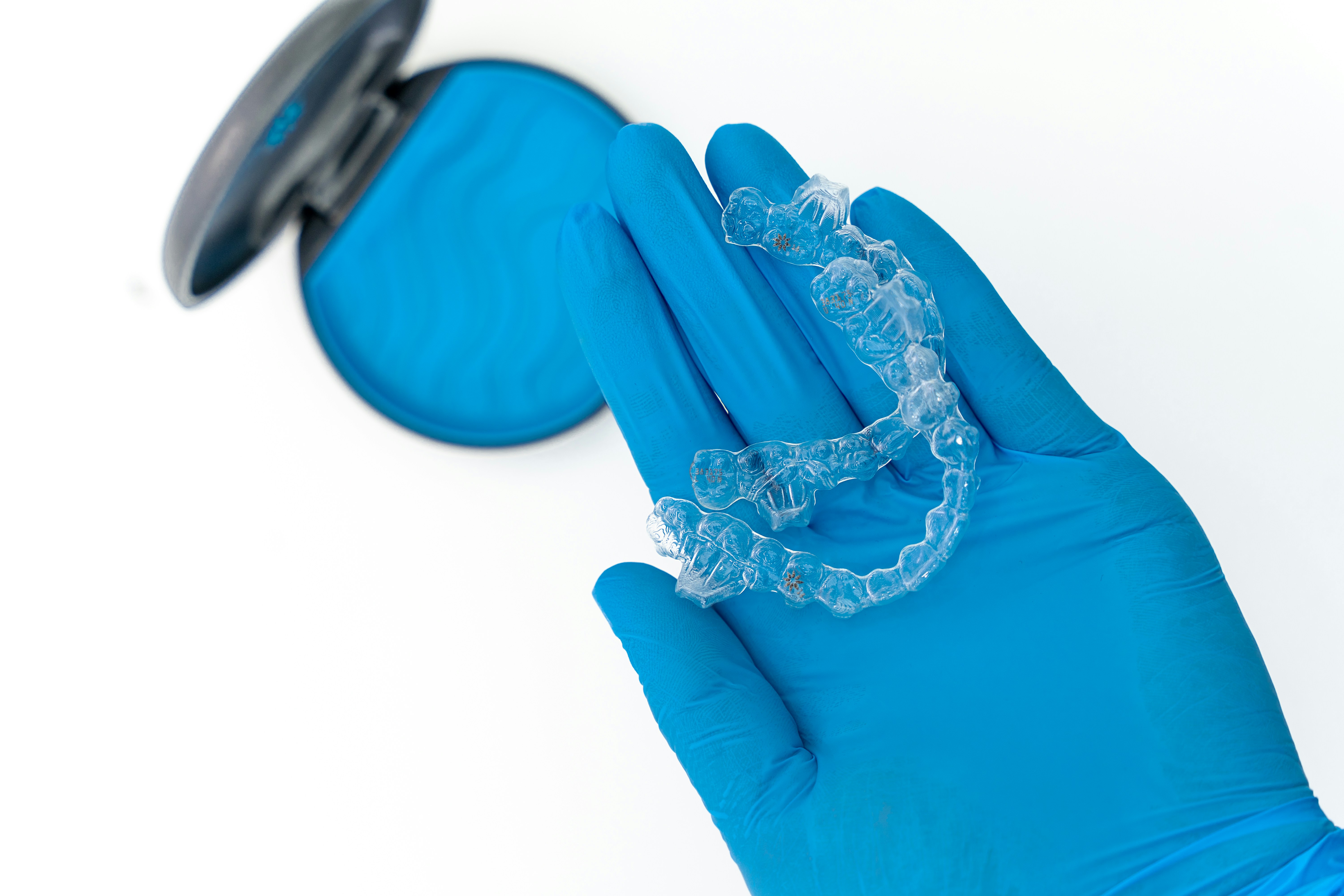
A night guard, also known as an occlusal splint, is a dental appliance typically worn during sleep to protect the teeth from damage caused by bruxism, a condition characterized by involuntary grinding or clenching of the teeth. This protective device serves multiple purposes in maintaining dental health, primarily by absorbing the forces exerted during grinding, thereby preventing wear and tear on the teeth and alleviating associated muscle strain and discomfort. The use of a night guard can significantly reduce the risk of oral health issues linked to excessive grinding, such as tooth sensitivity, jaw pain, and headaches.
Bruxism often results from various factors, including stress, dental misalignment, and sleep disorders, making it essential for individuals experiencing these issues to consider a night guard as part of their dental care regimen. Clinicians often recommend this device not only for its protective benefits but also for its potential to improve sleep quality and overall well-being.
There are several types of night guards available on the market, catering to different needs and preferences. The two primary categories are custom-fitted and over-the-counter options. Custom-fitted night guards are professionally designed and manufactured based on impressions taken from the patient’s teeth, ensuring a snug fit and maximum effectiveness. These guards typically provide superior comfort and durability, as they are tailored to meet individual requirements. On the other hand, over-the-counter options, while more accessible and affordable, may not offer the same level of customization, which can affect their performance and user satisfaction.
It is important for individuals considering a night guard to consult with a dental professional, who can provide personalized recommendations and advise on the appropriate dental code for night guard adjustment to ensure the best care and outcomes.
The Importance of Adjustments
Adjustments to night guards play a vital role in ensuring patient comfort and the effectiveness of the appliance. Night guards are designed to protect teeth from grinding and clenching, conditions known as bruxism, but an ill-fitting guard can lead to a range of complications. When a night guard does not fit properly, it may cause discomfort, pain, or even exacerbate existing dental issues. This highlights the significance of understanding the dental code for night guard adjustment, as it serves as a guideline for addressing these fitting-related challenges.
Several potential issues may arise from an ill-fitting night guard. Patients frequently report jaw pain, sore gums, or headaches after prolonged use, which can hinder their ability to sleep soundly. Additionally, a misaligned night guard can adversely affect a patient’s bite, leading to further complications such as temporomandibular joint (TMJ) disorders. Recognizing these signs early can prevent significant dental problems down the line, emphasizing the need for timely adjustments.
Common indicators that a patient might require an adjustment include persistent discomfort, difficulty in breathing while wearing the guard, or a feeling of tightness or pressure in the jaw. Dentists often employ the dental code for night guard adjustment during routine check-ups to assess the fit and functionality of the appliance. It is essential that patients communicate any discomfort with their dental care providers, ensuring that appropriate modifications can be made. Proper adjustments not only enhance the effectiveness of the night guard but also play a critical role in maintaining overall dental health and preventing further issues.
In conclusion, ensuring that night guards fit correctly is crucial for patient comfort and health. Regular monitoring and adjustments, guided by dental codes, are key to preventing long-term complications and ensuring that the night guard serves its intended purpose effectively.
Dental Codes for Night Guard Adjustments
The application of dental codes is crucial in the field of dentistry, particularly when it comes to adjustments for night guards. Night guards, also known as occlusal splints or dental night guards, are dental devices used to protect teeth from grinding or clenching during sleep. When a patient requires an adjustment, specific dental codes come into play to ensure proper documentation and billing practices.
One of the primary codes used for night guard adjustments is the code D8692. This code refers to the “Replacement of lost or broken retainer” which can also pertain to adjustments on existing night guards that are damaged due to wear and tear. Additionally, D9986 is relevant for “Adjustment of a removable prosthesis,” specifically indicating modifications made to night guards to enhance their fit or comfort. These codes are essential not only for billing but also for maintaining accurate patient records, thus ensuring continuity of care.
Moreover, knowing when to apply these codes is important for dental professionals. Adjustments are warranted in cases where the night guard is no longer fitting as intended, leading to discomfort or inadequate protection. For instance, if a patient reports soreness or increased grinding despite using their night guard, a thorough evaluation may necessitate a code application for adjustment. Proper usage of dental codes for these adjustments allows dentists to track treatment efficacy and patient satisfaction effectively.
In conclusion, understanding the specific dental codes associated with night guard adjustments is paramount for both practitioners and patients. These codes serve as a standardized communication tool within dental practice, ensuring that both the clinical and financial aspects of patient care are handled efficiently. By accurately applying these codes, dental professionals can facilitate better treatment outcomes and streamline administrative processes.
The Procedure of Adjusting a Night Guard
Adjusting a night guard is a crucial procedure that requires careful attention to detail, ensuring both fit and functionality for the patient. Typically, the process begins with a comprehensive consultation between the dental practitioner and the patient. During this consultation, the dentist will discuss any discomfort the patient may be experiencing and will assess the overall effectiveness of the night guard. This initial step is vital as it allows the practitioner to understand the specific needs of the patient and any modifications required.
Once the assessment is complete, the dentist utilizes a series of specialized tools to make precise adjustments to the night guard. Commonly employed instruments include dental burs, cutters, and polishing devices, which facilitate the shaping and smoothing of the appliance. These tools are essential in ensuring that the dental code for night guard adjustment is adhered to, allowing for an optimal fit for the patient’s dental anatomy. By carefully removing material from specific areas of the night guard, the dentist aims to alleviate pressure points and enhance comfort while maintaining its protective capabilities.
Throughout the procedure, hygienic practices are paramount. The dentist ensures that all instruments used are sanitized and that the working environment is clean to prevent any risk of infection. Additionally, the night guard itself is often cleaned thoroughly before adjustments are made. After adjustments are completed, the dentist will check the fit, sometimes asking the patient to try the guard on and provide feedback during the session. This interactive process not only helps in achieving a successful outcome but also fosters patient satisfaction. After confirming that the night guard fits comfortably, the dentist will provide instructions for proper use and care, reassuring the patient about their night guard’s efficacy in providing necessary dental protection.
Insurance and Coverage for Adjustments
Navigating insurance coverage for dental services can often be a complex process, particularly when it comes to adjustments for night guards. When patients receive a night guard to protect their teeth from grinding or clenching, they might not always consider the necessity of subsequent adjustments. Understanding dental codes for night guard adjustment is critical to ensure that insurance claims are processed correctly. These codes help clearly convey the services provided to the insurance company and facilitate reimbursement for these necessary adjustments.
To initiate a claim, healthcare providers must utilize the appropriate dental code for night guard adjustment within the insurance documentation. This code typically corresponds to the specific procedure or adjustment applied during the patient’s visit. It is crucial for both providers and patients to collaborate closely on this process. Often, insurance companies will require detailed information about the treatment justification, duration, and any issues that warranted the adjustment. Clear communication between the patient and provider regarding the need for adjustment can significantly impact the success of the claim.
Insurance reimbursements may vary based on providers’ contracts, specific coverage plans, and the patient’s individual circumstances. While some insurance policies might fully cover the expenses associated with dental adjustments for night guards, others may only provide partial reimbursement or exclude certain types of adjustments altogether. Patients should carefully review their insurance policy details to identify coverage limitations and potential out-of-pocket costs.
It is advisable for patients to contact their insurance company before scheduling adjustments to clarify coverage. Providing comprehensive documentation from the dental professional regarding the necessity of adjustments can streamline the claim approval process. Moreover, healthcare providers must remain vigilant about keeping abreast of regulations and coding changes related to night guard adjustments to ensure accurate and efficient billing. By being informed and proactive, both patients and providers can tackle the potential challenges associated with insurance claims related to dental codes for night guard adjustments successfully.
Patient Education and Follow-Up
Effective patient education is vital for the successful use of night guards, particularly following any adjustments. After receiving modifications to their dental appliances, patients should be made aware of certain expectations. It is common for individuals to experience temporary sensations, including slight discomfort or pressure against their teeth. Understanding that these feelings are normal can alleviate anxiety and encourage continued use of the night guard. Typically, any adjustment period should not extend beyond a few nights; if discomfort persists, patients are encouraged to reach out for further evaluation and possible adjustments using the appropriate dental code for night guard adjustment.
Proper care for night guards is another essential aspect of patient education. Patients should be instructed to clean their night guards daily with mild soap and water, ensuring they avoid harsh chemicals that could degrade the material. Additionally, patients should be advised to store their night guards in a protective case when not in use to prevent damage or contamination. This preventative maintenance will prolong the life of the appliance, ensuring that it remains effective and comfortable. Moreover, recognizing signs of wear or distortion early can lead to more straightforward adjustments down the line.
Scheduling follow-up appointments is also crucial for ensuring the long-term efficacy of night guards. Patients should adhere to their dentist’s recommendations regarding follow-up visits, which may be set at intervals ranging from several weeks to a few months after the initial fitting and adjustments. These sessions allow the dental professional to evaluate how the appliance is functioning and make necessary refinements. Prompt follow-ups can identify any emerging issues and facilitate timely adjustments, which may rely on the dental code for night guard adjustment. This proactive approach supports better oral health outcomes and enhances patient comfort.
Best Practices for Dental Professionals
When it comes to prescribing night guards, dental professionals must adhere to a series of best practices that ensure optimal patient care and the efficacy of the treatment. One of the most critical practices is the maintenance of detailed patient records. Accurate documentation not only assists in tracking the patient’s treatment journey but also provides invaluable insights when adjustments are necessary. This documentation should include the rationale for prescribing a night guard, the dental code for night guard adjustment, and any patient-specific considerations that influence the treatment plan.
Effective communication is another cornerstone of best practices in dental care. Dental professionals should take the time to explain the purpose of the night guard and how it can alleviate specific dental issues, such as bruxism or temporomandibular joint disorders. This conversational approach can build trust and encourage patients to voice any concerns or questions they may have regarding the device. Additionally, ensuring that patients understand the adjustment process is crucial. Clear instructions on how to use and care for the night guard can significantly impact patient compliance and satisfaction.
Moreover, staying updated with the latest guidelines and dental codes is essential for all dental practitioners. The dental code for night guard adjustment, along with the associated procedures, may evolve, and professionals should ensure they are familiar with current codes and practices. Knowledge of these standards not only enhances service quality but also protects against errors in billing and adjustments. Regular training sessions, seminars, and continued education can play a pivotal role in ensuring that dental professionals are well-versed in the ins and outs of prescribing and adjusting night guards.
By integrating detailed documentation, effective communication, and adherence to current guidelines, dental professionals can elevate the standard of care in their practice, fostering a better therapeutic environment for their patients.
Conclusion
In the realm of dental care, understanding the various coding practices, especially concerning dental codes for night guard adjustments, is imperative for professionals in the field. The use of specific codes not only facilitates smoother transactions between dental practitioners and insurance providers but also ensures that patients receive the appropriate level of care without unnecessary delays. By effectively using dental codes relevant to night guard adjustments, dental professionals can enhance the accuracy of billing processes, which ultimately translates to improved patient satisfaction.
As clinicians navigate their daily practices, they should prioritize staying informed about coding updates and best practices. Dental codes can evolve, reflecting changes in treatment methodologies or insurance coverage stipulations, making continuous education and awareness vital. This dedication to understanding the nuances of coding can empower dentists to advocate for their patients effectively, ensuring that night guard adjustments are recognized and reimbursed appropriately by insurance entities.
Moreover, consistent engagement with dental coding resources, such as industry publications and professional associations, can equip dental practitioners with the necessary knowledge to optimize their services. Being proactive in understanding codes related to night guard adjustments fosters a stronger practice and affirms a commitment to quality patient care. Ultimately, the meticulous application of dental codes not only benefits practitioners but enhances the overall patient experience, reinforcing confidence in the treatment provided. Thus, a concerted effort to comprehend and implement the correct codes for night guard adjustments is essential in delivering excellent dental care.
