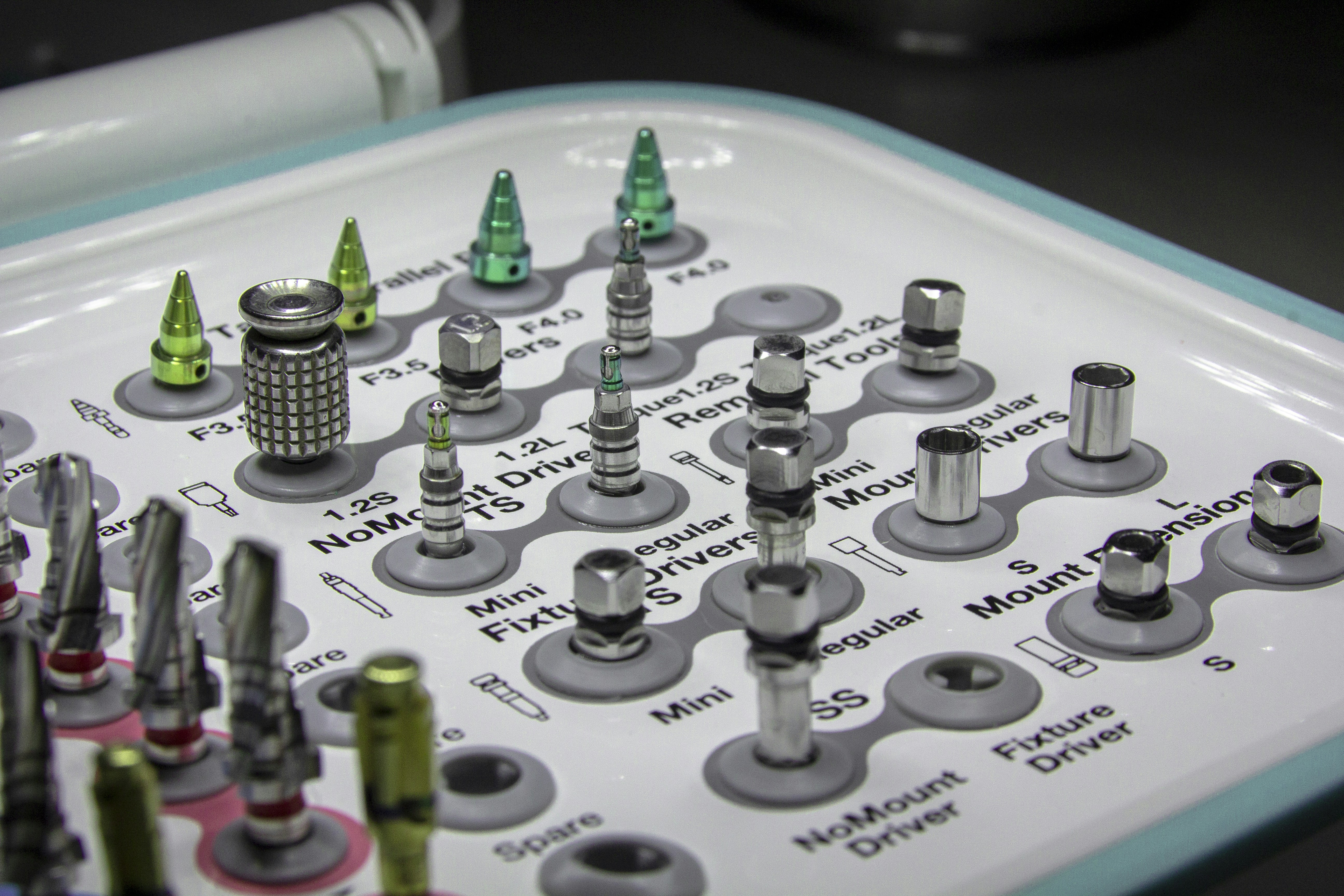
Introduction to Bone Grafting in Dentistry
Bone grafting plays a critical role in contemporary dental practices, particularly in scenarios following tooth extractions. The primary intent of a bone graft is to facilitate proper healing and to stimulate new bone formation, ensuring that there is adequate support for future dental implants. When teeth are extracted, the surrounding jawbone may begin to resorb, or diminish, which can compromise the stability of anticipated implants. Therefore, dental professionals often employ bone grafting techniques to preserve bone structure and enhance the chances of successful implant integration.
There are several circumstances that necessitate the use of bone grafting in dentistry. Apart from the natural process of bone resorption that arises after extractions, bone grafting is also vital for patients who may have experienced trauma or disease that has affected their jawbone density. The integration of a bone graft can create a more favorable environment for dental implants, offering the requisite foundation for the artificial root structure. This is crucial, as the success of an implant often hinges on the quality and quantity of the supporting bone.
Common types of bone grafting procedures include autografts, allografts, xenografts, and alloplasts. An autograft involves using the patient’s own bone, often harvested from another part of the mouth, while allografts utilize bone sourced from human donors. Xenografts involve non-human bone materials, typically derived from bovine sources, whereas alloplasts consist of synthetic bone materials. Each of these methods has unique applications and might be selected based on specific patient needs, desired outcomes, and the dentist’s preference. Understanding the various bone grafting options is essential for patients to make informed decisions about their dental health, particularly in relation to any upcoming extraction or implant procedures.
The Importance of Dental Codes
In the realm of dentistry, the significance of dental codes cannot be overstated. These codes serve as the backbone of accurate billing practices and efficient record-keeping, particularly when procedures such as bone grafting or tooth extraction are involved. Correctly utilizing the bone graft dental code with extraction is essential for ensuring that dental professionals receive appropriate compensation for their services, as well as maintaining compliance with insurance providers.
Dental codes are also pivotal in facilitating communication between various entities within the healthcare system. They provide a universal language for dentists, insurance companies, and regulatory bodies, streamlining the process of claims submission and processing. When a dental professional incorporates the right code, such as the bone graft dental code with extraction, it minimizes the likelihood of claim denials and delays, ultimately benefiting both the clinician and the patient.
Moreover, accurate documentation is crucial for maintaining patient records and ensuring that treatments are well-documented. Dental codes allow professionals to track the different procedures performed over time, which can be vital for patient follow-up care and treatment planning. For instance, if a patient requires a subsequent bone graft after an extraction, having a precise record linked to the correct dental code can aid in efficiently planning future interventions.
The implications of utilizing accurate dental codes extend beyond administrative efficiency; they also have clinical repercussions. Miscoding can lead to misunderstandings regarding treatments and services provided, which can affect patient safety and care outcomes. Furthermore, proper coding practices help uphold the integrity of the healthcare system, ensuring that services are reimbursed fairly and transparently.
In conclusion, dental codes play a crucial role in the effective functioning of dental practices, particularly when it comes to procedures like bone grafting and extractions. By understanding and utilizing these codes correctly, dental professionals can enhance their operational efficiency, ensure proper documentation, and ultimately improve patient care and service delivery.
Overview of Bone Graft Codes
Bone grafting is a crucial procedure in dental care, often necessary for patients needing implants or major restorations. Dental codes, specifically the Current Dental Terminology (CDT) codes, are assigned to various procedures to facilitate billing and insurance claims. Among these, several codes directly pertain to bone grafting associated with extraction procedures.
One of the prominent codes is D7951, which pertains to a sinus lift procedure. This code is applicable when a graft is placed in the maxillary sinus to create adequate bone height for the placement of dental implants. It is vital for practitioners to use this code correctly, as it specifically addresses cases that require elevation of the sinus membrane and subsequent bone grafting.
Another significant code is D7952, which relates to bone grafting in conjunction with a dental implant. This code is relevant when a graft is required to provide a stable foundation for the implant, especially in scenarios where bone loss has occurred due to previous extractions or periodontal disease. The correct application of this code allows practitioners to accurately bill for the complexity and the additional materials used in conjunction with the implant procedure.
Understanding the nuances of these codes is essential not only for proper billing but also for ensuring adequate patient care. The complexities surrounding bone graft dental codes with extraction scenarios can result in confusion, particularly in distinguishing when each code is appropriate. Moreover, it is important to stay updated on coding guidelines, as errors in coding can lead to insurance denials or delays in treatment follow-ups.
Ultimately, familiarity with specific bone graft codes can significantly enhance the efficiency of dental practices and ensure that patients receive appropriate interventions with proper documentation.
Bone Grafting During Tooth Extraction: The Need for Codes
Bone grafting is a crucial procedure often undertaken during or following tooth extraction, particularly when there is a risk of significant bone loss. Tooth extractions can lead to the resorption of the surrounding bone, which may compromise future dental procedures, such as implant placements. Therefore, understanding and appropriately coding for bone grafts performed in conjunction with extractions is essential for both the dental provider and the patient. This coding ensures that all aspects of the treatment plan are captured accurately, allowing for proper reimbursement and treatment documentation.
When a tooth is extracted, the supporting bone that once held the tooth in place begins to diminish over time, leading to potential complications in the future. In response to this physiological change, dentists may recommend a bone graft to maintain the integrity of the jawbone and facilitate options for future dental implants or prosthetics. The codes used to document these procedures must reflect both the extraction and the bone grafting, enabling a clear understanding of the treatment rendered. Proper coding captures the nuances of these procedures, ensuring that insurance claims are processed efficiently and accurately.
The coding for both tooth extraction and bone grafting requires a thorough understanding of the relevant dental codes. The bone graft dental code with extraction must be utilized correctly to indicate that these procedures were performed in tandem. This clarity aids in preventing any potential billing issues and ensures that patients receive appropriate coverage for their treatment. Furthermore, utilizing the correct codes contributes to constructing a detailed and systematic treatment plan, which can enhance the overall patient care experience. Therefore, attention to detail in coding should not be overlooked, as it plays an integral role in successful outcomes in dentistry.
Best Practices for Coding Bone Grafts with Extractions
Coding bone grafts associated with extractions can present challenges for dental professionals. To ensure accuracy in the coding process, it is essential to adhere to best practices that not only enhance efficiency but also minimize the risk of claims denials. First and foremost, practitioners should be familiar with the relevant codes and guidelines established by the American Dental Association (ADA) and other regulatory bodies. This understanding will enable the correct application of the bone graft dental code with extraction procedures.
Documentation is a critical component of the coding process. Dental professionals must ensure that the patient’s treatment records comprehensively document the extraction procedure and the necessity of the bone graft. Clear notes detailing the reasons for the bone graft, the exact procedures performed, and any complications that may arise will support the chosen coding and improve the likelihood of successful claims. Additionally, photographs or radiographs may be beneficial in providing supplemental evidence for billing purposes.
Another important practice is to avoid common coding errors. One prevalent mistake is failing to differentiate between a simple extraction and a more complicated procedure. When coding bone grafts with extraction, it is crucial to reflect the complexity of the procedure through accurate coding. Furthermore, avoid using outdated codes or codes that do not align with the specific services provided. Regularly updating coding knowledge through continuing education and resources can help mitigate these issues.
Finally, consider implementing a team approach to coding practices. Collaboration among dental assistants, hygienists, and billing departments ensures a comprehensive understanding of the procedures and their codes. Open communication among team members can highlight potential discrepancies and promote accuracy. In conclusion, by following these best practices, dental professionals can effectively code bone graft procedures associated with extractions, resulting in improved billing efficiency and reduced claims denials.
Billing Procedures and Insurance Considerations
Understanding the billing procedures associated with bone graft dental code with extraction is essential for both dental professionals and patients. The integration of coding with billing practices underlies the financial transactions that occur in dental care, particularly when bone grafting is involved to facilitate recovery following teeth extractions. Accurate coding ensures that the services rendered are appropriately documented, which significantly impacts reimbursement rates from insurance providers.
When a dental procedure, such as a bone graft, is performed in conjunction with an extraction, the dentist must utilize the correct dental codes. These codes enable clear communication with insurance companies and are vital for the processing of claims. Each procedure has a specific code that reflects the complexity and nature of the treatment. Dentists are encouraged to familiarize themselves with the American Dental Association (ADA) codes related to bone grafting and extractions to ensure billing accuracy and to maximize potential reimbursement.
One common challenge faced in this realm is the variability in insurance coverage for bone grafting procedures. Some plans may cover these services while others may impose limitations or exclusions based on their policies. To navigate these challenges, it is beneficial for dental practices to engage in proactive communication with insurers regarding the necessity of bone grafts in conjunction with extraction services. Presenting a well-documented case, including clinical notes and pre-operative assessments, can enhance the chances of an approved claim.
Utilizing pre-authorization whenever possible is another strategy that can help ensure services are covered before they are performed. Practices may also find it advantageous to offer patients a clear breakdown of their expected costs and insurance benefits, fostering transparency and trust. Overall, being well-versed in the structure of insurance claims related to bone graft dental code with extraction can significantly enhance a practice’s financial stability and patient satisfaction.
The Role of Documentation in Bone Grafting Codes
Effective documentation is paramount in the realm of bone grafting procedures, particularly when these are executed in conjunction with extractions. Accurate and comprehensive documentation not only facilitates seamless procedural execution but also plays a crucial role in ensuring appropriate coding under the bone graft dental code associated with extraction. This helps substantiate claims made to insurers and ensures compliance with legal standards.
Clinicians should begin with detailed clinical notes that encapsulate the rationale for the bone graft, the type of grafting material used, and the specific extraction performed. These notes should be clear, concisely describing the patient’s diagnosis, treatment plan, and any pertinent medical history that could influence the procedure. Such comprehensive records are vital as they provide the necessary context to the treatment and support coding accuracy.
Additionally, consent forms are another critical component of documentation. These forms should articulate the risks, benefits, and alternatives available to the patient regarding both the extraction and the bone grafting procedure. Ensuring that these consent forms are thoroughly completed and signed protects both the patient and the practitioner, as they can serve as legal evidence of the patient’s understanding and agreement to the procedure.
Furthermore, all documentation should be maintained in a manner that allows for easy retrieval during audits or reviews. This includes ensuring electronic records are well-organized and physical records are securely stored. Proper documentation ultimately influences billing outcomes; with accurate records, the coding of procedures will reflect their complexity, reducing the likelihood of denials or audits by insurance providers.
Ultimately, effective documentation acts as the backbone of successful claim submissions and legal compliance in bone grafting procedures involving extraction. The adherence to meticulous record-keeping cannot be overstated, as it is essential for achieving coding accuracy and upholding professional standards within dental practice.
Common Challenges and Solutions in Coding
Coding for bone graft procedures associated with extractions presents several challenges for dental professionals. One significant issue is the ever-changing landscape of dental codes. The codes related to bone grafts can frequently be updated, rendering previous coding practices obsolete. This necessitates continuous education and training for dental staff to ensure compliance and correct billing. Dental professionals must regularly consult resources such as the American Dental Association (ADA) to stay informed on any updates to the bone graft dental code with extraction, as well as other related procedures.
Another challenge arises from the variances in insurance plans. Different insurance companies often have different interpretations of procedures and how they should be coded, leading to inconsistencies in reimbursement. For example, one insurance provider might cover specific bone graft procedures while another may not recognize them at all. This inconsistency can lead to confusion and financial losses for dental practices. To navigate this challenge, it is advisable for dental professionals to develop a thorough understanding of the policies of the insurance providers they frequently work with, including the specific bone graft codes and their descriptions that are deemed acceptable.
Moreover, ambiguities in procedure descriptions can often plague the coding process. When descriptions of procedures are not clear, this can result in incorrect coding and subsequently denials of claims. It is crucial for practitioners to be precise when coding. One solution to this issue is implementing a systematic approach that involves utilizing detailed documentation during the patient treatment process. Clear and comprehensive notes regarding the procedure performed, along with any necessary justifications, can help bridge the gap in understanding how to aptly apply the correct bone graft dental code with extraction.
Conclusion and Future Perspectives
In the realm of dental procedures, understanding the various aspects of bone graft dental codes alongside extraction is crucial for both practitioners and patients. Throughout this comprehensive guide, we have examined the significance of dental coding in the context of bone grafting, outlining the specific codes associated with these procedures. Mastering the bone graft dental code with extraction ensures accurate billing, enhances patient care, and maintains compliance with regulatory standards.
As the field of dentistry continues to evolve, so too do the coding systems that govern billing and documentation practices. Future developments in bone graft coding may include the introduction of more nuanced codes that reflect the various materials and techniques used in bone grafting procedures. As dental technology advances and new methods are adopted, it is imperative for dental professionals to stay informed about these changes to effectively integrate them into their practice. Enhanced coding not only aids in precise billing but also contributes to better treatment outcomes by fostering clearer communication among providers regarding the specifics of each patient’s care.
To navigate the complexities of dental coding effectively, ongoing education is essential. Dental professionals must actively seek to expand their knowledge and understanding of coding practices, including staying updated on any regulatory changes and attending workshops or seminars designed for this purpose. By doing so, they not only facilitate smoother operations within their practices but also ensure that their patients receive the highest standard of care during bone graft procedures. This commitment to learning will ultimately enhance professional competency and foster a more efficient healthcare environment.

