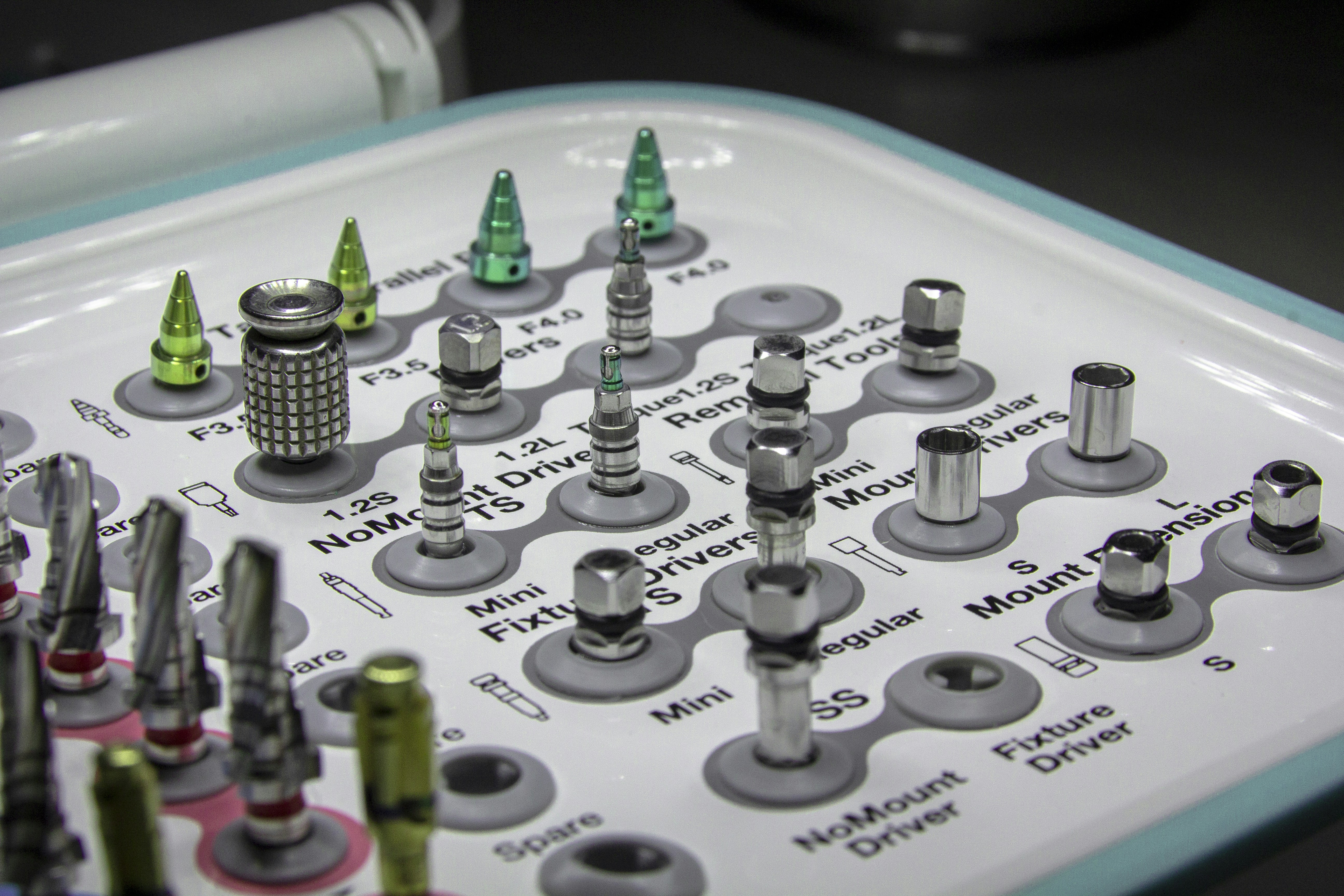
Introduction to Dental Implants
Dental implants have emerged as a leading solution for individuals experiencing tooth loss due to decay, injury, or other dental issues. They serve the dual purpose of restoring both functionality and aesthetics, ultimately enhancing a patient’s quality of life. The primary objective of a dental implant is to provide a stable foundation for artificial teeth, enabling individuals to eat, speak, and smile confidently.
The benefits of dental implants extend beyond mere cosmetic enhancement. Unlike traditional dentures or bridges, dental implants are designed to integrate with the jawbone, offering superior stability and durability. This integration provides a sense of permanence and reduces the risk of bone loss, a common concern following tooth extraction. Additionally, patients with dental implants often report improved comfort, as the artificial teeth do not shift or cause discomfort in the way removable dental appliances might.
The typical procedure for placing dental implants involves several stages, beginning with a thorough assessment of the patient’s oral health. This is crucial for determining the appropriate treatment plan. During the initial consultation, imaging techniques may be employed to evaluate the jawbone’s structure and density. Once the planning phase is complete, the surgical aspect can commence, which usually involves the placement of a titanium post into the jaw. This post acts as the artificial root and will eventually support the crown, which is the visible part of the dental implant.
In cases where additional support is necessary, a dental implant surgical guide may be employed, which facilitates precise placement of the implant during surgery. The proper coding of these procedures is essential in dental practice management, with specific CDT codes assigned to various stages of the process. Understanding the associated dental implant surgical guide CDT codes can aid in the efficient documentation and billing of these procedures, ensuring smooth operations within dental practices.
What is a Surgical Guide?
A surgical guide is an essential tool in the field of dental implantology. It is a custom-made template designed to enhance the precision and predictability of dental implant placements. The purpose of the surgical guide is to direct the surgical instruments during the implantation process, thereby ensuring that the implants are positioned accurately in accordance with the treatment plan. This level of precision is crucial as it directly influences the success of the implant and the overall satisfaction of the patient.
The creation of a surgical guide typically involves advanced imaging techniques, such as cone beam computed tomography (CBCT), which provide detailed three-dimensional views of the patient’s dental anatomy. From these images, dental professionals can develop a comprehensive treatment plan that takes into account the bone density, existing teeth, and other anatomical considerations. The surgical guide can be digitally designed using CAD/CAM technologies and can be printed using 3D printing technology, allowing for a high degree of customization based on each patient’s unique dental structure.
In addition to improving accuracy, the utilization of a surgical guide significantly minimizes surgical risks. By providing clear guidance on the angle, depth, and placement of the implants, these guides help prevent complications such as damage to neighboring teeth or nerves. Furthermore, the integration of dental implant surgical guide CDT codes into the practice enhances communication and billing processes, ensuring that appropriate measures are taken for insurance and documentation purposes. With the implementation of surgical guides, practitioners can achieve better outcomes, leading to increased confidence in their procedures and higher satisfaction rates among patients.
Understanding CDT Codes
CDT, or Current Dental Terminology, codes are an essential component of the dental field, serving as a standardized coding system for various dental procedures and services. These codes are developed by the American Dental Association (ADA) and are periodically updated to reflect changes in dental practice and technology. The primary purpose of CDT codes is to facilitate uniform communication among dental professionals, ensuring that everyone involved in patient care can accurately discuss diagnoses, treatments, and procedures without the ambiguity that can sometimes arise from colloquial terminology.
In practical terms, CDT codes allow for organized categorization of dental procedures, ranging from basic examinations to complex surgical interventions, including dental implant procedures. For instance, when performing a dental implant surgery, dental professionals will reference specific CDT codes that pertain to the surgical guide employed in the procedure, which aids in ensuring precise and effective treatment planning. This standardization ultimately aids not only in clinical discussions but also in the billing processes.
Moreover, the use of CDT codes streamlines insurance processing, allowing for accurate claims submissions and expediting reimbursement for dental services rendered. Dental practices use these codes to classify treatments and procedures on invoices, which insurance companies require for determining coverage. In this way, CDT codes form an integral part of the operational framework of dental practices, ensuring that patient care is both efficient and effective while also meeting regulatory and billing requirements.
Overall, a thorough understanding of CDT codes is critical for dental professionals, as it supports best practices in clinical communication and fosters smoother interactions with insurance providers. As such, knowledge of the relevant dental implant surgical guide CDT codes is vital for ensuring accurate treatment documentation and billing compliance.
CDT Codes for Dental Implant Surgical Guides
The Current Dental Terminology (CDT) codes are vital for dental professionals involved in implant procedures, particularly when it comes to surgical guides. Understanding the specific CDT codes related to surgical guides is crucial for accurate documentation and appropriate billing practices. These codes help in categorizing dental procedures, ensuring that insurance reimbursements are processed efficiently.
Among the set of CDT codes, the designated code for surgical guides is ojectively noted as D7240. This code typically refers to the fabrication of a surgical guide used to assist in precise implant placement. The importance of this code cannot be overstated, as it not only facilitates the documentation of the service provided but also serves as a crucial tool in secure billing. Accurate use of this code ensures that dental practices receive fair compensation for their work, while also aiding in transparent communication with patients regarding treatment costs.
Another relevant code that dental professionals may utilize is D9450, which often relates to treatment planning services leading up to the surgical guide creation. This code encompasses the comprehensive strategies involved in planning the implants, which is integral for ensuring successful patient outcomes. Additionally, enticing the correct CDT codes in documentation reaffirms the legal and professional standards adhered to in the dental field, safeguarding practices from potential disputes or denial of claims by insurance providers.
In summary, the comprehension of CDT codes related to dental implant surgical guides is essential for dental practitioners. These codes not only streamline the billing and documentation processes, but they also contribute to the overall operational efficiency of dental practices. A thorough understanding of these codes ensures that both practitioners and patients can navigate the complexities of dental implant procedures with ease.
The Role of Surgical Guides in Treatment Planning
Surgical guides play a crucial role in the effective treatment planning of dental implants, ensuring a high level of precision and predictability in the placement of the implants. These guides are instrumental in facilitating pre-surgical assessments, which include the analysis of anatomical structures and the evaluation of bone quality. By obtaining accurate imaging data, such as cone beam computed tomography (CBCT), clinicians can gain a comprehensive understanding of the patient’s unique dental anatomy. This imaging allows for the identification of critical landmarks and helps in determining the ideal location for implant placement.
Utilizing advanced 3D planning software, dental professionals can create a tailored surgical guide that reflects the precise placement of the implant according to the individual patient’s needs. The surgical guide assists in transferring this virtual plan to the actual clinical setting, minimizing the potential for human error during the surgical procedure. This level of accuracy is particularly significant in cases where bone density is compromised or when implants are placed in aesthetic regions, as it directly impacts both the functionality and visual outcome.
The integration of a dental implant surgical guide CDT code into the treatment planning process not only streamlines communication among the dental team but also aids in the documentation and billing processes. Surgical guides enhance the predictability of the outcome and contribute to informed consent, as patients can visualize how their treatment will proceed through generated models and simulations. Overall, the use of surgical guides in treatment planning reinforces the effectiveness of dental implant procedures by ensuring a structured approach that prioritizes precision and patient safety.
Benefits of Using Surgical Guides in Implant Dentistry
The utilization of surgical guides in implant dentistry has revolutionized the way dental implant surgeries are conducted. A significant advantage of employing these guides is the reduction in surgical time. By providing precise mapping for implant placement, surgical guides ensure that the procedure can be carried out efficiently. As a result, dental professionals minimize the time patients spend in the dental chair, which not only benefits the practitioner but enhances patient comfort. This optimized workflow is particularly crucial in busy dental practices where appointment slots can be limited.
Another key benefit of surgical guides is the enhanced accuracy in the placement of dental implants. Utilizing a dental implant surgical guide CDT code can help clarify communication among dental professionals regarding the specific procedural requirements. These guides facilitate a more predictable implant positioning, which is essential for long-term success. Accurate implant placement plays a pivotal role in achieving optimal aesthetic and functional outcomes, as it directly affects the surrounding bone and soft tissue anatomy.
Moreover, the use of surgical guides significantly reduces postoperative complications. When implants are placed accurately, the risk of adverse effects, such as implant failure or adjacent tooth damage, is minimized. This contributes to an overall better healing process for patients, with fewer instances of inflammation or infection at the surgical site. Lastly, an important aspect of patient satisfaction is met through the use of surgical guides. Patients often appreciate the fact that their treatment is based on highly precise techniques, which instills confidence in the dental process. The combination of reduced surgery time, increased accuracy, and fewer complications leads to a more positive experience for patients undergoing dental implant procedures.
Challenges and Limitations of Surgical Guides
The use of dental implant surgical guides in the field of dentistry has become increasingly prevalent due to their precision and ability to enhance the accuracy of implant placement. However, several challenges and limitations can arise during their implementation in clinical settings. One significant challenge involves the cost implications associated with the creation of surgical guides. The process often necessitates advanced imaging technologies and sophisticated software, which can lead to increased expenses for dental practices. Consequently, these costs may be passed onto patients, potentially limiting access to this beneficial technology for some individuals.
Accurate imaging is another critical factor in the efficacy of dental implant surgical guides. To ensure the proper placement of implants, high-quality imaging such as Cone Beam Computed Tomography (CBCT) is essential. However, not all dental offices have access to such advanced imaging solutions, which can hinder the ability to produce precise surgical guides. Inaccurate imaging can lead to a misalignment of the implants, resulting in complications that may require further intervention.
Additionally, there is the risk of manufacturing defects associated with surgical guides. Deficiencies in the guide’s fabrication or design may lead to improper positioning of the dental implants, affecting the overall success of the procedure. Such defects could arise from a myriad of factors, including errors in the digital design phase or flaws in the 3D printing process. These issues underscore the importance of diligent quality control measures throughout the guide’s production cycle.
In conclusion, while dental implant surgical guides offer a range of benefits in achieving successful implant placements, dentists must be aware of the associated challenges and limitations, including cost considerations, the necessity for high-quality imaging, and potential manufacturing defects. Addressing these concerns is vital for the effective integration of surgical guides into modern implant dentistry.
Future of Dental Implant Technology
The future of dental implant technology is poised to undergo significant transformations, driven by advancements in various fields, including artificial intelligence (AI) and enhanced imaging techniques. These emerging technologies aim to improve the precision and efficiency of dental procedures, particularly in the creation and application of the dental implant surgical guide CDT code. By integrating AI into the planning stages, clinicians can now leverage machine learning algorithms to analyze extensive data from prior procedures, enabling the prediction of potential complications and facilitating tailored surgical guides for individual patients.
Moreover, enhanced imaging techniques, such as cone beam computed tomography (CBCT), have redefined how practitioners visualize the anatomy of the jaw. Higher-resolution images provide a more accurate representation of bone density and structure, allowing for improved planning of dental implant placements. This is particularly crucial when generating a dental implant surgical guide, as it ensures precise drill paths and minimizes the risk of damaging adjacent anatomy. As these imaging technologies advance, the integration with digital workflows will likely streamline the implant processes further, reducing time and increasing patient safety.
Additionally, the rise of 3D printing is transforming the production of surgical guides and other components necessary for dental implants. Customizable and accurate, 3D printing allows for rapid prototyping of surgical guides tailored to the unique anatomical features of each patient, which has the potential to enhance surgical outcomes significantly. As these technologies continue to evolve, we anticipate a future where a dental implant surgical guide CDT code will seamlessly fit into an interconnected framework of AI-driven diagnostics, state-of-the-art imaging, and rapid prototyping, ultimately reshaping the landscape of implant dentistry.
Conclusion and Key Takeaways
Understanding dental implant surgical guides and their associated CDT codes is vital for dental professionals striving for precision and efficiency in their practices. The CDT code, which stands for Current Dental Terminology, serves as a universal language that aids in identifying and categorizing various dental procedures, including those pertaining to implant surgery. By utilizing the correct CDT codes corresponding to surgical guides, practitioners can streamline their billing processes and enhance communication with insurance providers.
Throughout this blog post, we explored the significance of using a dental implant surgical guide in promoting successful surgical outcomes. These guides provide essential aid in achieving predictable implant placement, improving the patient experience, and minimizing post-operative complications. Beyond the practical application of these guides, we have highlighted the importance of accurately documenting procedures using the correct CDT codes. This ensures compliance with industry standards and upholds the integrity of patient records.
Additionally, we discussed the impact of meticulous planning and the use of advanced technology, including 3D imaging and computer-aided design (CAD), in developing a comprehensive surgical guide. As the landscape of dentistry continues to evolve with technological advancements, the integration of high-quality surgical guides will become increasingly important, enabling practitioners to deliver superior care.
In conclusion, the synergy between dental implant surgical guides and their respective CDT codes cannot be understated. A firm grasp of these components is essential for dental professionals aiming to achieve optimal outcomes in dental implantology. By understanding the nuances of this system, practitioners can ensure that their surgical procedures are not only effective but also efficiently documented, ultimately contributing to the overall success of their dental practices.
