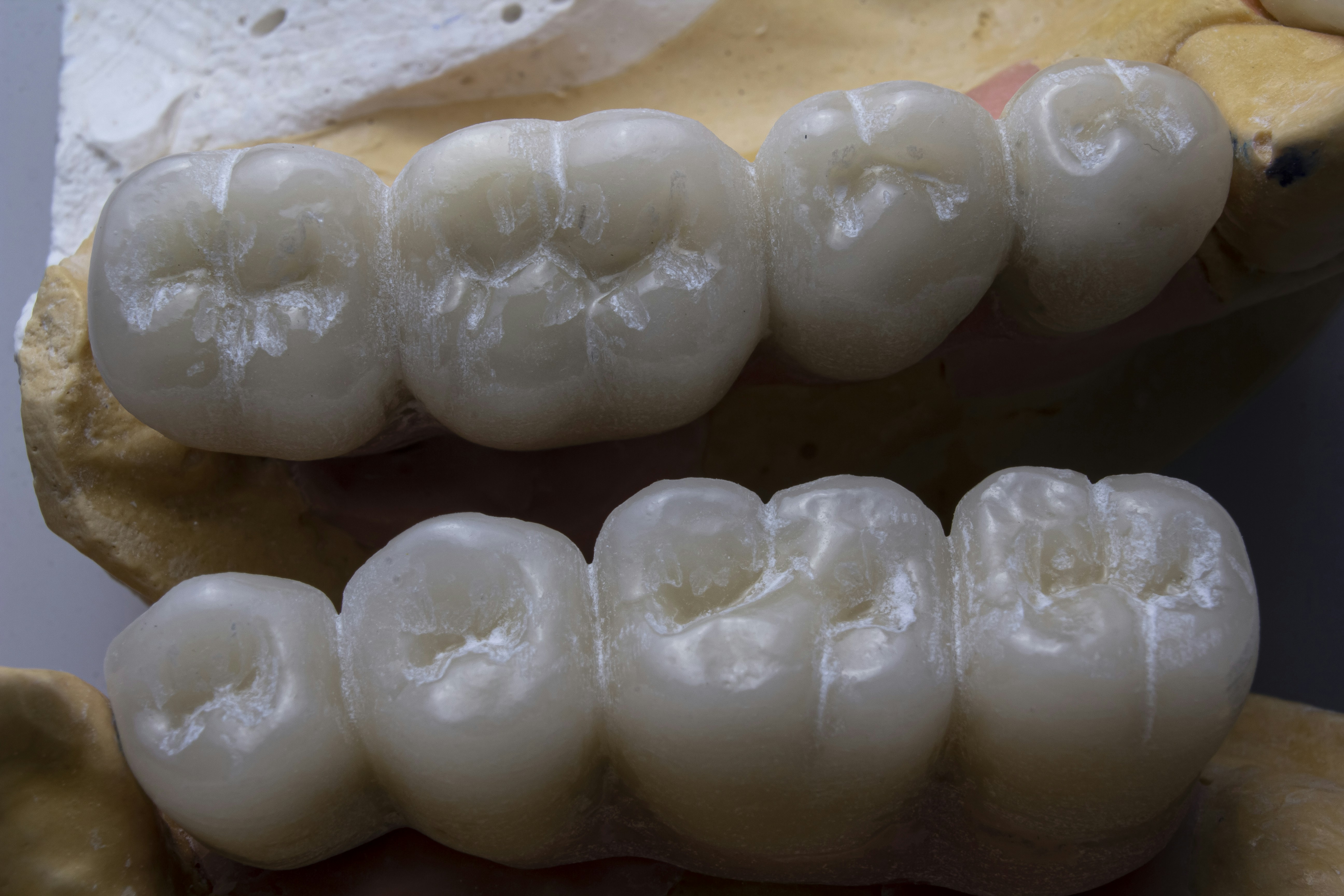
Introduction to Provisional Crowns
Provisional crowns serve as temporary restorations that play a critical role in dental treatments. These crowns are commonly used following procedures such as root canals or tooth extractions, and they are essential in the continuum of care for patients. Specifically, provisional crowns protect the remaining tooth structure and maintain aesthetics while a permanent crown is being fabricated. Their temporary nature means they are designed to last only for a limited period, yet they are vital in ensuring that the patient’s oral health is upheld during this time.
The application of provisional crowns occurs in several dental procedures. For instance, after placing a dental implant, a provisional crown can be fitted while the implant heals and integrates with the jawbone. Similarly, after tooth preparation for a permanent crown, the provisional crown will serve multiple purposes; it prevents sensitivity, retains the position of adjacent teeth, and preserves the overall alignment of the bite. This is particularly important, as misalignment can lead to further complications, including discomfort and additional treatment needs.
While the provisional crown typically mirrors the size and shape of what the final restoration will be, its materials may differ. Commonly, they are made from resin materials or less expensive alternatives that can be shaped quickly. This allows the dentist to offer an aesthetically pleasing solution without compromising on function. Understanding provisional crowns, alongside the recement provisional crown dental code, is essential for both dental professionals and patients, as it ensures clear communication regarding treatment options and expectations, thus leading to better clinical outcomes.
Overview of Dental Coding Systems
Dental coding systems are essential tools that standardize the description of dental procedures and services. In the United States, the Current Dental Terminology (CDT) codes are widely used for this purpose. Developed and maintained by the American Dental Association (ADA), these codes are a set of five-character alphanumeric codes that allow dental professionals to efficiently communicate about various treatments. Each code corresponds to a specific procedure, facilitating a standardized understanding across different stakeholders, including dentists, dental hygienists, and administrative staff.
Accurate dental coding is crucial for various reasons. Firstly, it helps streamline the billing process by ensuring that each procedure is precisely identified. When a dental service is rendered, the corresponding CDT code is submitted to insurance providers for reimbursement. This clarity in communication is vital, as it minimizes the chances of billing errors, leading to quicker processing of claims and payments. Furthermore, it assists patients in understanding the services they receive, along with their associated costs.
The implementation of dental codes helps to establish a common language among dental professionals and between these professionals and insurance companies. For instance, if a dentist performs a procedure involving the placing of a provisional crown, the proper recement provisional crown dental code needs to be utilized to ensure the insurance claim reflects the exact service provided. This precision not only aids in ensuring appropriate remuneration for the dental professional but also assists patients in navigating their insurance benefits effectively.
Overall, understanding the structure and purpose of dental coding systems like CDT codes is imperative for dental professionals. Accurate and efficient coding directly affects billing, claims processing, and the overall delivery of dental care. It is thus essential for professionals in the field to stay updated with any changes in these codes to maintain smooth operational workflows.
Recent Changes to Provisional Crown Codes
In recent years, the field of dentistry has experienced significant advancements, leading to updates in various coding systems, including those pertaining to provisional crowns. The American Dental Association (ADA) periodically revises the Current Dental Terminology (CDT) codes to better reflect the evolving practices and technologies within the profession. Among these revisions, the provisional crown dental codes have seen notable changes aimed at enhancing accuracy and efficiency in dental billing and treatment documentation.
The updates to provisional crown codes, effective from the latest coding cycle, include the introduction of new codes and modifications of existing codes. One of the primary changes is the delineation between various types of provisional crowns, emphasizing the distinct clinical applications and materials used. For instance, previous codes may have grouped several types of provisional crowns under a single code, whereas the revised codes now offer specific identifiers for each type, such as chair-side made and laboratory-fabricated provisional crowns. This granularity aims to improve coding accuracy and aid dental practitioners in documenting the specific services rendered.
These amendments to the provisional crown dental codes are a reflection of advances in dental technology, including the increased use of digital impressions and 3D printing in crown fabrication. By allowing for more precise coding, the changes facilitate improved reporting practices, ultimately benefiting both dental providers and patients. Additionally, understanding these updates can help practitioners optimize their billing processes and ensure compliance with insurance requirements.
To effectively implement these changes, dental professionals must stay informed about the latest coding guidelines and maintain meticulous documentation of services provided. Adopting effective coding practices for the recement provisional crown dental code and its equivalents is essential to ensure proper reimbursement and to avoid potential disputes with insurance companies.
Implications for Dental Practitioners
The recent changes to provisional crown dental codes carry significant implications for dental practitioners. As billing codes are essential for accurate insurance claims and reimbursements, understanding these adjustments is crucial for seamless operations within dental practices. Practitioners will need to update their billing procedures to comply with the new regulations, ensuring that all administrative staff are well-informed and capable of executing the new protocols effectively.
One of the primary challenges arising from the updated provisional crown dental code is the potential for confusion among staff members. Training becomes paramount in this instance, focusing on the revised codes, their applications, and the rationale behind these changes. Dental offices may need to conduct regular training sessions, which can include workshops and informative briefings to equip their teams with the necessary knowledge. This may involve collaborating with dental software providers to ensure that systems reflect these new codes accurately, minimizing errors during billing.
Additionally, the impact on patient management systems cannot be overlooked. As the coding for provisional crowns evolves, practitioners must ensure their patient documentation reflects these changes. A clear communication strategy will be necessary to inform patients of any differences in billing practices. Practitioners might also consider adopting digital platforms that facilitate updated coding and enhance the overall patient experience, as well as streamline billing procedures.
Despite the challenges associated with transitioning to the new provisional crown dental code, establishing a comprehensive plan can mitigate potential issues. Encouraging feedback from staff and patients alike can aid in refining practices and improving the workflow. By being proactive and adaptable, dental practitioners can continue to provide high-quality care while upholding the requirements of the new coding system.
Impact on Insurance Claims and Reimbursements
The recent changes to provisional crown dental codes have introduced a notable shift in the landscape of insurance claims and reimbursements, which may significantly affect both dental practitioners and patients. As the codes evolve, insurance companies are adapting their policies to align with these updates, making it essential for dental practices to stay informed about the implications. The recement provisional crown dental code is at the forefront of these changes, directly influencing how claims are submitted and processed.
One of the primary effects of the revised codes is the alteration of the information required on claim forms. Dental practitioners may now need to provide more detailed documentation and justification regarding the necessity for specific procedures associated with provisional crowns. This heightened scrutiny is intended to ensure that insurance reimbursements are aligned with the actual services provided, ultimately aiming for greater accuracy in payments. Consequently, practitioners must adapt their billing practices to encompass these new requirements, leading to increased attention to detail during the claims process.
Additionally, the new codes may result in altered reimbursement rates. Insurance providers often revise their algorithms for calculating reimbursements following updates to dental codes. Consequently, some practitioners may experience a shift in eligibility for certain procedures, and the potential for reduced reimbursements could affect the financial dynamics within a dental practice. To mitigate these challenges and maximize their reimbursement potential, dental professionals should engage in proactive communication with insurance providers, ensuring their understanding of the changes and confirming compliance with updated policies.
Ultimately, by developing a thorough understanding of the recement provisional crown dental code adjustments, practitioners can better navigate the complexities of the insurance claims process, ensuring their practices remain financially viable while delivering quality care to their patients.
Best Practices for Implementing New Codes
Implementing the recent provisional crown dental codes effectively requires a systematic approach tailored to the needs of the dental practice. Accuracy in coding is paramount, as it directly impacts reimbursement, patient satisfaction, and overall administrative efficiency. Clinics should establish standardized protocols to ensure that all procedures involving provisional crowns are documented thoroughly and aligned with the new codes. By integrative coding processes, dental practices can minimize errors and improve the overall claims submission accuracy.
Staff education is another critical component in the successful implementation of these changes. Regular training sessions should be organized, focusing on the new provisional crown dental codes and their specific application within clinical practice. Bringing in experts or utilizing online resources can help personnel stay updated on the procedural nuances associated with these codes. Moreover, fostering a culture of continuous learning will equip the team to adapt to further coding modifications in the future.
Utilizing dental software effectively is essential for integrating new dental codes seamlessly into practice operations. The software should be regularly updated to incorporate the latest codes, including those pertaining to provisional crowns. Many modern dental practice management systems feature automated reminders and alerts that can assist staff in applying the correct code during patient evaluations and treatment. Additionally, ensuring that the billing department is well-versed in the new codes can support the timely processing of insurance claims.
Maintaining clear communication with patients regarding coding changes is equally important. This involves explaining how the new provisional crown dental codes may affect treatment costs and insurance coverage. It can help to provide transparent, straightforward information to patients, fostering trust and understanding. Adequate patient communication ensures that everyone is informed, thus enhancing their overall experience within the dental clinic.
Case Studies and Real-Life Applications
The recent changes to provisional crown dental codes have prompted various dental practices to adapt their procedures and billing processes. These adjustments have significant implications for both patient care and operational efficiency. Case studies from various clinics provide insight into how these updates are being implemented in real-world situations.
One prominent case study involves a dental office that primarily serves a low-income population. Prior to the updates in provisional crown dental codes, the practice faced challenges in adequately documenting the need for provisional crowns, which often led to delayed treatment and frustrated patients. After adopting the new codes, the staff received training on the updated documentation requirements, allowing them to better justify the use of provisional crowns. This resulted in improved patient satisfaction, as the practice could now provide timely and appropriate treatments. In this scenario, the use of the recement provisional crown dental code facilitated a faster turnaround for patients in need, enhancing their overall experience.
Another example can be found in a multi-practice dental group that emphasizes efficiency and quality of care. The group noticed discrepancies in how individual practices billed for provisional crowns before the changes were made. By standardizing their approach in accordance with the new dental codes, they not only improved billing consistency but also expedited the auditing process. The integration of these changes led to a reduction in claim rejections and denials. Importantly, the dental team found that patients were receiving provisional crowns in more timely manners, reducing wait times and improving clinical outcomes. This case exemplifies how dental practices can harness the recement provisional crown dental code to streamline operations while maintaining high standards of patient care.
Through these case studies, it is evident that the adjustments in provisional crown dental codes have been positively received across various settings. Their effective implementation has not only improved patient outcomes but also enhanced operational efficiency, demonstrating the beneficial impact of these updates in real-world dental settings.
Future Trends in Dental Coding
The landscape of dental coding is poised for significant evolution in the coming years, driven by emerging technologies and potential regulatory changes. As dental professionals strive to offer high-quality patient care, understanding these trends is essential, particularly concerning the recement provisional crown dental code and its implications for practice management. The integration of advanced technologies, such as artificial intelligence and machine learning, is transforming how dental procedures are documented and coded, enhancing accuracy and efficiency in the billing process.
Moreover, the introduction of tele-dentistry has altered the traditional framework of care delivery. As more patients engage in remote consultations, the coding systems must adapt to accurately reflect services rendered through digital platforms. This shift may lead to modifications in existing codes, including those related to provisional crowns, to accommodate and accurately represent the evolving nature of dental practices.
Regulatory changes at both state and federal levels may also influence dental coding practices. With ongoing discussions around healthcare reforms and standardized coding systems, practitioners should remain vigilant about updates that could affect their coding methodologies. New guidelines could emerge, prompting the need to revise existing codes for provisional crowns, thereby ensuring compliance with federal and state mandates while maintaining reimbursement levels.
Furthermore, as the industry increasingly emphasizes patient-centered care, evolving standards will likely shape how dental procedures, such as those involving provisional crowns, are coded. This shift may involve revising current coding practices to improve clarity and foster better communication among providers and patients alike. Continuous education and awareness are paramount for dental professionals seeking to navigate these changes while ensuring compliance and delivering quality care.
In conclusion, staying informed about future trends in dental coding is crucial for practitioners, particularly in relation to the recement provisional crown dental code. The combination of emerging technologies, regulatory changes, and evolving standards will significantly influence coding practices moving forward, thereby enhancing overall care delivery in dentistry.
Conclusion
In light of the recent modifications to provisional crown dental codes, it is crucial for dental professionals to stay informed and adapt to these changes effectively. Understanding the recement provisional crown dental code not only aids in accurate billing but also plays a significant role in enhancing the quality of patient care. By grasping the details behind these codes, dentists can ensure that they are compliant with insurance requirements while providing the best possible treatment to their patients.
Moreover, changes in dental coding, such as the provisional crown dental code updates, necessitate a proactive approach to ongoing education. Dental practitioners must engage in continuous learning opportunities, whether through formal training sessions or professional online resources, to keep abreast of these evolving coding structures. This knowledge empowers practitioners to streamline their operational processes and reduce the likelihood of administrative complications. Additionally, adapting to these changes improves communication between dental offices and insurance providers, ultimately leading to better care for patients.
As the dental landscape continues to evolve, embracing adaptability in practice becomes paramount. Regularly reviewing and integrating updated coding practices will not only enhance clinical efficiency but will also contribute to better patient outcomes. Each adjustment in the provisional crown dental code represents an opportunity for growth and improvement in service delivery, emphasizing the importance of staying current in the field. By committing to this ongoing education and flexibility, dentists can navigate these changes successfully, ensuring that their practices remain relevant and patient-centered in an increasingly complex healthcare environment.
