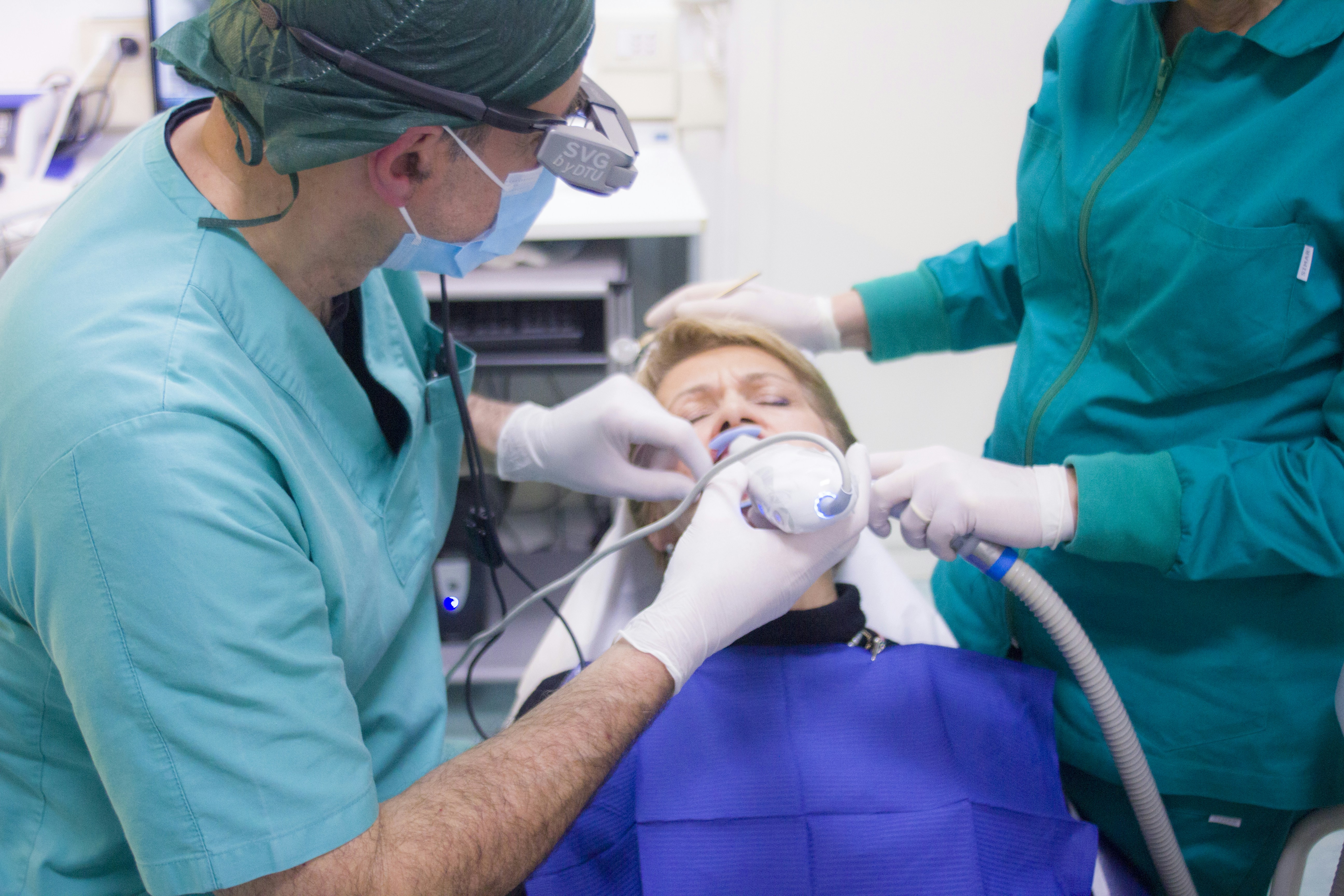
Introduction to Dental Bone Spurs
Dental bone spurs, often referred to as osseous spurs or bony protrusions, are abnormal growths of bone that can develop within the mouth, particularly around the jawbone and adjacent to tooth sockets. These formations can occur as a natural response of the body in an attempt to heal following dental procedures. While they may appear innocuous at first, it is essential to understand their relationship with oral health, especially in the context of tooth extractions.
After a tooth is extracted, the surrounding bone may undergo several physiological changes as it heals. These adaptations can sometimes lead to the abnormal development of bone spurs, which can vary in size and shape. While some individuals may experience minimal discomfort, others could face more serious complications, including pain, inflammation, or even infection. The likelihood of developing a dental bone spur after tooth extraction may be influenced by various factors such as the patient’s age, overall health, the complexity of the extraction, and pre-existing dental conditions.
Understanding dental bone spurs and their causes is imperative for patients undergoing tooth extractions. Recognizing symptoms associated with these bony growths is equally important, as early detection can lead to more effective treatment options. Bone spurs may not always be visible, making it crucial for dental professionals to conduct thorough examinations post-extraction to identify any complications. As we delve deeper into this topic, we will explore the causes, symptoms, and treatments associated with dental bone spurs after tooth extraction, providing a comprehensive perspective on this condition that affects many individuals in their dental journeys.
What Happens During a Tooth Extraction
A tooth extraction is a common dental procedure that involves the removal of a tooth from its socket in the jawbone. This process is typically performed by a dentist or oral surgeon, utilizing a series of surgical steps to ensure patient safety and comfort. The first phase of the extraction process involves a thorough examination and possibly X-rays to assess the condition of the tooth and surrounding bone. Once the dentist determines that extraction is necessary, local anesthesia is administered to minimize discomfort during the procedure.
Following anesthesia, the dentist begins the extraction by gently loosening the tooth with specialized instruments, such as an elevator. This tool elevates the tooth from its socket, allowing for easier removal. In some cases, if the tooth is severely damaged or impacted, the dentist may need to section the tooth into smaller pieces to facilitate a smoother extraction process. This step helps to avoid excessive trauma to the surrounding bone and soft tissues, which can be critical in preventing complications like dental bone spurs after tooth extraction.
Once the tooth is successfully removed, the dentist will clean the area to eliminate any debris. It is crucial to address the surgical site properly, as trauma to the bone during extraction can lead to various healing complications, including the inadvertent development of bone spurs. Patients are typically instructed on post-operative care to manage pain, swelling, and ensure proper healing. This may include recommendations for diet, medication, and specific oral hygiene practices to follow in the days and weeks after surgery. Understanding this extraction process and the potential for complications like dental bone spurs is vital for patients to facilitate a successful recovery.
Causes of Bone Spurs After Tooth Extraction
Dental bone spurs after tooth extraction can occur due to a variety of factors, primarily relating to the way the body heals following the removal of a tooth. One significant factor contributing to the formation of these spurs is improper healing. When a tooth is extracted, the surrounding bone tissue begins to remodel itself. If this process is interrupted due to infection or inadequate blood supply, it may result in irregular bone growth, leading to a spur.
Trauma during the extraction process can also play a pivotal role in the development of bone spurs. If the extraction is particularly difficult or traumatic, it may cause damage to the surrounding bone. This trauma can initiate an abnormal healing response wherein the body attempts to compensate by forming a bony protrusion or spur in the affected area. Additionally, if the tooth being extracted was impacted or had been in place for an extended period, the chances of trauma and subsequent bone irregularities increase considerably.
Another critical aspect to consider is the presence of pre-existing bone issues. Individuals with conditions affecting bone density or quality, such as osteoporosis, are at a heightened risk of developing dental bone spurs after tooth extraction. Such conditions can contribute to abnormal bone healing, resulting in irregular formations following surgery.
Moreover, certain risk factors can exacerbate the likelihood of developing bone spurs following tooth extraction. These include age, as older individuals often experience slower healing processes, and smoking, which can interfere with blood flow to the surgical site, impacting recovery. Understanding these causes and risk factors is essential for dental professionals and patients alike to anticipate and manage potential complications during the post-extraction healing phase.
Symptoms of Dental Bone Spurs
Dental bone spurs, which can occur following a tooth extraction, are small bony growths that may result in various symptoms that can significantly impact an individual’s quality of life. One of the most common symptoms of dental bone spurs is localized pain in the jaw area. This pain might range from a mild ache to severe discomfort, often making it difficult for individuals to perform routine activities such as speaking or eating. The intensity of the pain can fluctuate, sometimes becoming more pronounced during specific movements or when pressure is applied to the affected area.
In addition to pain, another prevalent symptom associated with dental bone spurs is inflammation. The surrounding tissue may become swollen, leading to a tender feeling and contributing to an overall sense of discomfort. This inflammation can result in increased sensitivity in the jaw area, making it challenging to maintain proper oral hygiene practices. Individuals may find it difficult to brush or floss efficiently, thereby potentially exacerbating any existing dental issues.
Another symptom to consider is the presence of discomfort while chewing or biting, which may result from the bony protrusions interrupting the jaw’s natural alignment. This can lead to changes in eating habits, with many individuals opting for softer foods that are easier to chew. The effects of these symptoms can also be psychological, as ongoing pain and discomfort can lead to heightened anxiety or stress related to dental health.
Overall, the symptoms of dental bone spurs after tooth extraction can adversely affect daily activities and one’s overall dental hygiene. Recognizing these symptoms early can be crucial for seeking treatment and alleviating discomfort associated with dental bone spurs.
Diagnosis of Bone Spurs
The diagnosis of dental bone spurs after tooth extraction involves a comprehensive approach incorporating physical examinations, patient history assessments, and appropriate imaging tests. When a patient presents with symptoms that may indicate the presence of bone spurs, dental professionals first conduct a thorough physical examination of the affected area. This examination often includes assessing visual signs such as inflammation, tenderness, or unusual growths in the gums and surrounding tissues.
Alongside the physical examination, gathering a detailed patient history is crucial. Dental professionals typically inquire about the timing and nature of the tooth extraction, any subsequent symptoms experienced, and the overall health profile of the patient. Symptoms such as pain, swelling, or persistent discomfort in the extraction site may suggest complications related to dental bone spurs. This history provides valuable insight that aids in forming a diagnostic hypothesis.
To further substantiate the diagnosis, imaging tests such as X-rays play a pivotal role. X-rays allow dental professionals to visualize the bone structure and identify any anomalies or irregularities, including the presence of bone spurs. These imaging techniques are essential, as they provide a clear view of the underlying bone and assist in ruling out other potential complications. In some cases, cone beam computed tomography (CBCT) scans may be recommended for a more detailed view of the bone structure.
Accurate diagnosis of dental bone spurs is crucial for effective treatment planning. Failure to properly diagnose these growths can lead to prolonged discomfort and complications, adversely affecting a patient’s recovery process post-extraction. By combining physical assessments, patient history, and targeted imaging, dental professionals can ensure that patients receive appropriate care tailored to their specific needs.
Treatment Options for Dental Bone Spurs
The management of dental bone spurs after tooth extraction depends on the severity of the condition and the symptoms exhibited by the patient. In many cases, conservative treatment options are effective in alleviating pain and promoting healing without the need for invasive procedures. Initially, patients may be advised to engage in pain management strategies, which may include the use of over-the-counter nonsteroidal anti-inflammatory drugs (NSAIDs) like ibuprofen. These medications can help reduce inflammation and discomfort associated with dental bone spurs.
Monitoring the situation may also be recommended, particularly in cases where the bone spur does not cause significant pain or complications. Regular follow-up appointments can help assess the spur’s size and symptoms over time, allowing for timely intervention should the situation worsen.
In instances where conservative management fails or if the dental bone spur leads to persistent pain, discomfort, or complications, more invasive treatment options may be considered. Surgical intervention is an option for severe cases. This may involve the removal of the bone spur to relieve pressure and restore normal function in the affected area. Oral surgeons often perform this procedure, using local anesthesia to minimize discomfort during the operation.
It is essential for patients to consult with their dental care providers to determine the most appropriate treatment option based on individual circumstances. Factors such as the location of the dental bone spur, the patient’s overall health, and the presence of any underlying conditions can significantly influence the choice of treatment strategy.
Ultimately, whether conservative or surgical, the objective is to resolve the symptoms associated with dental bone spurs and facilitate a return to normal oral function.
Preventative Measures to Avoid Bone Spurs
Preventing dental bone spurs after tooth extraction involves a combination of effective post-operative care, diligent oral hygiene, and regular follow-up appointments. Following the specific instructions provided by the dental practitioner is essential to minimizing the risk of complications such as bone spurs. These instructions often include recommendations regarding diet, oral care, and activity levels in the days following the procedure.
One of the primary concerns after a tooth extraction is to ensure that the extraction site remains clean and free from infection. A solid oral hygiene routine, which includes gentle brushing and rinsing with an appropriate mouthwash, will help maintain the health of the surrounding area. This practice also promotes healing and minimizes bacterial growth, which can lead to inflammation and complicate recovery, potentially increasing the risk of dental bone spur development.
Additionally, avoiding strenuous activities and foods that are hard, sharp, or crunchy in the initial recovery period is crucial. Such actions can irritate the extraction site and lead to a delay in the healing process. Soft foods that are nutrient-rich are preferable, as they provide the necessary vitamins and minerals while reducing the risk of damaging the healing gum tissues. Staying hydrated also aids in the recovery process.
Regular follow-up appointments are another key aspect of preventative care. These visits allow dental professionals to monitor healing progress, identify any potential complications early, and provide tailored advice to each patient. Each individual’s healing response varies, and having a professional assess the extraction site can promote healthy recovery. Taking these proactive steps can significantly reduce the risk of developing dental bone spurs after tooth extraction, ensuring a smoother and more comfortable recovery process.
Living with Dental Bone Spurs
Managing dental bone spurs after tooth extraction can be challenging, yet there are several strategies and lifestyle adjustments that individuals can adopt to alleviate discomfort and maintain oral health. Those who experience dental bone spurs often find that the condition can lead to intermittent pain, sensitivity, or even infections if not monitored properly. Therefore, it is essential to establish a comprehensive routine that focuses on self-care and dental oversight.
One of the primary ways to cope with dental bone spurs is through diligent oral hygiene practices. Regular brushing and flossing can help prevent secondary issues such as infections or further irritation caused by the spurs themselves. Using a soft-bristled toothbrush can minimize pain and pressure on sensitive areas. Additionally, incorporating antiseptic mouthwashes into daily routines can further reduce the risk of infections, which is particularly important in the context of dental bone spur development.
Dietary changes can also play a significant role in coping with dental bone spurs. Individuals are encouraged to avoid hard, crunchy, or sticky foods that might exacerbate discomfort. Instead, focusing on softer foods that require less chewing can help reduce irritation in the affected area. Staying hydrated is also important, as it aids in maintaining overall oral health and can mitigate the risk of dry mouth, which can worsen symptoms.
Regular dental check-ups are crucial for anyone living with dental bone spurs after tooth extraction. Dental professionals can monitor the condition, provide necessary treatments, and offer personalized advice on managing symptoms effectively. Should symptoms become severe or consistently problematic, discussing potential treatment options with a dentist may lead to relief. Engaging in open communication with dental care providers ensures that individuals receive appropriate guidance and support throughout their experience.
Conclusion and Key Takeaways
Understanding dental bone spurs after tooth extraction is crucial for anyone who has undergone this common procedure. Dental bone spurs, or osseous projections, may arise during the healing process following tooth removal, leading to complications that can affect overall oral health. Recognizing the potential causes, symptoms, and treatments associated with this condition can significantly enhance one’s recovery experience and prevent further dental issues.
To begin with, it’s essential to be aware of the common causes that can lead to the formation of dental bone spurs after tooth extraction. These may include improper healing, trauma to the surgical site, or existing dental conditions that predispose the area to irregular bone growth. Patients should pay close attention to their post-operative recovery, monitoring any unusual sensations or symptoms such as pain, swelling, or extended discomfort, which could indicate the presence of a dental bone spur.
Additionally, recognizing the symptoms associated with dental bone spurs is vital for early intervention. If an individual experiences intense pain at the extraction site or noticeable hard bumps in the gum area, it may signify the need for further evaluation. Consulting with a dentist or oral surgeon can help clarify whether these symptoms are linked to dental bone spurs, enabling the appropriate treatment plan to be initiated.
In essence, individuals who have undergone tooth extraction should remain vigilant regarding their recovery and consult a dental professional at the first sign of complications. By understanding the implications of dental bone spurs after tooth extraction, patients can take proactive steps to safeguard their oral health. Furthermore, maintaining open communication with healthcare providers will foster a better recovery experience and alleviate any concerns regarding postoperative dental conditions.

