Introduction to ICD-10 Coding
ICD-10, or the International Classification of Diseases, 10th Revision, represents a critical framework in the medical field for categorizing and coding health conditions. This system, established by the World Health Organization (WHO), allows healthcare providers to communicate diagnoses effectively and uniformly. The primary aim of ICD-10 coding is to facilitate the accurate documentation of patient conditions, which is essential for clinical assessment, treatment planning, and epidemiological research. Within the context of dental procedures, ICD-10 codes play a significant role in both diagnosis and billing.
In relation to dental care, specifically, the coding system allows dentists and oral surgeons to classify illnesses associated with dental implants, including potential infections. By using the appropriate ICD-10 code for dental implant infection, practitioners can streamline their billing processes and ensure that treatments are adequately covered by insurance providers. Accurate coding also assists in gathering statistical data about the prevalence and management of dental complications, which can inform future clinical practices and public health policies.
Moreover, ICD-10 coding encompasses a wide array of conditions, reflecting the complexity of health-related issues. For instance, the code for dental implant infection not only aids in diagnosing actual infections but can also elucidate other related complications, such as peri-implantitis or systemic responses to infection. Each code serves as a precise descriptor that helps in classifying a patient’s condition, facilitating more focused and effective care. Understanding the importance of ICD-10 codes in dental settings is crucial for healthcare professionals, paving the way for comprehensive patient management and informed clinical decision-making.
What are Dental Implants?
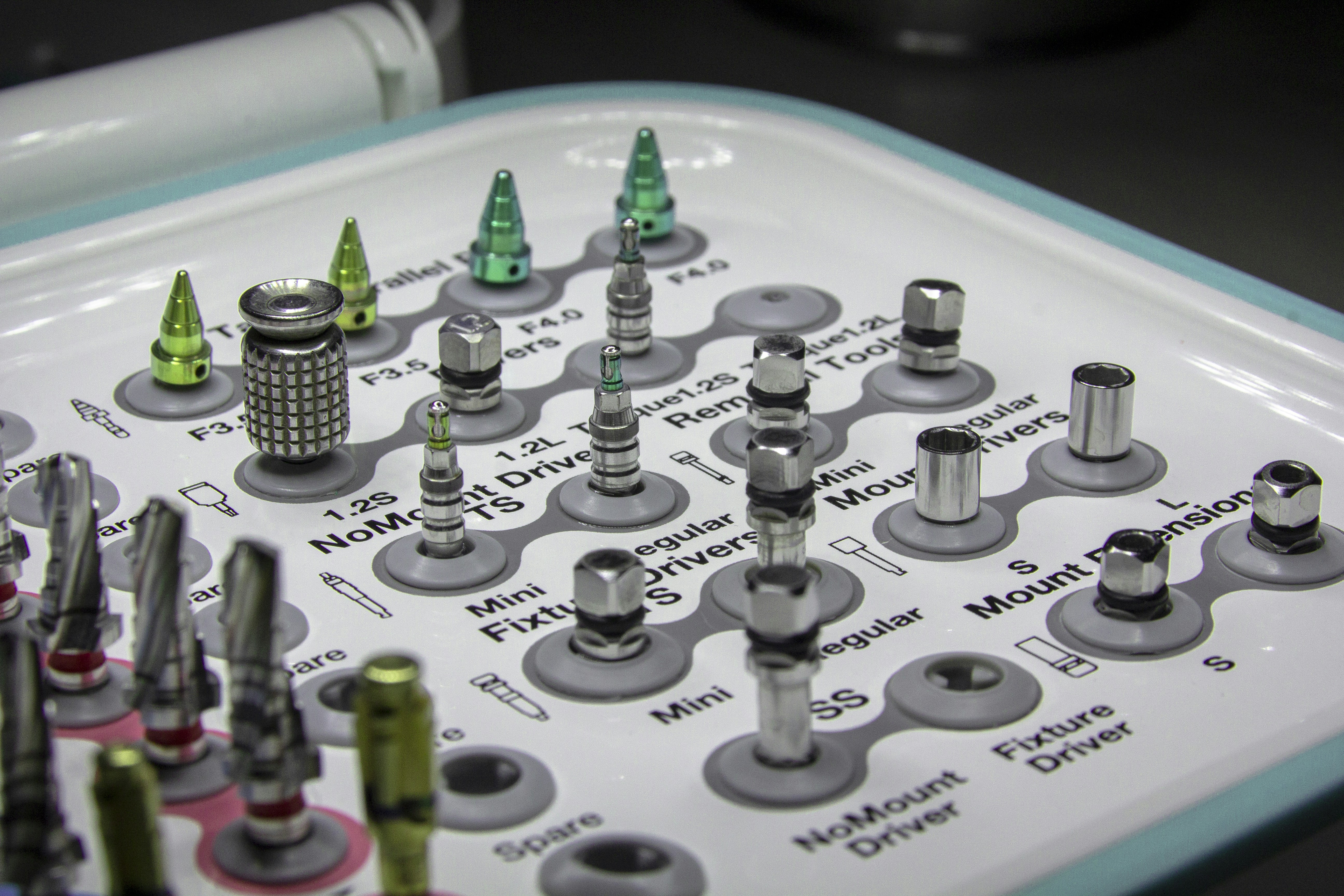
Dental implants are artificial tooth roots, typically crafted from titanium, that serve as a sturdy foundation for replacement teeth. They are surgically embedded into the jawbone, creating a stable base for various dental prosthetics, including crowns, bridges, or dentures. The primary purpose of a dental implant is to restore function and aesthetics to individuals who have lost teeth due to injury, periodontal disease, or other dental issues. By anchoring prosthetic teeth securely in the mouth, dental implants offer a viable long-term solution that can vastly improve a patient’s quality of life.
The process of getting dental implants often starts with a comprehensive dental evaluation, including X-rays and models of the mouth. Following this assessment, a tailored treatment plan is curated to address an individual’s specific needs. Once the implants are placed, the surrounding bone undergoes a process called osseointegration, where it fuses with the implant over a period of several months. This healing phase is crucial as it ensures the implant’s stability and durability, essential for supporting any subsequent dental work.
Common reasons for placing dental implants include the replacement of one or more missing teeth and the restoration of facial aesthetics following tooth loss. Patients may also seek implants as an alternative to traditional dental bridges, particularly if they prefer a more permanent solution. Importantly, dental implants also help to prevent bone loss in the jaw, a common consequence of having missing teeth. However, it is also crucial to be aware of potential complications, such as infections, that may arise post-surgery. Should an infection occur, understanding the appropriate ICD-10 code for dental implant infection becomes essential for accurate diagnosis and treatment.
Understanding Dental Implant Infections
Dental implant infections represent a significant complication that can arise following the implantation procedure. These infections can occur when harmful bacteria invade the tissues surrounding an implant, ultimately leading to pain, swelling, and inflammation. The signs and symptoms of an infection may include purulent discharge, prolonged discomfort, and increased sensitivity in the affected area. Patients may also experience difficulty in chewing or a persistent bad taste and odor. Identifying these symptoms early is crucial for effective management and treatment.
The causes of dental implant infections can be multifactorial. One primary factor is poor oral hygiene, which facilitates the accumulation of plaque and oral bacteria that can lead to infection. It is imperative for individuals with dental implants to maintain rigorous oral hygiene practices, including regular brushing, flossing, and scheduled dental visits. Additionally, systemic health issues such as diabetes, autoimmune disorders, and smoking can significantly increase the risk of infection following the procedure. These conditions may impair the body’s ability to heal and respond effectively to bacterial invasion.
Another significant contributor to dental implant infections is procedural complications that can occur during the placement of the implant. Inaccurate positioning of the implant or damage to surrounding tissues can create pockets where bacteria thrive. Furthermore, the use of non-sterile tools or techniques can introduce pathogens directly into the surgical site. Understanding these causes is essential for both dental professionals and patients to minimize the risk of infection after implant surgery.
In conclusion, recognizing the signs, symptoms, and causes of dental implant infections is critical for their effective prevention and management. Knowledge of the relevant ICD 10 code for dental implant infection is also imperative for accurate diagnosis and treatment documentation within healthcare systems.
Relevance of ICD-10 Codes for Dental Implant Infections
The International Classification of Diseases, 10th Revision (ICD-10) plays a crucial role in the healthcare system, particularly when it comes to the documentation and management of dental implant infections. Accurate coding is vital not only for healthcare providers but also for patients, as it facilitates effective treatment and billing processes.
The ICD-10 code for dental implant infection enables professionals to specify the nature and severity of the infection, which is pivotal for clinical decision-making. With the use of these codes, providers can easily track the prevalence of complications arising from dental implants, allowing for better understanding and treatment of these issues over time. By having a standardized way to document such infections, healthcare practitioners can also contribute to ongoing research and analysis aimed at improving dental implant procedures and patient outcomes.
Furthermore, the relevance of ICD-10 codes extends to insurance reimbursement, as these codes are fundamental in the billing process. When dental professionals accurately record dental implant infections using the appropriate ICD-10 codes, they ensure that the billing aligns with the services provided. This not only expedites claims processing but also minimizes disputes with insurance companies over coverage for complications related to dental implants.
Moreover, the implications of these codes are significant for epidemiological studies. They assist researchers in collecting data about the frequency and causes of infections linked to dental implants, which can contribute to the development of improved prevention and treatment strategies. Consequently, the ICD-10 code for dental implant infection serves as an essential tool in both clinical practice and health policy, making it imperative for healthcare providers to remain adept in its application.
ICD-10 Codes for Dental Implant Infections
The classification and identification of dental implant infections are essential for appropriate diagnosis and treatment. Several ICD-10 codes specifically relate to infections that may arise from dental implants. Understanding these codes is crucial for medical practitioners and coding professionals. Below are the primary ICD-10 codes used for documenting infections associated with dental implants.
One of the codes, K13.79, refers to other specified diseases of the oral soft tissues, which can encapsulate infections developing around implant sites. This code can be used when there’s a need to further specify the condition without descending into particular abnormalities that might not apply. Practitioners often apply this when the infection does not fall under more defined categories.
Another relevant code is K04.7, which identifies periapical disease, encompassing infections linked to the area surrounding a dental implant. This code is applicable when an infection stems from endodontic issues caused by a dental implant. It highlights the importance of examining surrounding teeth and structures, ensuring a comprehensive approach to treatment.
For cases where there is direct reference to implant-related concerns, T84.52 is employed. It denotes infection due to a prosthetic device, implant, or graft. This code is critical in situations where a patient presents with an infection that directly correlates with their dental implants. Explicating the nature of the infection ensures that the healthcare provider can address the infection’s source adequately.
Utilizing the correct ICD-10 code for dental implant infection not only aids in clinical documentation but also in streamlining the insurance billing process. Accurately specifying the diagnosis enables providers to establish an effective treatment plan catered to the type of infection diagnosed. Understanding these classifications will empower practitioners to deliver optimal care to individuals with dental implants, minimizing the risk of complications arising from infections.
Diagnosing Dental Implant Infections
Diagnosing dental implant infections is a multifaceted process that typically begins with a comprehensive clinical examination. This examination involves gathering detailed patient history, including any previous dental procedures, current symptoms, and overall health conditions that might predispose the patient to infections. During the clinical assessment, dental professionals observe for signs such as swelling, redness, or drainage around the implant site, which could indicate an infection.
In addition to a clinical examination, imaging techniques play a crucial role in the diagnostic process. Radiographs, particularly periapical and panoramic X-rays, help assess the condition of the surrounding bone and reveal any bony changes indicative of an infection. Advanced imaging modalities, such as computed tomography (CT) scans, may also be utilized if the initial evaluations are inconclusive, providing a more detailed view of the implant and the surrounding anatomy.
Laboratory tests may further assist in confirming a diagnosis. These may include cultures of any discharge present or blood tests to evaluate the patient’s overall immune response. With the emergence of technology, tests like polymerase chain reaction (PCR) can also identify specific pathogens responsible for the infection, allowing for targeted treatment approaches.
The integration of diagnostic findings with the appropriate coding is essential for accurate classification. The clinician’s ability to effectively correlate the clinical presentation of a dental implant infection with the ICD-10 code for dental implant infection is vital for accurate documentation, treatment planning, and insurance reimbursement. Accurate coding not only ensures effective communication among healthcare providers but also significantly influences patient management strategies. Maintaining clarity in identifying such infections through proper diagnostic practices enhances the quality of care and supports favorable patient outcomes.
Treatment Options for Dental Implant Infections
Dental implant infections can arise due to various factors, including poor oral hygiene, pre-existing periodontal disease, or complications during the implantation procedure. Addressing these infections promptly is crucial to ensure the longevity of the dental implant and the overall health of the patient. There are various treatment options available, which can be broadly categorized into non-surgical and surgical approaches.
Non-surgical treatment options often begin with a thorough evaluation by a dental professional. If an infection is identified, conservative measures such as scaling and root planing may be performed to remove plaque and calculus accumulation around the implant. Additionally, antibiotic therapy may be prescribed to combat bacterial infection, particularly in cases where systemic involvement is suspected. The ICD 10 code for dental implant infection at this stage may reflect the initial assessment and choice of conservative treatment.
In cases where non-surgical interventions fail or the infection is severe, surgical options might be necessary. Surgical treatments can include debridement of the infected area, removal of the affected implant, or, in some cases, revision surgery where new implants can be placed. It is essential for dental professionals to document the surgical approach accurately, ensuring the correct ICD 10 code for dental implant infection is assigned to reflect the specific treatment provided.
Ultimately, the choice of treatment depends on various factors, including the severity of the infection, the overall health of the patient, and the specific characteristics of the dental implant. A comprehensive treatment plan tailored to individual patient needs can facilitate successful outcomes and minimize complications. Proper coding not only aids in the accurate documentation of the services provided but also supports effective communication among healthcare providers regarding the management of dental implant infections.
Prevention of Dental Implant Infections
Preventing dental implant infections is crucial in ensuring the long-term success of dental procedures. A proactive approach can significantly reduce the risk of complications, including the need for the ICD-10 code for dental implant infection. One of the most effective strategies for prevention is maintaining proper oral hygiene. Patients should be encouraged to brush their teeth at least twice a day with fluoride toothpaste and to floss daily. Moreover, the use of antimicrobial mouth rinses can further help to minimize harmful bacteria in the oral cavity, thereby reducing the likelihood of infection.
Regular dental check-ups play a vital role in the prevention of any potential complications arising from dental implants. Routine examinations can allow dental professionals to identify early signs of infection or other issues, enabling timely intervention. During these visits, dental professionals should assess the surrounding gum tissue and implant site for any signs of inflammation or infection. Timely diagnosis and treatment are essential, as complications can escalate quickly if left untreated, leading to more extensive procedures and potentially triggering the need to utilize the ICD-10 code for dental implant infection.
Patient education is another key component in preventing infections following dental implants. Patients should be thoroughly informed about the importance of aftercare, including how to properly care for their implants and when to seek assistance if they experience symptoms such as prolonged swelling, pain, or discharge. Additionally, patients with pre-existing conditions that may compromise their immune system, such as diabetes, need tailored advice on how to manage their health in relation to dental care. By equipping patients with knowledge and promoting best practices for oral hygiene and regular check-ups, the risk of dental implant infections can be minimized, ultimately reducing the need for coding and treatments associated with infections.
Conclusion
In reviewing the significance of the ICD-10 code for dental implant infection, it becomes evident how critical these codes are in both diagnosis and treatment planning. Understanding the associated codes not only aids healthcare professionals in providing accurate and comprehensive care but also empowers patients with knowledge regarding their conditions. The coding system helps clarify the unique challenges posed by infections that may arise post-implantation, ensuring that healthcare providers can track and manage these issues effectively.
The appropriate use of the ICD-10 code for dental implant infection allows for better data collection, which translates into improved clinical outcomes. This efficiency fosters an environment where practitioners can pinpoint specific complications related to dental implants, enhancing the management of patient care. Patients are encouraged to be actively involved in discussions regarding ICD-10 coding as it plays a vital role in their health journey, from prevention and diagnosis to treatment and billing.
It is essential for both providers and patients to stay informed about the latest updates in ICD-10 coding as they pertain to dental infections. Knowledge of the relevant codes can significantly impact treatment choices and insurance coverage, thereby influencing the overall patient experience. As medical coding evolves, being well-versed in the nuances of these systems will lead to better health outcomes, particularly in specialized areas such as dental implants. By understanding the importance of ICD-10 codes, patients can advocate more effectively for their health and ensure they receive precise and proper care.
