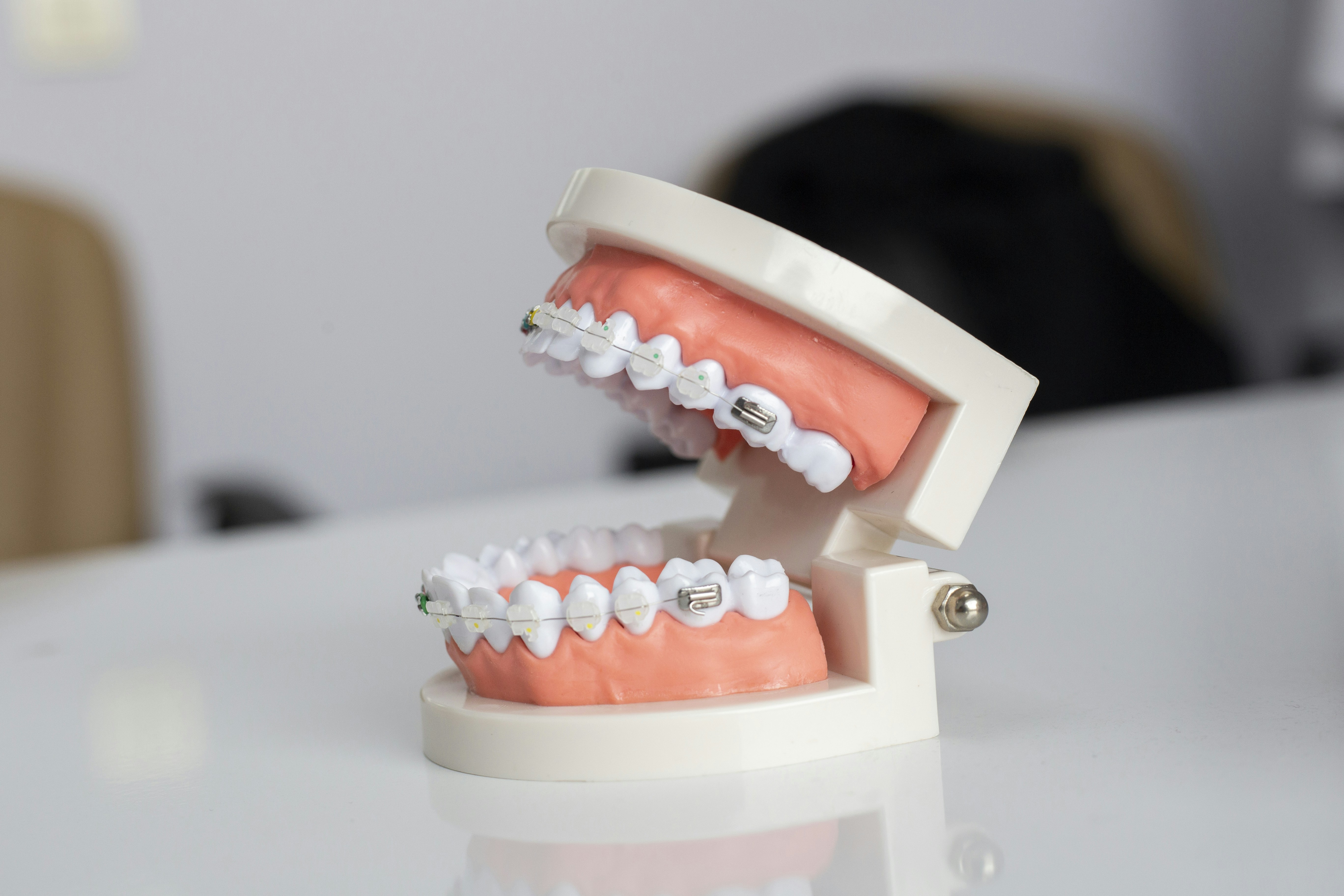
Introduction to Essix Retainers
Essix retainers are a popular option in orthodontics, specifically designed to maintain the alignment of teeth following braces or other orthodontic treatments. These clear, removable appliances offer a discreet way for patients to preserve their newly achieved smile. Unlike traditional wire retainers, Essix retainers are constructed from a thin, flexible plastic that is molded to fit each individual’s dental configuration precisely, enhancing both comfort and aesthetics.
The primary purpose of an Essix retainer is to prevent teeth from shifting back to their original positions after the removal of braces or alignment devices. This crucial role helps ensure the longevity of the orthodontic results achieved, thereby contributing to overall dental health. The design of these retainers allows patients to easily insert and remove them, making oral hygiene practices more manageable than with some fixed retainers.
Regarding construction, Essix retainers are made from clear thermoplastic materials, which not only provide a nearly invisible solution but also offer durability and flexibility. Patients can wear these retainers throughout the day and night, but they should be removed when eating or drinking anything other than water. The ease of cleaning also makes them a preferred choice, as they can be rinsed with water or cleaned using a gentle brushing routine to maintain their clarity and functionality.
In comparison to other types of retainers, such as Hawley or fixed retainers, Essix retainers present several benefits. Their clear plastic construction makes them less noticeable, promoting patient compliance and comfort. Additionally, they are less bulky, which contributes to a more unobtrusive experience during everyday activities. It is important for orthodontists to consider these factors when discussing the dental procedure code for Essix retainer options with patients, as choosing the right retainer can significantly impact post-orthodontic care and satisfaction.
Importance of Dental Procedure Codes
Dental procedure codes play a critical role in the field of dentistry, serving as a standardized system for classifying and documenting various treatments and procedures. These codes facilitate effective communication among dental professionals, insurance companies, and patients, ensuring clarity and consistency in the understanding of services rendered. By employing a set of standardized codes, dental practitioners can accurately describe procedures, such as the dental procedure code for Essix retainer, allowing for a uniform understanding within the dental community.
One of the primary utilities of dental procedure codes lies in their application in billing and insurance claims. Dental practices utilize these codes to compile invoices and submit claims to insurance providers. The presence of specific codes not only aids in expediting the reimbursement process but also helps to avoid potential discrepancies or disputes regarding service coverage. For instance, when a patient receives an Essix retainer, the associated dental procedure code for Essix retainer ensures that the service can be coded correctly for billing purposes. This reduces the likelihood of errors and enhances the efficiency of the practice’s revenue cycle.
Moreover, the use of dental procedure codes significantly contributes to maintaining accurate patient records. These codes allow dental offices to document the treatments provided, keeping comprehensive records that can be referred to in future visits. This is particularly important for tracking the progress of ongoing treatments and ensuring continuity of care. Accurate coding is essential not only for internal record-keeping but also for compliance with regulatory requirements, as it ensures that practices adhere to ethical billing practices.
In conclusion, dental procedure codes are fundamental to the efficient operation of dental practices. Their relevance extends beyond mere classification; they are integral to the financial health of dental offices and the precision of patient healthcare records.
Overview of Procedure Codes Specific to Orthodontics
Orthodontics encompasses a variety of treatments designed to correct misaligned teeth and jaws, and an integral part of these treatments involves the use of retainers. To facilitate the billing and coding process, orthodontic procedures are identified by specific dental procedure codes. These codes adhere to the American Dental Association (ADA) coding system, which categorizes dental services for proper documentation and insurance claims.
The ADA dental procedure codes consist of a range of classifications, each designated for different types of orthodontic treatments. For instance, procedures related to retainers, including the dental procedure code for Essix retainer, fall under a specific numerical range that identifies them clearly within the broader orthodontic category. These codes not only serve as a method for dental professionals to report services rendered but also ensure that patients and insurers understand the types of treatments provided.
Commonly used procedure codes in orthodontics include those for initial examinations, diagnostic imaging, and the actual application of braces, among others. Related to the retainers, codes such as those for fixed and removable appliances are of significant relevance. The dental procedure code for Essix retainer, for example, highlights a specific treatment that focuses on maintaining teeth positions post-orthodontic treatment.
Each code typically provides a description that allows practitioners to determine appropriate billing practices and serves as a standardized language throughout the dental community. Staying updated on the latest coding changes is crucial for orthodontic specialists to ensure compliance with coding regulations and to avoid billing discrepancies.
Overall, understanding the categories and specificity of these codes can greatly improve the efficiency of orthodontic practice management and enhance communication between dental offices and insurance companies.
Diving Deep into the Essix Retainer Procedure Code
The dental procedure code for Essix retainers is a specific numerical identifier utilized by dental professionals to signify the creation and implementation of this type of orthodontic device. Typically categorized under the Current Dental Terminology (CDT) codes, the most commonly used code for Essix retainers is D8693, which refers specifically to the “Replacement of lost or broken retainer.” This coding system ensures that dental procedures are accurately documented and billed, streamlining the process for both practitioners and patients.
In clinical practice, the application of the dental procedure code for Essix retainers is crucial during various stages of a patient’s treatment plan. When a dentist or orthodontist determines that an Essix retainer is needed—whether for post-orthodontic treatment stabilization or as a part of a comprehensive orthodontic plan—a thorough documentation process follows. This involves assigning the appropriate code, which allows for the effective tracking of materials and services provided, as well as facilitating insurance billing processes.
Furthermore, the procedure code is applicable in several contexts surrounding patient treatment. For instance, if a patient requires a new Essix retainer due to loss or damage, the same dental procedure code may be referenced. This ensures clear communication between the dental office and insurance companies regarding the need for replacement devices. Additionally, understanding the nuances of the procedure code helps practitioners maintain accurate records of patient treatments and the materials utilized throughout the orthodontic process.
By clearly defining the numerical identifiers and their contexts, dental professionals can provide better care while ensuring proper documentation, ultimately resulting in enhanced patient experience and smoother operational workflows within dental practices.
Breakdown of Associated Costs and Billing Practices
The cost of obtaining an Essix retainer can vary significantly based on several factors, including geographical location, dental provider, and insurance coverage. Typically, patients can expect to pay anywhere from $150 to $500 for an Essix retainer, depending on the complexity of the case and the specific dental procedure code assigned. This code is essential for billing purposes as it provides a standardized reference for the type of service rendered, ensuring that the costs are accurately communicated to insurance companies.
Insurance coverage for orthodontic appliances like Essix retainers often hinges on the specifics of the dental insurance policy. Many dental plans cover a portion of the costs associated with retainers but may impose limits based on annual maximums or specific requirements. Patients are advised to review their plan details closely or consult with their insurance provider to understand the level of coverage applicable to the dental procedure code for essix retainer. Out-of-pocket expenses can fluctuate widely among different practices, with some offering payment plans or financing options to ease the financial burden on patients.
Geographic location also plays a critical role in determining costs. Urban areas may have higher overhead costs for dental practices, resulting in increased fees for services, including Essix retainers. In contrast, rural locations might offer lower prices due to reduced operation costs. Additionally, dental practices may adjust their pricing strategies based on local market competition. This variability in pricing underscores the importance of obtaining multiple quotes from different providers before proceeding with treatment. In conclusion, understanding the various components of the costs associated with Essix retainers and how the corresponding dental procedure code influences billing can empower patients to make informed financial decisions regarding their orthodontic care.
Documentation and Record Keeping for Essix Retainers
Proper documentation and record keeping are essential components of any dental practice, especially when it comes to specific treatments such as the Essix retainer. These retainers, which involve a precise dental procedure code for Essix retainer, necessitate careful tracking and management to ensure compliance with industry regulations and provide high-quality patient care. Accurate records enhance the overall efficiency of the practice and facilitate improved communication among dental professionals.
When documenting the dental procedure, it is crucial to include comprehensive details regarding the patient’s treatment plan, the design specifications of the Essix retainer, and any pertinent clinical notes. These records should encompass initial consultations, orthodontic evaluations, and subsequent fitting appointments. Maintaining thorough documentation not only aids in compliance with dental insurance requirements but also provides a reference for future treatments or adjustments that may be required.
In addition to treatment details, patient consent forms should be meticulously recorded, as they protect both the practitioner and the patient. This documentation serves as a legal safeguard, ensuring that the patient is fully informed about the procedure and its outcomes. Furthermore, including the relevant dental procedure code for Essix retainer in your records helps streamline billing and reimbursement processes, reducing potential misunderstandings with insurance providers.
Ultimately, effective record keeping can improve patient management by facilitating follow-ups and allowing for proactive communication regarding maintenance visits or adjustments necessary due to changes in the patient’s oral health. By adhering to best practices in documentation and integrating the appropriate codes, dental professionals can enhance the quality of care provided to patients utilizing Essix retainers.
Common Challenges in Coding for Dental Procedures
Coding dental procedures accurately is crucial for ensuring proper reimbursement and effective patient care. However, dental professionals often encounter several challenges when coding for specific treatments, such as the dental procedure code for Essix retainers. One common issue experienced is the misclassification of codes. This often arises from the similarities between different types of retainers and other orthodontic devices, which can lead to confusion about which code to apply. Consequently, a misassigned dental procedure code may result in denied claims or delayed payments.
Another significant challenge pertains to the variability in insurance policies. The coding guidelines issued by dental insurance providers can frequently differ, which complicates the process further. Certain insurers may have restrictions or specific requirements for covering Essix retainers that are not universally recognized. As a result, dental professionals must continually educate themselves about each insurer’s coding practices and specific policy provisions to ensure compliance. Failure to do so can lead to financial losses and negatively impact patient trust.
To navigate these challenges, it is essential for dental professionals to adopt a systematic approach when coding for dental procedures, particularly for the Essix retainer. One effective strategy is regularly reviewing the current coding guidelines issued by the American Dental Association (ADA) or relevant dental entities. Additionally, dental practices should provide training sessions for their staff to familiarize them with common coding errors and updates to coding rules. Such proactive measures can significantly reduce the occurrence of coding errors and enhance the efficiency of practice operations.
In conclusion, understanding the nuances involved in coding for Essix retainers is vital for dental practices to avoid common pitfalls. By addressing these challenges head-on, practitioners can improve their coding accuracy and ultimately enhance patient care.
Future Trends in Dental Procedure Coding
The landscape of dental procedure coding, particularly concerning orthodontic treatments such as the dental procedure code for Essix retainers, is anticipated to undergo significant developments in the coming years. As the field of dentistry evolves, various factors, including technological advancements, regulatory changes, and an increased emphasis on precision in treatment, will likely influence coding practices. One area of particular interest is the integration of digital technology in the realm of orthodontics. Tools such as 3D imaging and computer-aided design are becoming increasingly commonplace, leading to a more intricate and accurate representation of dental treatments.
These advancements are not only improving patient outcomes but also necessitating updates in coding systems to reflect new techniques and materials used in procedures. For instance, as methods for fabricating Essix retainers become more sophisticated, there may be a demand for more specific dental procedure codes to adequately describe these innovations. This will help ensure that practitioners can accurately report their services for billing and insurance purposes, thereby reducing the ambiguity often associated with general codes.
Moreover, as the healthcare system moves toward value-based care, the need for precise coding that reflects the quality and success of treatments is becoming prevalent. This is likely to foster the development of new codes that account for the long-term effectiveness of orthodontic devices, including the dental procedure code for Essix retainers. The emphasis on outcomes may lead to ongoing changes in how these codes are structured, potentially incorporating metrics related to patient satisfaction and treatment longevity.
In summary, the future of dental procedure coding will likely see a transition towards a more detailed and technology-integrated system, accommodating innovations in orthodontic care and ensuring that the coding framework remains relevant and responsive to the changing needs of both providers and patients.
Conclusion and Key Takeaways
Understanding the dental procedure code for Essix retainers is crucial for both dental professionals and patients alike. These codes play a vital role in the billing and insurance processes, ensuring that the orthodontic services provided are accurately documented and reimbursed. Financial aspects aside, knowing these codes can enhance communication between practitioners and their clients, fostering a greater understanding of treatment plans.
Throughout this blog post, we highlighted the specific dental procedure code associated with Essix retainers, delineating how it fits within the broader spectrum of orthodontic coding. Additionally, we discussed the importance of proper coding practices, as inaccuracies can lead to delayed reimbursements or denied claims. For practitioners, being well-versed in the relevant codes can improve operational efficiency and allow for a smoother patient experience when navigating insurance approvals.
The significance of patient education was another central theme. By informing patients about dental procedure codes linked to their treatments, such as Essix retainers, dental professionals can empower their clients to take an active role in their oral health decisions. This knowledge not only facilitates better patient engagement but also promotes transparency regarding costs and insurance implications.
Moreover, as the field of dentistry continues to evolve, staying updated on procedure codes becomes increasingly important. Innovations in orthodontic treatments, like Essix retainers, require that practitioners adapt their coding knowledge accordingly. This places an onus on dental professionals to continuously educate themselves and their staff regarding current coding practices.
We invite readers to share any questions or suggestions for future topics related to dental procedure codes, orthodontics, or any other dental issues. Your input is invaluable in shaping future discussions and ensuring that we address the most pressing concerns in the dental community.
