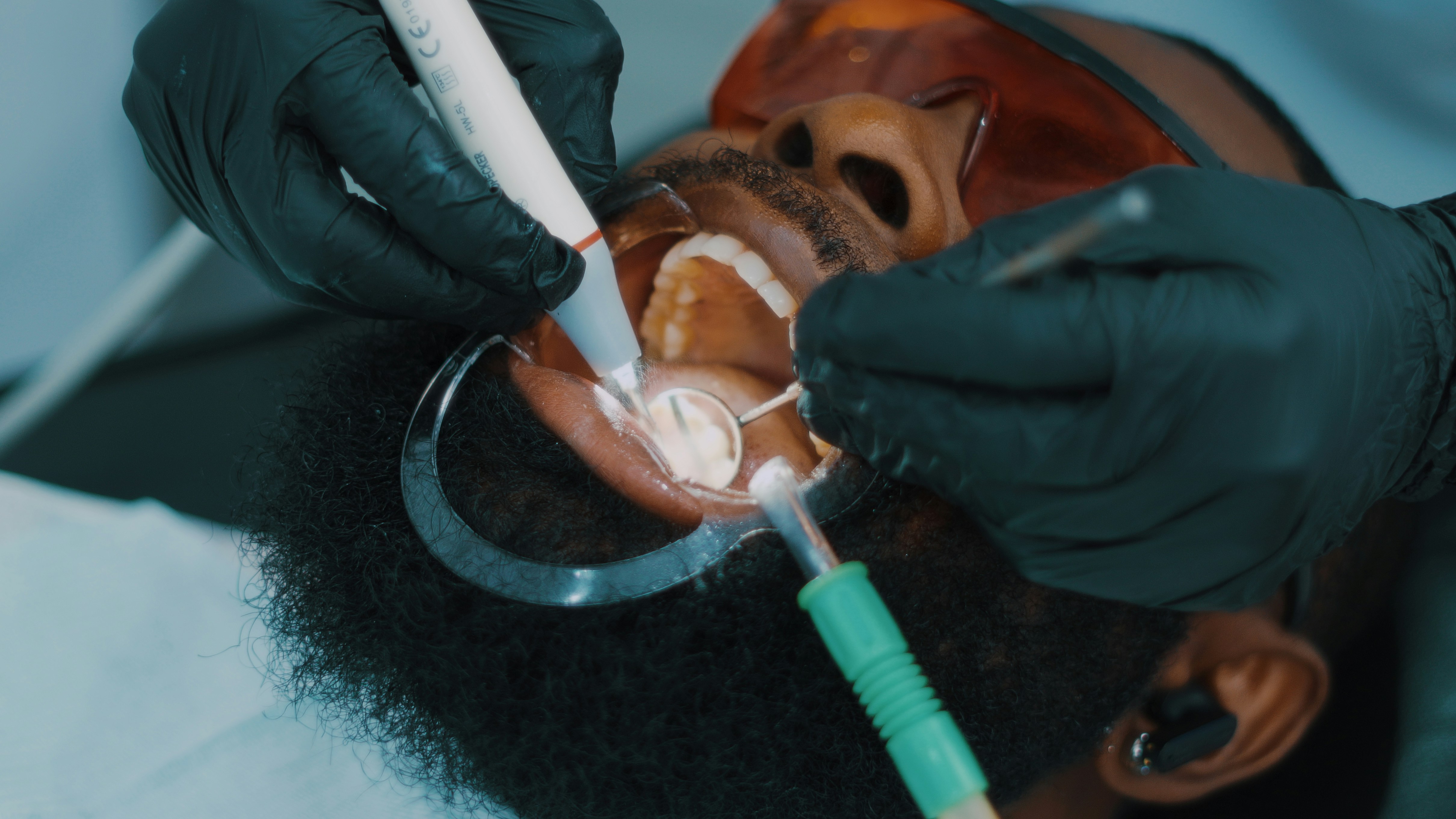
Introduction to Occlusal Guards
Occlusal guards, commonly referred to as dental night guards or dental splints, are custom-fitted devices designed to provide protection for the teeth and underlying structures during sleep. Their primary purpose is to mitigate the adverse effects associated with bruxism, a condition characterized by the involuntary grinding or clenching of teeth. This dental procedure code for occlusal guard relates directly to the categorization and billing of these essential devices within the dental healthcare system.
These guards can be classified into various types, including hard acrylic guards that offer robust protection against wear and tear, and softer, more flexible materials that provide cushioning. The choice of occlusal guard typically depends on the severity of the dental issue, the specific needs of the patient, and the recommendation from their dental provider. By preventing direct contact between teeth, occlusal guards help alleviate the pressure on jaws and can significantly reduce the symptoms associated with bruxism such as jaw pain, headaches, and tooth wear.
In addition, occlusal guards play a crucial role in maintaining overall oral health. Patients suffering from temporomandibular joint disorder (TMJ) may benefit from these devices, as they help to stabilize the bite and reduce tension in the jaw muscles. Furthermore, they can also be beneficial for individuals undergoing orthodontic treatment, as they protect braces from excessive force and wear. Understanding the significance of the dental procedure code for occlusal guard is essential, as it aids in the appropriate documentation and insurance coverage of this necessary dental health intervention. Such knowledge ensures that patients receive the care they need without financial burden, emphasizing the critical role of occlusal guards in comprehensive dental treatment plans.
What are Dental Procedure Codes?
Dental procedure codes serve as standardized numeric or alphanumeric representations used to document specific dental treatments and services. These codes are integral to the dental industry, as they provide a universally recognized system for identifying various procedures performed by dental professionals. Each code corresponds to a particular service, ranging from preventive care to complex surgical interventions, including the fitting and delivery of occlusal guards.
The significance of dental procedure codes extends to multiple aspects of dental practice. Primarily, they facilitate the billing process, ensuring that dental services are accurately invoiced to patients and insurance companies alike. By employing a consistent coding system, dental professionals can avoid discrepancies and misunderstandings related to the treatments provided. Furthermore, these codes are essential for insurance reimbursements, as many insurance providers require specific codes to process claims. Without the use of appropriate codes, dental practitioners may encounter delays or denials in claim settlements, which can adversely affect their practice’s financial health.
In addition to their role in billing and reimbursements, dental procedure codes enhance the documentation of dental treatments. Utilizing a coding system promotes clarity and precision in patient records, aiding communication between dental professionals, administrative staff, and insurers. Particularly for treatments involving occlusal guards, the correct coding can ensure that documents serve as accurate reflections of the work completed, ultimately improving care continuity and patient outcomes. Dental procedure codes also contribute to data collection and public health monitoring, allowing for trend analysis and research on dental practices and patient needs. In this comprehensive manner, the structure provided by dental procedure codes plays a pivotal role in maintaining the efficacy and integrity of the dental industry.
Understanding the Specific Code for Occlusal Guards
The dental procedure codes associated with occlusal guards are essential for the classification and billing of these specific treatments within dental practices. Typically, occlusal guards are identified under the American Dental Association (ADA) codes, which provide a standardized system for documenting dental procedures. The primary procedure code for an occlusal guard is typically referred to as D9940, which indicates the service of an occlusal guard fabrication for a patient suffering from conditions such as bruxism or temporomandibular joint (TMJ) disorders.
These codes are categorized based on the nature of the occlusal guard being used. For instance, there may be distinct codes for different types of occlusal guards, such as D9940 for a complete coverage occlusal guard or D9941 for a partial coverage device. Each code signifies not only the type of guard produced but also may indicate variances in material used, procedural complexity, or intention behind the guard’s application. This differentiation is crucial for proper insurance claims and reimbursement processes, ensuring that the treatment is accurately documented.
Moreover, understanding the nuances between these dental procedure codes for occlusal guards is vital for dental professionals when discussing treatment options with patients. By ensuring that the correct code is utilized, practitioners can facilitate clear communication concerning the treatment plan and associated costs. This understanding aids in streamlining the administrative aspect of dental care while also enhancing patients’ comprehension of their treatment logistics.
In conclusion, being knowledgeable about the specific dental procedure codes for occlusal guards not only benefits dental practitioners in terms of billing and coding accuracy but also serves to clarify treatment strategies for patients undergoing similar dental needs. This ensures that both parties remain informed and aligned throughout the treatment process.
How to Use Dental Procedure Codes in Practice
Utilizing dental procedure codes, particularly for occlusal guards, is crucial for dental professionals to ensure accurate treatment billing and insurance reimbursement. To effectively implement these codes in practice, it is important to follow several guidelines and best practices. First and foremost, dental practitioners should remain well-informed about the specific codes associated with occlusal guards. The American Dental Association (ADA) provides a comprehensive list of codes that can be referenced when coding for occlusal guard procedures.
Accurate coding begins at the first patient consultation. Dentists should evaluate the patient’s dental condition and determine the necessity of an occlusal guard. During this assessment, they can document the clinical findings and treatment recommendations, which will serve as the basis for selecting the appropriate dental procedure code. This documentation should be thorough to avoid any ambiguities when it comes to insurance submissions or patient queries.
Next, when billing for the occlusal guard, practitioners must align their coding with the services provided. It’s advisable to use the correct dental procedure code that reflects the materials used and the complexity of the process. For example, the code for a simple occlusal guard will differ from that for a more intricate custom design. Incorrect coding may lead to claim denials, resulting in delayed payments and additional administrative work.
Finally, communicate effectively with insurance providers by clearly specifying the dental procedure code used for occlusal guards on claim submissions. This facilitates smoother processing and minimizes the potential for disputes. By adhering to these guidelines, dental professionals can efficiently use dental procedure codes for occlusal guards in their practice, enhancing both patient care and operational efficiency.
Insurance Coverage for Occlusal Guards
Insurance coverage for occlusal guards is an essential consideration for patients seeking relief from dental issues related to bruxism or other conditions requiring such dental devices. Understanding how insurance companies classify and reimburse these devices under dental procedure codes can significantly impact the overall cost of treatment. Typically, an occlusal guard may be coded under specific procedure codes associated with dental appliances, but coverage is influenced by several factors.
One of the primary determinants of coverage is the diagnosis provided by the dentist. Insurers generally require proof that the occlusal guard is medically necessary. This means that a precise diagnosis, possibly including conditions such as temporomandibular joint disorder (TMJ) or significant tooth wear, must be documented. Insurance companies may review the dental procedure codes assigned to ensure they align with the patient’s clinical condition. Therefore, it is crucial for dental professionals to provide comprehensive documentation to explain the need for the occlusal guard.
Additionally, the treatments provided prior to prescribing an occlusal guard can influence coverage. Insurers often expect a trial of conservative management strategies, like nighttime dental splints or other non-invasive therapies, before approving coverage for more permanent solutions. Limitations on coverage might also include a cap on the number of occlusal guards one can receive within a specified time frame. This limitation can vary widely among policies, making it imperative for patients to review their specific dental plans thoroughly.
Ultimately, understanding the nuances of how insurance handles dental procedure codes for occlusal guards can empower patients to navigate their treatment options effectively. By being proactive in discussions with their dental care providers and insurance representatives, patients can ensure they are adequately informed about their coverage and any potential out-of-pocket costs.
Common Pitfalls in Coding for Occlusal Guards
Coding dental procedures accurately is crucial for ensuring that claims are processed smoothly and that providers receive appropriate reimbursements. However, there are common pitfalls that can arise when using dental procedure codes for occlusal guards, which can lead to denied claims and financial discrepancies. Awareness of these mistakes can help professionals navigate the coding landscape more effectively.
One prevalent issue is the misuse of dental procedure codes. Many practitioners may not fully understand the specific codes applicable to occlusal guards, leading to selection of inappropriate codes. For instance, some may opt for a generic code instead of those explicitly designed for occlusal guards, resulting in mismatches between services rendered and reported codes. This can cause insurance companies to reject claims, requiring additional time and effort to rectify the situation.
Another common misunderstanding is related to the documentation required to support the use of a particular code. Insufficient documentation can lead to the denial of claims as insurance companies often require evidence that justifies the need for an occlusal guard. Providers need to ensure that they maintain detailed records of patient assessments, treatment plans, and justifications for the procedure to avoid issues during the claims process.
Additionally, failing to stay updated on coding changes can be detrimental. Dental procedure codes are periodically revised by the American Dental Association, and staying informed of these updates is essential. Providers who do not keep up with current coding practices may inadvertently apply outdated codes, which can also lead to claim rejections.
In conclusion, being aware of these common pitfalls is critical for healthcare providers who handle coding for occlusal guards. By promoting careful selection of appropriate codes, thorough documentation, and staying updated with coding revisions, professionals can significantly reduce the risk of denied claims and enhance their practice’s financial stability.
The Importance of Accurate Documentation
Accurate documentation plays a crucial role in the successful implementation of dental procedure codes, particularly for occlusal guards. The coding process is intricate, and thorough record-keeping is essential to ensure that all facets of the treatment are universally recognized and understood. When practitioners document the details of the manufacturing, fitting, and overall purpose of occlusal guards, it enhances the clarity and legitimacy of the submitted procedure codes.
Detailed records help justify the specific dental procedure code for occlusal guard usage, thereby directly affecting the chances of optimal reimbursement from insurers. Insurance companies require comprehensive information to assess the medical necessity of such dental treatments in order to approve claims. Therefore, an efficient documentation process must encompass patient evaluations, treatment planning, and progress notes, as well as any relevant diagnostic tools used. Each entry should include specific details that illustrate the rationale for the procedure.
Moreover, if documentation lacks clarity or completeness, it may lead to claim denials or delays in reimbursement. For instance, if a dentist does not adequately explain the conditions necessitating an occlusal guard, the insurance provider may not consider the treatment to be medically essential. Practices that maintain high standards of documentation can bolster their claims and facilitate smoother interactions with insurance entities. This not only streamlines the reimbursement process but also fosters a solid foundation of trust between the provider and patient.
In essence, meticulous documentation serves as the backbone of effective coding for occlusal guards. By ensuring all relevant information is recorded accurately and comprehensively, dental professionals can improve their practices’ efficiency while ensuring fair compensation for the services rendered. The importance cannot be overstated in an industry where precision and clarity dictate reimbursement success.
Future Trends in Dental Coding and Technology
As technology continues to advance, the field of dental coding is experiencing significant transformation, particularly in relation to dental procedure codes for occlusal guards. Emerging trends indicate that these changes will shape the future of how dental practices document and bill for services rendered. One of the most promising developments is the integration of telehealth into dental care, which has the potential to streamline the coding process for occlusal guards and other dental procedures.
Telehealth allows dental professionals to consult with patients remotely, thereby increasing access to care. This capability can lead to more efficient clinical assessments and appropriate recommendations for occlusal guards, where necessary. Consequently, dental procedure codes for occlusal guards may need to evolve to accommodate new modalities of service delivery. For instance, remote consultations could result in specific codes that acknowledge the virtual nature of the appointment while still ensuring that the traditional aspects of documentation are upheld.
In addition to telehealth, electronic health records (EHR) are becoming a cornerstone of dental practices, providing a robust platform for coding and billing processes. EHR systems enable the seamless integration of patient information, treatment histories, and relevant coding updates, which can enhance the accuracy of dental procedure codes for occlusal guards. As these systems become more user-friendly and efficient, it is likely that discrepancies and errors in coding will diminish, ultimately benefiting both patients and practitioners.
Furthermore, the advent of advanced data analytics in dentistry allows for more detailed tracking of coding trends, usage patterns, and reimbursement rates. Utilizing these insights can help dental organizations to predict future developments and make informed decisions regarding the coding landscape. In conclusion, as technology progresses, the future of dental coding—specifically for occlusal guards—will be characterized by innovative practices that enhance efficiency, accuracy, and comprehensiveness in patient care and billing.
Conclusion and Best Practices
In summary, a thorough understanding of dental procedure codes for occlusal guards is essential for dental professionals who aim to maintain accuracy in billing and clear communication with patients. Correctly utilizing the appropriate codes enables efficient processing of insurance claims and enhances transparency during patient consultations. Dental professionals must familiarize themselves not only with the specific codes applicable to occlusal guards but also with the nuances of code descriptions to provide the most relevant information when documenting patient care.
To ensure consistency in the application of dental procedure codes for occlusal guards, dental offices should implement standardized coding practices within their teams. This includes regular training sessions to keep staff updated on any changes in coding systems or insurance requirements. Maintaining an open channel of communication among the dental team can mitigate errors, enabling everyone to understand which codes are appropriate based on the clinical situation at hand.
Moreover, it is advisable to invest in reliable dental billing software that incorporates updated codes for occlusal guards. Such technology can decrease the risk of human error, streamline the billing process, and assist in tracking claim statuses. Additionally, developing a patient education program can facilitate better understanding among patients regarding their treatment plans, which includes explaining the necessity of occlusal guards and the rationale behind specific dental procedure codes.
By implementing these best practices, dental professionals can improve their operational efficiencies, gain patient trust through clear communication, and enhance overall care delivery. Ultimately, a firm grasp of dental procedure coding for occlusal guards is not just about regulatory compliance; it is fundamentally about fostering a better patient experience.
