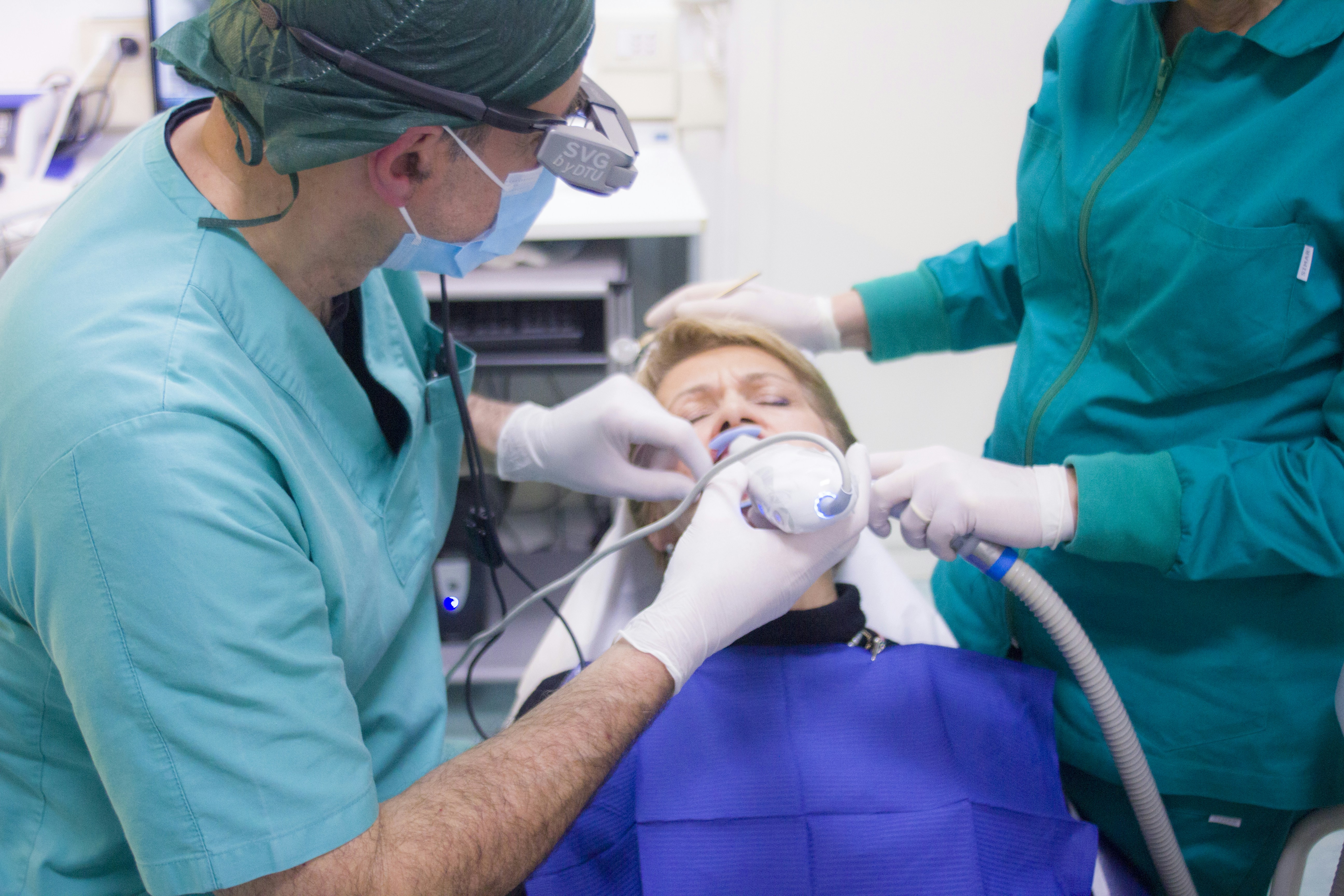
Introduction to Impacted Teeth
Impacted teeth refer to those that are unable to fully erupt through the gums, often resulting in a range of oral health issues. This common dental condition primarily affects the wisdom teeth, which are the last molars located at the back of the mouth. While any tooth can become impacted, wisdom teeth are particularly prone to this due to a lack of adequate space in the jaw. As a result, they may remain trapped beneath the gum line or emerge at improper angles, leading to potential complications.
The causes of tooth impaction are multifaceted. Genetic factors play a significant role, as certain individuals inherit jaw structures that do not accommodate all teeth. Additionally, the presence of extra teeth—known as supernumerary teeth—can contribute to overcrowding, resulting in impaction. Other factors include improper tooth alignment, prolonged prolonged retention of primary teeth, and insufficient space for the emerging teeth. As the impacted teeth exert pressure on adjacent structures, they may cause pain, inflammation, or infection.
Patients experiencing impaction may exhibit various symptoms, including localized pain, swelling around the gums, or difficulty in oral hygiene maintenance. In some cases, impacted teeth can lead to more serious issues such as cyst formation or damage to neighboring teeth. It is important for individuals to seek professional dental evaluation if these symptoms arise, as untreated impacted teeth can lead to exacerbated complications.
Surgical extraction of impacted teeth is a necessary course of action in many cases to alleviate discomfort and prevent further oral health problems. Understanding the underlying factors that contribute to tooth impaction provides valuable context for recognizing when surgical intervention becomes essential. A dentist will often recommend this procedure based on an assessment of the impacted dental code and the specific circumstances surrounding the patient’s condition.
Indications for Surgical Extraction
Surgical extraction of impacted teeth is a common procedure in dental practice, necessitated by various clinical situations where the teeth do not have the ability to emerge normally. One primary indication for surgical extraction is persistent pain associated with the impacted tooth. When the tooth is unable to break through the gums due to lack of space or alignment, it can contribute to significant discomfort, necessitating intervention.
In addition to pain, infections are a prominent concern for dental professionals. Impacted teeth can lead to pericoronitis, an infection occurring around the crown of the tooth, particularly in wisdom teeth. In such cases, the necessary surgical extraction is not merely a reaction to pain, but also a preventive measure against the potential spread of infection. If left untreated, these infections can lead to more severe health complications.
Another critical indication for surgical extraction is decay. If an impacted tooth becomes decayed, it may be challenging to restore it effectively due to its position. In such circumstances, the surgical extraction of the impacted tooth may be the most viable option to preserve the integrity of the surrounding teeth and overall oral health.
Misalignment issues are yet another reason for dental professionals to recommend surgical extraction. Impacted teeth can cause crowding and misalignment of adjacent teeth, leading to a dysfunctional bite. Surgical extraction can alleviate these issues, paving the way for orthodontic treatment if necessary.
The timing for surgical extraction is also an essential consideration, often guided by dentists based on individual patient needs and x-ray evaluations. Understanding the specific contraindications for surgical extraction can ensure timely intervention, ultimately preserving better dental health.
Dental Codes for Surgical Extractions
Understanding the dental codes associated with surgical extractions is crucial for both dental practitioners and patients alike. In the realm of dentistry, these codes are classified under the Current Dental Terminology (CDT) system, which provides a standardized language for reporting dental procedures. Specifically for impacted teeth, several codes facilitate the accurate documentation and billing of surgical extractions.
The CDT coding system includes specific codes, such as D7210, which refers to the surgical removal of an erupted tooth requiring elevation of the mucoperiosteal flap and removal of bone. For impacted teeth, codes like D7220 (surgical removal of an impacted tooth, soft tissue) and D7240 (surgical removal of an impacted tooth, completely bony) are particularly relevant. These codes help in categorizing the complexity of the extraction, ensuring that the necessary procedures are adequately documented for insurance claims and patient records.
Moreover, dentists should also be aware of related codes that may accompany surgical extractions. For instance, D7250 refers to the surgical removal of residual roots, which may be relevant if a tooth extraction reveals any remaining root structure that needs to be addressed. Accurate understanding and utilization of these codes streamline the claims process and facilitate proper patient care by making the treatment path clear.
In addition to the primary codes for surgical extraction, dentists must recognize the importance of proper documentation and justification for these procedures. It is advisable to provide comprehensive clinical notes that substantiate the need for surgical extraction, particularly when navigating insurance claims or potential audits. This awareness not only enhances professional practice but also contributes to improved patient outcomes, ensuring that the surgical extraction impacted dental code is applied correctly.
The Surgical Extraction Procedure Explained
The surgical extraction of impacted teeth is a procedure that involves multiple steps to ensure safety and effectiveness. Initially, the preparation phase encompasses a thorough dental examination, including X-rays to assess the impacted tooth’s position and its relation to surrounding structures. This evaluation helps the oral surgeon devise a tailored plan for the extraction process, ensuring that potential complications are addressed before surgery begins.
Once the preparation is complete, various anesthesia options are discussed with the patient. These may include local anesthesia, sedation, or general anesthesia, depending on the complexity of the extraction and the patient’s comfort level. Local anesthesia numbs only the surgical area, while sedation helps the patient relax during the procedure. General anesthesia, on the other hand, renders the patient completely unconscious. The choice of anesthesia plays a pivotal role in the overall experience during the surgical extraction.
During the actual surgical process, the oral surgeon will begin by making an incision in the gum tissue to expose the impacted tooth. If necessary, bone removal may occur to facilitate access to the tooth, particularly in cases where the tooth is deeply embedded. The surgeon then delicately extracts the tooth, employing specialized instruments to minimize trauma to surrounding tissues. Stitches may be required afterward to close the gum incision and promote healing.
It is important to note that the surgical extraction procedure may vary based on the tooth’s position, whether it is horizontal or vertical, and other anatomical considerations. Surgeons use their expertise to modify techniques as necessary to achieve optimal outcomes. Following the extraction, patients will receive post-operative care instructions to ensure proper healing and minimize discomfort. Understanding this step-by-step approach helps demystify the surgical extraction impacted dental code, allowing patients to approach the procedure with greater confidence.
Post-Operative Care and Recovery
Following a surgical extraction of impacted teeth, proper post-operative care is crucial for ensuring a smooth recovery and minimizing the risk of complications. It is essential for patients to adhere to the guidelines provided by their dental professional to promote healing after the procedure. The first aspect to consider is pain management. It is common to experience discomfort following the surgical extraction of impacted teeth, and your dentist may prescribe medications or recommend over-the-counter pain relief options. Patients should take medications as directed and contact their dentist if they experience excessive pain that is not alleviated by prescribed medications.
Dietary recommendations play a significant role in recovery. Patients should opt for soft foods and avoid anything that requires excessive chewing for the first few days post-surgery. Foods like yogurt, mashed potatoes, and smoothies are ideal during this initial phase. It is advisable to stay away from hot, spicy, or acidic foods that might irritate the extraction site. Staying hydrated is crucial, but one should avoid using straws, as the suction can dislodge the blood clot that forms in the socket, a condition known as dry socket.
Patients should be vigilant for signs of complications, which may include prolonged bleeding, swelling that does not subside after a few days, or the presence of pus. These symptoms could indicate an infection or other issues requiring prompt dental attention. Moreover, maintaining oral hygiene, while being gentle around the extraction site, is necessary to prevent infection. Rinsing with warm saltwater can be beneficial in promoting healing and reducing inflammation. Overall, patients should follow these post-operative care instructions closely to encourage a smooth recovery after the surgical extraction of impacted teeth.
Potential Risks and Complications
Surgical extraction of impacted teeth, while often necessary for oral health, carries potential risks and complications that patients should carefully consider. It is essential to understand that while many patients experience minimal side effects, some may face more serious issues following the procedure.
Common side effects associated with surgical extractions include swelling, bruising, and bleeding. After the procedure, it is typical for patients to experience some degree of discomfort, which can often be managed with prescribed pain medications. However, excessive or prolonged bleeding should be reported to the dental professional as it could indicate a complication.
One of the more serious risks involved in surgical extraction is nerve damage. During the procedure, particularly when the impacted tooth is located near the mandibular nerve, there is a possibility of nerve injury. This could lead to tingling, numbness, or altered sensation in the lower lip, chin, or tongue. While rare, such complications can require additional treatments and prolonged recovery time.
Infection is another significant concern that may arise following the surgical extraction of impacted teeth. Signs of infection can include fever, increased pain, or discharge at the extraction site. Proper aftercare and adherence to the dentist’s instructions, including routine follow-up appointments, are essential for minimizing this risk.
It is prudent for patients to have a thorough discussion with their dentist about the specific risks associated with their individual case, particularly concerning the surgical extraction impacted dental code that applies to their situation. Understanding the potential complications beforehand not only helps in setting realistic expectations but also encourages adherence to post-surgical care, thereby promoting a smoother recovery process.
Alternatives to Surgical Extraction
For patients facing the decision of surgical extraction due to impacted teeth, it is essential to consider alternative treatment options that may be viable depending on individual circumstances. One of the primary alternatives is observation. In cases where the impacted teeth are not causing significant pain or complications, a dentist may recommend a wait-and-see approach, monitoring the situation through regular check-ups. This option allows for the natural development of the teeth and can sometimes lead to spontaneous eruption without the need for more invasive procedures.
Orthodontic treatment is another alternative that can be effective in managing impacted teeth. Through the use of braces or clear aligners, orthodontic strategies can potentially guide the impacted tooth into its proper position within the dental arch. This approach may involve other dental appliances that create necessary space or apply gentle pressure to facilitate the tooth’s movement. While orthodontic treatment can be a suitable option, success depends largely on the specific characteristics of the impaction and the overall alignment of the teeth.
Minimally invasive techniques, such as the use of local anesthetics and heightened precision instruments, can also serve as an alternative to traditional surgical extraction. These methods emphasize preserving surrounding tissues and can reduce recovery time. While such approaches may mitigate some risks associated with surgical extraction, they are not suitable for all cases, especially those involving severe impaction or significant infection. Therefore, evaluating the pros and cons of these alternatives in consultation with a qualified dentist is crucial to ensure the best treatment path is chosen based on the unique dental situation of the patient.
The Role of Dental Professionals
The surgical extraction of impacted teeth is a complex process that typically involves multiple dental professionals, each playing a crucial role in the patient’s care. The primary practitioners in this procedure are general dentists, oral surgeons, and orthodontists, all of whom collaborate to ensure successful outcomes and patient safety.
General dentists are often the first point of contact for individuals experiencing issues related to impacted teeth. They are responsible for conducting initial assessments, diagnosing the nature of the problem, and determining the need for surgical intervention. The general dentist will typically refer the patient to an oral surgeon if the impacted tooth requires surgical extraction due to complications such as severe impaction or infection. Their knowledge of the surgical extraction impacted dental code is vital in understanding the procedural nuances involved.
Oral surgeons specialize in complex dental procedures, including the surgical extraction of impacted teeth. They possess advanced training in anesthesia and surgical techniques, making them well-equipped to manage any potential complications during the procedure. This specialization ensures that oral surgeons can address cases that may be challenging for general dentists due to the intricate nature of the surgery required.
Orthodontists, while not directly involved in extraction, play a pivotal role in the overall treatment plan when teeth are impacted. Their expertise in alignment helps determine whether an extraction is necessary or if alternative orthodontic treatment might be more suitable. Often, they collaborate closely with both general dentists and oral surgeons, contributing their insights to facilitate comprehensive patient care.
This multidisciplinary approach is essential for effectively managing cases of impacted teeth. The collaboration among general dentists, oral surgeons, and orthodontists fosters a team environment that prioritizes patient safety and effective treatment, ensuring that individuals receive the highest standard of care through every step of the surgical extraction process.
Conclusion and Final Thoughts
In the realm of dental health, addressing impacted teeth is paramount. Impacted teeth, particularly wisdom teeth, can lead to a myriad of complications if left untreated. They can cause pain, infection, and can even exert pressure on adjacent teeth. This is where the surgical extraction impacted dental code comes into play, representing a vital procedure for alleviating these issues and restoring oral health.
Surgical extraction is often necessary when teeth are unable to emerge fully or are misaligned, creating potential for further dental problems. The procedure aims not only to remove the problematic tooth but also to prevent future complications that may arise from impacted teeth. By employing professional care, patients can significantly reduce the risks associated with impacted teeth, thereby promoting better overall oral health.
For individuals experiencing symptoms that suggest the presence of impacted teeth—such as swelling, pain, or difficulty opening the mouth—it is crucial to seek advice from a dental professional promptly. Dentists can perform a thorough evaluation utilizing imaging techniques to assess the situation accurately. If surgical intervention is indicated, they will utilize the appropriate impacted dental code during the procedure, ensuring a standardized approach to treatment.
Overall, acknowledging the importance of addressing impacted teeth and ensuring timely professional intervention can lead to enhanced oral health outcomes. As dental technology continues to advance, the effectiveness and safety of surgical extraction procedures are also elevated. Therefore, maintaining regular dental check-ups and discussing any concerns with your dentist can help in managing the complexities associated with impacted dental issues effectively.

